Data literacy is key for digital commerce, Mastercard CEO says
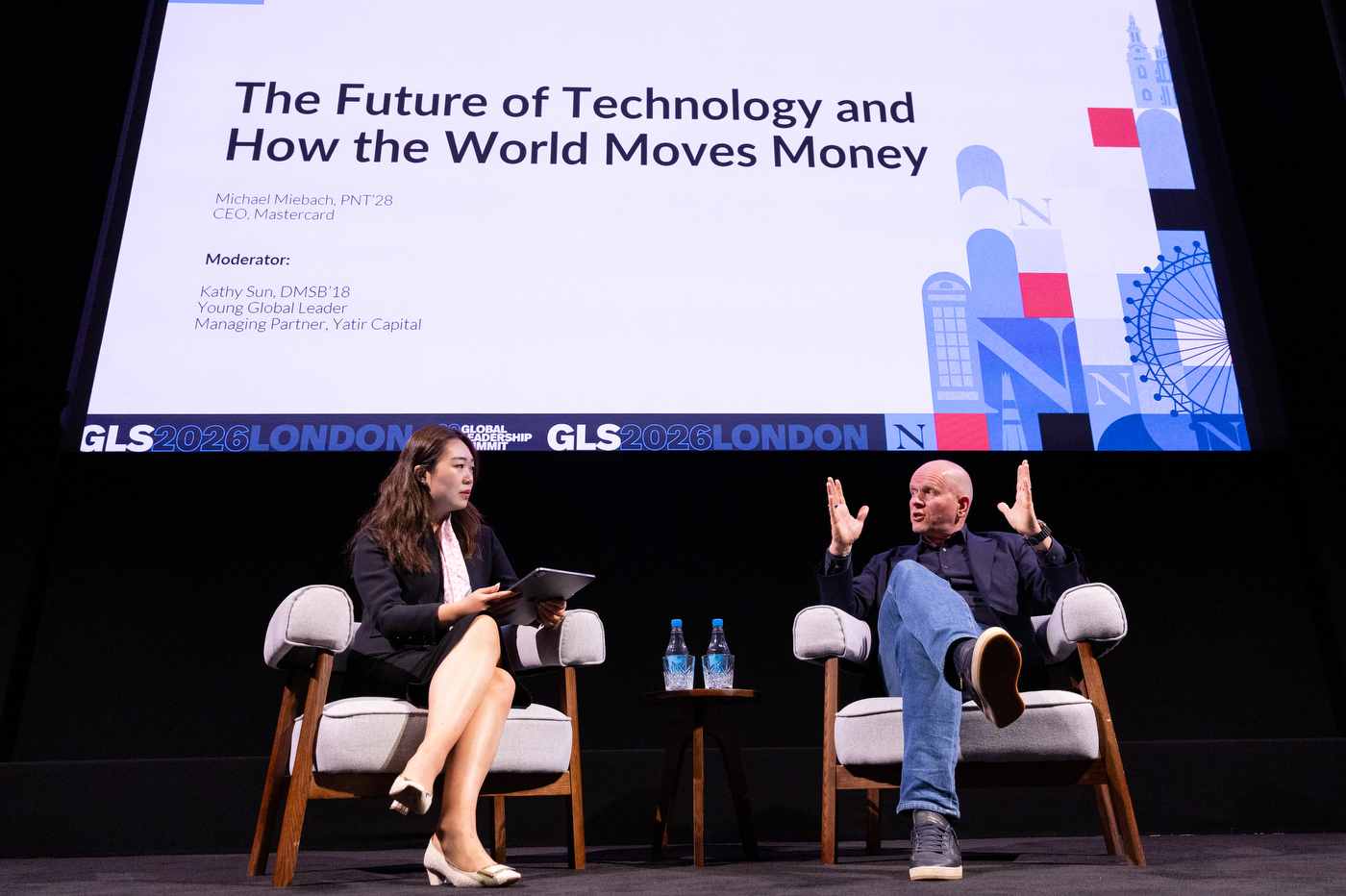
CEO Michael Miebach discussed “The Future of Technology and how the World Moves Money” during the seventh annual Northeastern Global Leadership Summit.

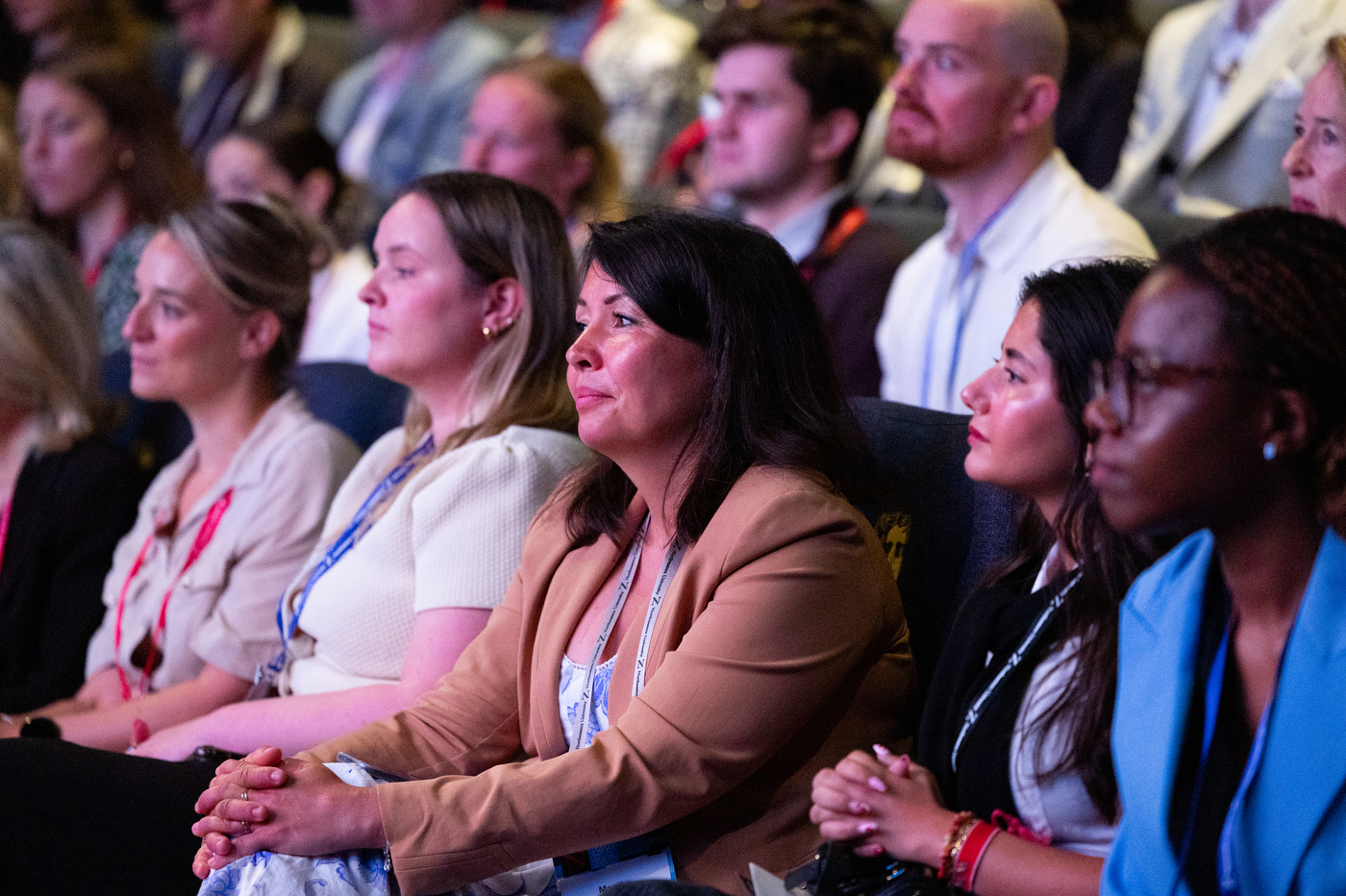
LONDON – The need to apply AI technology in digital commerce emerged as a key theme during the seventh annual Northeastern Global Leadership Summit.
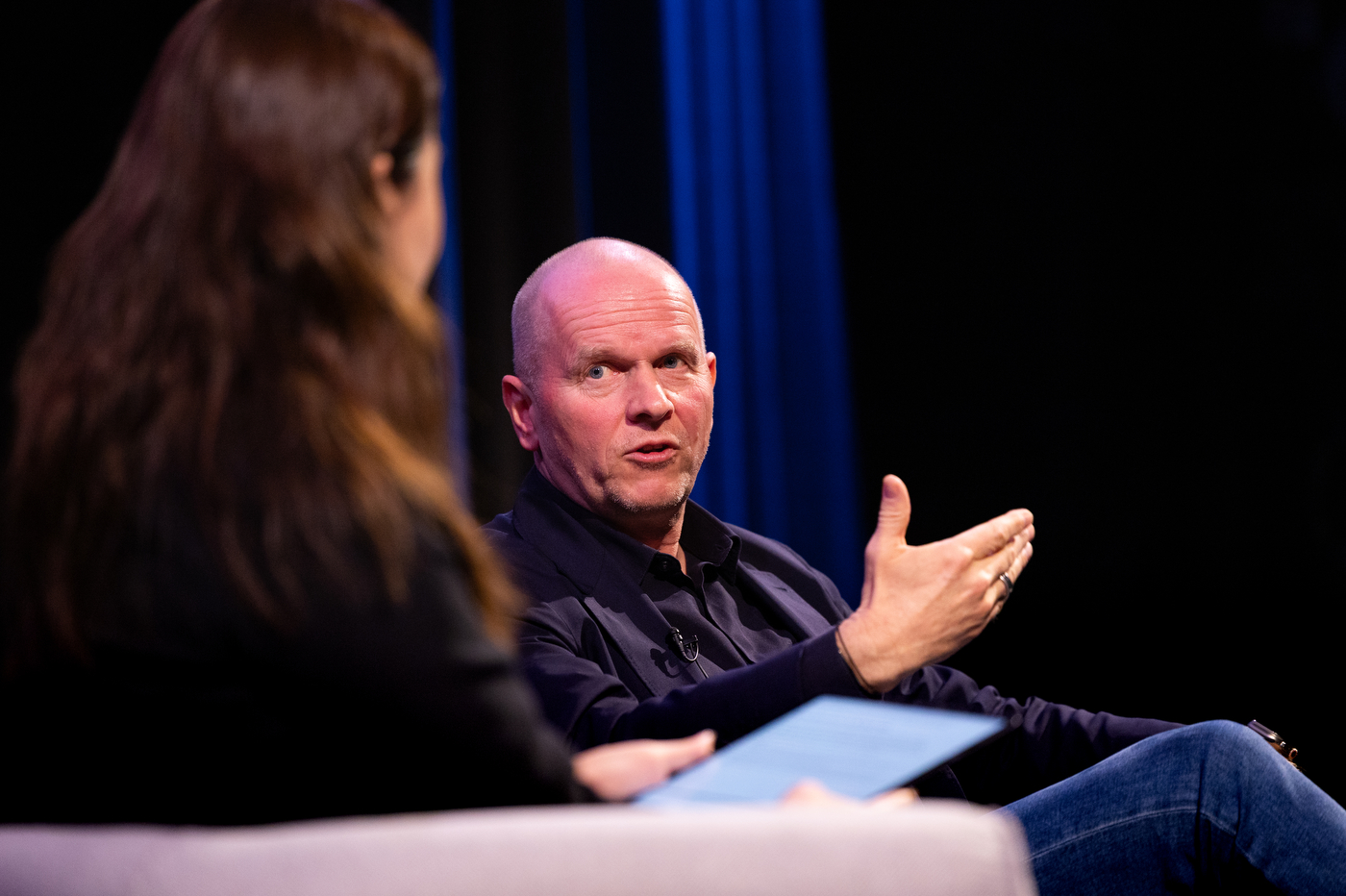
Mastercard CEO Michael Miebach explained the importance of integrating the technology into a business strategy for future success.
“When it comes to talent around AI, it is very important to have people with great data literacy and problem-framing skills; this is what we do with our employees. Coding is not really that useful anymore, but data literacy is,” Miebach said.
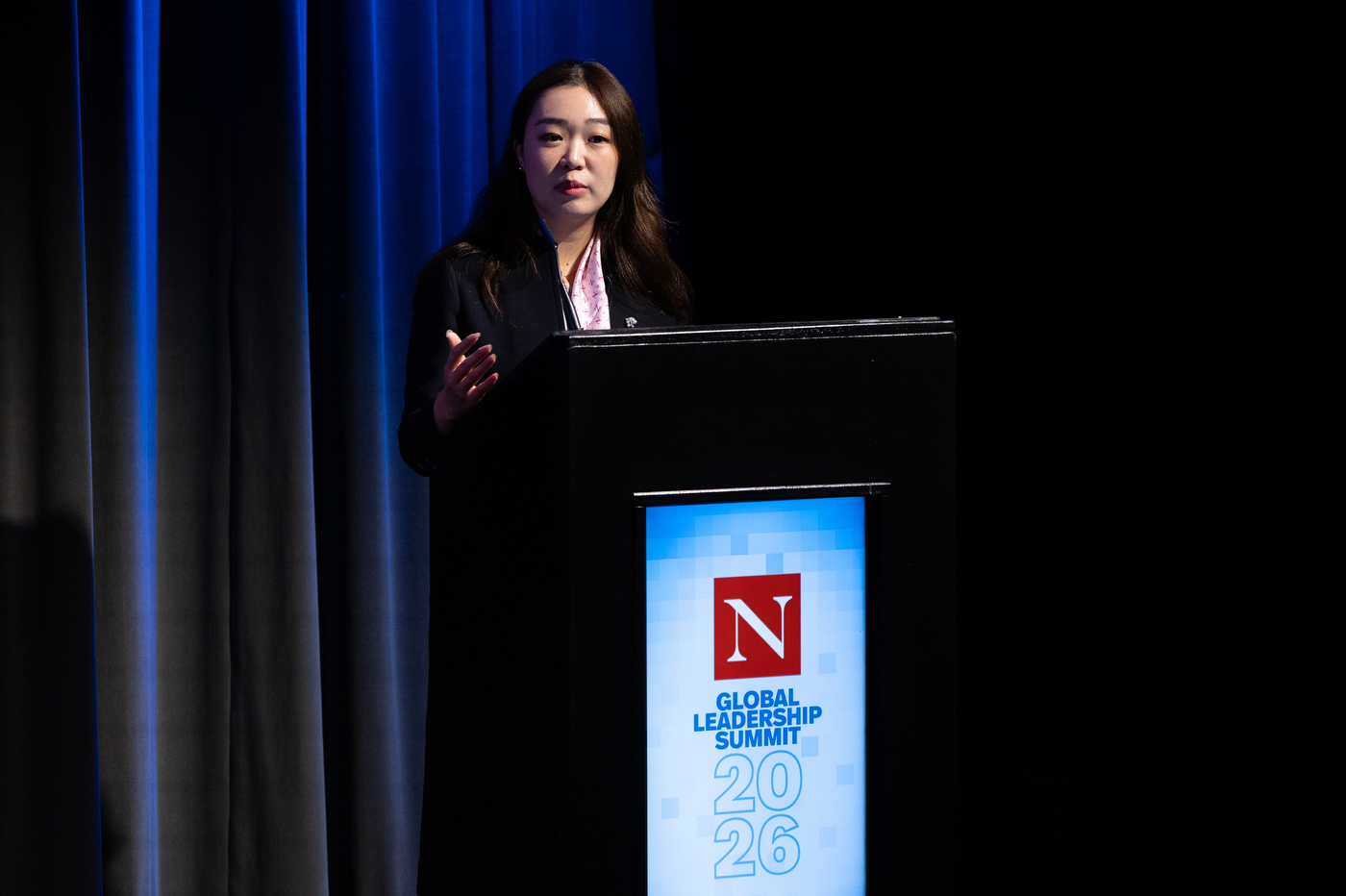
The summit session was titled: “The Future of Technology and how the World Moves Money,” and moderated by Young Global Leader Kathy Sun, a 2018 graduate of Northeastern University’s D’Amore-McKim School of Business.
Mastercard had a strong year in 2025, with net revenue of $32.8 billion, according to the company’s latest earnings report.
“Twenty years ago, we were called a credit card company. Today, we are many things for different types of personas, the most global way to pay, given our license in China. We are also a platform that drives decisions for businesses. We are also an essential part of keeping the digital economy safe. When you see our brand, there is trust,” Miebach said.
For the Mastercard CEO, there is also a dual challenge between the approaches in Brussels and Washington, between a more regulatory and a more risk-taking approach, respectively.
“It’s important to look at things in time. Ten years ago, people also felt that the world was complicated. It is important to distinguish between secular trends and cyclical trends. Secular trends do not change that much,” he said.
Geographically, there are different issues: in America, the issue is affordability, in Africa, it is access.
“We are a public company, we have investors, returns have to be generated … we need to ensure this. In 2010, when I joined Mastercard, I joined the Middle East and Africa division and tried to wrap my head around pulling people into the economy. In September 2011, during my first board meeting at Mastercard, I laid out a high-risk business case about Africa that was implemented.”
When it comes to founding a company, Miebach explained that founders need to be driven by a plan, but also by what happens.
Editor’s Picks





When his predecessor, CEO Ajay Banga, told him to join Mastercard’s main office, Miebach wanted to run the Asia division instead. In the end, it turned out to be the best career choice.
“We find fulfilment in delivering for the stakeholders of the company and the investors. It is very important for everybody to feel valued in the company and, in general, to make an impact,” he said.
As the Q&A opened, the first question was about China, and Miebach highlighted the very unique standardised payment system in the country and the incredible number of transactions; negotiations for a license in China took five years, and, following the recent Presidential Summit, the CEO highlighted that the plan is to grow the market and further connect the country to the rest of the world.
When it comes to AI, the CEO points out that the technology that moves money will keep changing, but what is not changing is the expectation: the technology must be safe, immediate, intuitive and simple.
Furthermore, regulations also keep changing.
Curtis, one of the Young Global Leaders, asked where the U.S. consumer stands within the next 12 to 24 months. For Miebach, the things to watch here are the employment levels and the balance between the growth of wages and inflation.
Niklas Homan, CEO of Orbit, asked a question about Robin Hood investments in startups. The Mastercard CEO responde that this is where regulation comes in; the imbalance in the numbers of European and US startups proves the point.
Regulation and partnerships are the answers here, especially for small businesses that are among the largest employers globally and require stability and trust, particularly about payments.


