Trusted brands make a deal with customers and don’t break it, experts explain
The rush to adopt AI must not come at the expense of carefully built relationships with consumers.
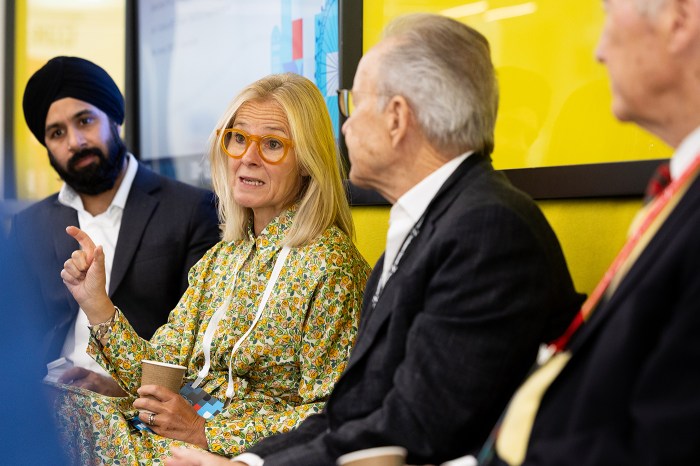

LONDON — Brands that sell themselves on enduring quality need to think carefully about how they use AI — or wind up letting loyal customers down, said Julietta Dexter, governor of Northeastern University London.
In addition to helming Northeastern’s London campus, Dexter is a branding expert with decades of experience working with elite brands. When labels claim to represent “luxury and craftsmanship and artisanship,” customers are quick to call them out on social media for cutting costs on delivering content through generative AI, she told the 2026 Northeastern Global Leadership Summit.
“Gucci, Valentino, Coca-Cola have had absolute pastings on socials,” said Dexter, CEO of Brand Potential, a strategic marketing development agency. Audiences can tell artificial imagery filled with overly leafy trees and uncannily blue skies, and these lazy touches break a deeper bond, she explained
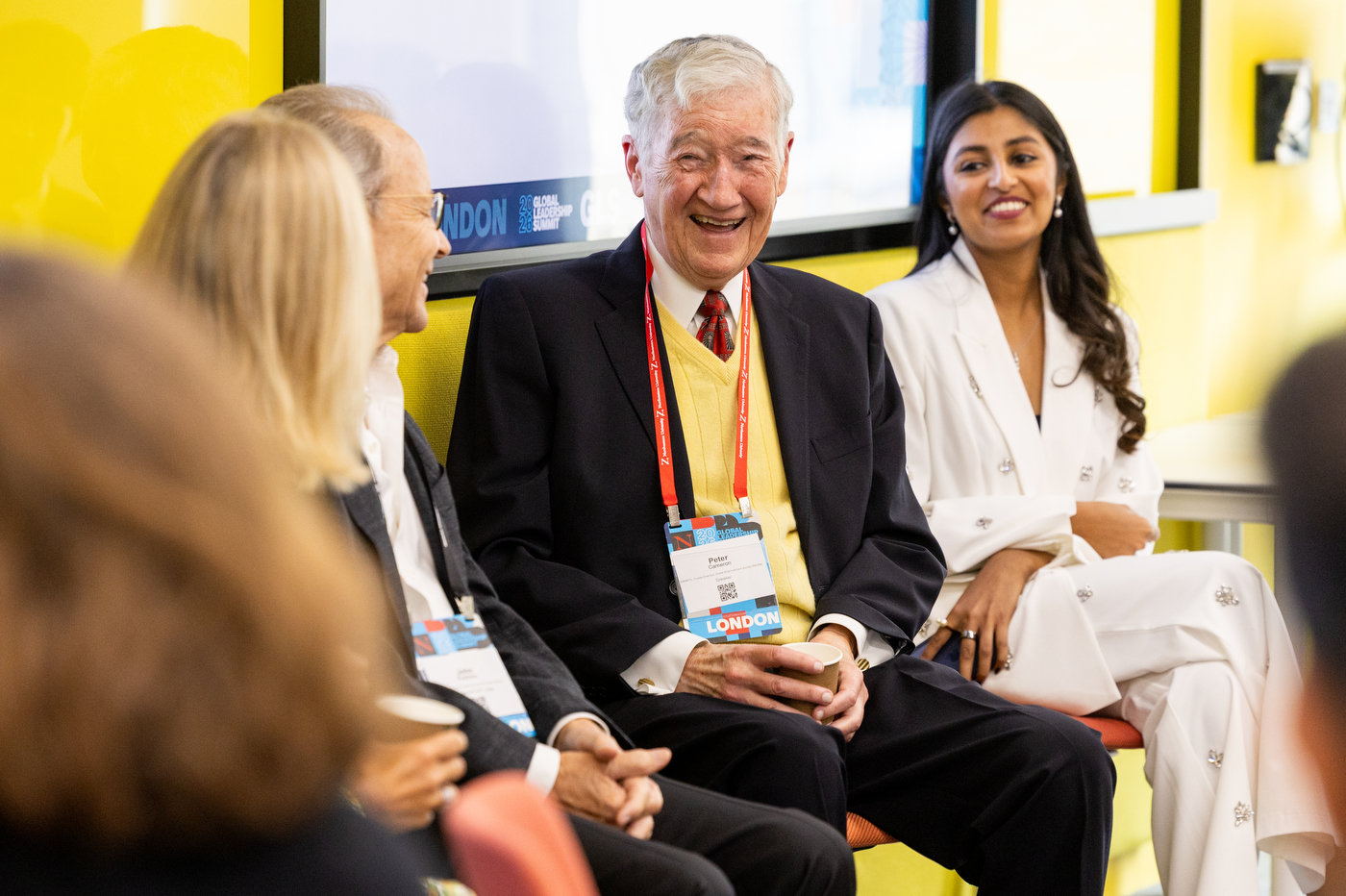
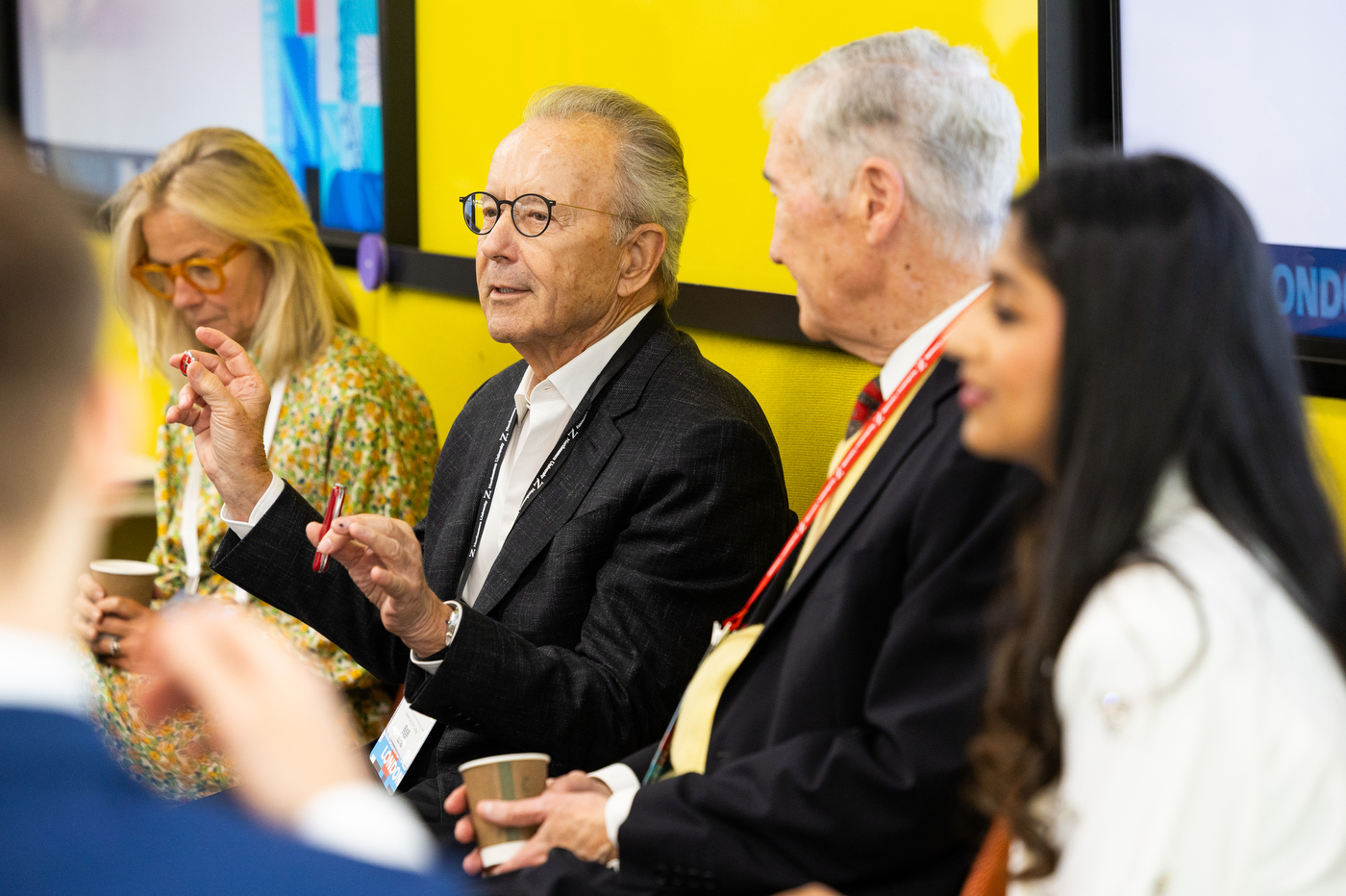
In a wide-ranging discussion at Devon House, the center of Northeastern’s London campus, Dexter was joined in conversation by leaders who have built and grown globally-renowned brands. She sat down with Peter Cameron, who has led Wedgwood porcelain and All-Clad cookware. They were joined by John V. Pulichino, chair and CEO, Group III International, which has achieved over $5 billion in sales of SwissGear travel gear branded by the maker of Swiss Army knives.
As part of a panel titled “Brand Strategy: Positioning Your Business for Success,” the trio of experts asked: What separates brands that last from ones that plateau?
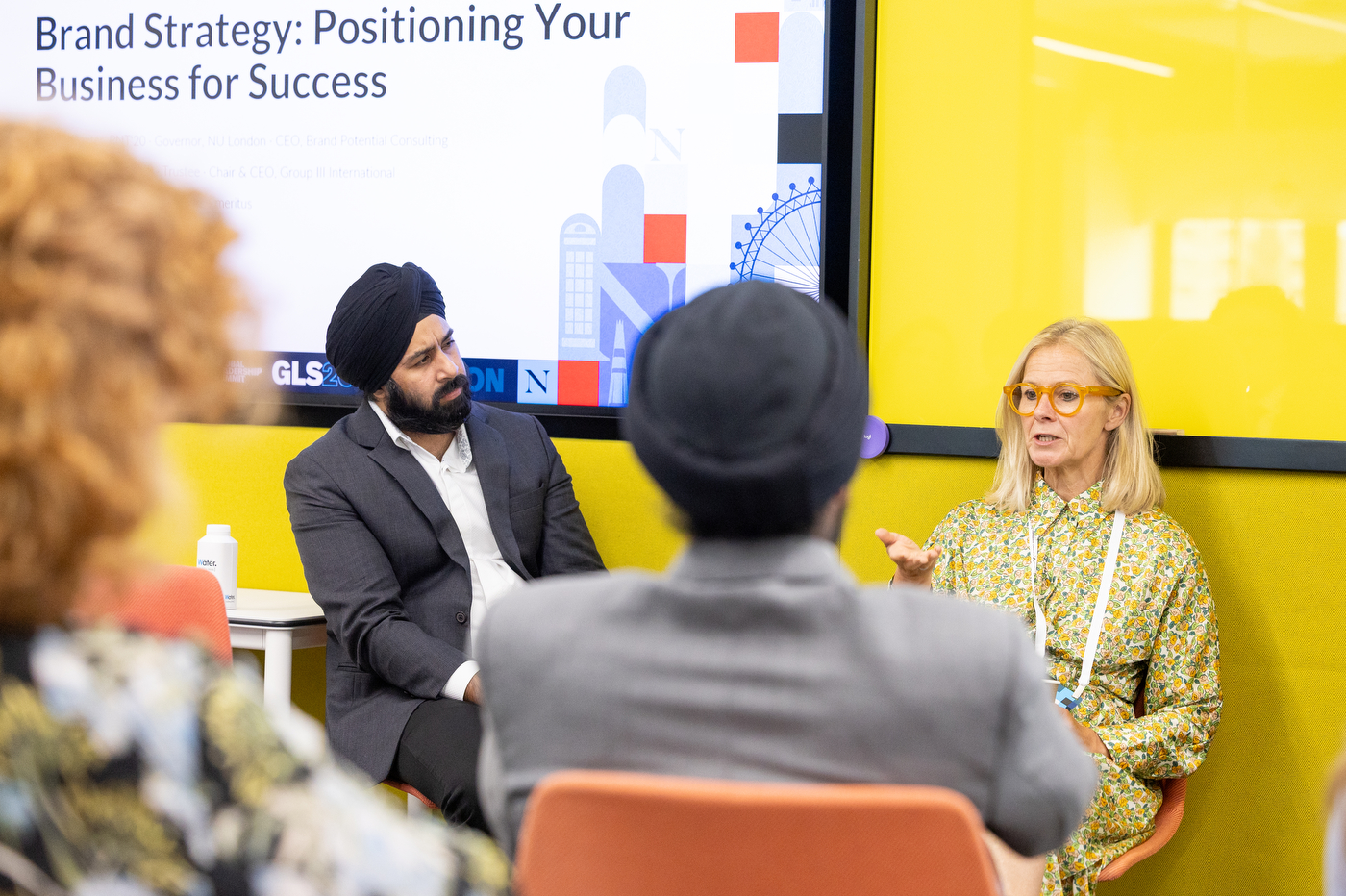
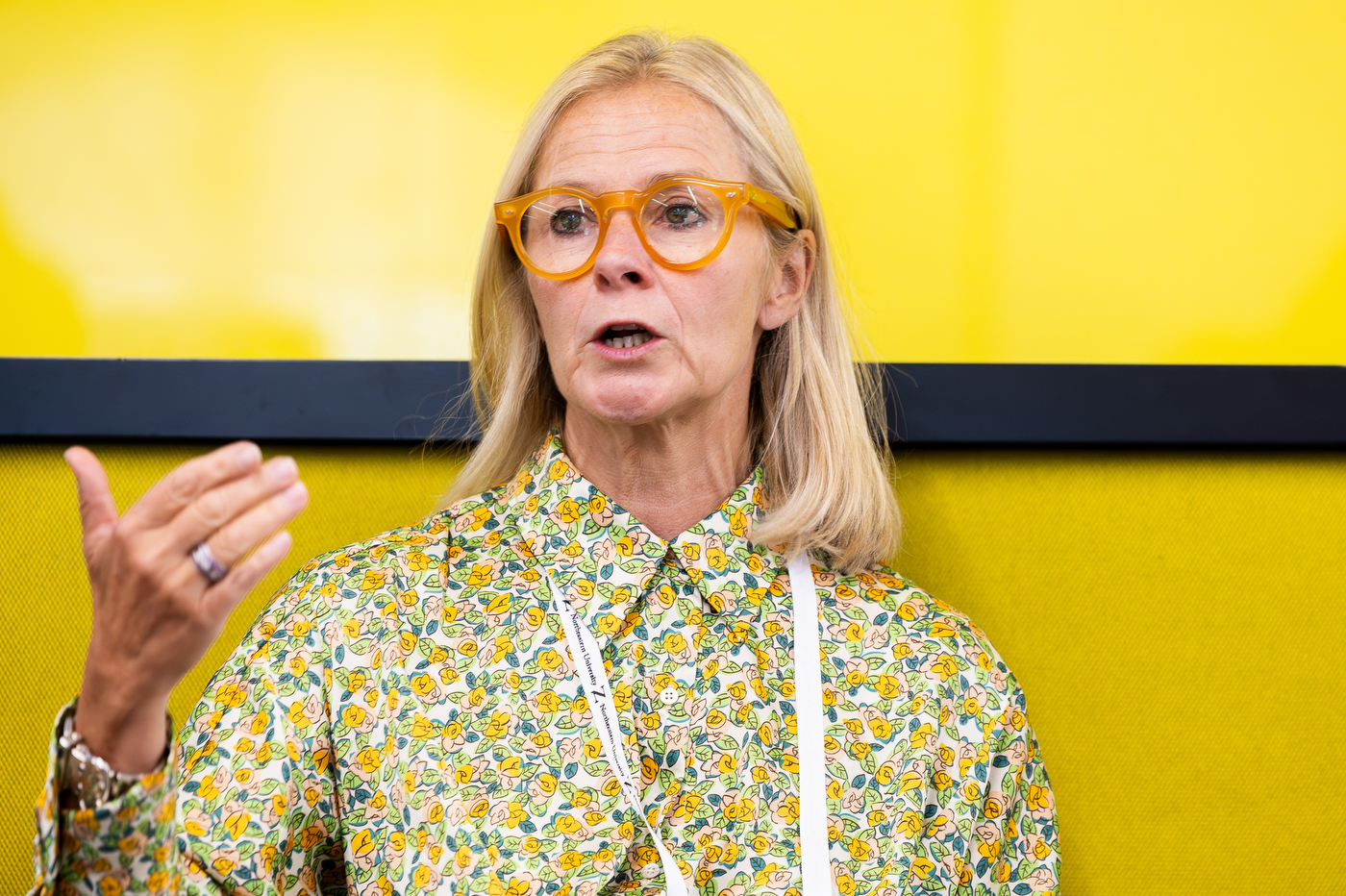
Dexter said the answer begins by understanding that enduring brands have an “emotional, not only transactional relationship” with their community. She quotes advertising guru John Hegarty, who once wrote that a successful brand occupies “a corner of someone’s mind,” an incredibly valuable piece of real estate. “So you should be very, very grateful for that,” said Dexter.
Building brands in the age of AI
The theme of the Northeastern Global Leadership Summit, which brings together members of the Northeastern community with industry leaders, is human leadership in the age of AI, and the panelists were each convinced that the impacts on brand development would be far-reaching. “AI is here to stay, it’s real, it’s not going away,” said Cameron.
Panel moderator Manit Ghogar, a 2017 graduate of Northeastern University, highlighted a recent survey by marketing platform Optimove asking if hasty adoption of AI is damaging trust in brands. It found 87% of people can tell when a brand is using AI, and, surprisingly, 57% of respondents said they trust brands more when AI is part of the experience. Still, Dexter urges caution. “My view is that we should learn as much as we can and use these tools in a thoughtful, intelligent way.”
Cameron and Pulichino, who have headed brands through times of rapid change, said there is a clear message from their decades of experience: understand what customers expect from you and don’t be careless with it.
Cameron explained how he built the All-Clad brand — “from nothing” in the 1990s — by seeing the potential of celebrity chefs. Until All-Clad, nobody was offering free products to cookery shows on PBS and the Food Network. “Ultimately, it became a brand that everybody wanted. And they knew it as top of the line, because all these celebrity chefs were all using it,” he said. To satisfy demand for more affordable cookware, he licensed a distinct “commodity” line, “Emeril,” for department stores, while keeping All-Clad in other “aspirational” outlets.
Pulichino said that collaborating with Swiss Army Knife-maker Wenger set a difficult challenge. “How do we take the DNA of these products and brand recognition after decades, and put it into our product category of travel?” The answer rested on quality products, including luggage that matched the Swiss Army Knife’s reputation for precision and durability. “You can just spend a lot of money trying to build a brand, but if the product doesn’t work, it’s like trying to get a rocket ship into orbit,” he said. Spend enough money and you can get the bad product out there, but it’ll quickly come crashing back down.
Turning a company around
Editor’s Picks


In an intimate breakout session later in the afternoon, the same theme was picked up by Jeffrey Clarke, CEO of insurance technology company Insurity. Clarke has made a career turning around some of the world’s most storied companies, from Kodak to Hewlett-Packard. When he was brought in as the first CEO of Eastman Kodak after it filed for bankruptcy in 2012, one of the first questions he had to answer was whether to shut down its loss-making film business.
By this point, the historic business of producing photographic film had declined by 95% and staff had recommended to the board of directors that the company shut it down, he said. But Clarke believed that to save the Kodak brand’s appeal, you had to save its film business. “I went to the board and said: ‘I disagree with the decision. Give me 30 days to try and see if I can rebuild the demand for film.'”
The remaining customers of the photographic film business tended to be artists and filmmakers, he said, so Clarke went to Hollywood to meet the directors who still relied on film — Steven Spielberg, Quentin Tarantino and Christopher Nolan. The economic reality was straightforward — if the film business died, it would be too expensive to rebuild. “No one would have rebuilt the factory because we were only selling $100 million of film and the factory would cost a billion dollars to make from scratch. For us, it was only $20 million or $30 million a year to keep it going.”
The director ultimately pressured studio heads to make a deal to save the film stock, which sparked the wider turnaround of Eastman Kodak, he said. “It not only brought the film business back, it brought significant growth and profitability.”