Northeastern researcher earns patent for breath-based virus detection technology
Nian Sun, a distinguished professor of electrical and computer engineering at Northeastern, has spent years perfecting a device that he believes could change the way diseases are detected.


Nian Sun, a distinguished professor of electrical and computer engineering at Northeastern, has spent years perfecting a device that he believes could change the way diseases are detected.
The device, a specialized sensor used to detect viral particles in a person’s breath, was originally designed as a way of detecting airborne traces of illegal drugs and explosives. But the surge of innovation during the COVID-19 pandemic presented Sun and his colleagues with a compelling case to shift their focus from man-made chemicals to pathogens.
The result is what he calls a “completely novel” approach to viral testing that uses specialized gas-sensing technology to identify viral particles, such as coronavirus spike protein, with high sensitivity and accuracy. Much like a Breathalyzer, Sun said the non-invasive test gives results almost instantly.
At the time of the pandemic, the handheld technology provided a useful alternative to the much slower process of the polymerase chain reaction test. The logistical hurdles associated with the swabbing of nostrils and waiting for those samples to be shipped for analysis begged for different methods, Sun said.
“It’s even faster than a swab test and much more user-friendly,” Sun told Northeastern Global News, referring to the multi-step and often uncomfortable swab tests that were a mainstay during the pandemic that took at least 15 minutes to reveal results.
After more than a decade of fine-tuning in his lab, Sun was recently awarded a patent for the gas sensor and its associated methods. Issued by the U.S. Patent and Trademark Office, the legal protection recognizes the novelty and usefulness of Sun’s work, although he noted the technology still requires further testing before it could be used as a clinical diagnostic.
The sensor uses a synthetic material, called molecularly imprinted polymer, or MIP. As the name suggests, an MIP is essentially a material designed and molded around a target molecule or particle, creating a surface much like a puzzle with cavities meant to fit and capture the target. Other scientists have noted that MIP carries significant promise as a sensing technology, but say that “commercial development of molecular imprinting sensors is still in its infancy.”
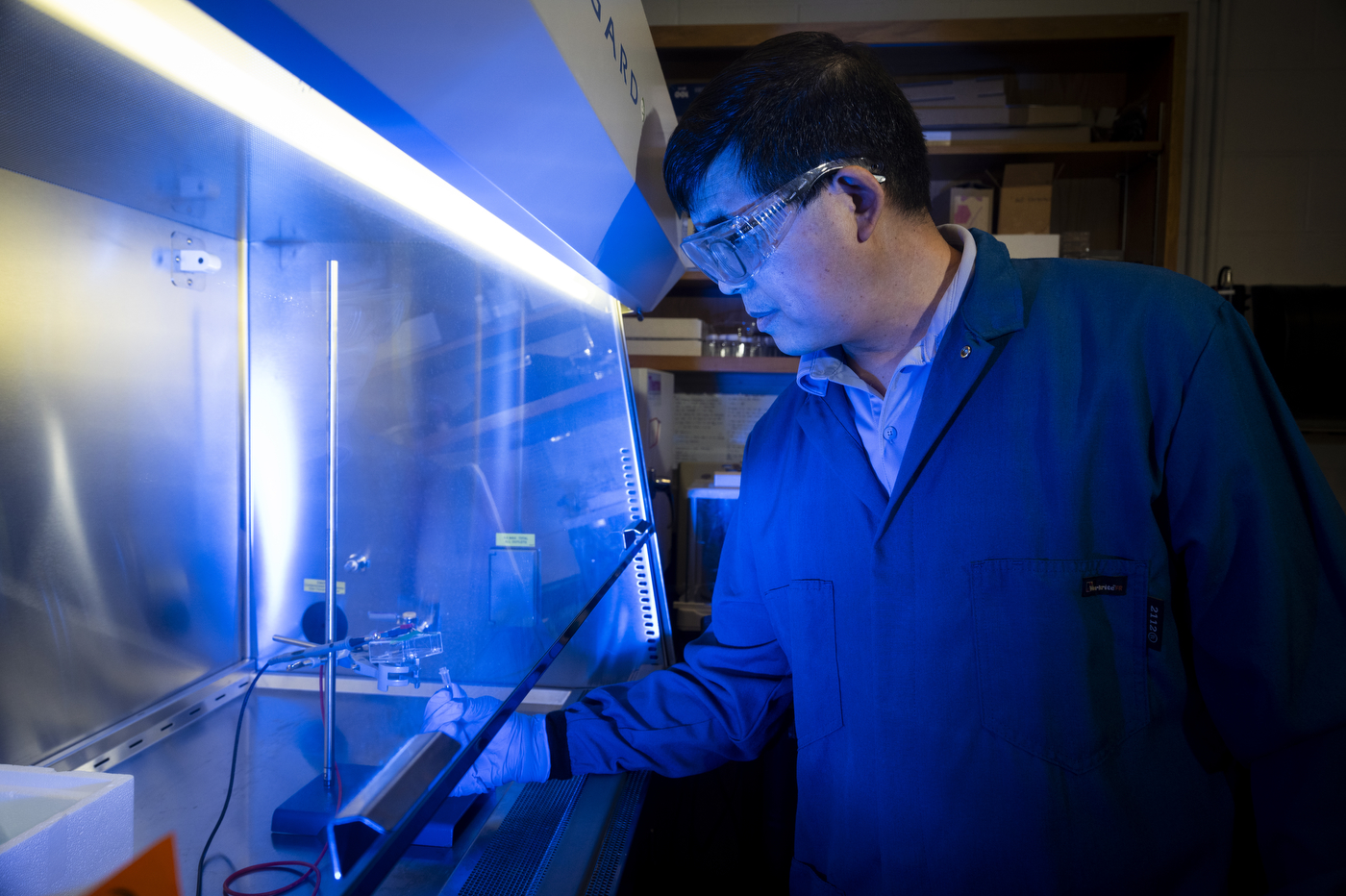
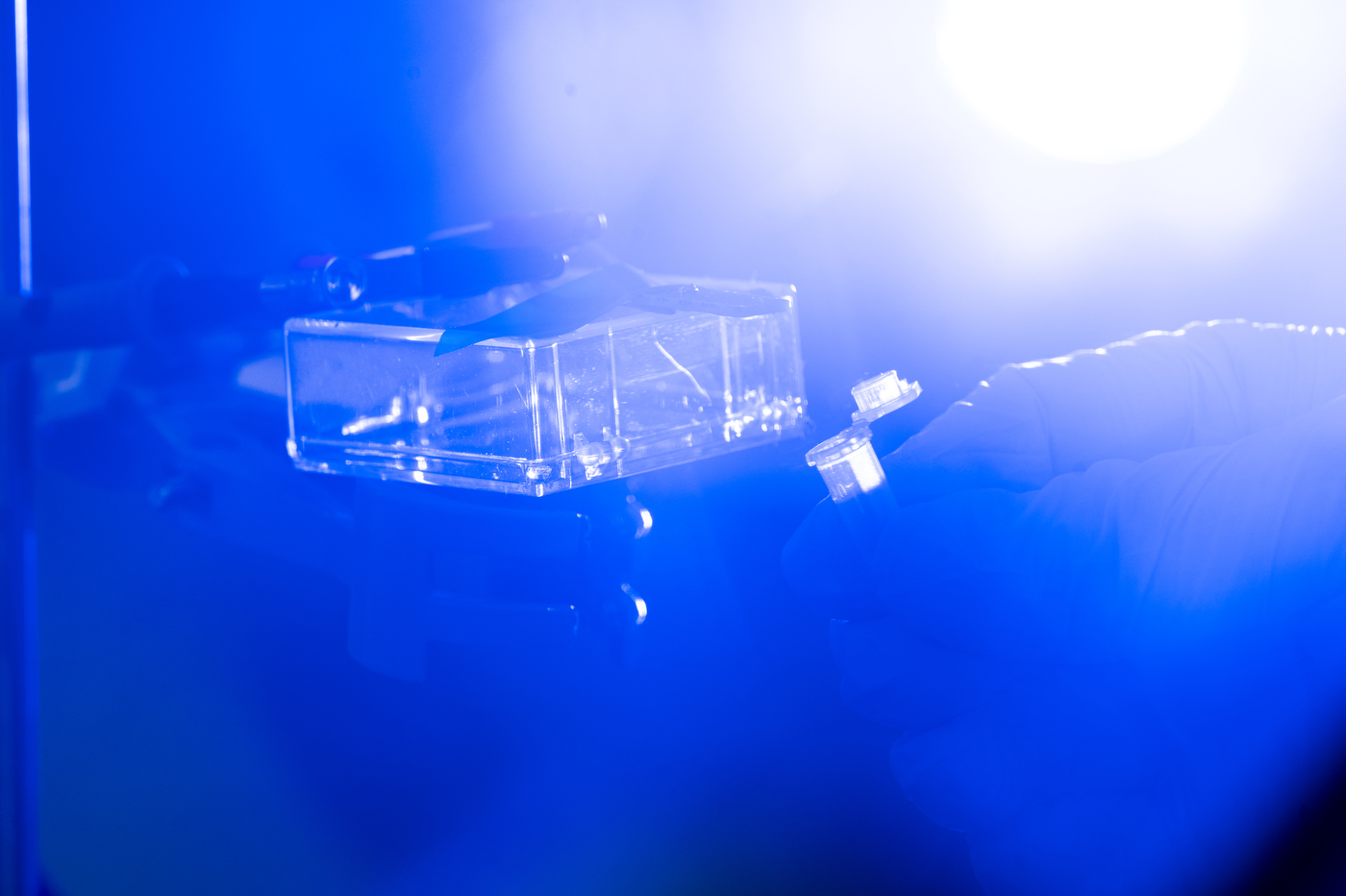
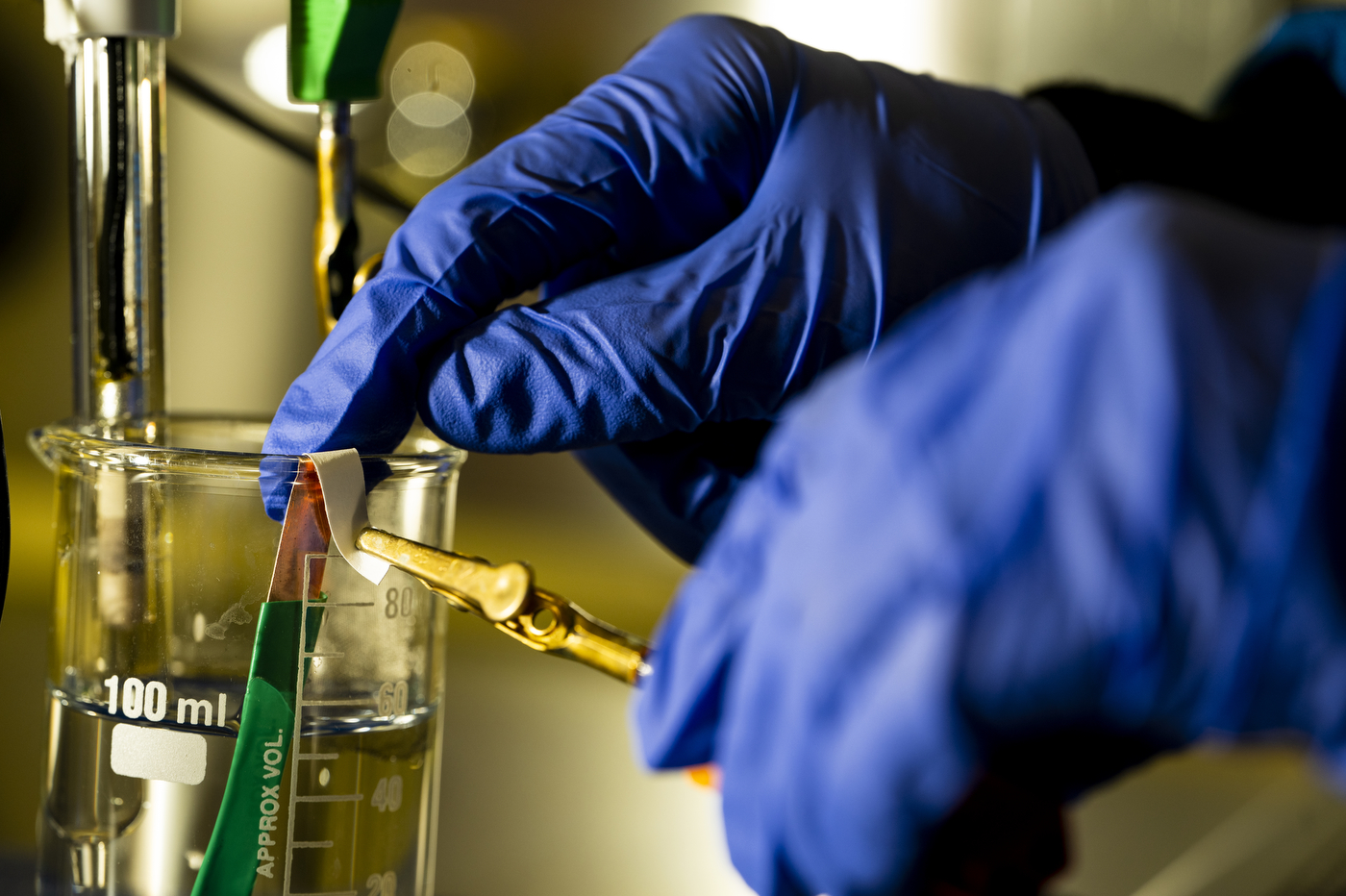
In the case of Sun’s device, the MIP is engineered with tiny cavities that match the shape of a target virus or viral particle. In addition to containing the MIP, the sensor is constructed with a silicon base and a graphene layer, which form part of the electrical system that detects changes when that viral particle is present, Sun said.
As a person blows into the device, viral particles in the air come into contact with the sensor and bind to the microscopic cavities in the MIP layer. In the process, they change the sensor’s electrical resistance, producing a signal that can be used to detect the virus, Sun said.
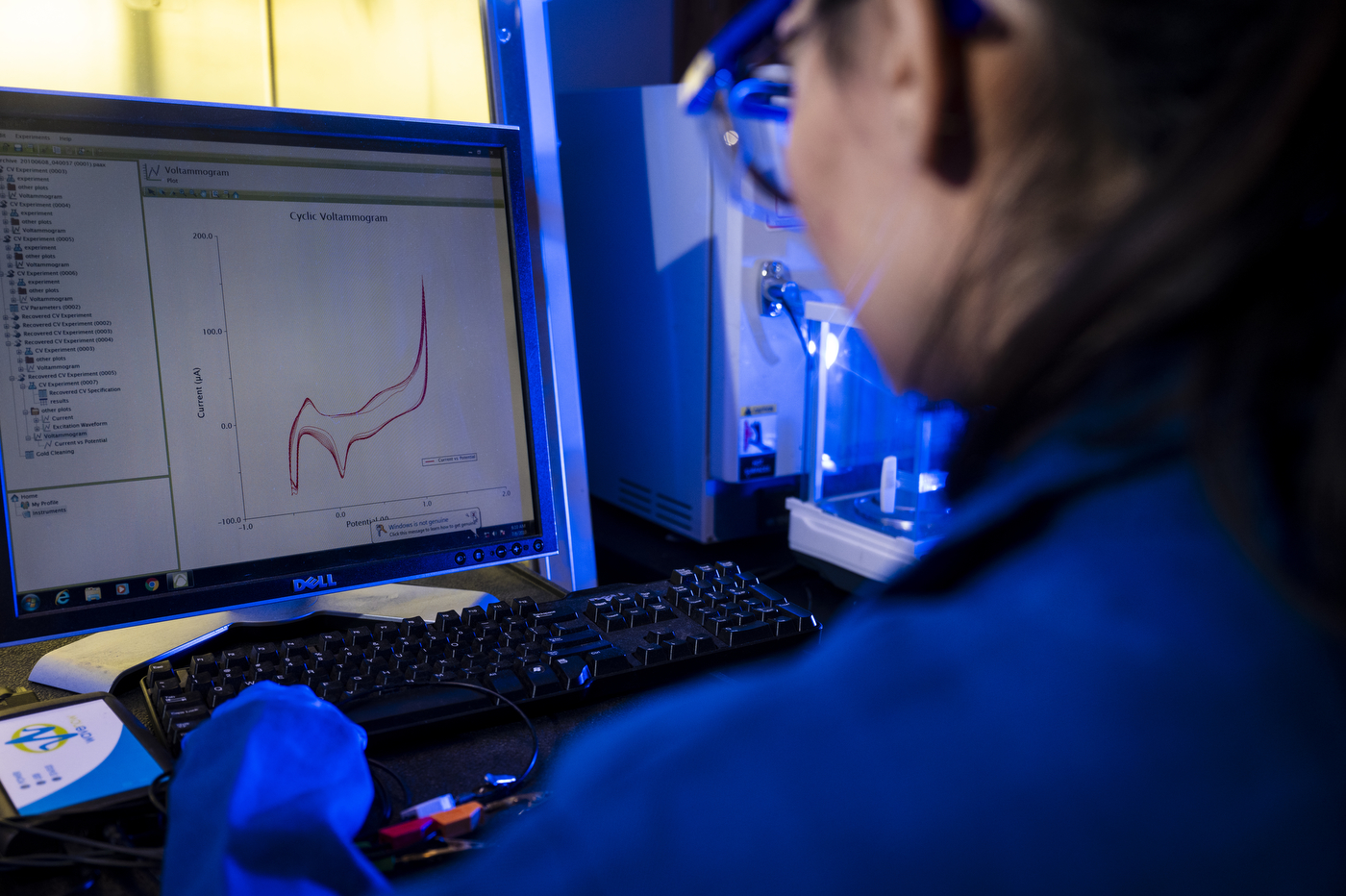
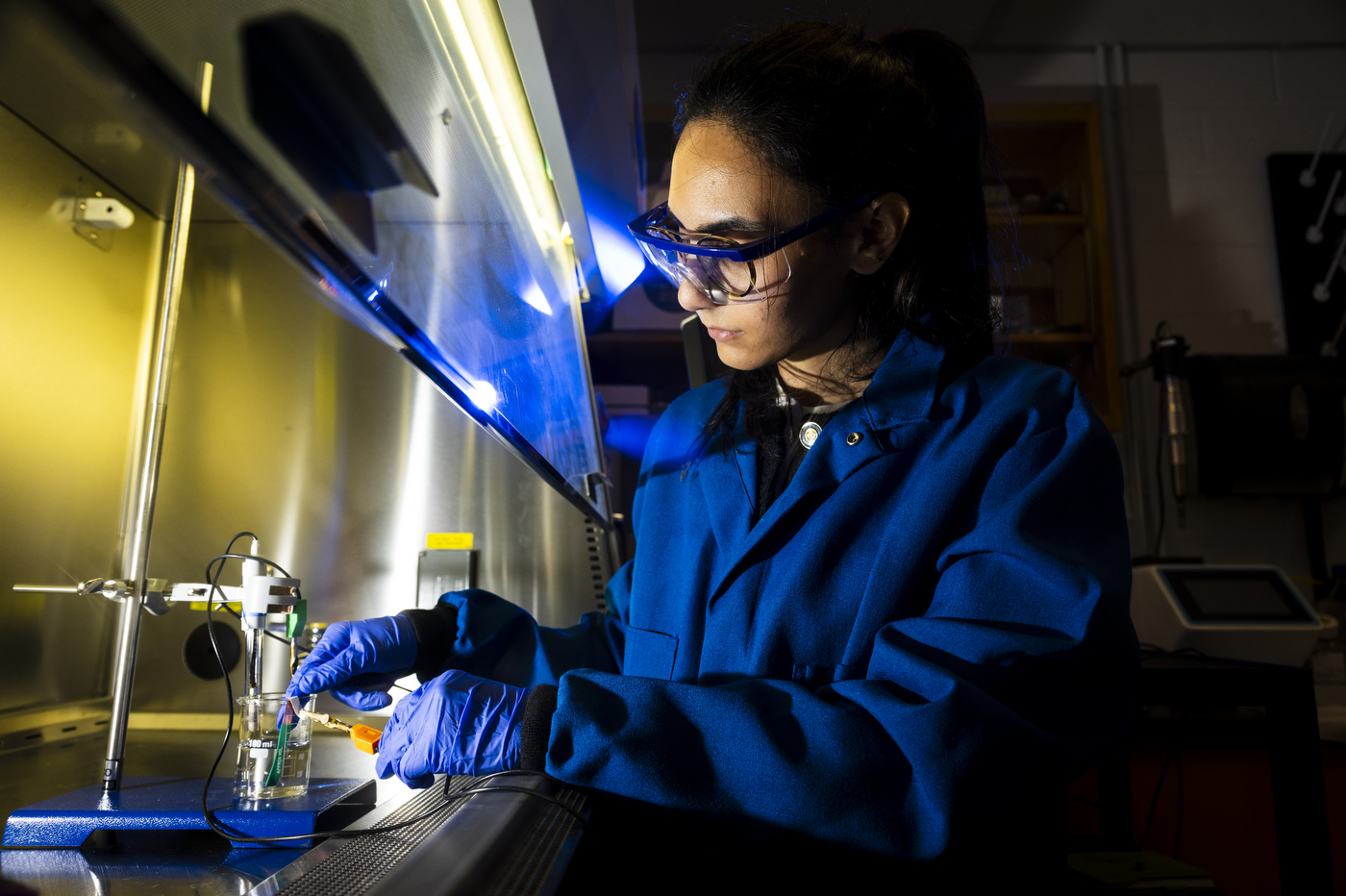
The sensor essentially extracts those particles from the air, said Pardis Sadeghi, a scientist who helped develop the device, whose work primarily involved tweaking the sensors for selectivity.
Editor’s Picks


She said she spent much of her Ph.D. refining the sensor’s “recipe,” experimenting with different polymers and materials to make it more selective and precise. The result was a sensor engineered to recognize its intended biomarker while largely ignoring the other compounds present in exhaled breath, she said, as this breath contains a mixture of volatile organic compounds beyond just the biomarker for SARS-CoV-2 (in this case, the spike protein).
The sensor has gone through several generations of refinement, Sun said, with each iteration designed to make it better at recognizing and detecting its target. The latest version is far more effective at capturing pathogens, with improved sensitivity and ability to distinguish the virus from other substances, he said.
The device is most effective during the early stages of the infection when a person is actively “shedding” the virus through the respiratory tract, Sun said. As a person becomes less contagious, the test’s effectiveness wanes.
The patent is specific to the sensor developed to detect SARS-CoV-2. But Sun and Sadeghi say that they are developing sensors capable of detecting other particles associated with different diseases, such as glucose for diabetes, and certain RNA molecules for cancer detection.
“The beauty of our sensor is that we can readily change our sensors for newly appearing or newly emerging pathogens,” Sun said.
He said his team is also using the same approach to build sensors that can detect substances such as fentanyl. Sun said that larger-scale testing is needed before the technology can be commercialized.
“I’m really hopeful for this technology, and I think it has a really good future,” Sadeghi said.


