How World Cup goalies can find success using ‘short memory’
Playing the most isolating position in all of sport can be a heavy mental burden for goalkeepers, but certain psychological tricks can help.


To err is human, the saying goes, but for some of us, ruminating on our errors may obstruct our ability to move forward. Goalies may be especially susceptible to this, as their missteps are not only on display for a stadium to witness but can also determine the fate of entire tournaments.
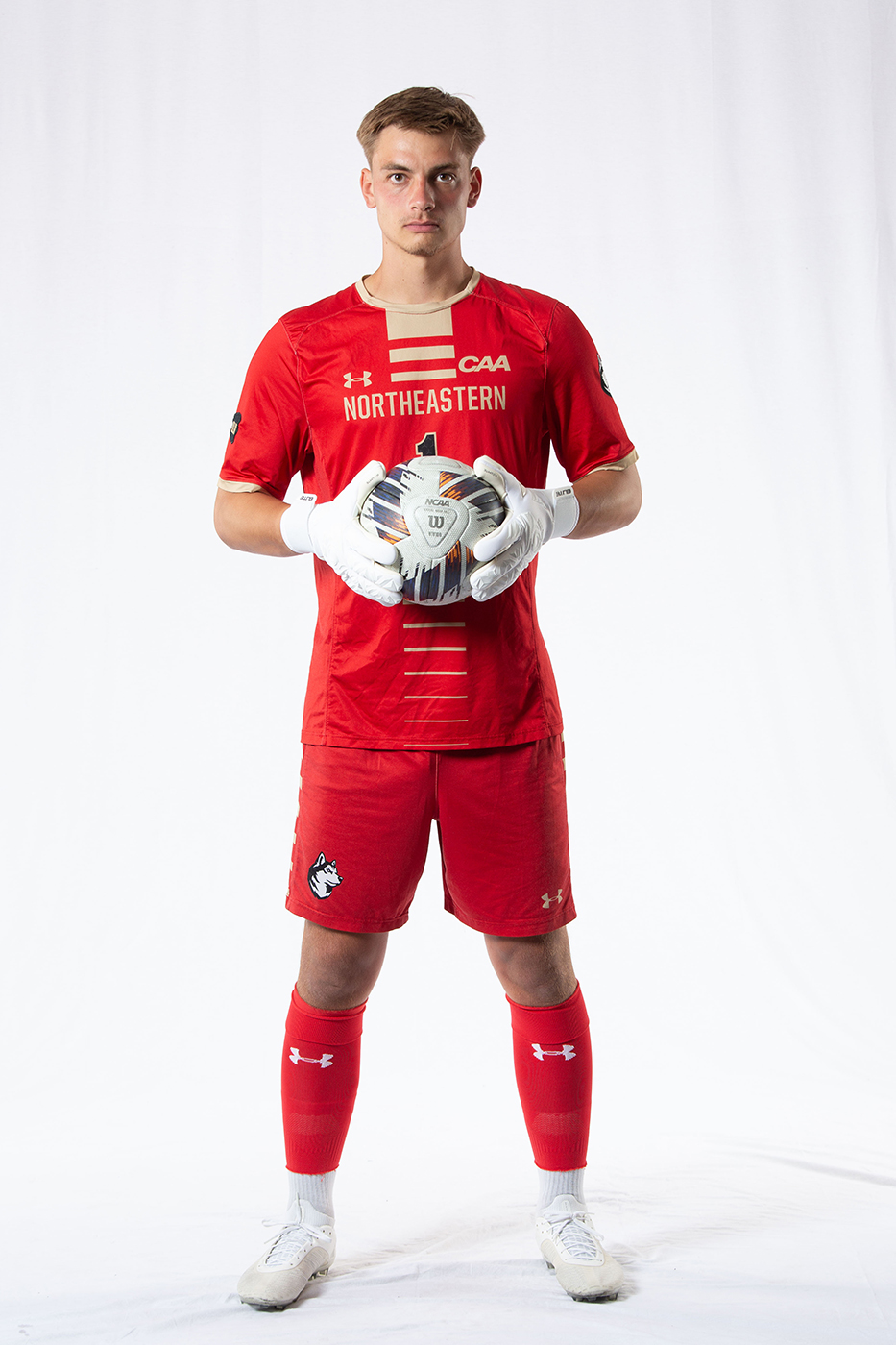
It’s something that Tobias Jahn, a decorated goalkeeper for Northeastern University’s Huskies in 2024 and 2025, is all too familiar with. He can recall many moments over the years he has been playing the game where he felt a team’s loss was on him, including one where he had to defend what he thought was a simple corner kick.
“I was a little too confident. I thought I could just go out and get it, and then one of [the other team’s] attackers jumped right in front of me and headed it into the net,” said Jahn. “I was devastated after that because I knew that it was on me. It was pretty obvious for everyone around, too.”
At the World Cup tournament currently underway in various cities across the U.S., Canada and Mexico, the pressure on keepers is higher than it’s ever been, experts said. The politically-charged undercurrents, changing rules of the 2026 cup with respect to the time the goalie can hold the ball, and omnipresent social media scrutiny, can create a burdensome mental strain.
Northeastern Global News, in your inbox.
Sign up for NGN’s daily newsletter for news, discovery and analysis from around the world.
Qatar’s brutal defeat of Canada on June 18 left keeper Mahmoud Abunada weeping at the end of the match, having conceded six goals in the worst loss of the nation’s short World Cup history. Though he saved four shots, his teammates were unable to produce at the other end of the field.
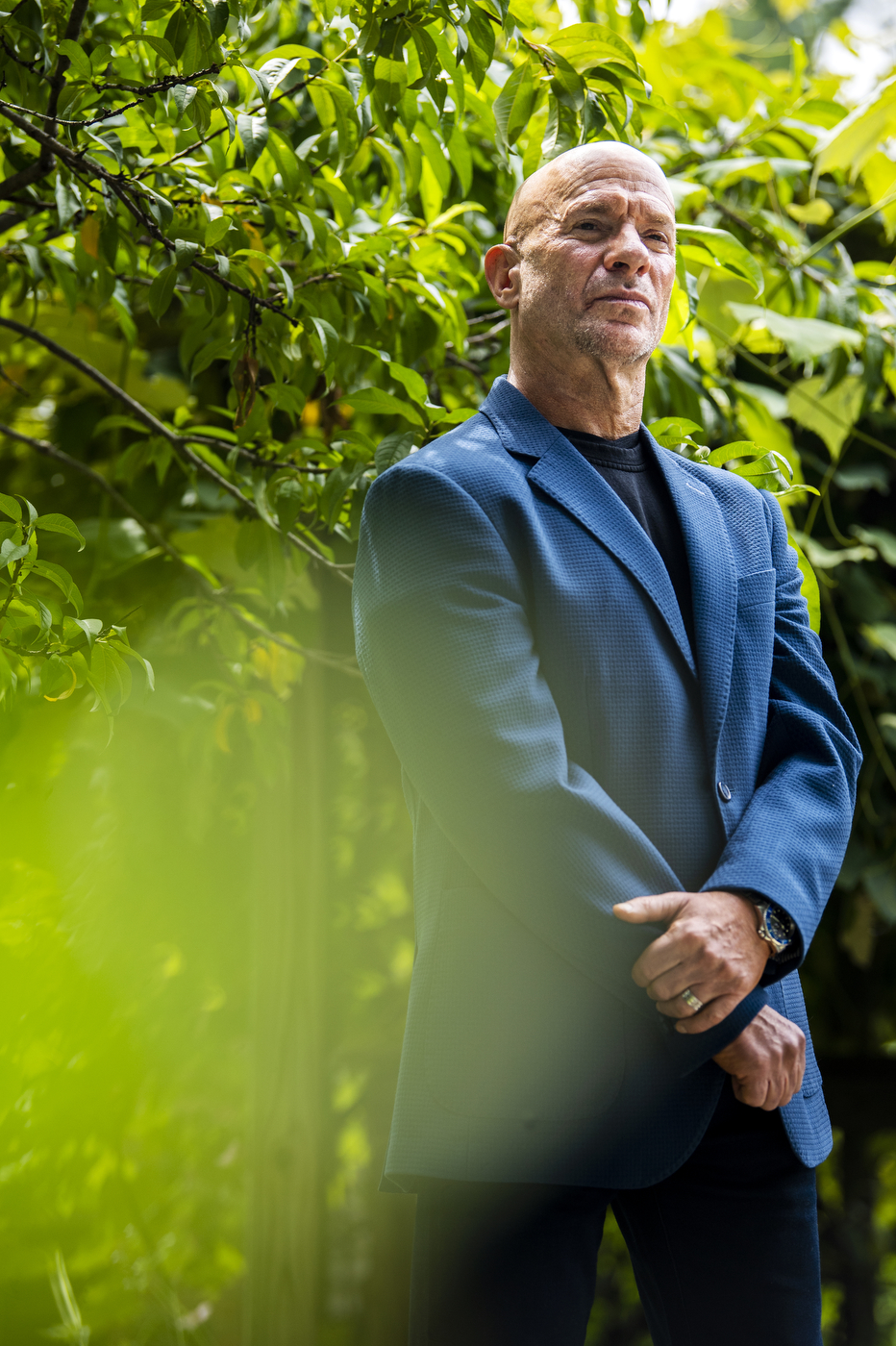
Grayson Kimball, an adjunct lecturer in sport psychology and statistics at Northeastern, tries to get the hockey and soccer goalies he counsels to avoid the negative mindset that can naturally arise from public instances of failure.
Instead, he encourages them to operate under a short memory, lingering on those feelings just long enough to come up with a solution to the athlete’s mistake without letting them impact their confidence or mood. Doing so doesn’t mean dismissing or ignoring failures, which Kimball said can manifest as a subtle form of negative self-talk, but rather reflecting on them with intention before moving on.
Former Liverpool goalkeeper Loris Karius suffered from extreme self doubt and external criticism after he blundered a pair of shots in the 2018 Champions League final against Real Madrid. After mistakes in the 51st and 83rd minutes led to two goals against Liverpool, and their ultimate 3-1 loss, Karius said his confidence was rattled.
“Everything I did was getting looked at. It was so extreme. It all got a bit too much,” he said in a 2024 interview with SPORTbible, a sports-focused social media publisher. “I was trying not to pay any interest but you couldn’t get away from it all… I was getting confronted all the time.”
Kimball tells his goalies to avoid treating a missed shot as evidence they aren’t cut out for the position or level of play. Instead, he says they should focus on learning from the failure and making a simple plan to improve. One benefit unique to goalies is the downtime they have between moments of action, which Kimball said they can use to their advantage.
After that missed block, Jahn recalls being in the locker room replaying the situation in his mind, including imagining what his home crowd’s celebration would have sounded like if he had made the last-second save.
His coach passed by on his way out of the room and offered him the type of reassurance he needed, Jahn said.
“He asked me if I could have just punched it. I said yes. He was like, ‘OK, you shake it off.’ That was it,” Jahn said. “That was everything I heard from him, and everything I feel like I needed to hear for me to regain that confidence.”
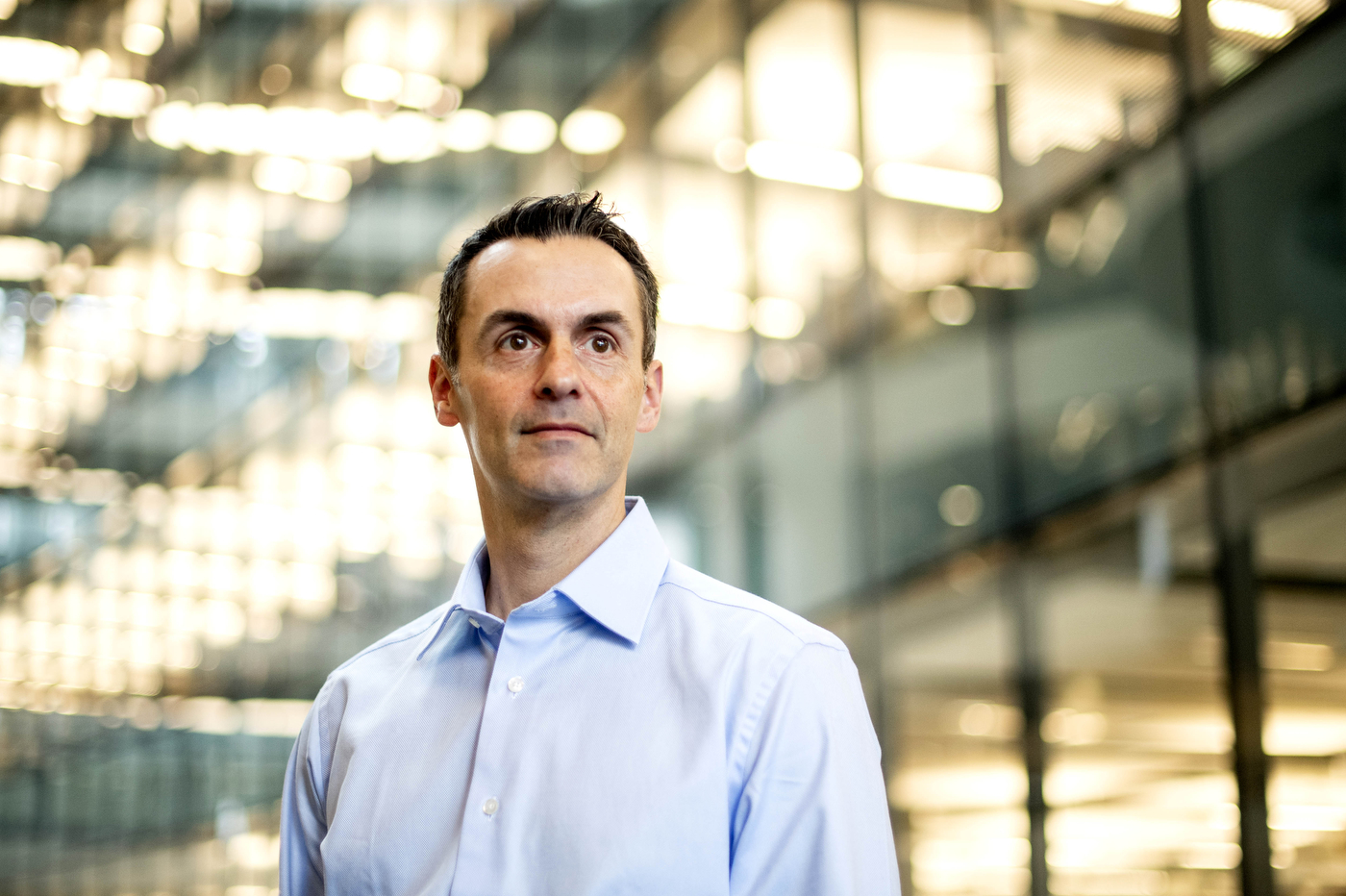
The position of goalie ranks as one of the most isolating in all of sport, according to Dan Lebowitz, executive director of the Center for the Study of Sport in Society at Northeastern. The success or failure of their team often hinges on their “outworldly confidence, cat-quick reflexes, constant angle calculations [and] incredible strategic command,” he told Northeastern Global News (NGN).
Editor’s Picks


In addition to managing feelings around their own individual performance, goalkeepers are often expected to be team leaders and mood setters, according to Kimball. Body language is a major part of the role, Kimball said, as outwardly showing frustration can both deflate their team and clue opponents into a potential vulnerability.
Kimball said when he observes the body language of the best leaders, “you don’t know if they’re winning or if they’re losing.”
Kimball said one trick to help calm goalies’ pre-game anxiety is to simplify their objectives for the match ahead. He asks keepers to find three words to describe themselves when they’re playing at their best, and to focus on achieving those attributes in the moment rather than fixating on possible failures.
“Instinctive, assertive, dominant,” Jahn said of his own play.
Though he was not counseled by Kimball, Jahn employed many of his positive psychological exercises as he attempted to rebound from the disappointing game. They’re techniques he has gone on to employ after other losses as well.
“Mistakes are always going to happen,” Kimball said. “What I look at is the response.”
And though the pressure that comes with playing in the World Cup vastly magnifies the mental challenge for keepers, Kimball suggests they remember the expertise and experience that got them there.
“When you strip it all away, what are you doing?” Kimball said he asks his players. “You’re playing goalie in a soccer game, like you’ve probably done 1,000 times.”