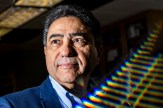
This student flagged risk and posted a profit on $1M investment during co-op at a Greek bank
Northeastern student Rowan Frew completed a co-op with Piraeus Bank, the leading bank in Greece.

Northeastern University student Rowan Frew’s time earned praise as a co-op at Piraeus Bank in Greece after he warned of a risky international loan and made a small profit betting on currency.
Another memorable experience?
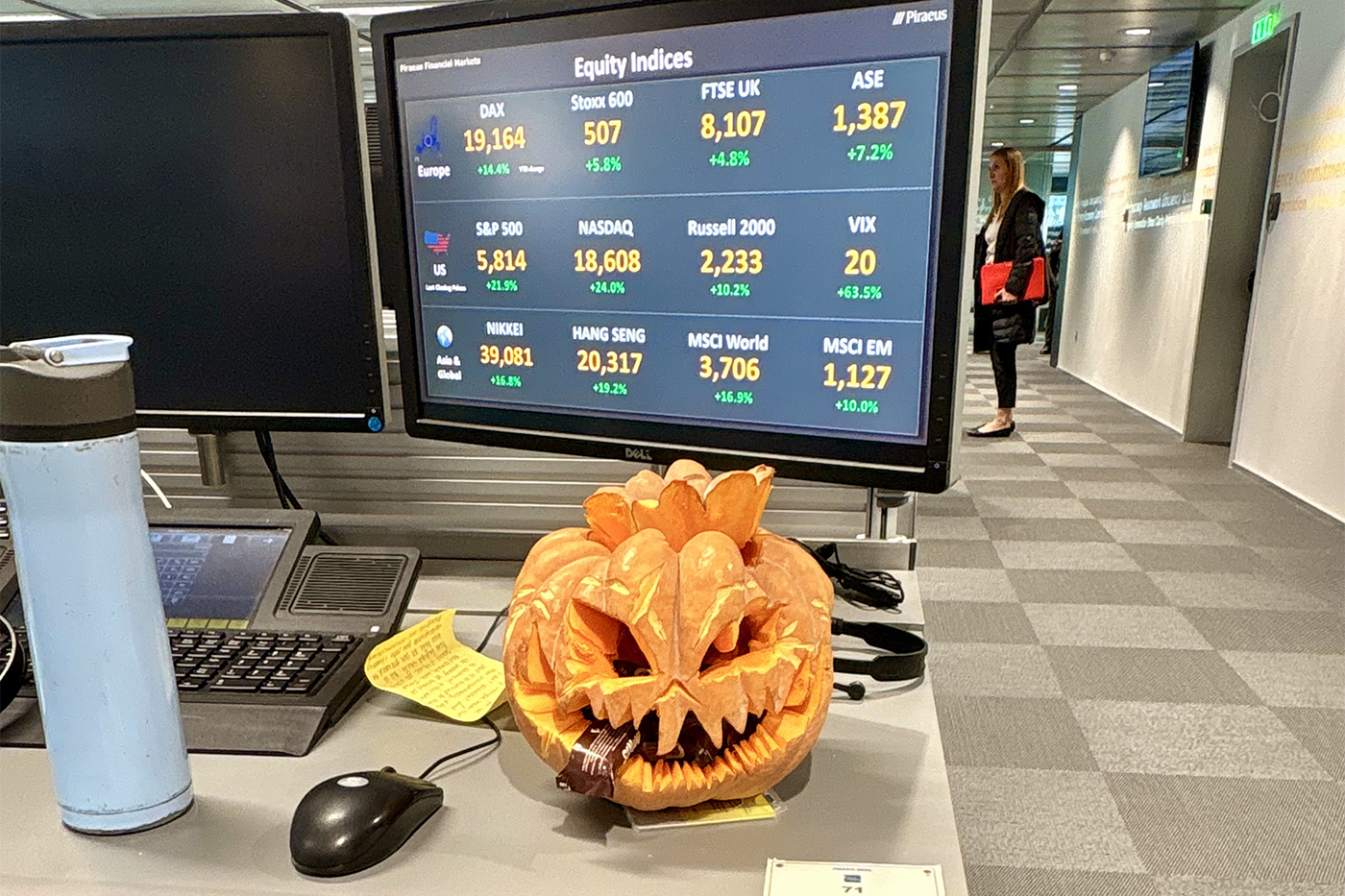
Introducing his bosses to the concept of a jack-o’-lantern.
“I was feeling very American and patriotic, and I decided I wanted to celebrate Halloween. So I found a pumpkin and carved it,” Frew said. “Everyone was like, ‘What is that?’ and the following day one of my bosses came in and he was showing me pictures of pumpkins he carved with his kids.”
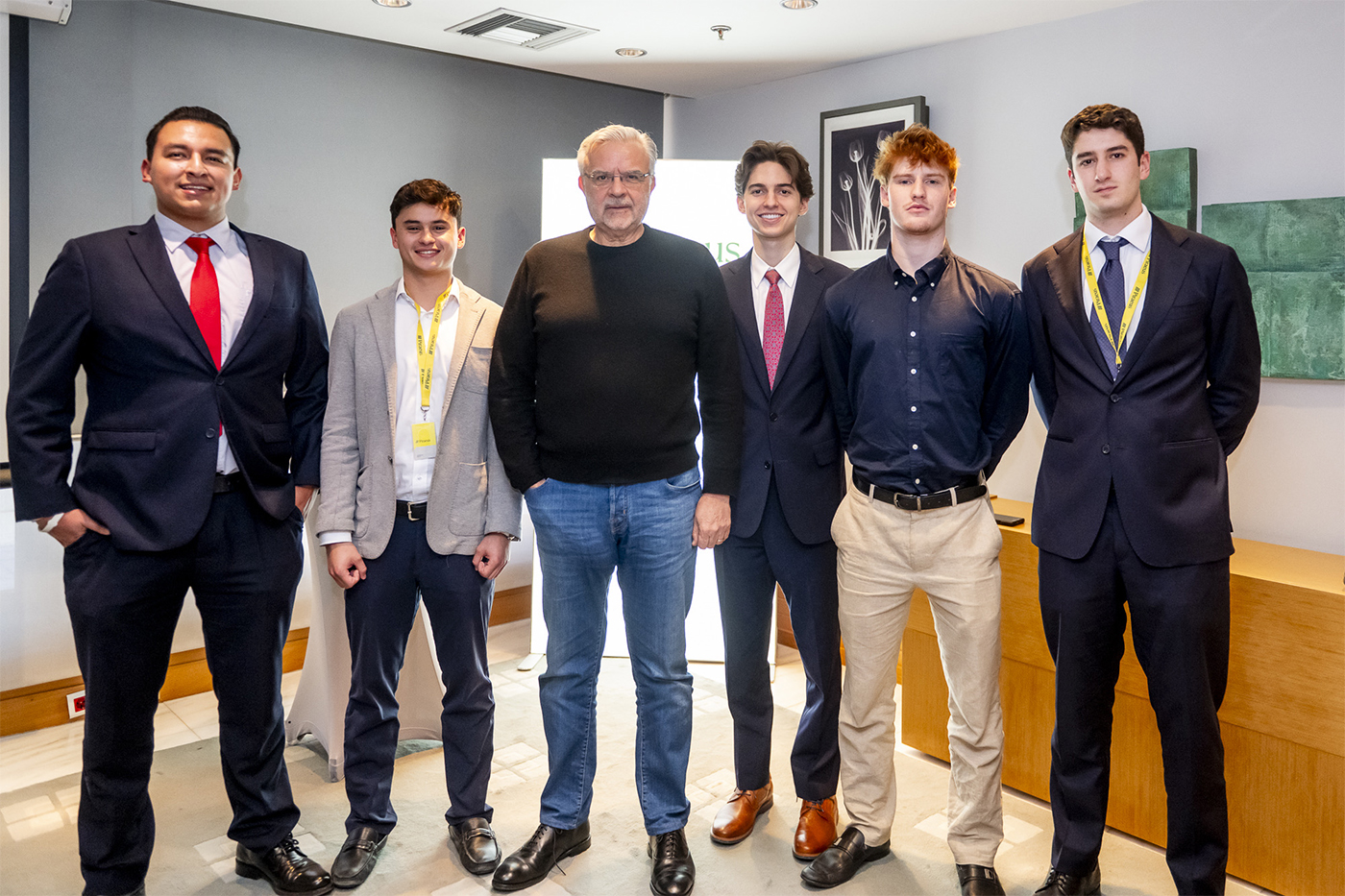
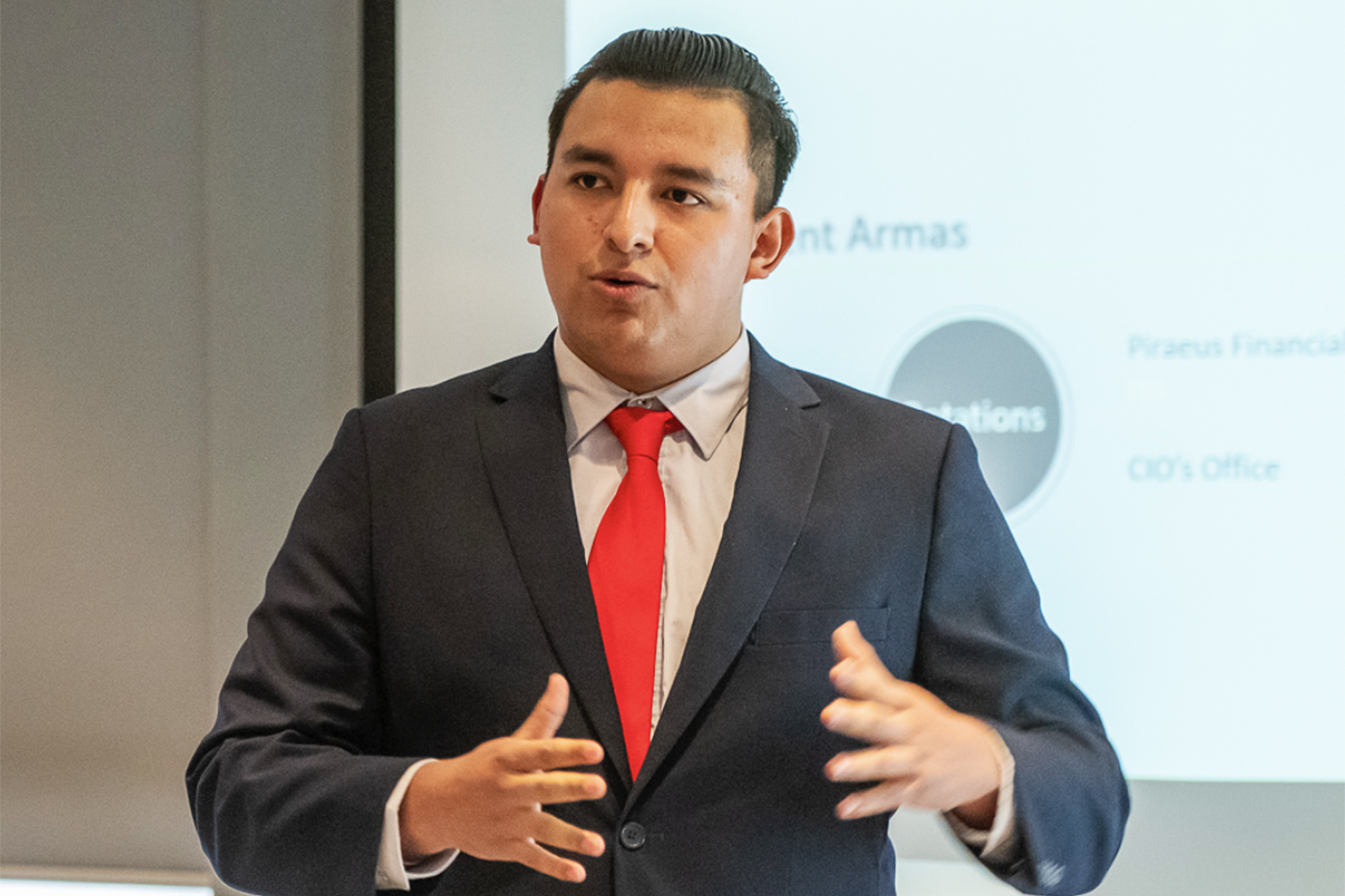
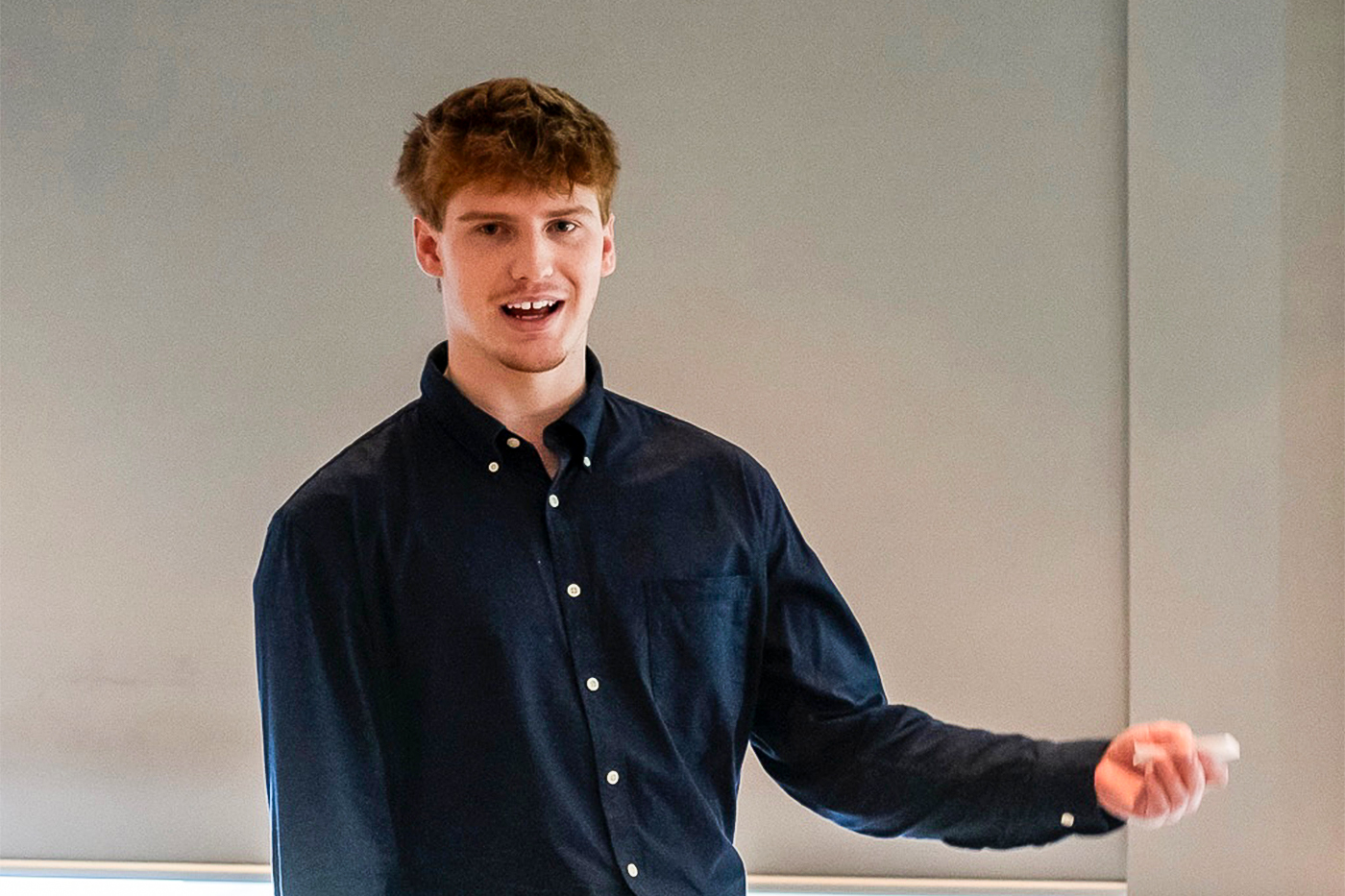
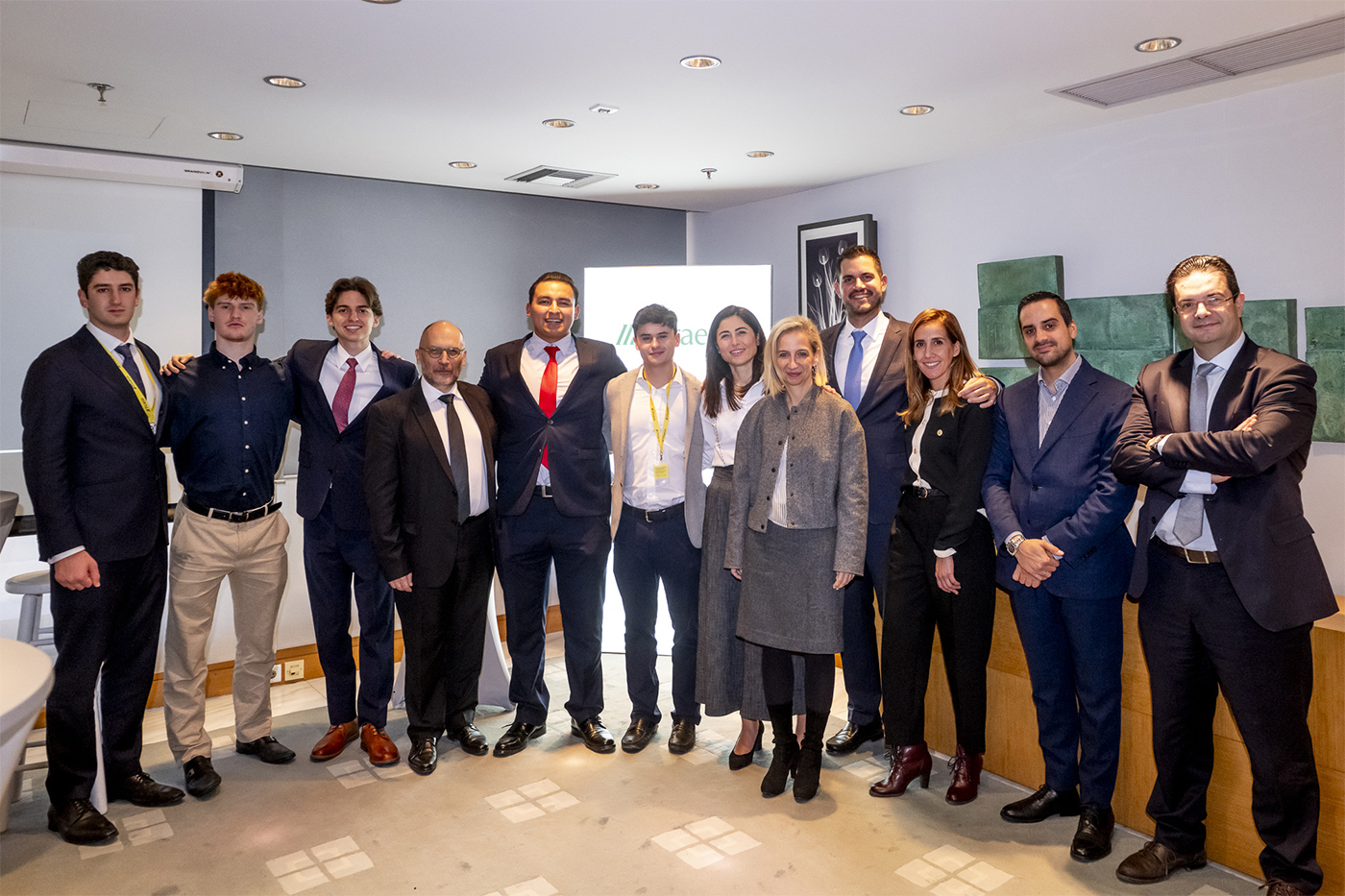
Frew is one of several Northeastern students who have completed a co-op with Piraeus Bank, the leading bank in Greece. Frew graduated from Northeastern with a bachelor’s degree in economics and business administration in April.
“It was a great experience overall — great city, great people, and a very strong culture at the bank,” said Teymour Younes, another co-op student. “I have nothing but positive things to say about both the team and the environment.”
Maria Nikolaou, who oversaw Frew on the markets team at the bank, said that the co-op collaboration with Northeastern is “a strategic investment in the bank’s international talent pipeline and knowledge transfer.”
“Even over a relatively short period, integrating students into core functions—across trading, treasury, and client-facing activities—adds tangible value,” Nikolaou said. “It brings diverse perspectives, strong analytical capabilities, and digital fluency into the organization. At the same time, it reinforces the bank’s global positioning and fosters meaningful cross‑border collaboration.”
Northeastern Global News, in your inbox.
Sign up for NGN’s daily newsletter for news, discovery and analysis from around the world.
One of the responsibilities Frew had during his first three months working in corporate investment banking was analyzing corporate loans, including a $60 million loan for a company to build hundreds of cellphone towers across Europe.
“I knew nothing about cell towers, so the task demanded that I spend a bunch of time researching the finance of cell towers and [their] engineering,” Frew said. “It was cool because I had to become a mini expert in something super fast.”
But Frew found that one of the cell tower company’s major clients was in trouble. The client had hundreds of millions of dollars in debt that they were unlikely to pay back and had lost 500,000 customers in the past year, Frew said.
He brought his concerns to a manager, who sat Frew down and walked him through various models to predict the impact of losing a major client might have on the loan.
“It didn’t look great,” Frew said. “We ended up saying, ‘no.’”
Frew spent the next three months in the “financial markets” section of the bank, rotating among different trading teams — “one team is trading bonds, one trading team is trading sovereign bonds, one team is trading foreign exchange, one team’s trading gold” — every week and doing market research.
Editor’s Picks


“Sometimes we even got to a point where we were able to do trades for the bank, which is something you would never see in an American bank,” Frew said.
In fact, just before the 2024 U.S. election, the bank gave Frew $1 million to use in currency trading, which is buying and purchasing different world currencies that the bank can use to lend to international clients. He decided to short the U.S. dollar and buy the Canadian dollar, predicting that uncertainty over the election outcome would cause the dollar’s value to drop and the value of a more stable currency to increase.
Frew was right, making $3,000 for the bank.
Frew described it as a small sum, but he did better than a peer who was shut down after losing $5,000 in 20 minutes.
“Everyone was just reeling on him on the floor,” Frew said, laughing.
“To have us lose a couple thousand dollars wasn’t a big deal for them,” Frew added. “But it’s fun to say they gave me a million dollars to trade and just said, ‘Go do whatever you want with this.’”
Perhaps the most unique opportunity of the co-op was a day when the students were able to shadow Piraeus CEO Christos Megalou.
Frew said that certainly doesn’t happen at most banks.
“Kudos to Piraeus Bank for doing all this for us,” Frew said. “It was an amazing experience, and I got to learn so much.”