Birds in an Ecuadorian cloud forest
3,000 miles from home, incoming Northeastern University junior witnessed the untamed nature of the Andes


As a constant mist covered the gnarled strangler fig trees layered in ferns and orchids, Northeastern University student Adrian Baez rolled off his cot, grabbed his binoculars and headed out on the Ecuadorian trail known as “the songs of dawn.” It was 5 a.m. As always, he skipped breakfast.
The chatter of bird songs and calls would soon start, but the sun wouldn’t rise for a little while yet at Los Cedros Scientific Station, just 25 miles north of the equator. The facility is homed on a 15,000- acre nature reserve about 4,500 feet above sea level in the cloud-shrouded Toisán mountains, on the western slopes of the Andes.
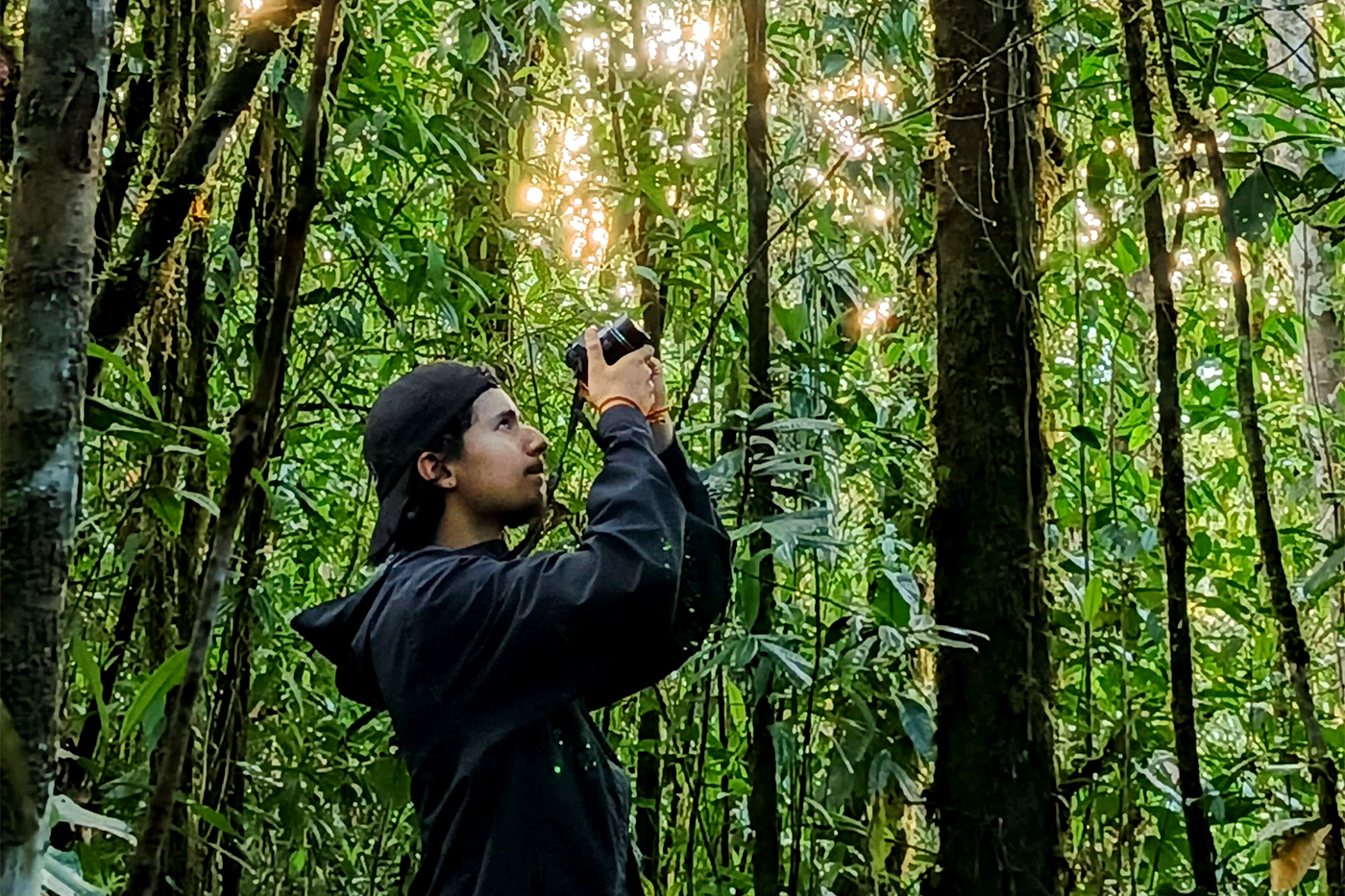
Baez, 20, embarked on the trail for 40 days to count and record birds for his university co-op, honing research skills amid the unique morning ritual. The incoming junior is working on his bachelor’s of science degree in marine and environmental sciences.
His self-designed project was unique, mentor and a research scientist at the station, Alex Baldwin, told Northeastern Global News by phone from Ecuador.
The purpose, Baldwin explained, was to compare the numbers and types of birds found in old forest growth to species found in new forest, replanted over clear cut logging and pasture areas.
The work was in line with the mission of the research station, which serves as the main center for studying and managing the ancient forest scientists say is eons old, spared from the last ice age. Station scientists conduct research on tropical biodiversity, host educational programs, and accommodate tourists and fellow researchers.
More than 160 peer reviewed papers have been published in scientific journals from work done at the station, including from visiting scientists, said Baldwin. He expects that Baez’s work will contribute to more.
On that day, as was the case each day, Baez scrambled from bird station to bird station, donned in a black-hooded rain coat, a perpetually soggy ball cap and knee-high rubber boots, covering more than a half mile or so winding through a 10-acre patch of forest.
Reflecting on how he spent much of the last semester, Baez recalled dumping water from his boots frequently, and plopping a folding stool in the mud.
“It was wet,” he said. “It was the rainy season.” He added that he didn’t mind because the “beauty of the birds was life changing, profound.”
Editor’s Picks





Baez paused for seven minutes at each stop and counted birds, recording their songs before he slogged over contorted, moss covered tree roots. He moved quickly to be at the next stop within three minutes to hit all his stops, working alongside the daily rhythm of birds for two hours.
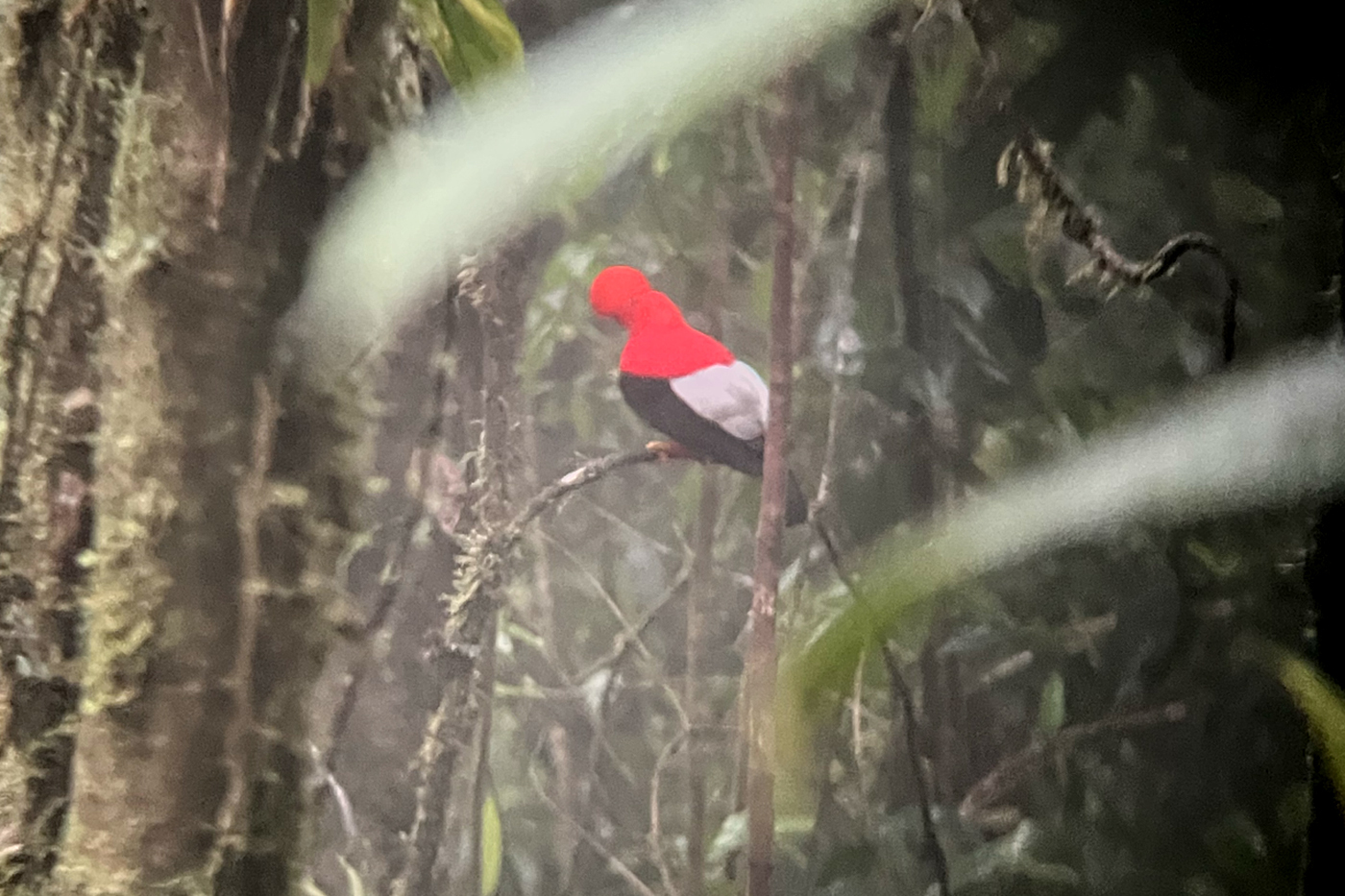
By the end of his time under the cloud and forest canopy, Baez had counted thousands of individual birds and logged 162 different species. Gartered trogons, choco toucans, flame-faced tanagers and Andean cock-of-the-rock birds were among the many he observed.
Baez said his work in the forests made him want to delve into public policy. He was at a crossroads between doing scientific research or focusing on policy work that would encourage communities and lawmakers to enact rules to better protect the forest and its native wildlife.
“I also thought of Ecuador because my father is from there,” he said. “I wanted to see the natural wonders there. It was heartbreaking to see bare patches where a forest used to be. It’s upsetting because I know what was lost.”
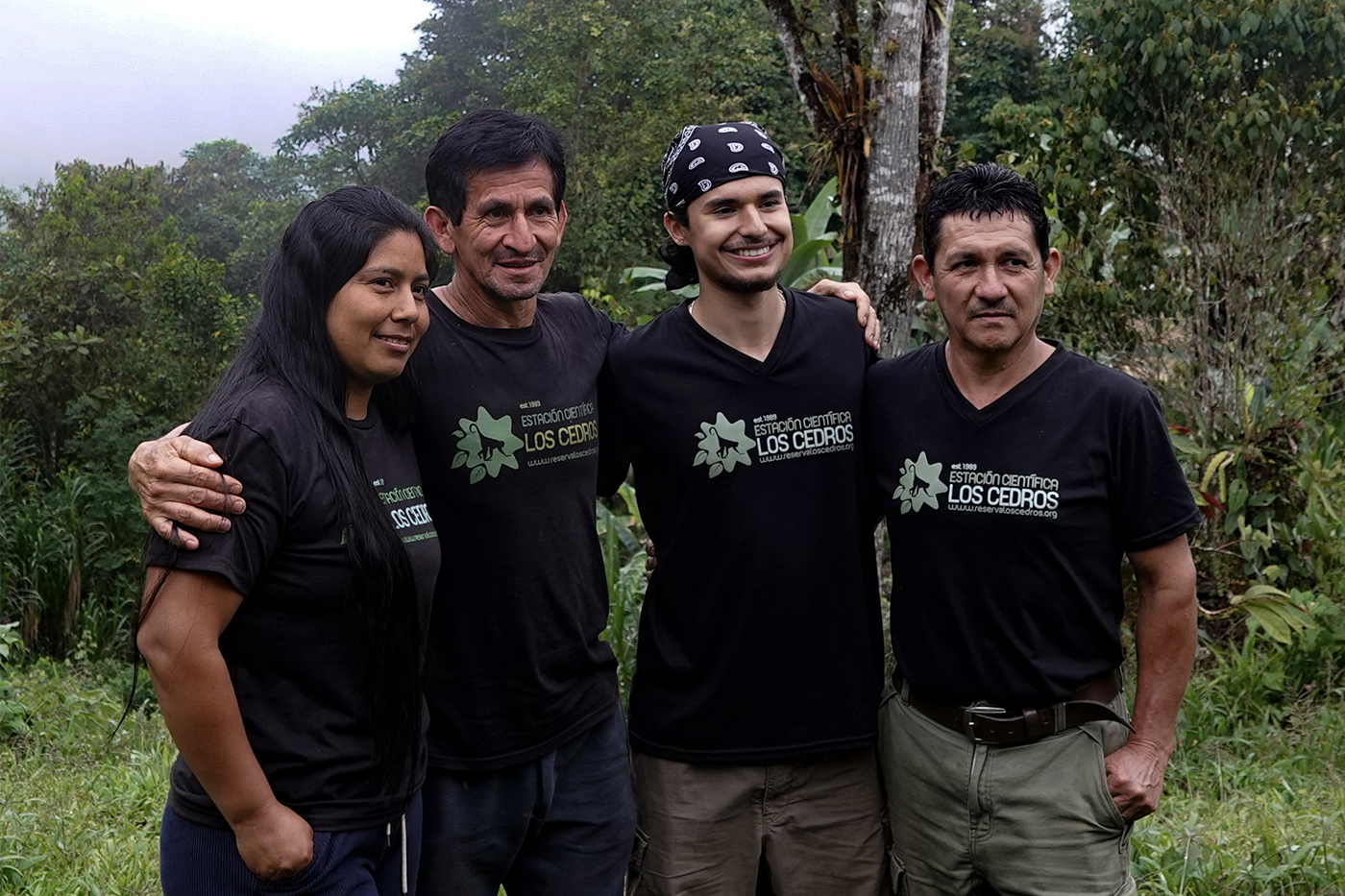
Baldwin said Baez served as his “research assistant and everyone loved him so much “we called him, ‘querido Adrian’ – beloved Adrian. He’d jump in and help with everything going on.”
Baez also helped build new trails to be used by bands of research scientists and tourists looking for rare birds to photograph, and supported Baldwin on research expeditions into the forest.
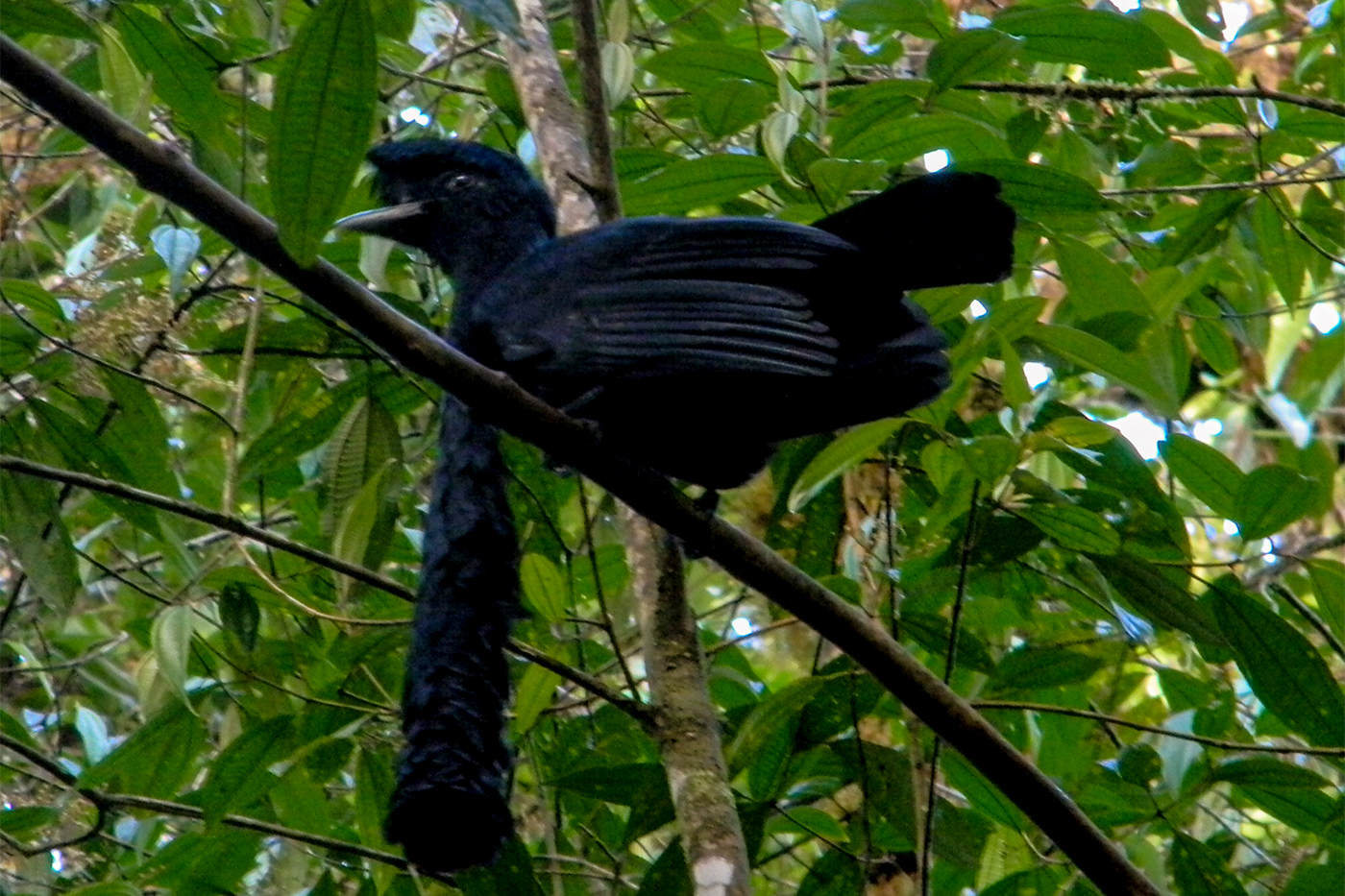
On one such trip, they traveled miles and made four river crossings to discover a lek – the mating ground of the rare long-wattled umbrellabirds. The black bird, about 16 inches tall, is a once-in-a-lifetime find for many bird enthusiasts.
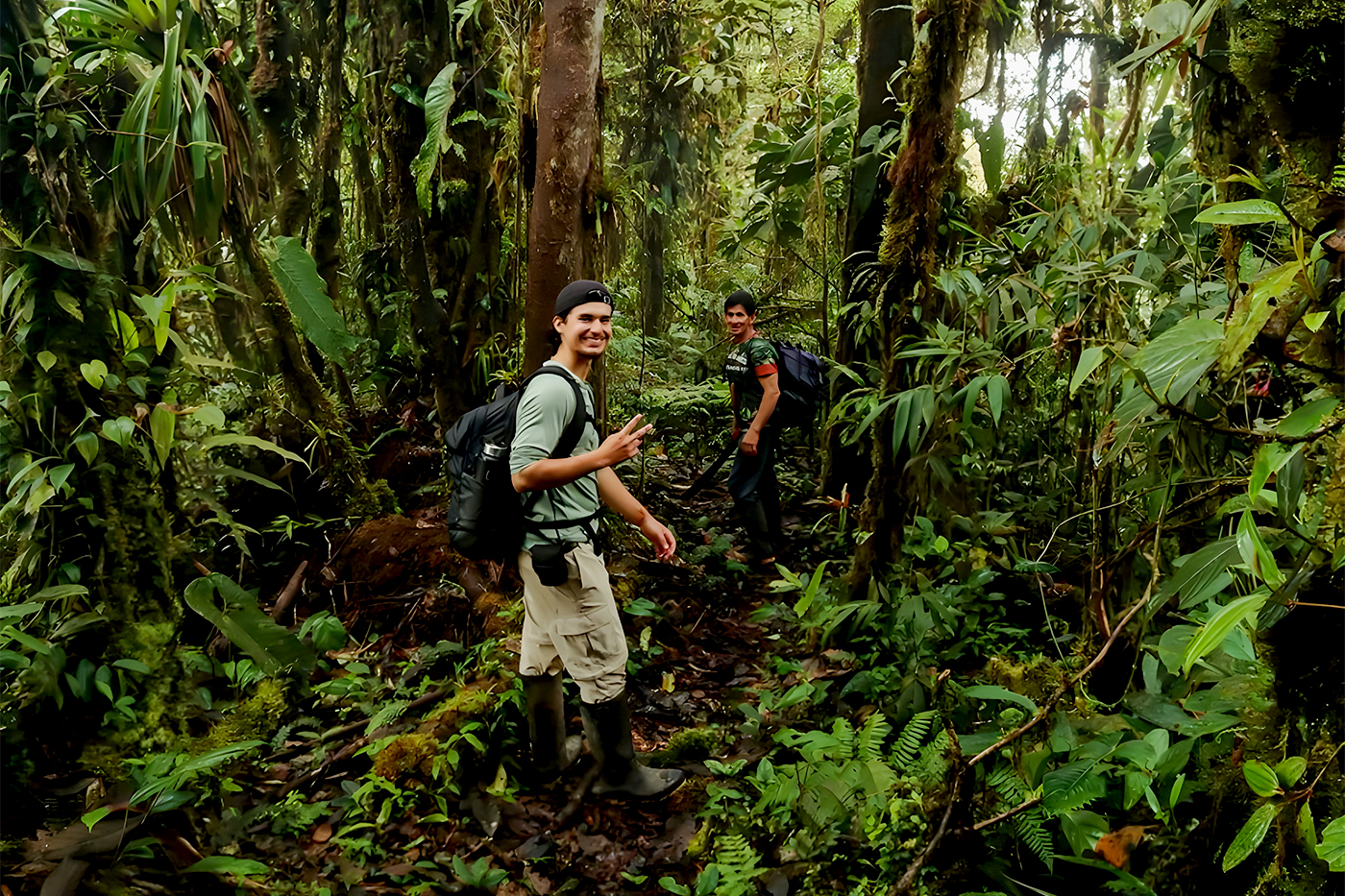
Anne Randall Hughes, a professor in Northeastern’s department of Marine and Environmental Sciences who taught him, said Baez’s work shows a lot of promise.
“From the first, I was impressed with Adrian’s curiosity and how he took all the information in,” she said. “He wanted to know how things worked, not just what it takes for a good grade.”
He worked with a small team that gathered sea grass seeds along the eastern U.S. coast. They then planted the seeds in a climate change experiment in a greenhouse to gauge how increased heat affected the plants growth.
She said he showed patience and the curiosity needed to become a professional scientist.
Baez described the facility he worked at as being, “at the crossroads of field research and policy. They are trying to tell people what is there and what could be lost,” he said.


