From flamenco dancers to nuns, Northeastern journalism students capture the heart of Spain
A group of Northeastern journalism students traveled to Spain as part of a month-long study abroad experience, where they captured the country’s culture, history and people for Boston’s local news program Chronicle.


Sitting in the back of a pickup truck that bounced up the side of a mountain toward a Spanish pig farm, Darin Zullo found it hard to believe that only a few weeks ago he had never been outside the U.S.
Within the span of a month in summer 2025, Zullo had transformed into a pavement-pounding reporter who was now comfortable enough traveling alone in a rural part of Seville. He also wasn’t the only one. Zullo was part of a team of Northeastern University journalism students who essentially functioned as a traveling press corps during a month-long study abroad program known as a Dialogue of Civilizations.
“I think the more reporting experience you get, the more you get an intuition for how to find the pulse of an environment,” Zullo said. “That’s true anywhere, and that was true in Spain as well.”
Led by investigative reporter and Northeastern professor Mike Beaudet and Northeastern Spanish lecturer Yanet Monica Canavan, the students reported on everything from flamenco dancers in Madrid to Spain’s plummeting birth rate. More than just a class project, their work became the centerpiece of “Exploring Spain,” a four-segment entry in the award-winning magazine-style TV news program Chronicle, which airs on Boston’s WCVB-TV, where Beaudet also works as a reporter.
“Exploring Spain” captured not only the heart of Spain but also awards for the reporters involved. It was nominated for a 2026 New England Emmy Award, and earned New England Student Emmy Awards for seven Northeastern journalism students, including Zullo.
“It’s thrilling to see that,” Beaudet said. I’m just so proud of them.”
To prepare students for the four-week Dialogue program in 2025, Beaudet and Canavan took a two-pronged approach.
Northeastern Global News, in your inbox.
Sign up for NGN’s daily newsletter for news, discovery and analysis from around the world.

Canavan foregrounds cultural knowledge before arriving in Spain through class sessions and research projects focused on specific areas of Spanish society and history. Once on the ground, students work to find stories, cultivate sources, film, edit and produce video stories on their own. They produce their own stories for the Dialogue that get published on a website designed for the program while also reporting and shooting video assignments for Chronicle.


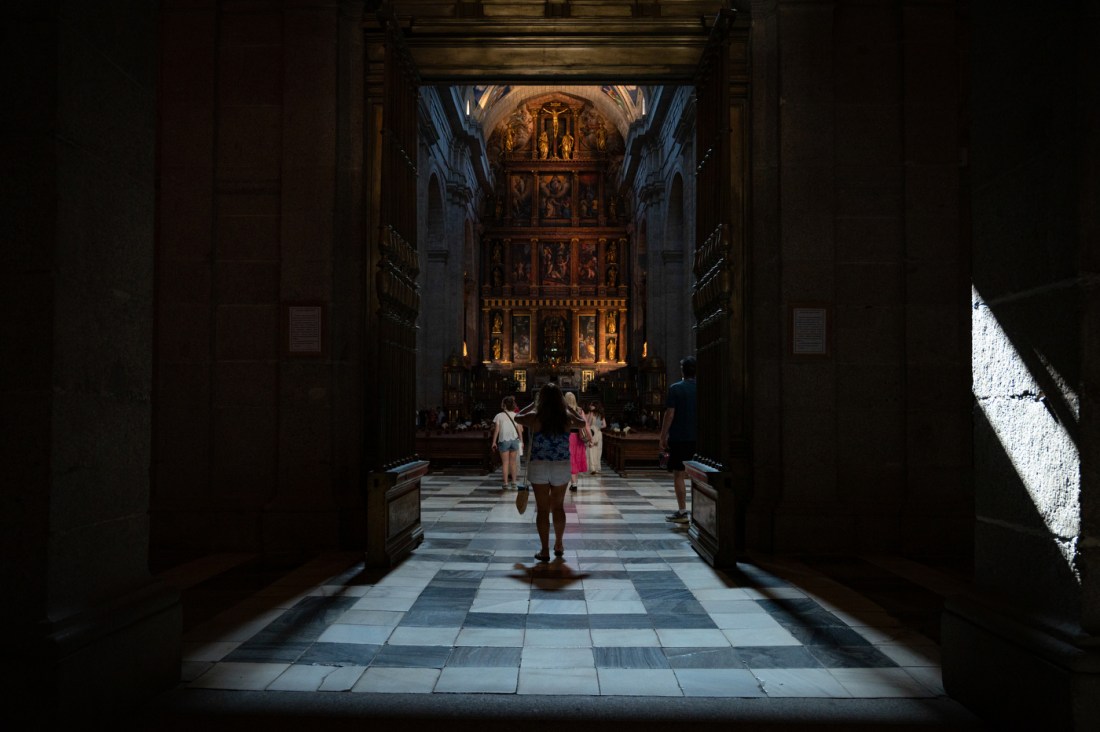

The group traveled to three Spanish cities, each of which served a different purpose. In the capital city of Madrid, students encountered a vibrant, modern Spain with global connections. In Seville, located in southern Spain, they experienced traditional flamenco dance and the Islamic influence of the Moors through excursions to historic sites. In Salamanca, one of the oldest cities in Europe, they saw living history in the architecture that ran throughout the city. Canavan also led the group on excursions beyond these cities, to the historic city of Segovia and its Roman aqueduct and to the Alhambra, a sprawling palace and fortress in Granada.
“In each city, we had site visits, we had interviews, we had a lot of interaction with locals and the community,” Canavan said. “So, when the students report with Mike, they’re not inventing stories. They [work] from what they really lived in Spain.”
Beaudet also divided the 16 students into four groups, each working on a Chronicle segment focused on a broad topic: food, tourism, history/culture and the students’ own experiences reporting in Spain. Students spent the first week pitching potential stories, both for Chronicle and for their individual Dialogue stories. Chronicle executive producer Julie Mehegan even joined their class virtually to hear pitches and provide feedback.
The stories that students ultimately produced covered the food and music that Spain is known for, but also the corners of Spanish society that most people never see.

For instance, they reported on the nation’s more than 8,000 cloistered nuns, who often seclude themselves but make and sell confectionery like marzipan to support their convents. The students tackled Spain’s low birth rate, which for eight consecutive years has fallen below the country’s death rate, causing concern about the European Union’s replacement rate. The students even cast a spotlight on Chueca, a neighborhood in Madrid that has long served as a safe haven for the majority Catholic city’s queer community.
These trips are challenging and intense, admitted Beaudet. But by the end, both he and his students come out with the story, or stories, of a lifetime.
Editor’s Picks



“I do feel like these month-long experiences are so unique and you can have students in a Dialogue for a month and feel like you’re bonded with them forever,” Beaudet said. “It is a great example of how if you work together and support each other and really try to help people get through any roadblocks, you can be a tight team and really produce quality work.”
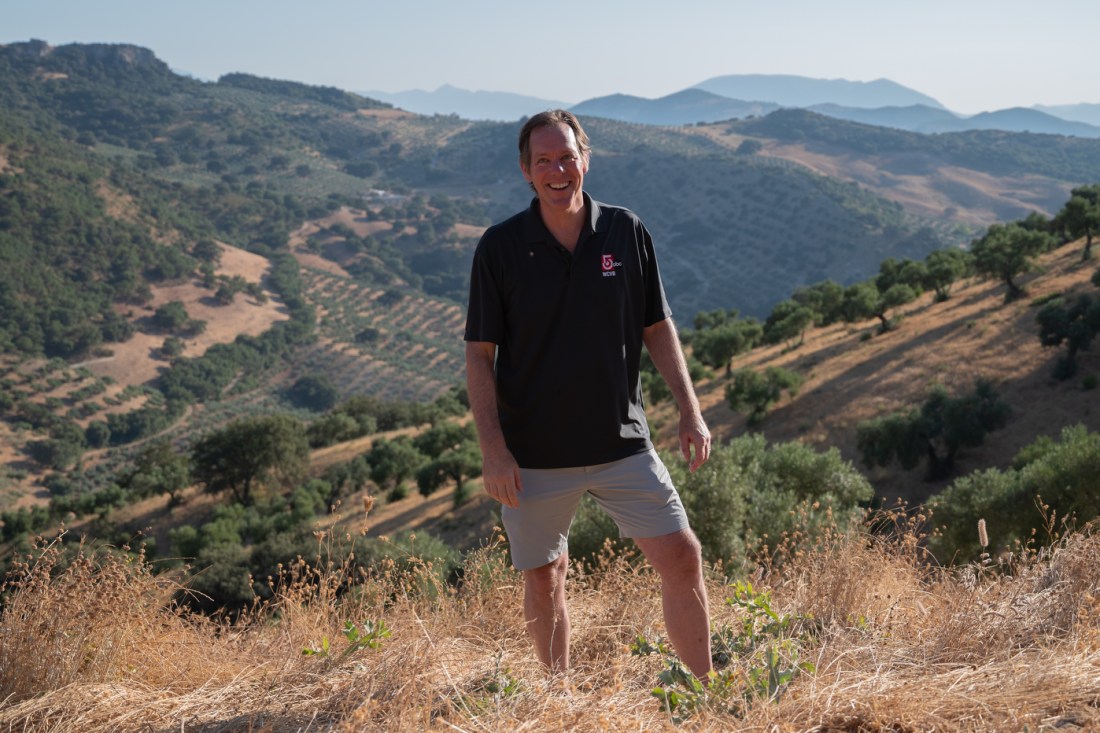
During her time in the Dialogue program, senior journalism and criminal justice student Azalea Murray co-produced a story about jamón, a kind of cured ham and source of national pride. She chronicled the longstanding and laborious process that goes into making jamón by profiling Antonio Marin, the veterinarian and third-generation farmer behind the La Umría de Ibérico Ecológico pig farm that sits on that mountain an hour outside of Seville. The same story formed part of Chronicle’s Spanish gastronomy segment and earned Murray an Emmy.
Murray said reporting in a new country forced her out of her comfort zone and also gave her a deeper understanding of Spain.
“There would be small, little projects that would require us to talk with strangers around the country, and I feel like even doing stuff like that, we were able to get a better sense of the community overall, better than what I would get if I came to Spain by myself, without the backing of Northeastern,” she said.