This Seattle student org explores the world of nonprofits
Agents of Social Impact hosts workshops and volunteer events around Seattle to help students understand where they live and what career paths might be possible to help their community.

Thanks to industry giants like Starbucks, Amazon and Microsoft, Seattle has become synonymous with jobs at corporate behemoths. Many students at Northeastern’s Seattle campus may even have dreams of taking their skillsets to one of those multi-billion dollar companies.
With those big names looming in the area, students may not know that local nonprofits are also a viable space for careers. One group is hoping to open students up to that option.
Agents of Social Impact (ASI) aims to expose students to career possibilities in the nonprofit and public sectors as well as to different social issues facing the city through professional development workshops and volunteer opportunities.
ASI was founded in 2024 by Steffi Benjamin and Denise Ramirez, who were both studying in Northeastern Seattle’s master’s in project management program, when they noticed there weren’t any student organizations on that campus dedicated to exploring these fields.
Northeastern Global News, in your inbox.
Sign up for NGN’s daily newsletter for news, discovery and analysis from around the world.
Benjamin and Ramirez have since graduated, passing the torch to a new generation of leaders who are carrying on ASI’s mission. The group has grown from 10-12 people to about 50 members who rotate through any given volunteer or workshop event, according to the organization’s leaders. Now, when you mention “ASI” on the Seattle campus, people know what you mean without needing an explanation, Jyoti Karna, a master’s student in project management who is now the president of ASI, told Northeastern Global News.
“We’re at a stage now where pretty much everyone on campus knows about the student interest group,” said Karna, who graduates this spring. “Some of the feedback we’ve gotten is that we really need more of these [types of activities] on campus.”
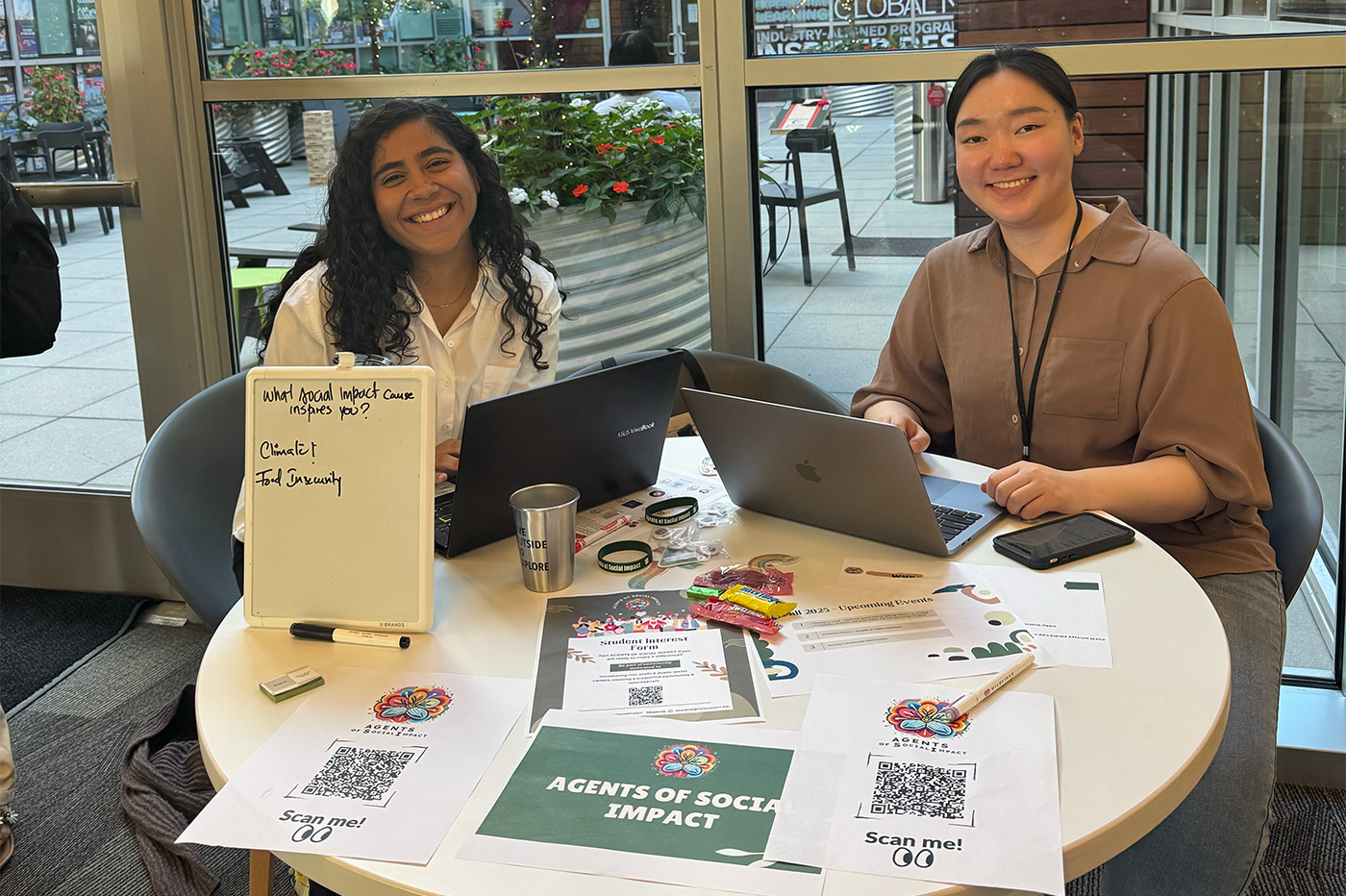
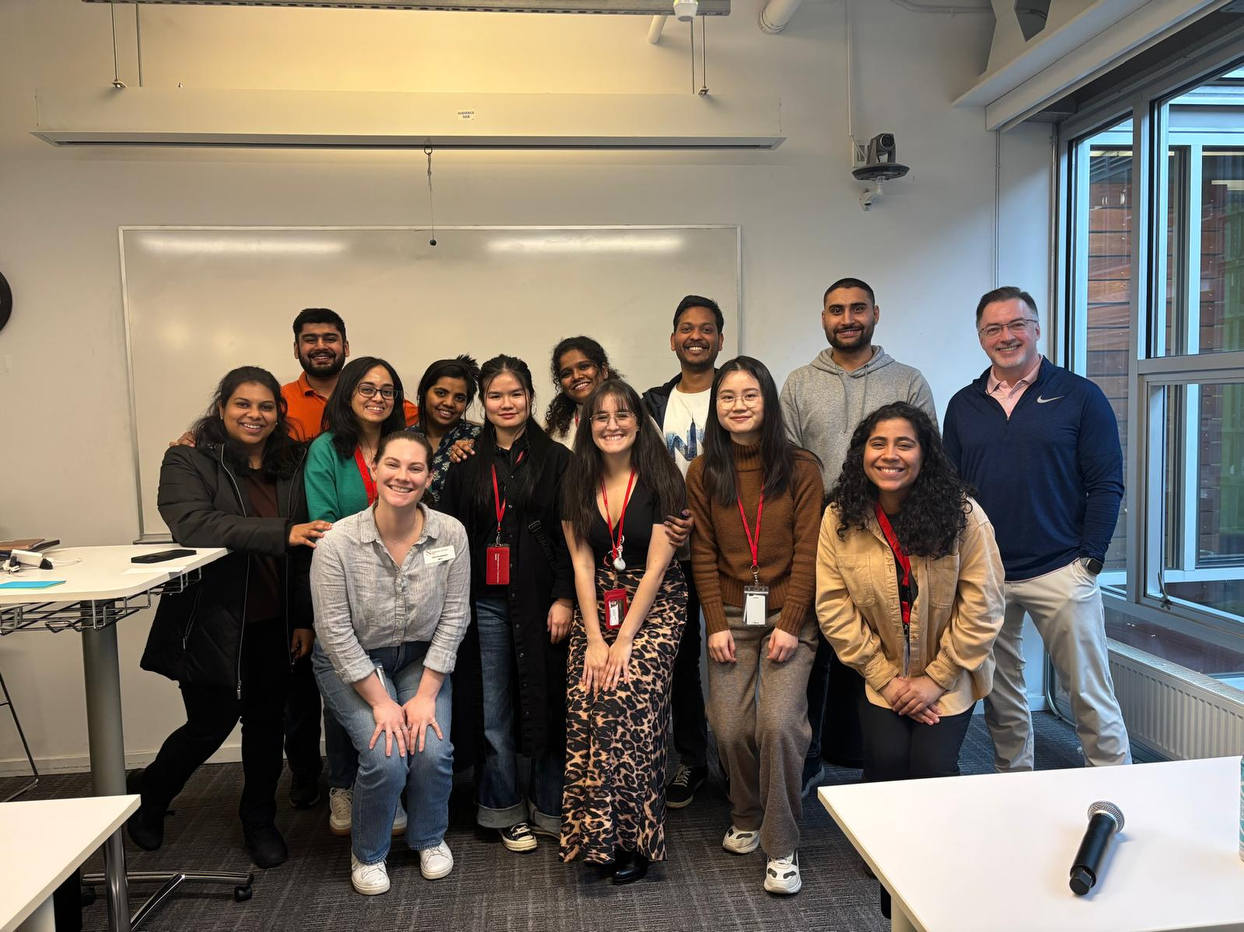
Karna, 34, said one component of ASI’s work is hosting career development events. These might be conversations with local nonprofit leaders or workshops on transferable skills, to help students gain an understanding of what paths might exist for them in this sector. Afterwards, attendees said they weren’t aware that software engineer or project management roles existed in nonprofits.
“It’s bridging that gap,” Karna said.
As it grows, ASI is focused on bringing students to events around Seattle so they become involved in the community. Recently, the group attended a chat focused on AI and sustainability, where they spoke with people within the climate and food tech spaces, and made contacts within that industry.
Editor’s Picks


ASI also holds inclusion-focused workshops to educate members on topics like invisible disabilities and neurodiversity. It’s something Ana Gomez, ASI’s PR and marketing lead and a project management masters student, said she remembers being important to Ramirez, as she had an invisible disability that required the use of a service dog. The workshops teach students what it might look like moving through the world with conditions that aren’t visible to others but impact the way people work.
“There is a lack of knowledge and we wanted to bring students in and create that space for (educating) them,” Gomez, 29, said.
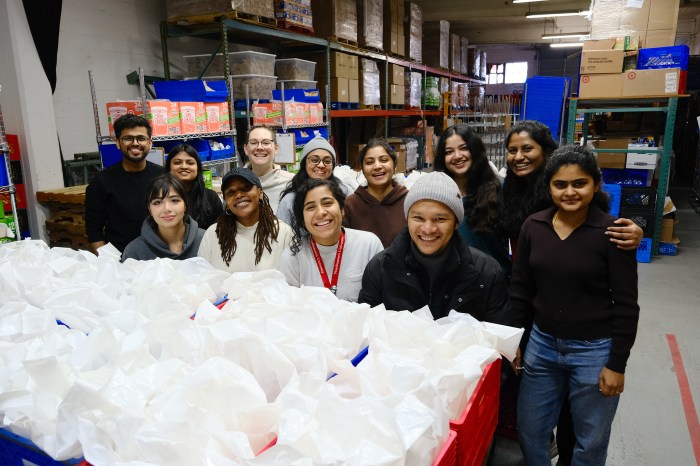
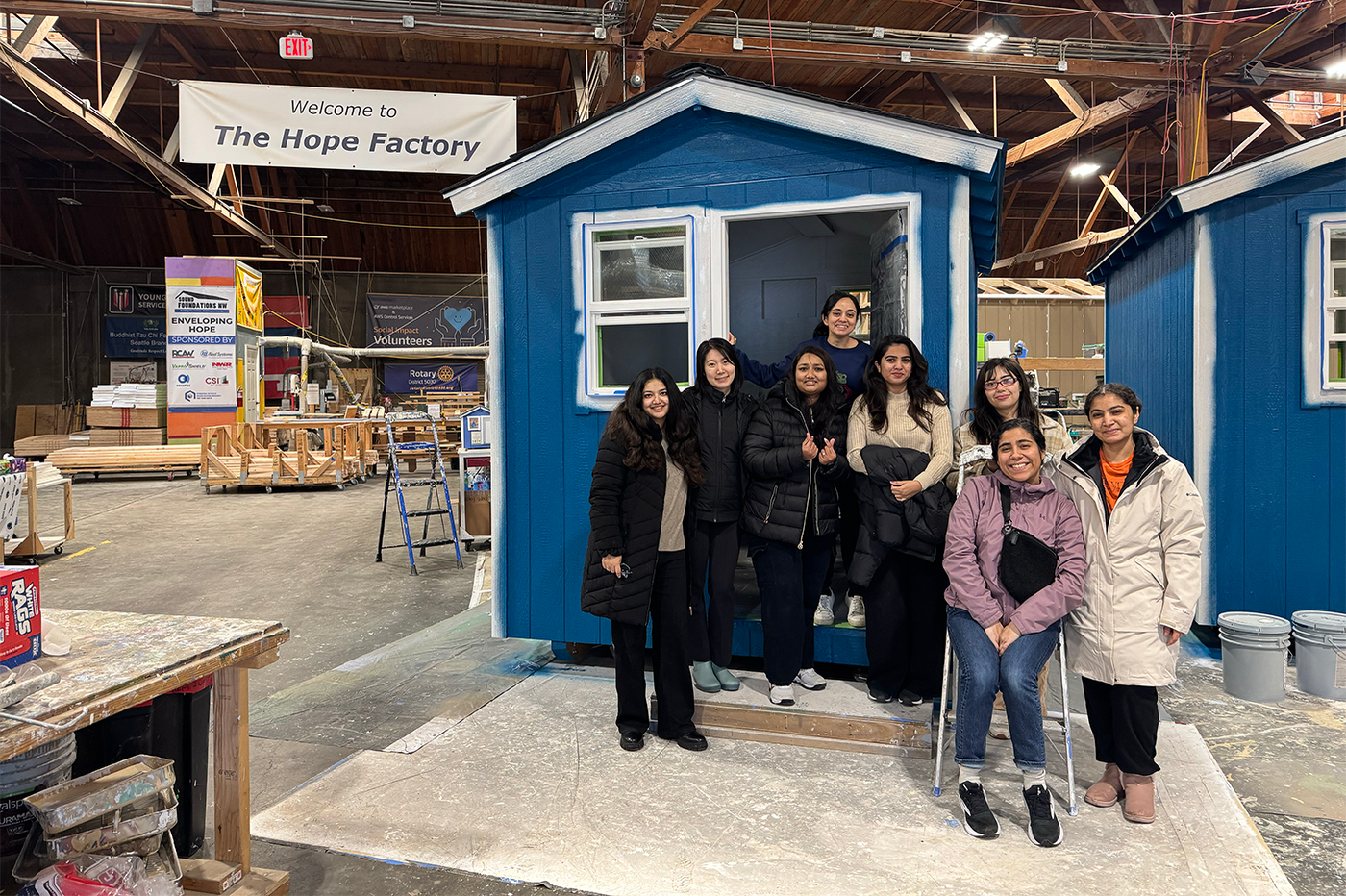
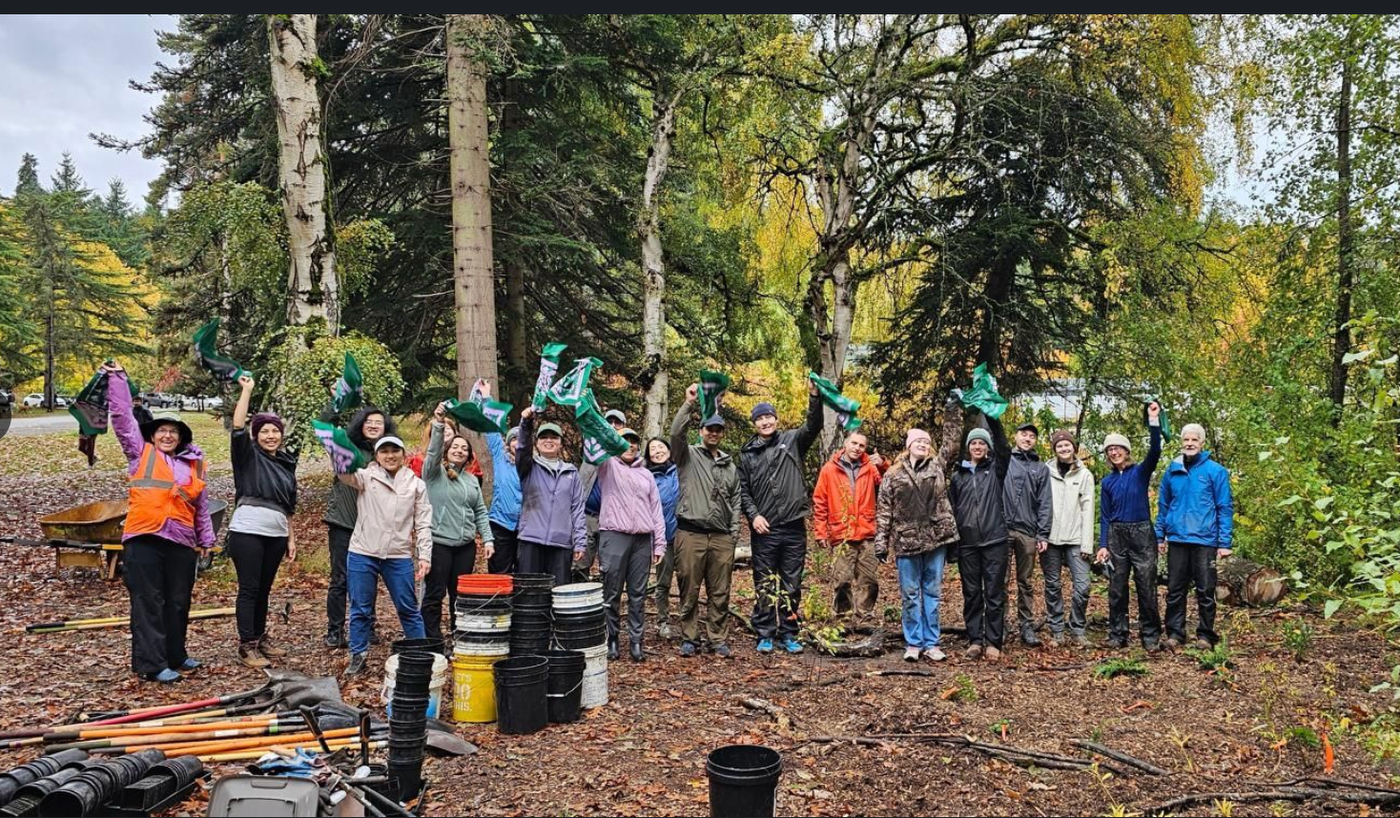
The other component is volunteering. Students involved in ASI give their time once a month to a local community organization. This ranges from planting pollinator plants in public spaces with the US Army Corps to visiting the local Low Income Housing Institute’s warehouse where they build tiny home shelters for unhoused people.
This helps students see what kind of work nonprofits perform in the area, not only for their own potential career path, but also for their own personal development.
“It’s a way for students to understand the socioeconomic situation in a place they’re living,” Karna said, adding many of the students who join are international students living in the U.S. for the first time. “Most international students come with an idea of what America looks like, so it’s taking [them] to different settings that make them aware of the country they’re living in,” she said.
The group would also like to see its presence expand to other campuses.
“It’s a good opportunity for other campuses to bring students together,” said Gomez. “It’s about giving back and understanding the culture of the city we are in.”