The US and Mexico teamed up to take down a notorious cartel leader. But will this reduce drug trafficking over the border?
The cartel reacted to the killing with violence that swept across Mexico.


Mexico’s Defense Department announced on Feb. 22 that they successfully executed an operation that resulted in the death of Nemesio Rubén Oseguera Cervantes, otherwise known as “El Mencho,” who was head of the powerful drug cartel Jalisco New Generation Cartel (CJNG).
The operation was carried out with intelligence support from the United States, according to White House Press Secretary Caroline Leavitt, and represents a major blow to CJNG. The Mexican Defense Department said that troops killed seven people during the operation, including Osguera Cervantes, who was wounded and died later in custody. Mexican troops also arrested two others and seized armored vehicles, weapons, rocket launchers and other arms.
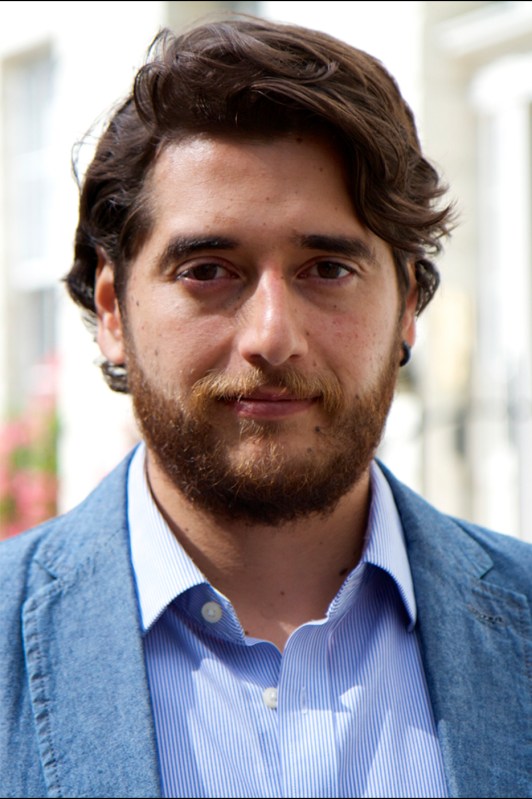
The operation was a “well executed” operation between the two nations, Pablo Calderon Martinez, an associate professor of politics and international relations told Northeastern Global News (NGN). “There seems to have been real collaboration between governments and particularly between intelligence collaboration which I think is very, very important,” Calderon Martinez added. “It’s the way these things should work. It’s a pivot from the previous strategy that we’ve seen with the previous administration in Mexico. We’re returning to this kingpin operation, this idea of catching the real big names.”
Eliminating drug traffickers and reducing the trafficking of narcotics into the United States is a priority of the Trump administration, according to Leavitt. The U.S. Customs and Border Protections reported that they seized 256 thousand pounds of drugs at the southwest border in the 2025 fiscal year, including 11.5 thousand pounds of fentanyl. The DEA also reports that fentanyl is the leading cause of fatal overdoses nationally.
Not only was he the leader of one of the top drug trafficking organizations in the world, “El Mencho” was also “one of the top traffickers of fentanyl” into the U.S., Leavitt said. Prior to his death, the U.S. Drug Enforcement Agency offered up to $15 million for his capture.
On Mexico’s end, Calderon Martinez said the strike sends a message about security in the country, especially ahead of it hosting some of the soccer matches of the 2026 FIFA World Cup.
“That was a key issue here,” he added. “[CJNG] was seen as an organization and a figure that was challenging the states and you can’t have that. It’s a big, big hit against this organization.”
While his death is a win for both the Mexican and American governments, it might not actually reduce the amount of drugs trafficked to the U.S., Northeastern University experts told NGN.
“[W]e still have a 2,000-mile land border whichever way you want to put it,” Calderon Martinez said, adding, “It’s the busiest border in the world; there is no border that comes even remotely close to the amount of goods, people and services that move across.”
Calderon Martinez added that, “As long as there is so much money to be made with the drug trade—and we are talking here about multi-billion dollar corporations— that’s not going to stop.”
Editor’s Picks


In response to Osguera Cervantes’ killing, Mexican authorities said the cartel has burned cars and blocked the roads at more than 85 points throughout several different Mexican states. The government recommended people stay inside on Sunday as the violence unfolded and several schools canceled classes as a precaution, although the violence has since been resolved, Mexican President Claudia Sheinbaum said on Monday.
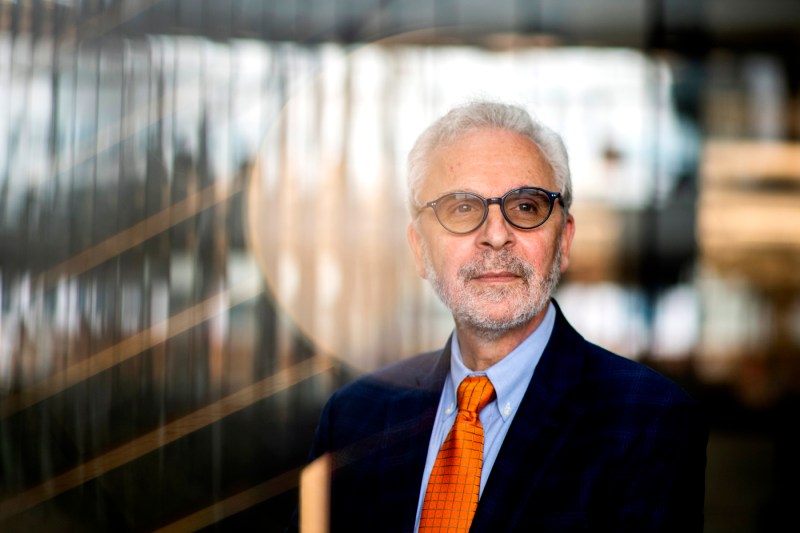
“The drug traffickers are making a point,” said Nikos Passas, a professor of criminology and social justice at Northeastern. “It’s an expressive demonstration of their displeasure with what happened. This is an intimidation and show of force. The more it makes headlines, the more it makes their point.”
Passas predicts this is not the end for CJNG, that they will likely find a new leader to continue their trafficking enterprise.
In order to make a real impact on drug flow, he said Mexico would need to address the underlying issues that allow this criminal enterprise to thrive, such as the demand for narcotics and the economic conditions that make people willing to work for cartels.
“The problem is not one leader,” Passas said. “The problem is that you have a whole illicit economy that is made up of all these structural components. Killing a leader makes headlines, but it doesn’t make for a durable reduction of illicit flow.”


