Oakland student government candidates’ all-analog campaigns produce largest-ever voter turnout
The candidates credited the high engagement to a novel ban on social media campaigning, forcing them to use old-school, analog methods to reach their fellow classmates.


OAKLAND – Walls, pillars and bulletin boards on Northeastern University’s Oakland campus were steadily taken over in recent weeks by masses of colorful campaign flyers designed by the newest cohort of student government hopefuls.
It’s election season for the class of incoming Oakland first-year students, and just days after moving into their dorms and beginning classes, a fresh flock of more than 30 candidates wasted no time spreading their political messages to attract voters. Campus leaders said the energy, motivation and community engagement from this 2026 Associated Students of Northeastern University (ASNUO) cohort resulted in the largest-ever voter turnout – 384 total votes, or more than a third of the campus’s record-size student population.
ASNUO serves as the voice of the undergraduate and graduate student bodies on the Oakland campus, and comprises several positions, each with its own responsibilities, such as finance chair and co-presidents of engagement and operation.
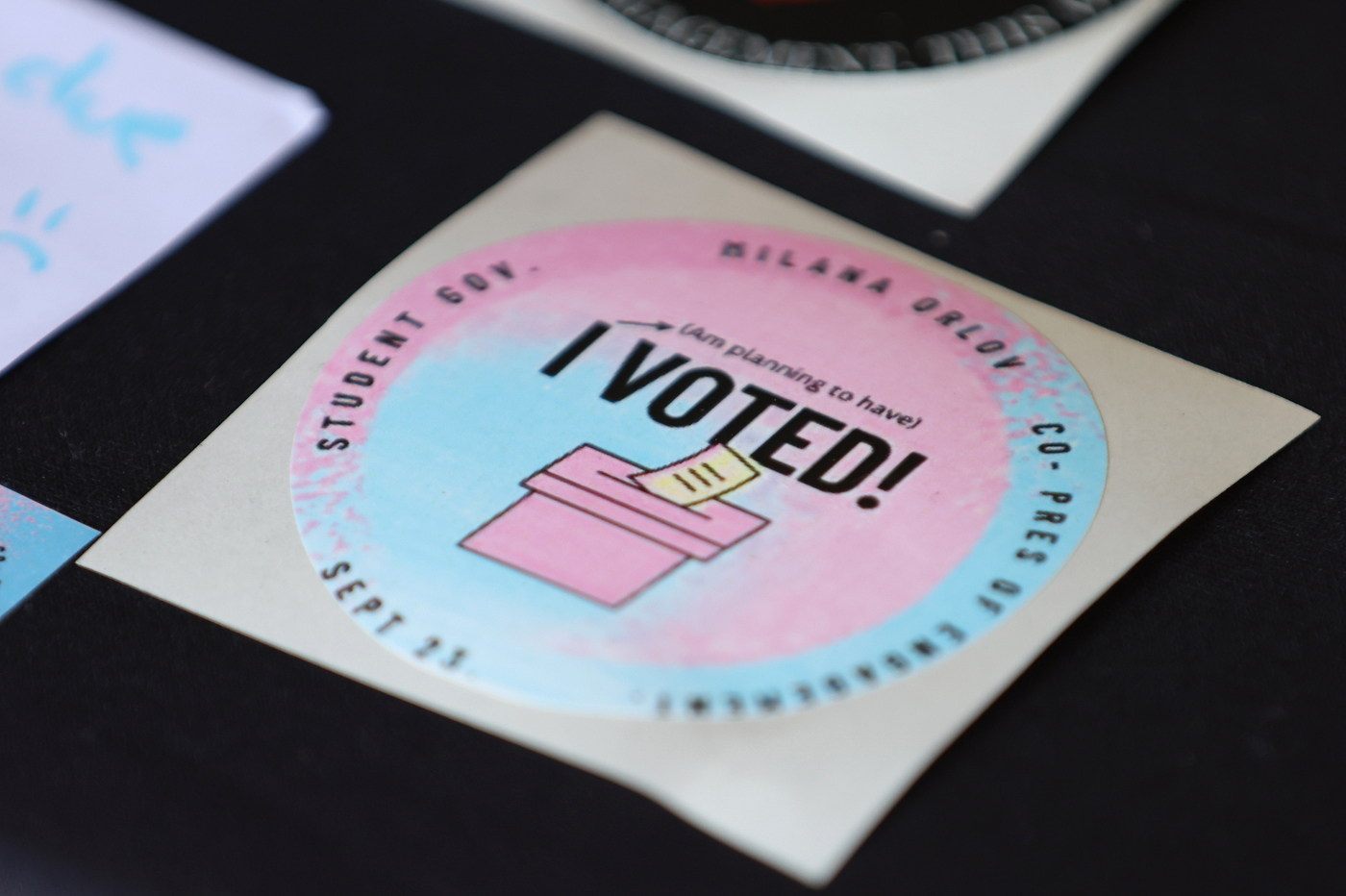
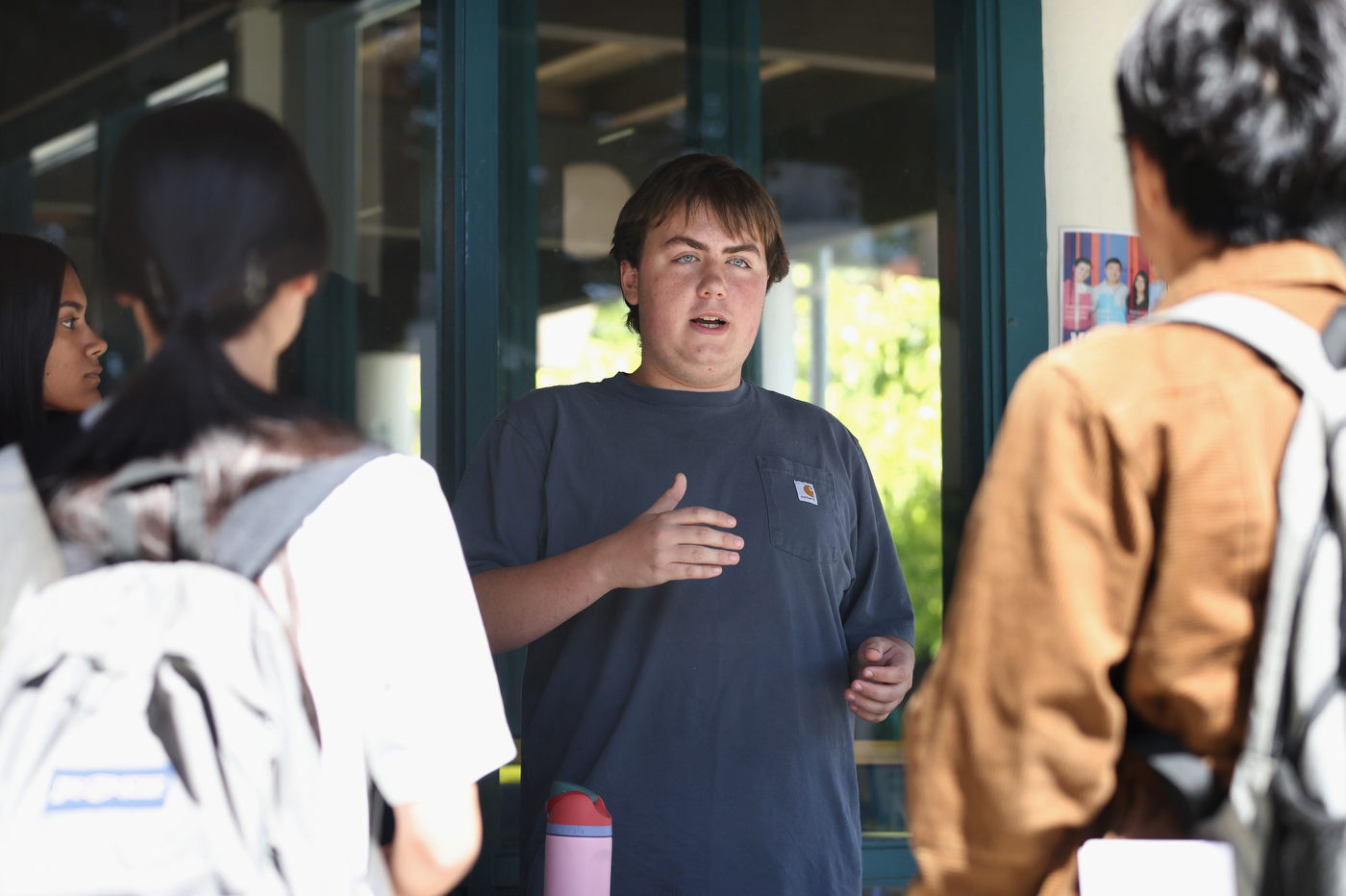
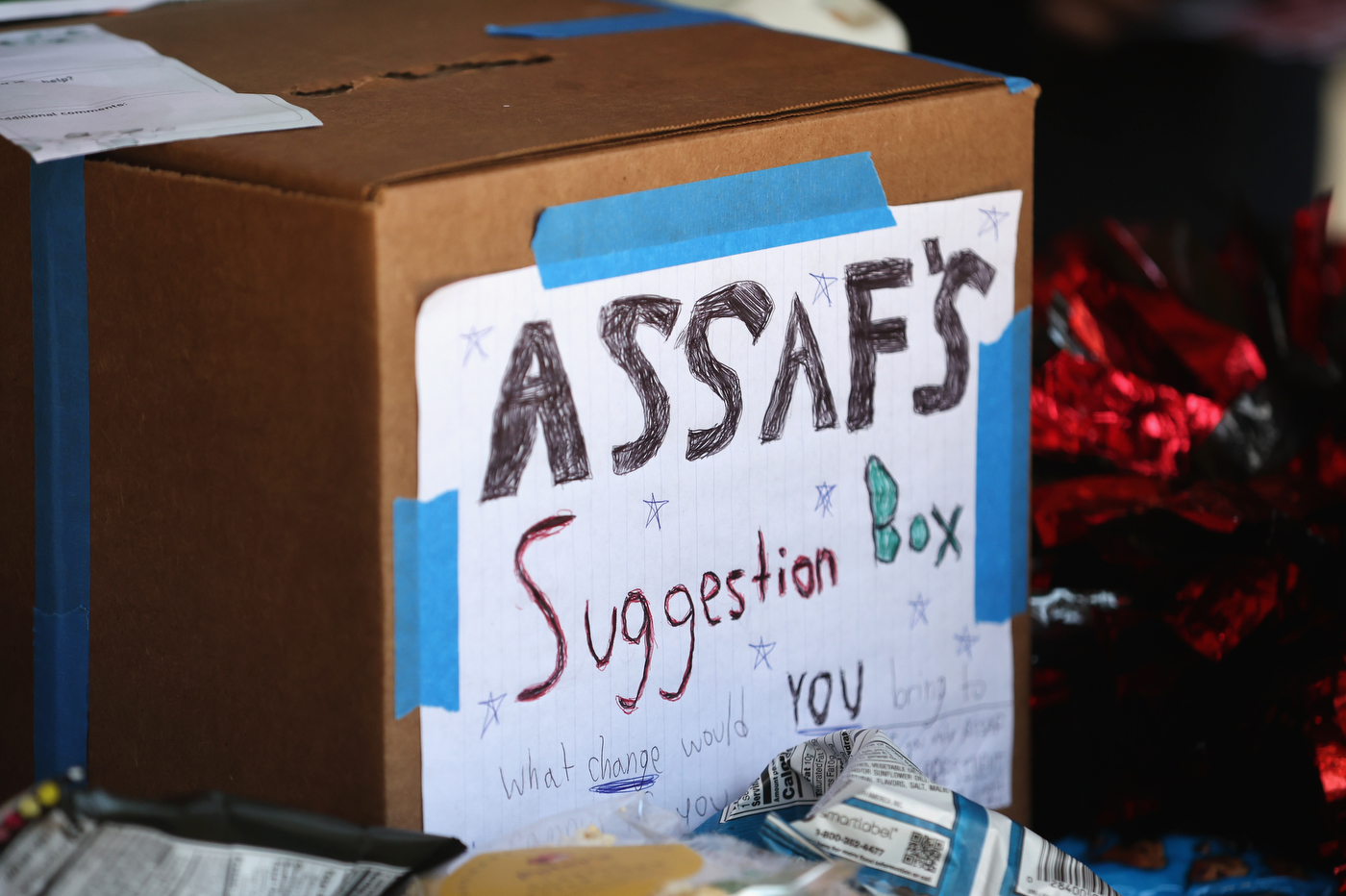
The candidates credited their political fervor to ASNUO’s novel ban on social media campaigning. Forced to use old-school, analog methods to reach their fellow classmates, students built suggestion boxes, barked their messages in public and practiced their political elevator pitches on faculty members. They said the race, while still competitive, was defined more by community, collaboration and good-spirited fun – something Northeastern experts say could not have been possible over social media.
“I don’t think I’ve had this level of engagement prior, and it’s purely because the students have had to learn how to get very creative,” said Danica Ola, associate director of community engagement.
When she first told interested candidates that social media would be forbidden, they were shocked, she said. It would be simple to post a digital meme or video message to help their campaigns, which they could edit or delete if it fails to gain traction. But going analog forces a special kind of creativity and authentic, in-person connection, she said – and students quickly leaned into the idea.
Though they were given permission to campaign via NUEngage, the Northeastern app for organizing clubs and voting on student elections, few students used it, Ola said. Instead, candidates printed out dozens of custom posters with their pictures and campaign goals.
A group of four candidates, running for independent positions but campaigning as a quartet, posted flyers promising to organize a group hike in Lake Tahoe if elected. Another pair of candidates put on an evening karaoke battle to play up their friendly rivalry.


Alabama native Jomiloju Adesemoye, 18, who ran for social change chair, said he is grateful that the in-person campaign experience forced him outside of his comfort zone. He ran for a vice president position while in high school, he said, but dropped out of the race due to a lack of confidence.
“I’m trying harder this time,” he said between impromptu conversations with students about his idea to organize an advocacy fair to bring awareness to global women’s issues. “I’m inspired to elevate voices and advocate for people of all beliefs.”
Ashley Adams, Northeastern professor in the school of public policy and urban affairs, said students got “a taste of being in community with one another in ways that make leadership real, tangible, creative, and raw, and I am here for it.”
Technology plays a major role in students’ lives, she added, but when it comes to politics, their generation has experienced too much harmful disinformation. Their analog campaigning pulled “students away from the virtual world and into the real one, bringing with it real conversations and engagement, and real results,” she said.
Interactive design professor Larissa Erin Greer said that the social media ban also served to kickstart students’ professional development.
“Whenever we launch a new brand or startup, a lot of the initial grassroots marketing shows up as events, flyers, swag, shaking hands, meeting people [in real life], and sharing your vision,” said Greer, who previously worked at Meta in design, content and art roles. “This is fantastic on-the-ground practice for anyone who might be interested in entrepreneurship or creative marketing.”
Editor’s Picks





Tara Visvanathan, an 18-year-old finance student from New York who ran for community action chair, said Oakland’s smaller campus made it easier to form connections with her classmates and convince them to get involved in service projects. Visvanathan, whose election bid was successful, promised to organize bite-sized community engagement projects, like creating food boxes for unhoused groups in the area, which anyone can be a part of without sacrificing their studies, she said.
Student government candidates have a reputation for coming from business or political science backgrounds, but Madalinn Gaul of Missouri said she was bucking the trend. Gaul, 18, is a molecular biology student who ran for ASNUO academic chair with a campaign centered on the idea of “balance over burnout.”
Having served in student government positions in middle and high school, Gaul said she came to Northeastern familiar with effective campaign strategies. It’s important to keep the message simple and achievable, especially when the constituents are students with a lot on their plates, she said during a break from pitching her message to passers-by at Adams Plaza.
“Burnout has become increasingly common among students, and my main goal as academic chair would be to mitigate burnout and instead help create a culture where students can succeed academically without sacrificing their mental well-being,” she told Northeastern Global News. Gaul was elected to the position, and said she will focus on organizing study parties and other academic events to support both students’ studies and mental health.
When the election results were posted, and Visvanathan saw her name on the Community Service Council – established this year by popular demand – she thanked her peers and said she looked forward to “contributing meaningfully and making a positive impact in the community.”
Upon learning that he had been elected as a social change co-chair, Adesemoye said he felt that his effort during the campaign had paid off.
“I’m really proud of the work that I put into this election,” he said. “I am so happy with all of the things I have learned, from trying and failing and – at the end of the day – winning. This election wasn’t truly about winning though – it’s about impact.”


