Scientists create a hydrogel that heals itself. It’s also fully recyclable
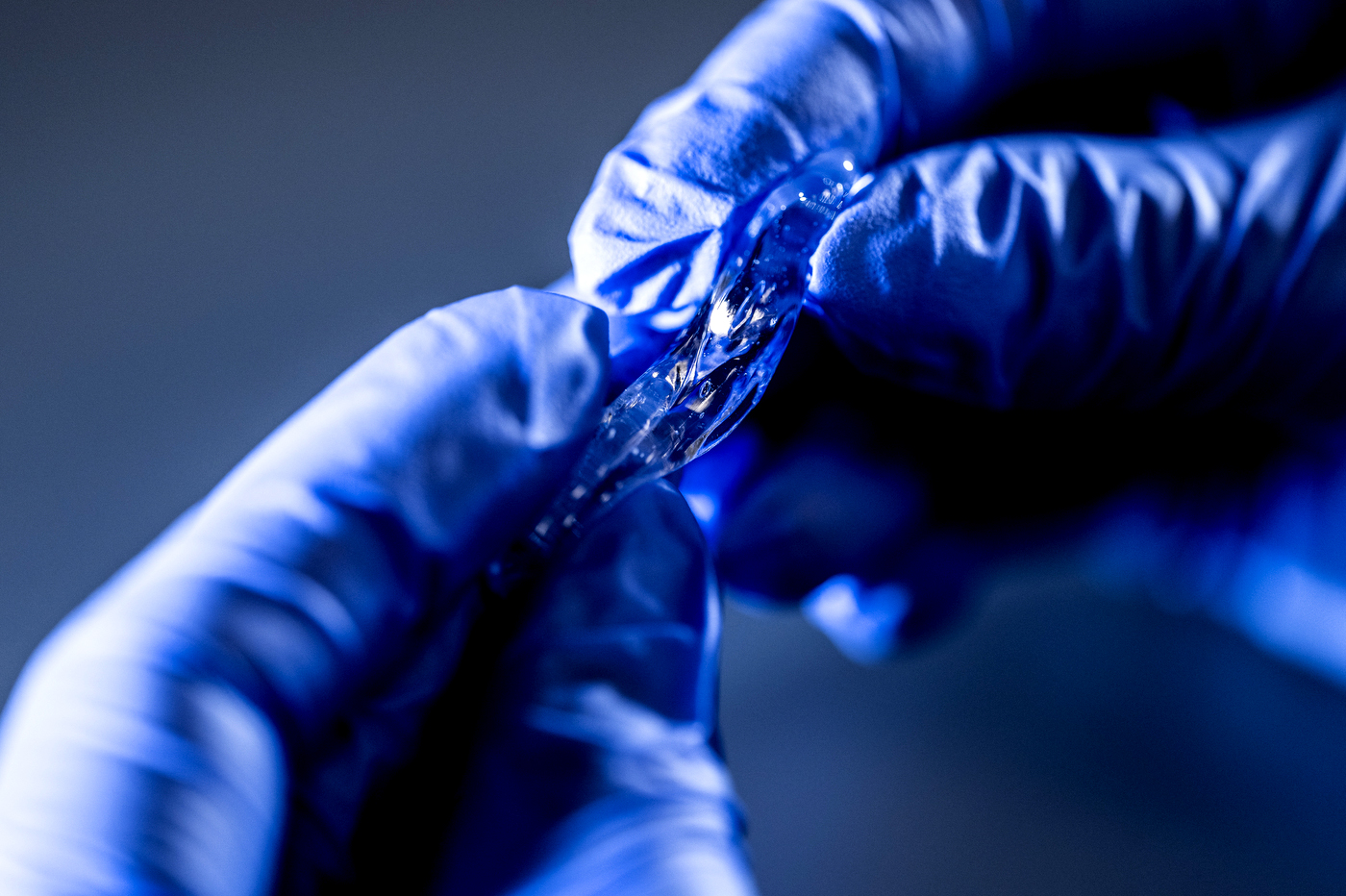
A self-healing material developed by Northeastern researchers can repair itself in a matter of minutes. Its recyclable design could keep long-lasting waste out of landfills.

Imagine this.
You pick up a contact lens from its container and — yikes! — it falls on the bathroom floor. Before you know it, your cat pounces, claws out. By the time you wrestle it back, the lens looks like a tiny chew toy.
And then, just like that — the scratches fade away and the ripped edge seals itself up.
Lenses that repair themselves aren’t on the market yet. But the self-healing material used to make them is very real. One particular type was created by Northeastern University chemistry and chemical biology professor Diego M. Alzate-Sánchez and Ph.D. student Jenna Kin. It belongs to a large group of materials known as hydrogels. As they report in a recent Advanced Materials paper titled “True Closed-Loop Recyclable Hydrogels Enabled by Imine Boronic Ester Crosslinking,” it’s also fully recyclable.
Hydrogels act a bit like sponges, stashing large amounts of water in their internal network of long molecular chains called polymers.
The polymer structure is reinforced by crosslinks — so-called “permanent bonds” that form when shorter molecules called crosslinkers bind to the long chains, keeping them connected to one another.
Crosslinks are chemical superglue — breaking them is notoriously difficult.
“Once you make that material, there’s no way to dissolve (it) in any sort of solvent,” King explained.
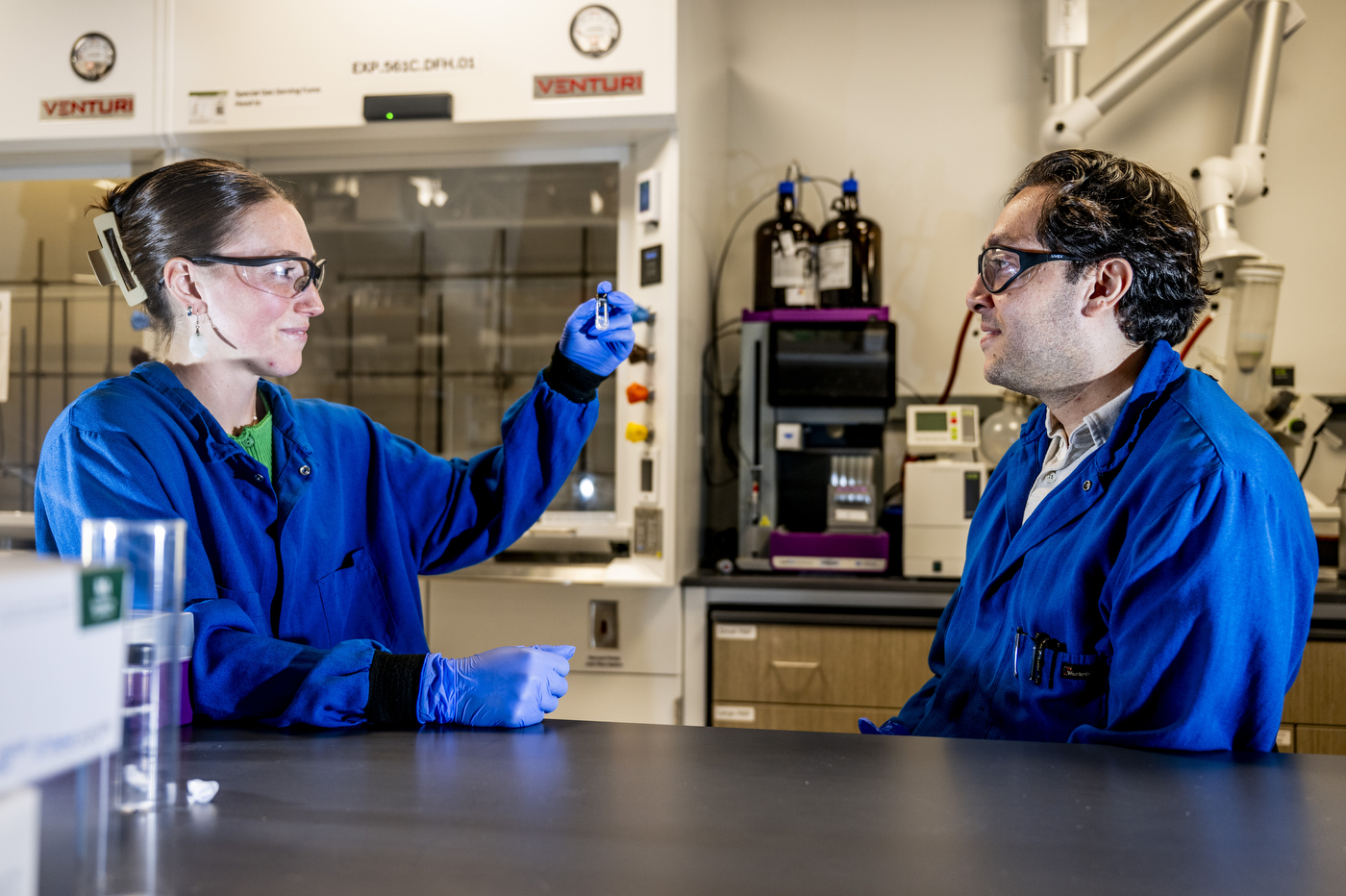
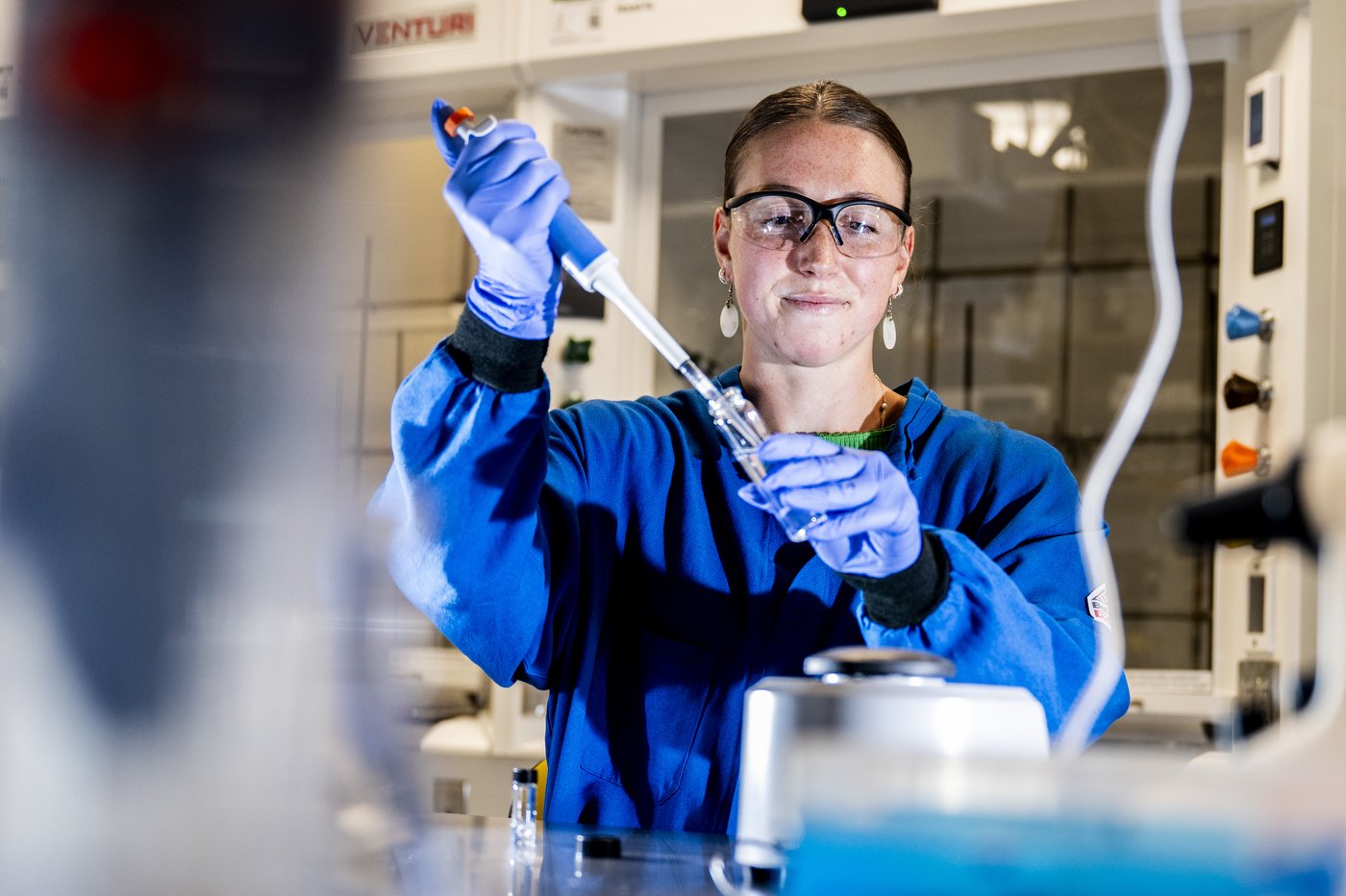
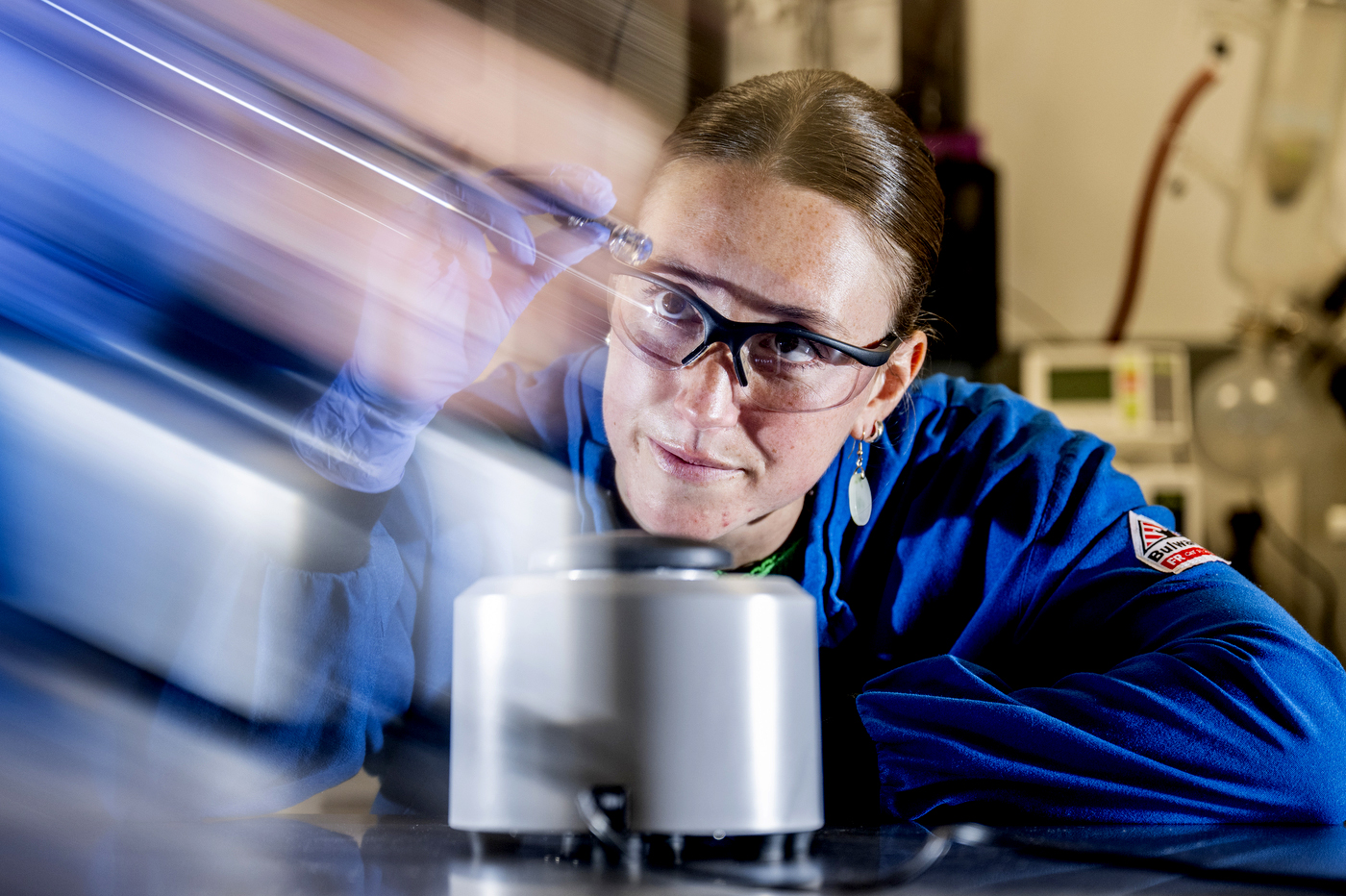
Alzate-Sánchez and King wanted to design a hydrogel that could hold together without relying on permanent bonds. To make their material, they took an existing model and swapped in new crosslinker molecules, replacing the permanent bonds with ones that were reversible under certain conditions.
As Alzate-Sánchez explained, that shift opened the door to closed-loop recycling: the researchers could dismantle the entire network of polymers, recover all of its components and use them to rebuild the original hydrogel.
Testing revealed that the recycled versions didn’t merely hold their own. They sometimes performed better the second time around.
Key difference aside, the new hydrogel has a lot in common with conventional ones.
Despite their internal toughness, these materials have a squishy, jelly-like consistency — think gel shoe insoles, Boba pearls, stress balls or flan.
This combination of features — soft on the outside, super strong on the inside — makes them ideal for constructing anything from contact lenses and wound dressings to diapers and cooling face masks. Scientists also use hydrogels for drug delivery and water purification, which taps into their ability to hold and release substances in controlled ways.


However, the problem has always been that permanent bonds lead to permanent waste —- and that’s bad news for the planet. A diaper, for one, takes hundreds of years to fully decompose. That means that had they been invented a few centuries ago, those worn by an infant Shakespeare might still be out there.
Creating recyclable polymers without compromising their trademark durability has been challenging, according to researchers.
“To be durable they must resist chemical change, to be recyclable, they must be amenable to chemical transformations,” Vassiliki-Alexandra Glezakou, a scientist at the national science and energy lab Oak Ridge National Laboratory, or ORNL, told Northeastern Global News.
However, the hydrogel devised by the Northeastern experts offers the best of both worlds. It disassembles when you want it to but stays strong the rest of the time.
So what’s the secret to controlling when the bonds come apart? It all comes down to how acidic the surrounding environment happens to be. Once it crosses a certain threshold, the bonds break down. Otherwise, the material stays intact.
The self-healing properties, in turn, have to do with the unique role water plays in the structure, King explained.
“The hydrogel is filled with water,” she said. And when crosslinker bonds form, they create even more water as a byproduct.
That additional water kept the network’s bonds in a dynamic state, allowing them to continually break down and reassemble themselves.
Picture a sculptor who keeps reworking a clay bowl instead of sticking it in the kiln. As long as the clay stays malleable, dents and cracks can still be smoothed out.
The researchers tested the self-healing effect by cutting the hydrogel in half and gently placing the pieces back together.
Then they waited.
Sure enough, within about 15 minutes, the divide began to disappear as new connections formed across it.
ORNL research and development associate Karen Cortes-Guzman pointed out that self-healing materials hold a lot of potential, especially since “repairs and replacements are impractical or costly.” But if material is self-healable, then “cuts and punctures can fix themselves and the material (can) be operational again just like new,” she said.