These Northeastern researchers are helping move cognitive tests from the clinic to the home.
Northeastern University researchers developed an app to test brain functions designed for use on smartphones and tablets that’s receiving positive results.


The task seems simple on its face: connect a series of numbered dots scattered on a piece of paper in sequential order.
It’s the first set of directions participants are asked to complete as part of the Trail Making test, a neuro-psychological assessment designed to measure a person’s brain functions, including cognitive flexibility, their capacity to plan and make decisions on the fly, and processing speed.
Other parts of the test can be a little more tricky.
Northeastern researchers had participants perform this test among others using a tablet app they created.
The goal of the tests was to determine whether researchers could collect the same level of reliable data from the participants from their home using computer tablets as they would if they were tested in person in a medical center.
These tests are traditionally done in-person at a doctor’s office or medical center using pen and paper. But medical professionals are exploring ways to offer the tests virtually so patients can complete them at home, according to Northeastern University psychology experts.
According to Mordor Intelligence, a market research firm that tracks technology trends, remote and online assessment technologies are the fastest growing segment of the global cognitive testing market. That segment is expected to have a compound annual growth rate of 10.4% through 2031, the market firm reported.
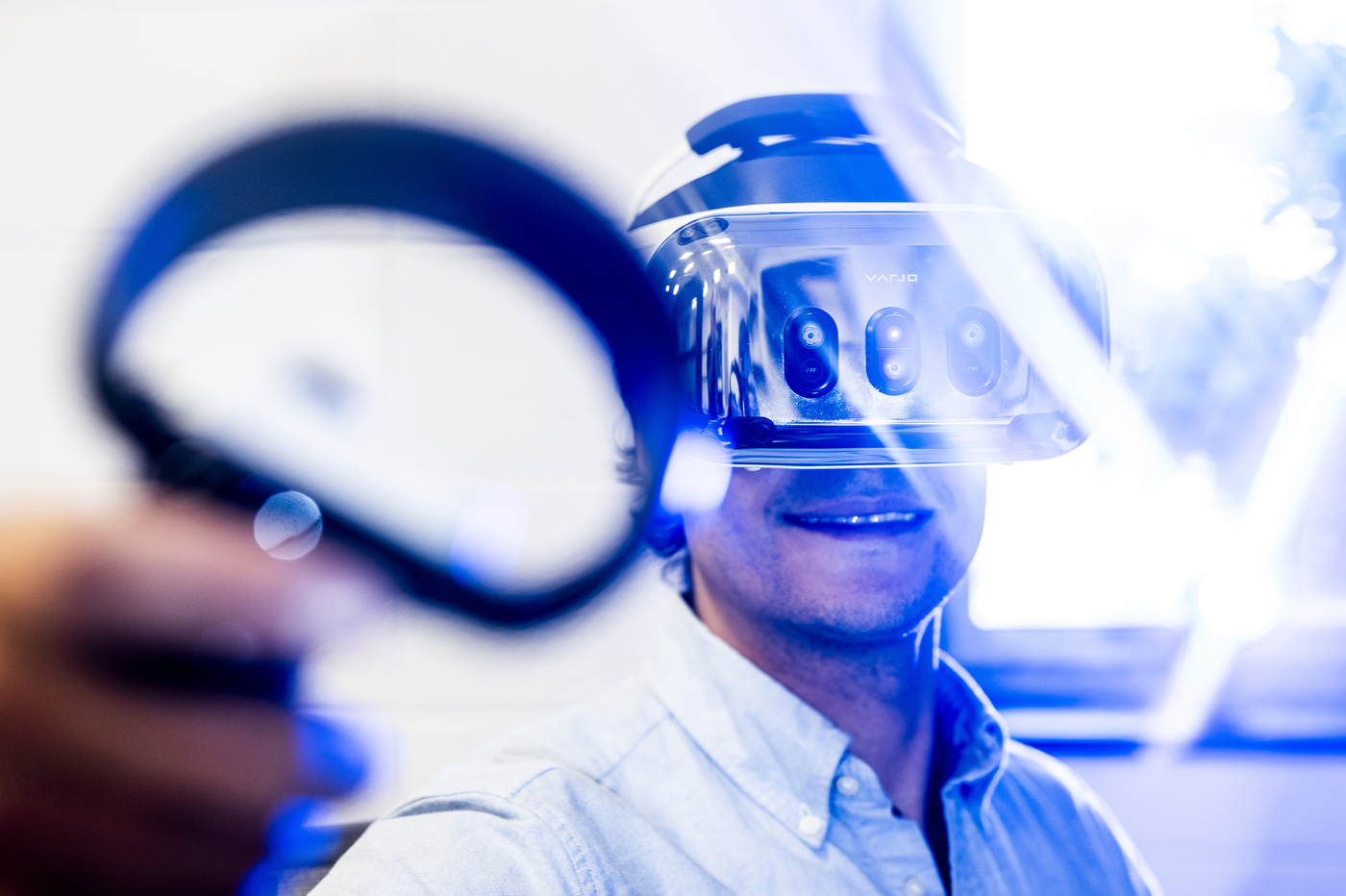
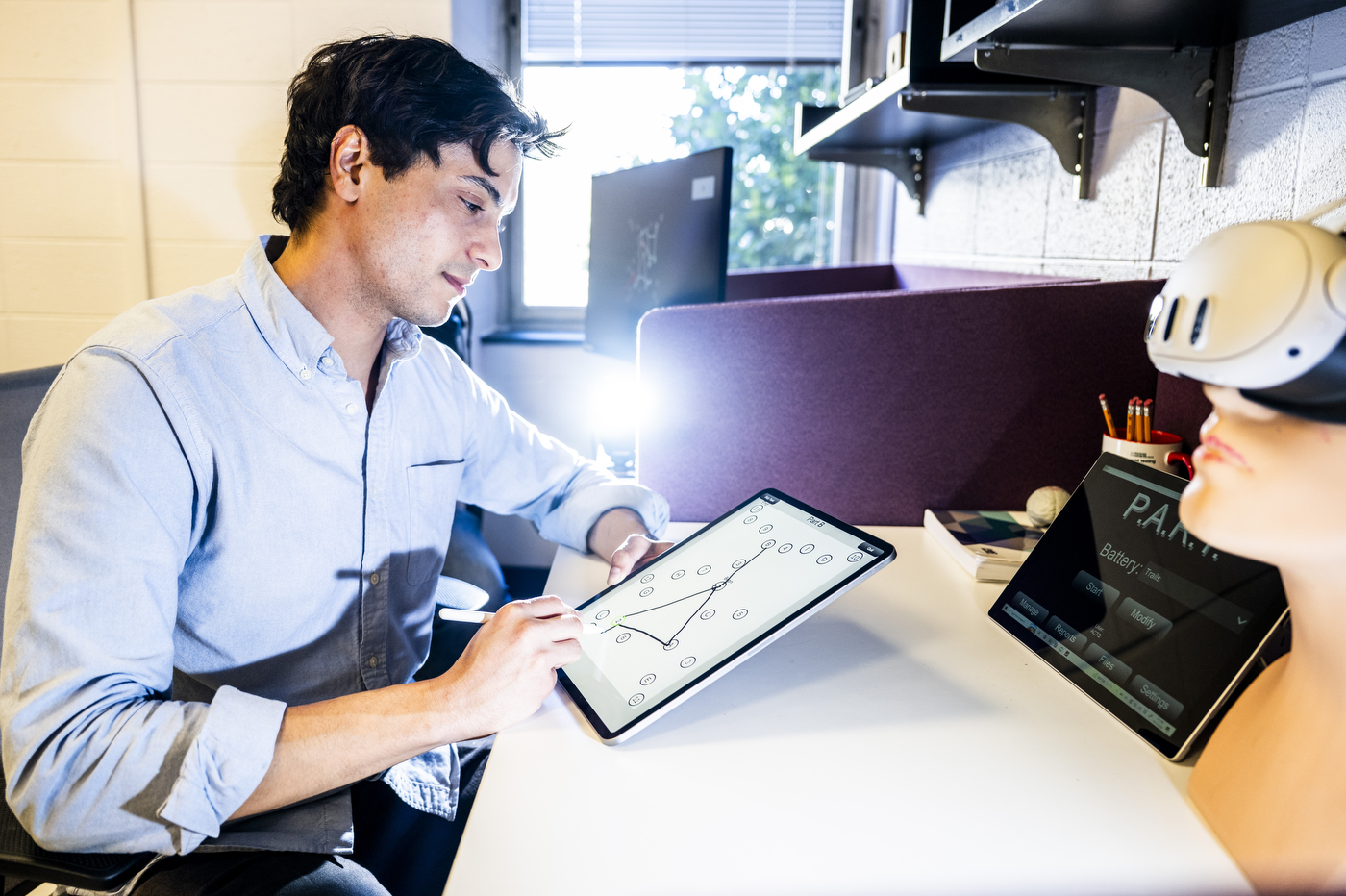
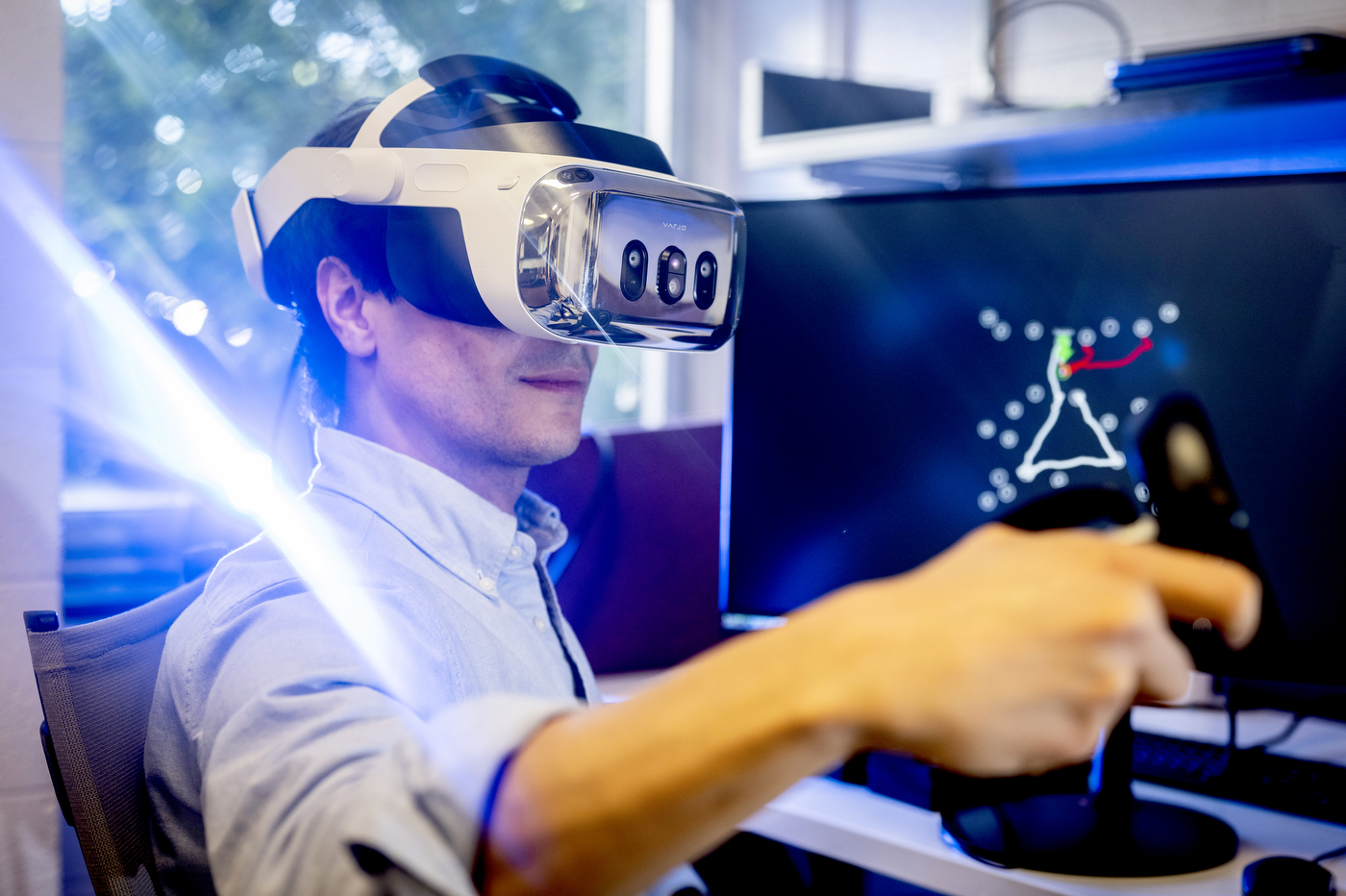
Northeastern University’s Brain Game Center for Mental Fitness and Well-Being developed its own cognitive testing mobile app designed for smartphones and tablets.
The center recently released a September report in which it had a group of people use the app from their homes. The report was done in collaboration with the Adult Changes in Thought Study, a long-running cohort study spearheaded by the Kaiser Permanente Washington Health Research Institute that studies brain aging in adults.
Editor’s Picks


When asked to complete the Trail Making Test, on both paper and tablet, the participants reported that they found both versions of the tests easily accessible, according to the researchers.
These findings are reassuring, Seitz said. The hope with virtual testing is that medical professionals will have more time to work on more extensive testing with individual patients than if the patients were in a doctor’s office.
“Most of the time when you go to the doctor, you’re given a five minute cognition test and you’re sent home and told you’re fine,” he said. “With telehealth, what you can do is take a longer test at home that will give you a deeper dive and hopefully help you understand your cognition better.”
Seitz said that time can be limited in a doctor’s office and patients are often billed at a higher rate than they would be if they were tested at home.
For the study, the researchers sent English-speaking adults in Southern California a Microsoft Surface tablet loaded with the app, a pair of headphones and detailed instructions on how to use the setup.
Participants were tested during two different Zoom sessions, spread two months apart to ensure researchers were able to get consistent results, said Quentin Coppola, a doctoral student of psychology working at Brain Game Center.
The sessions were led by a research administrator who went over a battery of tasks designed to assess a participant’s language fluency, memory and executive functioning.
Participants completed the tasks with both pen and paper and on the mobile device, so that researchers could compare how results may change depending on how participants conducted the test.
In another task similar to the Trail Making test participants were instructed to draw a clock using the tablet’s stylus.
The test is a standard used to assess cognition, and researchers said they were able to collect richer data from the digital tools when compared to pen and paper.
“Now we’re getting these micro interactions — are they trembling while they’re drawing? — richer signals than we were getting from paper and pencil tasks,” Coppola said.
While the results of the research were promising, the next step is to invite a larger group of people to test the app for future studies.
“What we want to do is get this technology in the hands of people who will use it,” Coppola said, — “whether that’s researchers, clinicians or patients.”