Northeastern co-ops are helping this machine find undetected egg cells
Northeastern University students are helping improve a device that helps find egg cells that go undetected in the conventional searching process for IVF.
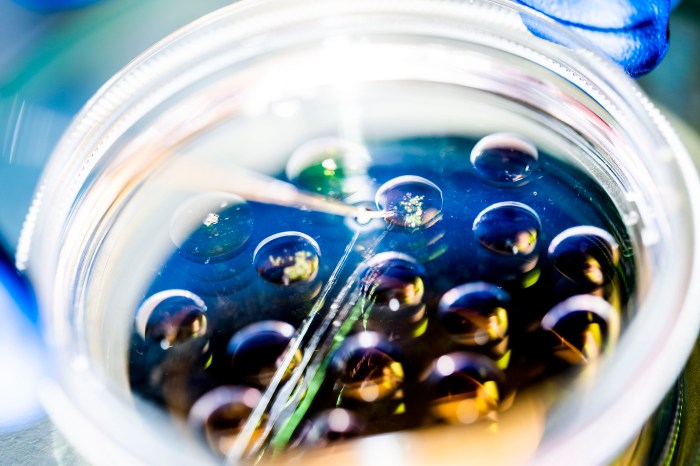

Going through in-vitro fertilization to conceive a child can be a complicated and demanding process, with many different parts all having to fall exactly into place. Improving one’s chances at a successful birth – from the levels of hormones to the number of eggs and the quality of sperm – can feel like a numbers game.
It’s why some who are focused on improving the treatment are also trying to improve numbers. Two Northeastern University students have been directly involved in one part of that effort, which is to increase the number of egg cells that can be retrieved for IVF.
Tori Christianson, 19, and Jake Percival, 20, are about a month away from completing their first co-ops with AutoIVF, a Natick, Mass.-based biotechnology startup.
Percival, a bioengineering and mechanical engineering student, said he specifically chose AutoIVF because he wanted to work at a startup.
“I didn’t want to be stuck behind a computer for six months. I like hands-on work,” said Percival. So when he saw that the job description said, “Your job is always going to change. You’re going to have a lot to do. You’re going to have a lot of responsibilities,” it felt like a good fit.
Christianson said that while the lab experience at the co-op has been valuable, she has learned how to think critically about presenting data and findings in a way that makes sense.
“That’s not something I thought I would need going into this job, as I was thinking of it as more of a lab scientist kind of job. But it’s something I’m really thankful for because I think it is one of the most helpful skills that I’ve learned,” the bioengineering and chemical engineering student said.
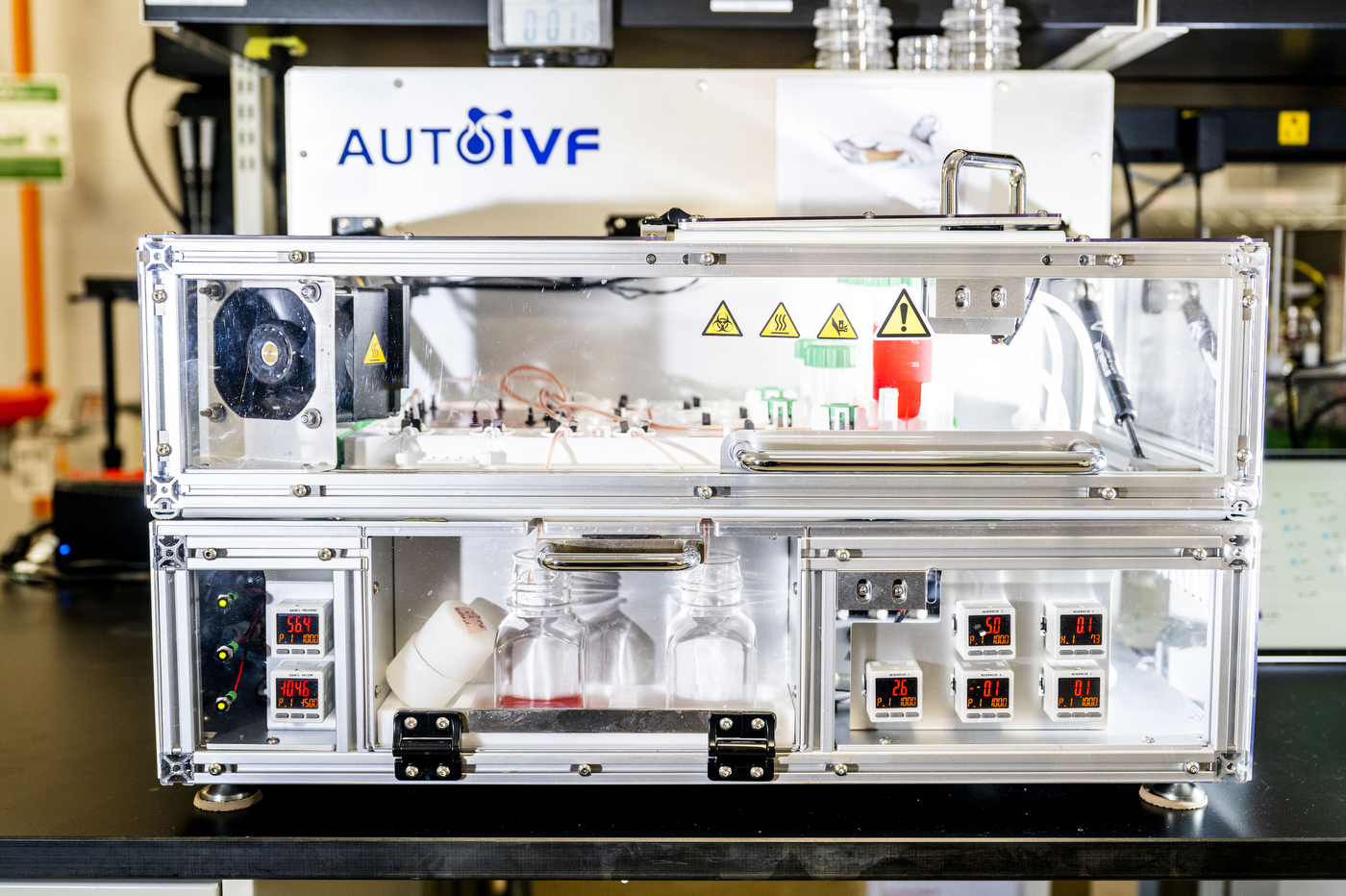
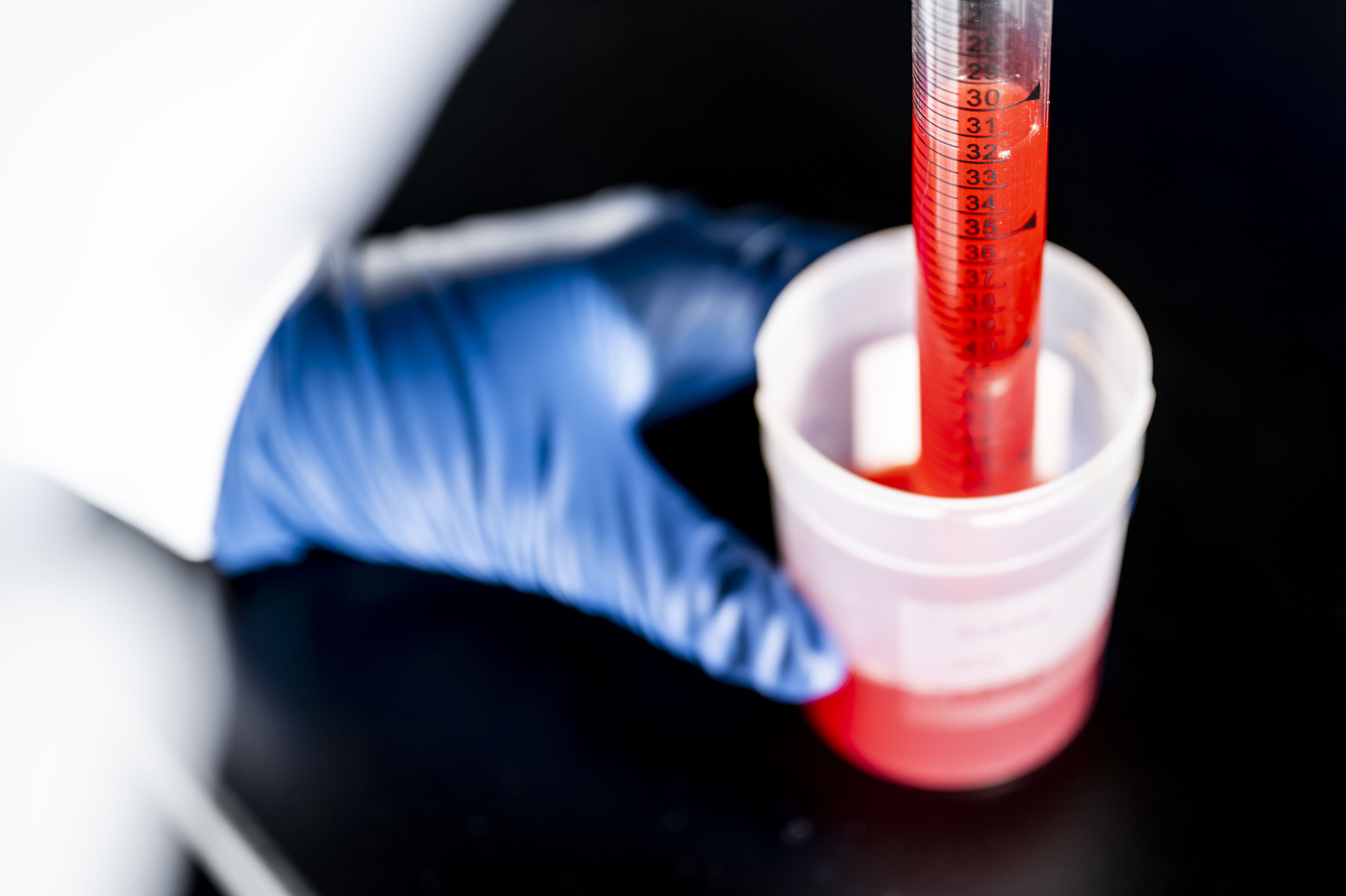
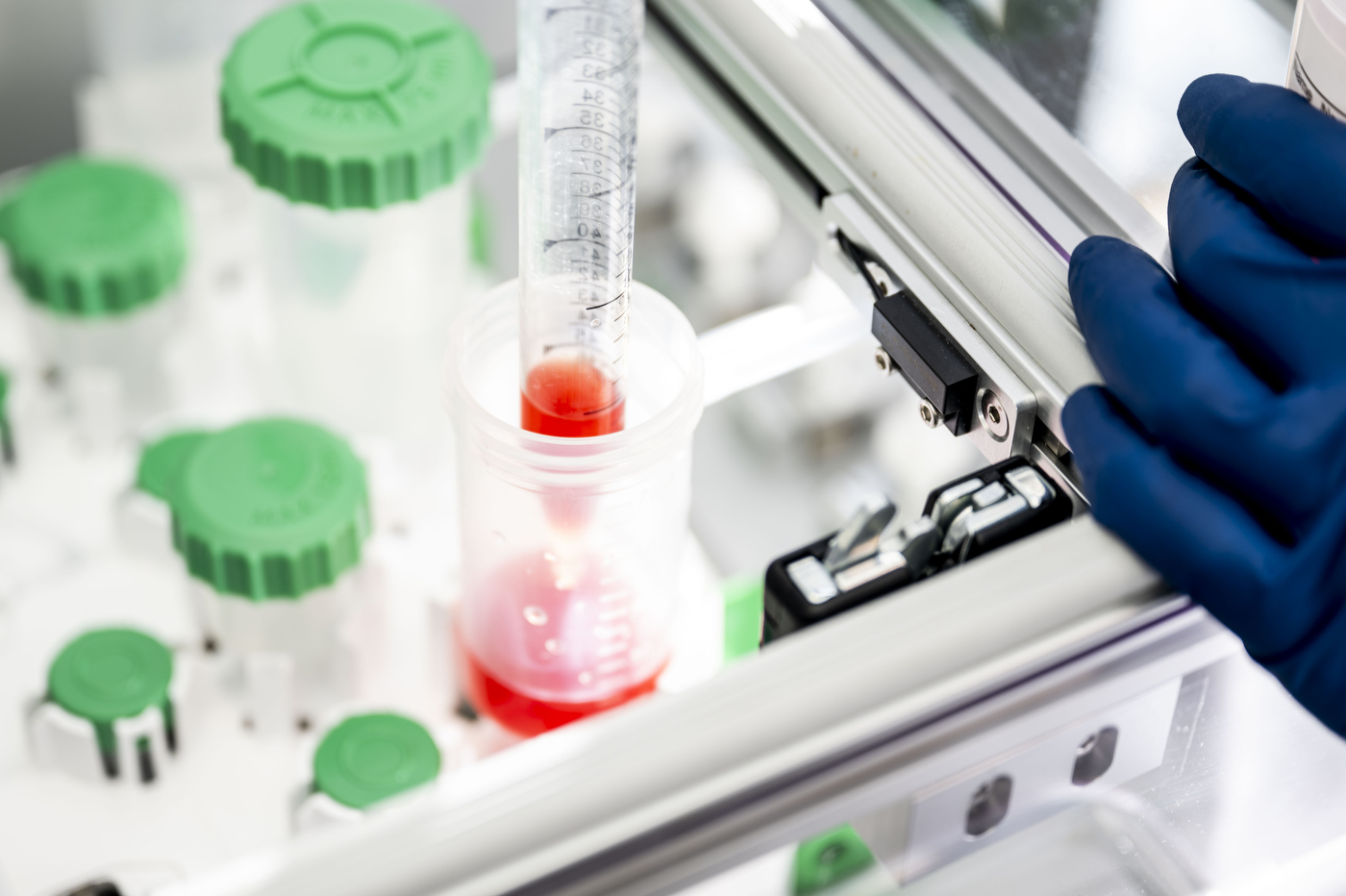
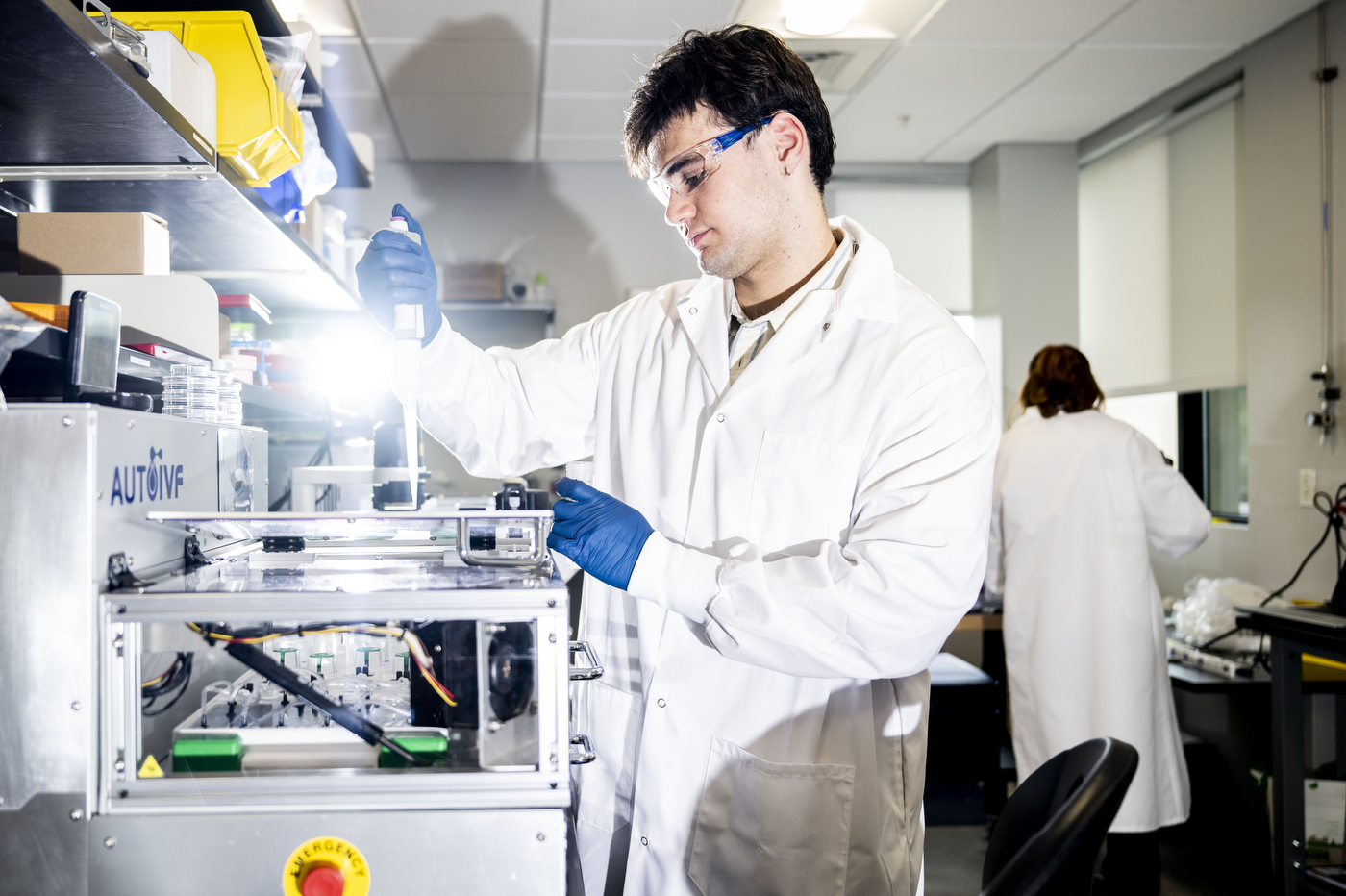
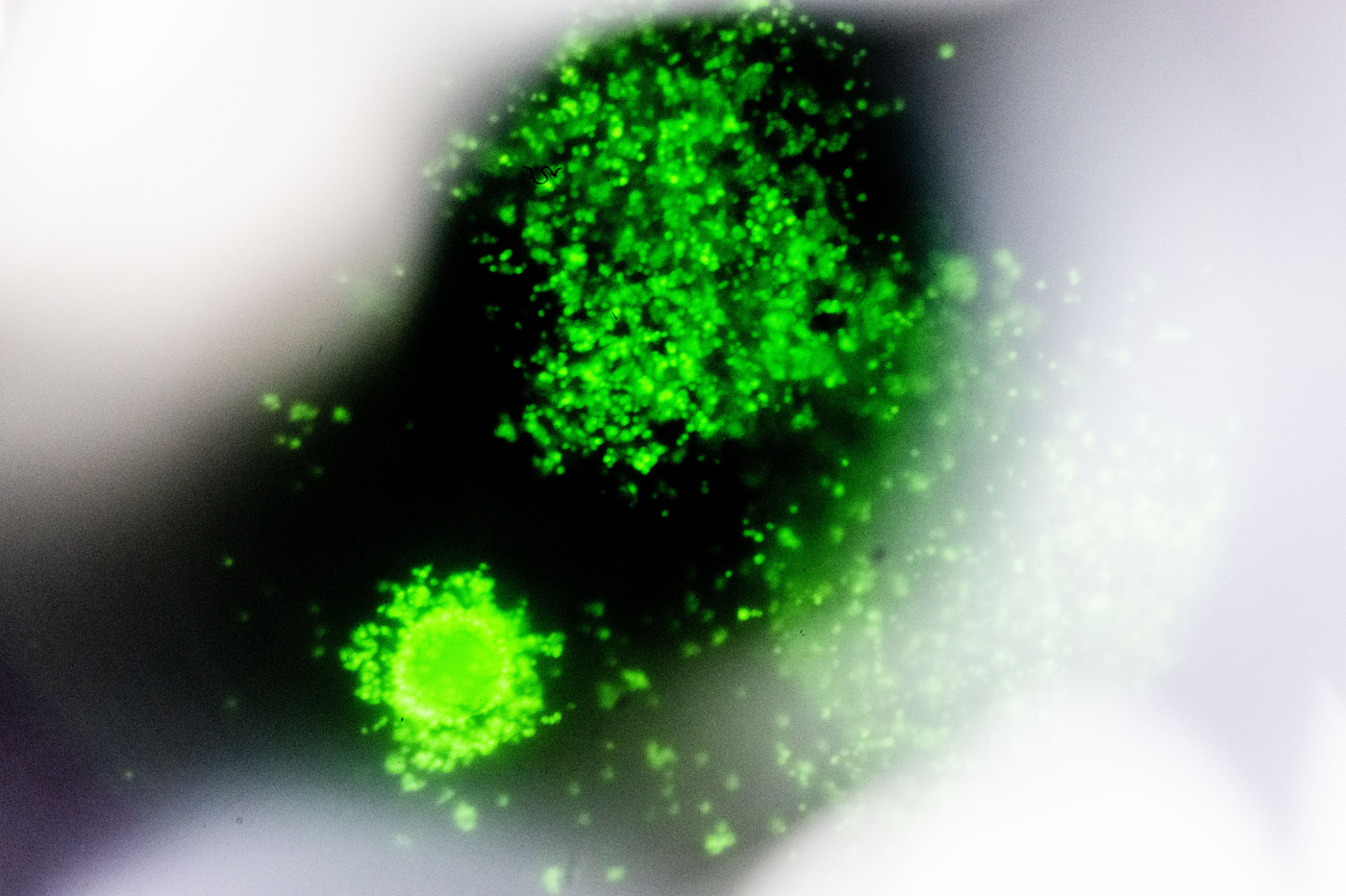
AutoIVF’s work includes a wide range of technology, all with the aim of optimizing and, in many cases, automating parts of IVF treatment. Percival and Christianson were specifically working on the company’s OvaReady device, which is designed to find what the company calls “stealth oocytes.” Current methods of finding and retrieving egg cells, or oocytes, don’t capture all possible cells, but OvaReady purportedly increases the number of cells that can be retrieved.
In a study published in Nature in February, the company reported that its OvaReady device can find more “stealth oocytes,” hidden in the follicular fluid, which is fluid that is typically removed along with the ovarian follicles that are embedded with and emptied of egg cells. That fluid is typically discarded after an embryologist retrieves the oocytes, but OvaReady can find more cells in that fluid.
Emre Ozkumur, vice president of research and development at AutoIVF, said that the device found one or more oocytes in half of the follicular fluid samples included in the study.
“This can be very significant especially for patients who have less than 13, 14 oocytes,” he said. “Even a single oocyte makes a big difference.”
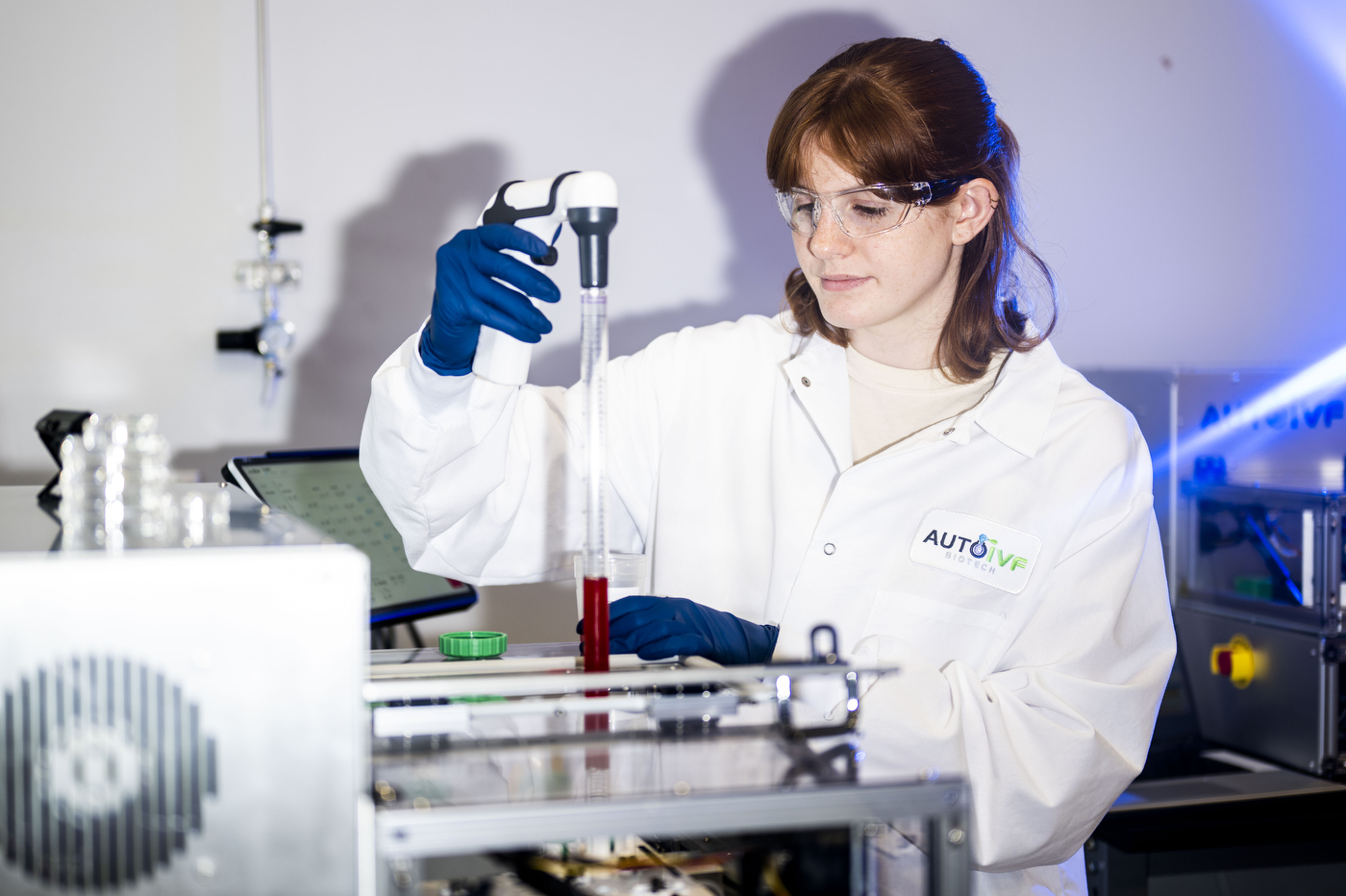
The OvaReady device is still being tested, and for part of the week, Christianson and Percival run experiments on its prototypes. These experiments help determine what adjustments need to be made to improve the device, whether that’s to speed up how quickly the fluid is loaded into the device or to increase the rate at which the fluid flows through the device.
In addition to doing prep work by assembling the machine cartridges that hold the follicular fluid test samples, Percival is also working to quantify how much tissue debris so the eggs can be found more easily by embryologists Christianson, for her part, is focused on how efficient the machine is at isolating the oocytes.
When they’re not conducting experiments, the pair is analyzing the data they collect to present to the AutoIVF team.
The device will soon be ready for clinical trials, with the ultimate goal of it being used in embryology clinics, Ozkumur said. If approved by the U.S. Food and Drug Administration, the device could be used to help address the increased demand for IVF and, hopefully, make the IVF process less expensive, in part because it could expand access to the process and people would have to go through fewer cycles to get as many eggs as possible, he said.
Editor’s Picks


While the students are walking away with real-life lab experience, Percival and Christianson said Northeastern provided the foundational skills needed for this opportunity.
For instance, it was through software Percival learned about at Northeastern that he is developing new ways to analyze data sets. “We spend so long learning stuff in class and it’s like, what does that actually look like applying it in the real world?” he said.
Christianson said it was through Northeastern’s ChemE Car competition, where teams build cars that are powered only by chemical reactions, that she first learned how to use a pipette, something that she now uses almost everyday at AutoIVF. The co-op preparation course also helped her build confidence with interviews and presentations.
Ozkumur said Christianson and Percival have been a “phenomenal support” to AutoIVF, especially when the company received prototypes of the device and “all of a sudden, our processing capability and capacity went up quite significantly,” he said. “We needed careful people to monitor how they operate, report back to us the data they collect and have a sort of careful eye to catch anything irregular that happens overall in the system.”
And it seems like the Northeastern pair have done just that.
“We couldn’t have been happier with their performance, [and their] contribution. They were just a great part of the team,” he said.