A massive winter storm is blanketing the US. Here’s how to protect yourself
Hands, fingers, nose and ears. How to prevent frostbite.
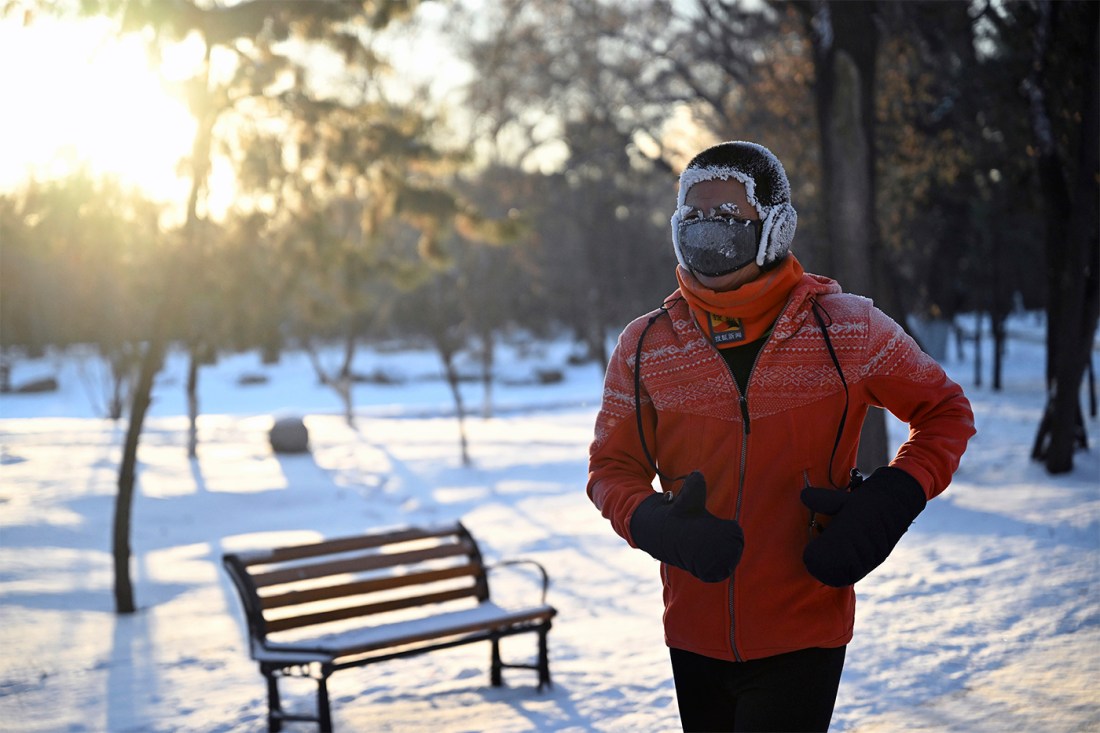

A massive winter storm is delivering Arctic temperatures and dangerous ice to the American South and heavy snow from Texas before shifting north over the weekend to blanket the Northeast.
The hazards associated with the storm — which is expected to end Monday — are many, from frostbite and hyperthermia to slips and falls and carbon monoxide poisoning.
Northeastern University experts in extreme medicine and climate resilience talked to Northeastern Global News about what people across the U.S. can do to protect themselves, their families, pets and property during the deep freeze.
People in regions like Georgia or Arkansas that don’t typically experience savage winter weather will face some of the biggest challenges and can probably expect to be isolated by untreated roads and power outages, said Stephen Flynn, founding director of Northeastern’s Global Resilience Institute
“I tell them, ‘Imagine we have to go on a camping trip in your house where you don’t have access to power or a supermarket,’” he said. “What would you want to have with you?”
“Cold preparedness is the most important thing,” said Joshua Merson, program director of extreme medicine medical sciences at Northeastern.
Dressing to avoid frostbite
With the Weather Channel forecasting wind chill temperatures in the single digits in places like Dallas and Little Rock, Arkansas, on Saturday — and 23 below in Burlington, Vermont — avoiding frostbite is going to be high on everyone’s list.
Frostbite can occur anytime the thermostat falls below freezing, or 32 degrees, said Stephen P. Wood, an emergency medicine provider and program director for Northeastern’s adult gerontology acute care nurse practitioner program.
At zero degrees, “frostbite can occur within minutes,” he said.
Frostbite is basically freezing of the skin, the cells of which are composed mainly of water, Wood said. He said frostbitten skin will turn waxy or pale or grayish yellow. If frostbite gets into the tissues, it can act like a second-degree burn. Tissues may need to be amputated if frostbite gets into the muscles.
Children and older adults are most susceptible to frostbite, Wood said. Avoiding it means not going outside during dangerous conditions and “covering all exposed areas,” he added, particularly low circulation areas like the nose, ears, toes and fingertips.
Wear layers of loose-fitting clothing and avoid cotton, which wicks heat away from the body, Merson said. He said when your nose is exposed to the cold and turns a little bit red, that’s an early form of frostbite called “frost nip” and an indication it’s time to cover up and warm up.
Wood said on super cold days he likes to wear a base layer of long underwear and two pairs of socks, one made of polypropylene and silk to wick away moisture topped by a pair of wool socks.


“I wear a wool sweater and then I have a really nice down jacket,” he said. Jeans are not great in the cold because they’re made of cotton, Wood said.
Dressing warmly can also help prevent hypothermia, which is a medical emergency that occurs when the body loses more heat than it can produce.
If the power is out, wear layers of clothing inside the house to keep warm, Flynn said. Use a fireplace if you have one, and hang sheets out of flame’s reach at open doorways to prevent heat from escaping the room.
Slip and fall
Slips and falls on snow and ice not only can cause fractures and head injuries, they can lead to hypothermia if an individual is lying outside for an extended time, Wood said.
Avoid tumbles by wearing proper footwear that is waterproof or water resistant and has good ankle protection and a good tread, he said.
Runners and other outdoor exercisers might want to consider wearing a pair of slip-on traction devices over their running shoes, Merson said.
Northeastern Global News, in your inbox.
Sign up for NGN’s daily newsletter for news, discovery and analysis from around the world.

It’s also important to consider using the buddy system, Wood said. When someone goes out in extreme weather — whether it’s a homeowner to shovel or a child to play — someone should check on them every 15 minutes or so to make sure they are still warm and OK.
And stay hydrated, even if it means bringing a hot drink with you while you shovel, Wood said. He said to be cautious when shoveling to avoid the onset of a cardiac arrest, especially if you are not used to exercising.
Don’t forget to protect your pup’s paws
“People think dogs are protected from the cold because they have fur,” Wood said.
But anytime it gets below freezing, dogs can be at risk of frostbite, especially if they are short haired, small and low to the ground or are puppies or senior canines.
Paw pads or booties can protect dogs from cold ground and salt and other chemicals used on ice, Wood said. Dog coats and sweaters also offer protection, as well as ear tips.
Editor’s Picks


Carbon monoxide risks
Power outages, especially in winter, are typically associated with deaths by carbon monoxide.
Do not use gas stoves or bring hibachis indoors if the power goes out, and keep generators outdoors, not in the garage. “Make sure you have batteries in your smoke and carbon monoxide detectors,” Merson said.
Also make sure to clear snow from exhaust pipes of running cars and from furnace and dryer vents to prevent carbon monoxide buildup, Merson said.
Protecting pipes
Turning off the water in a house can help prevent water pipes from freezing and then bursting when they thaw, especially in more southern areas of the U.S. where homes have less insulation, Merson said.
He said another tip is to open the cabinet doors under sinks to allow warm air to circulate around the pipes — provided the house actually is warm.
Stock up on non-perishable food and water
The Northeastern experts said people in the storm’s path — which is about 230 million people, according to the Weather Channel — should stock up on canned and non-perishable food and make sure they have non-potable water on hand to last for days.
“Plan on three days” without power, although it could be longer, Flynn said. He advised filling bathtubs with water to flush toilets in the event of extended power outages.