Is the Force still with Star Wars? ‘The Mandalorian and Grogu’ raises questions for a Hollywood mainstay
‘The Mandalorian and Grogu’ sees Disney and Star Wars retreating to a franchise comfort zone and potentially doubling down in the wrong areas, an expert says. It might be good for Star Wars fans but bad for Star Wars.


For the first time in seven years, “Star Wars” is returning to the big screen with a movie set in the galaxy far, far away, “The Mandalorian and Grogu.”
An extension of “The Mandalorian,” a successful Star Wars TV show on Disney’s streaming service, Disney+, “The Mandalorian and Grogu” arrives in U.S. theaters on May 22, at a very different and difficult time for Star Wars. Ever since the first movie, “A New Hope,” helped invent the modern franchise blockbuster in 1977, Star Wars has been a pop culture mainstay. Decades later, after a series of divisive sequels, a fandom that has started to turn on its creators and an influx of TV shows and leadership changes, Star Wars is in a moment of flux.
Northeastern Global News, in your inbox.
Sign up for NGN’s daily newsletter for news, discovery and analysis from around the world.
With question marks around a once dominant franchise that was seen as a bedrock of Hollywood, Disney, and the industry at large, potentially faces its own moment of transition. As Star Wars struggles, new competition in the form of video game movies is taking hold and forcing Hollywood to reckon with a shift in what stories speak to people and herald success for the industry, according to Steve Granelli, a teaching professor of communication studies at Northeastern University.
In the seven years since “The Rise of Skywalker,” the likes of “The Super Mario Bros. Movie” and “A Minecraft Movie” have become hits on par with the biggest Star Wars or Marvel movies. Those movies are occupying a “bigger piece of the pie” for both the audience and Hollywood studios, Granelli said. There are more than 40 video game movies currently in development.
“The Mandalorian and Grogu” is a fork in the road for Star Wars and a case study in whether a legacy brand can adapt to a changing landscape, Granelli said. Will Disney and Lucafilm aim to bring in a new generation of fans with new stories or are they so risk-averse that they would rather rely on the safety blanket of well-trod ground?
“I don’t think Star Wars occupies as large a piece of the pie as they did even five years ago,” Granelli said. “This movie will give them a real answer as to what their legacy characters mean at this point for an audience moving forward.”
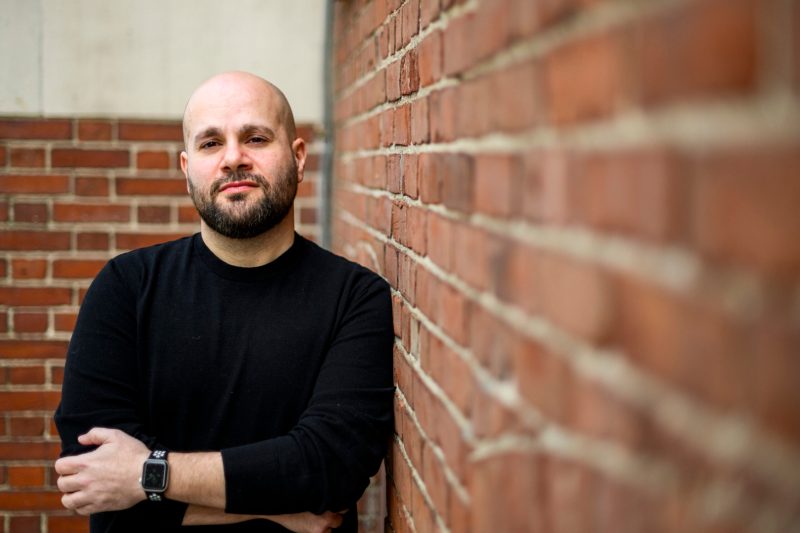
“The Mandalorian and Grogu” hints at the latter, Granelli said. Instead of kickstarting a new story with new characters, with the potential to bring in new fans, the first Star Wars movie in seven years is based on a three-season TV show with a built-in audience. For Granelli, it shows Disney playing it safe, but maybe too safe.
The story of Star Wars’ recent struggles can be traced back to the trilogy of sequel movies that Disney, which had then acquired Star Wars, released from 2015 to 2019. All three proved to be box office gold, together bringing in more than $3 billion worldwide, but proved divisive among fans.
The second film in the trilogy, “The Last Jedi,” became a lightning rod for racist and misogynist vitriol and faced pushback from fans who felt it defied the franchise’s lore and history. The pushback was so intense that Disney course-corrected with its 2019 follow-up, “The Rise of Skywalker,” reversing almost every creative decision made in the previous film to the point that fans and critics alike thumbed their noses at it. Ever since, the relationship between creators and certain vocal corners of the fandom has been fractured.
“I will admit with the later trilogy, it definitely took a hit in terms of its pop culture relevance, in terms of its ability to connect with all the fans,” said Eugene Demaitre, a fan who has been watching Star Wars since he first saw “A New Hope” in 1978.
Editor’s Picks


In response, Disney put Star Wars movies on ice, pivoting to Disney+, which it flooded with Star Wars TV shows, starting with “The Mandalorian” in 2019.
While there is now more Star Wars content than ever, “The Mandalorian” and the other series that have hit Disney+ largely represent Disney turning inward with the franchise at a time when it needs to be reaching out to new fans, Granelli said.
In its first season, “The Mandalorian” was a welcoming prospect for even those unfamiliar with the galaxy far, far away. It focused on a gunslinger going on weekly adventures with an adorable, meme-worthy alien, Grogu.
Over the course of three seasons, “The Mandalorian” became much more about characters and history from other, more niche corners of the Star Wars world. The titular Mandalorian also appeared in other Star Wars TV shows, “The Book of Boba Fett” and “Ahsoka,” adding more context that fans of the show needed to understand the origin of the show.
For lifelong fans who want to consume every piece of Star Wars media, these connections to deeper lore can be enticing.
“The way they make incredible shows to explain further lore … wraps everything nicely!,” said Threads user devin_stukel_.
But for a broader audience, those connections to previous characters and storylines “create a new barrier for new Star Wars fans,” Granelli said.
“Star Wars has to be careful not to turn into too much inside baseball,” admitted Demaitre, a fan so dedicated he’s seen every movie and TV show, played Star Wars video games, read Star Wars novels and even officiated a wedding dressed as a Jedi. “For a franchise to continue, it has to evolve or at least accommodate new ways of viewing stories or telling stories.”
With “The Mandalorian and Grogu,” Disney runs the risk of leaning so hard into its interconnected TV universe that it alienates people instead of bringing in new fans who are necessary for the growth of the franchise, Granelli explained. In what Granelli sees as Disney hedging its bets, the other Star Wars movie on the horizon, “Star Wars: Starfighter,” is an entirely new story with new characters.
Even as Star Wars faces struggles, it still plays a major role in the hearts and minds of fans like Demaitre, who hope that new fans can discover the same hope they found in stories from the galaxy far, far away.
“What makes Star Wars special is that feeling that you get: that feeling of friendship, that feeling of being part of something bigger, whether it’s being part of fandom or believing in the Force,” Demaitre said. “[The feeling] has to be something that’s accessible to as many people as possible.”