Why is the government considering new rules on AI safety? Experts weigh in
The White House may be rethinking its AI safety stance. Anthropic’s latest AI model may be a big reason why, Northeastern experts say.
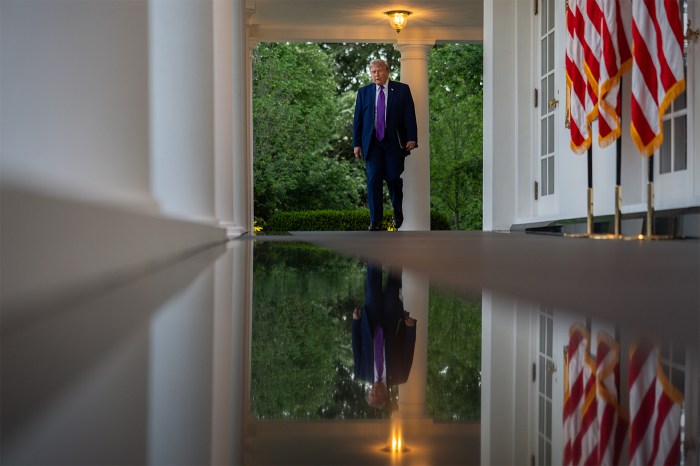

The Trump administration is considering issuing new rules around the safe use of AI, seemingly reversing a position it had previously taken. Northeastern University experts said that they see the shift as a sign of changing attitudes toward the disruptive technology.
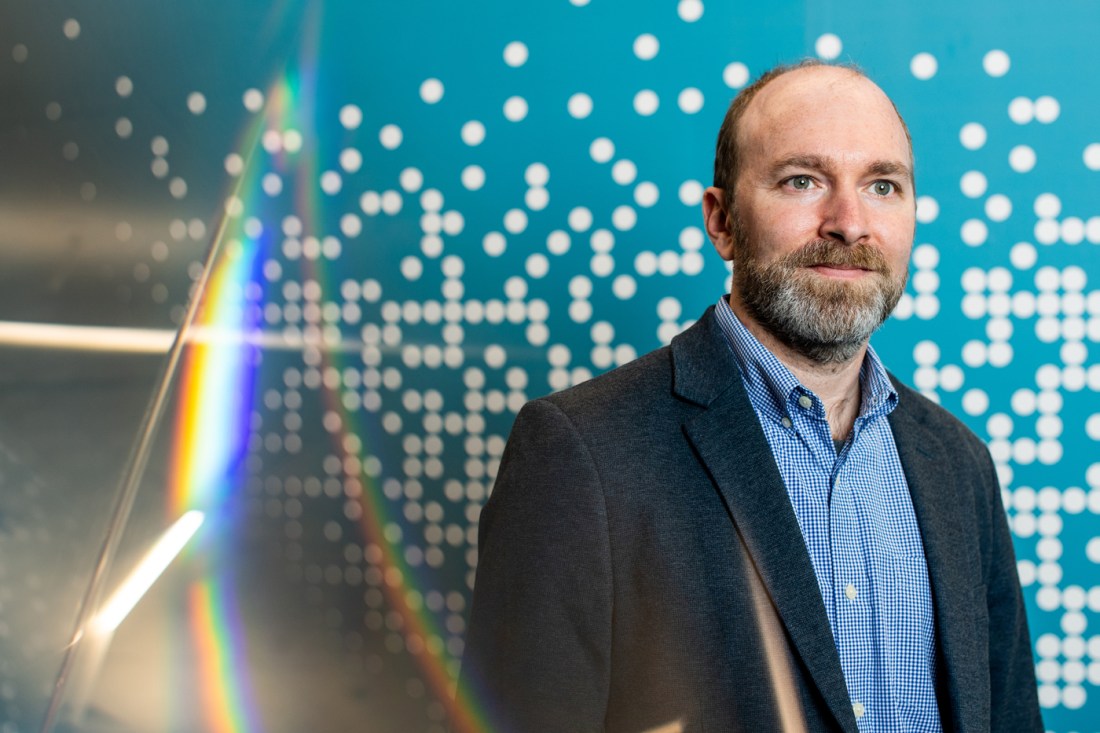
Alan Mislove, a professor in the Khoury College of Computer Sciences surmised that the Trump administration is likely considering taking a stronger stance on AI safety in response to the release of Claude Mythos, Anthropic’s latest AI model.
The AI company announced the model in April to much fanfare, claiming that it was so powerful that it was only releasing it to a select few list of technology companies including Apple and Microsoft to help them identify cybersecurity concerns.
The company said that the model could identify “zero-day bugs,” which Mislove explained are cybersecurity bugs that no one yet knows exist. At worst, these bugs could be used to remotely control a machine.
“Zero days are found all the time, but [Anthropic] claim[s] that this thing found zero days in code that had been looked at publicly for many years and was used by a lot of machines across the internet,” he said.
The Mythos release was likely a wakeup call for the government, he said, as it highlighted how dangerous the rapidly developing technology could be if placed in the wrong hands, especially foreign entities.
“Where historically [the Trump administration] has been really focused on as they would say, ‘winning the AI war.’ This is them coming face to face with reality,” Mislove added.
The administration began signaling its new stance recently. In an interview with Fox News White House National Economic Council Director Kevin Hassett said the administration was considering issuing an executive order that would regulate AI models similar to how the U.S. Food and Drug Administration regulates drugs.
While officials quickly clarified Hassett’s comments, with White House Chief of Staff Susie Wiles sharing in a post on X that the administration wasn’t in the “business of picking winners and losers,” a senior White House official also told Politico that the administration was looking to partner with companies rather than pursue regulations.

Reports from the national press, including The New York Times, seem to support that notion and note that the administration is debating creating a working group composed of “tech executives and government officials” that could be asked to review AI models before they are released as a matter of national security.
In response, a White House official speaking with Reuters declined to “confirm or deny” the report, adding “Any policy announcement will come directly from the president. Discussion about potential executive orders is speculation.”
If released, the executive order would be a bit of a reversal for President Donald Trump, who on his first day in office rescinded President Joe Biden’s executive order on AI safety — something that Mislove, in his then-role as the deputy United States chief technology officer for privacy, helped draft.
Editor’s Picks


Usama Fayyad, senior vice provost for AI and data strategy at Northeastern, echoed Mislove’s assessment that the pivot is likely centered on Mythos. That the government is now considering keeping a closer eye on the release of such models could be a positive sign for AI safety and national security.
At the same time, “I’m not sure the government agencies that will be charged with vetting are capable of doing this quickly enough or competently enough,” he said.
Fayyad said rather than creating committees or executive orders trying to review these AI models, it would be smarter for Congress to create laws that would allow them to more legally attribute any issues that may come up to the companies developing the technology
That approach places responsibility squarely on the “humans as opposed to the algorithms,” Fayyad said.
Fayyad also acknowledged that public sentiment around AI has taken a negative turn in the past few years, which may also be driving the administration’s shift, he said.
According to the latest polling from the international market research firm YouGov, 71% percent of Americans “feel the pace of AI development is moving too fast.”
AI slop, a term used to describe poorly designed AI-generated content, has certainly become pervasive around the web, Fayyad highlighted, and there are concerns about AI taking jobs.
But like with many technologies, there is also an upside, Fayyad said, noting how AI advancements could also help create more jobs in the future.
That is a point that is already being emphasized at Northeastern University, where students are being taught to use AI through a human-centered approach, using it more as a collaborator rather than replacement, according to the university.
For example, the university is among several high education institutions that have partnered with Anthropic to help lead responsible AI usage in higher education. For example, one Northeastern languages professor is using Claude in one of her Spanish classes by creating conversational chatbots her students can practice the language with.
The university is also at the forefront of ethical AI research through the Institute of Experiential AI that champions responsible AI development and deployment.
Mislove said he is glad that the Trump administration is realizing the significant risks of AI, and the role it could play in steering its development.
“AI is a significantly powerful technology that is going to have impacts across our economy,” he said. “I think there are particular issues where the government has the right combination of expertise and positionality to do some testing.”


