TikTok investors set to pay the US Treasury $10 billion for brokering the U.S. TikTok deal. How unusual is that?
Northeastern University Business Professor Ravi Ramamurti called the $10 billion brokerage fee a sign we are veering toward “crony capitalism.”


The U.S. Treasury Department is reportedly set to receive a $10 billion brokerage fee from investors for orchestrating a deal to take control of TikTok’s U.S. business, a move that Northeastern University international business professor Ravi Ramamurti has called “highly unusual.”
Investors acquired control of TikTok’s U.S. operations from Chinese parent ByteDance in January. The deal followed a 2024 law passed by Congress that said the Chinese app would be banned unless it was sold.
The investment group includes the cloud-computing company Oracle, the private equity firm Silver Lake and Abu Dhabi investor MGX. The investors paid the Treasury about $2.5 billion in January and will reportedly make additional payments until reaching the $10 billion total. The Trump administration said the value of the U.S. business was $14 billion.
Northeastern Global News talked to Ramamurti about the deal, its wide-reaching implications. The answers have been edited and condensed for clarity.
Is there precedent for this type of arrangement?
I think it’s highly unusual for the government to collect a fee for doing its job. I think of this as the government, basically, discharging its responsibilities. … Also, the level of the fee is shockingly high. I think investors already paid $2.5 billion, and they are going to pay the rest of it over time.
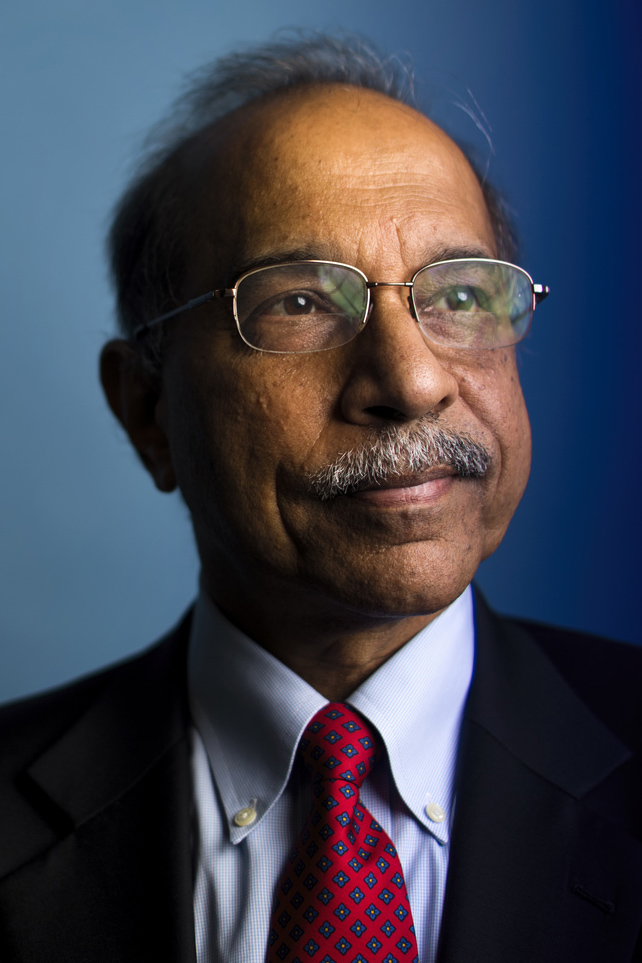
For a transaction that was $14 billion, this is not something you would see in the private sector. If someone helps an investment bank put together a deal, the range of the fees would be much lower, more in the order of 1% for a large deal. … For a $14 billion transaction, you would pay $140 million, so this is 70 times as high.
What are the implications of this situation?
One of the implications is that when the government does its job, it ought to be compensated for that. Suppose you come up with a brilliant policy that is going to raise the profitability of an industry, you don’t expect to be paid for that.
The only exception is if you have wireless spectrum, which is a public good. It has to be rationed out because not everyone can provide unfettered access to it. You may have an auction, and the auction proceeds may go to the government. But simply helping to negotiate with the Chinese — which is one of the things Trump was able to do for this deal — I do not see a parallel between that and the auctioning of public assets.
What impact will this deal have on the United States’ status as a place of free markets and enterprises?
We are drifting toward what some people call crony capitalism. If you are a crony [a close friend of someone in power] you will benefit. If you aren’t, you won’t. … This really undermines the U.S. as a country in which everyone is treated equally, where there is a rule of law, there’s transparency and the government is very professional about how it conducts its responsibilities.


