Lifelong Scouts Brian D’Amico and Rein Kirss bring chemistry to the campfire
Brian D’Amico and Rein Kirss share a love for Scouting, mentoring youth and inspiring curiosity in STEM at the National Jamboree.

When Brian D’Amico was in kindergarten, his mother signed him up to be a Cub Scout.
“It wasn’t a decision I made back then, but obviously I stuck with it,” said D’Amico, instructional lab coordinator in the department of chemistry and chemical biology at Northeastern University.
Nearly 17 years after earning the rank of Eagle Scout, the highest youth award of Scouting America, he remains deeply involved.
After graduating from Northeastern in 2015 with a bachelor’s degree in chemistry, D’Amico felt it was time to give back.
“I haven’t lost that motivation yet,” he said. “I have continued to live the ideals of Scouting, the Scout oath and the Scout laws.”
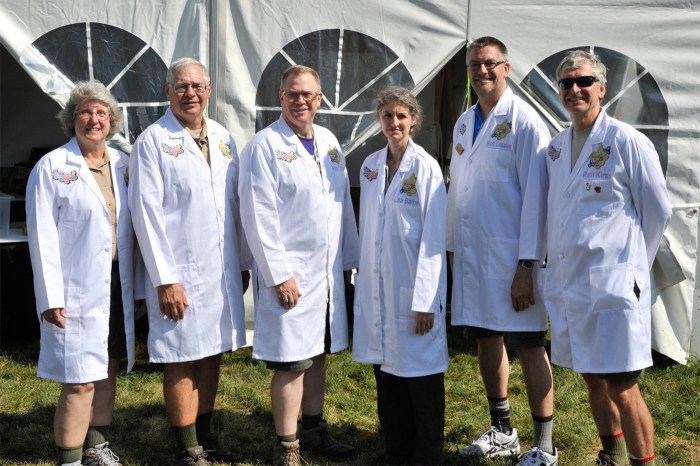
This summer, he will attend the National Jamboree, a 10-day event held once every four years, where thousands of Scouts experience outdoor adventure, learn new skills and connect with peers. He will be joined by Rein Kirss, a Northeastern chemistry professor, and D’Amico’s former instructor.
Scouting America prepares young people for “lives of impact and purpose” through programs focused on character development, citizenship, leadership, and physical and mental fitness. Its programs serve youths from kindergarten through age 21, offering activities from hiking and camping to sports, crafts and volunteering. Local troops are run by community organizations, supported by councils and volunteer leaders. Scouts earn merit badges while developing practical skills in areas ranging from first aid to robotics. More than 1 million youths and 628,000 volunteers participate across the U.S.
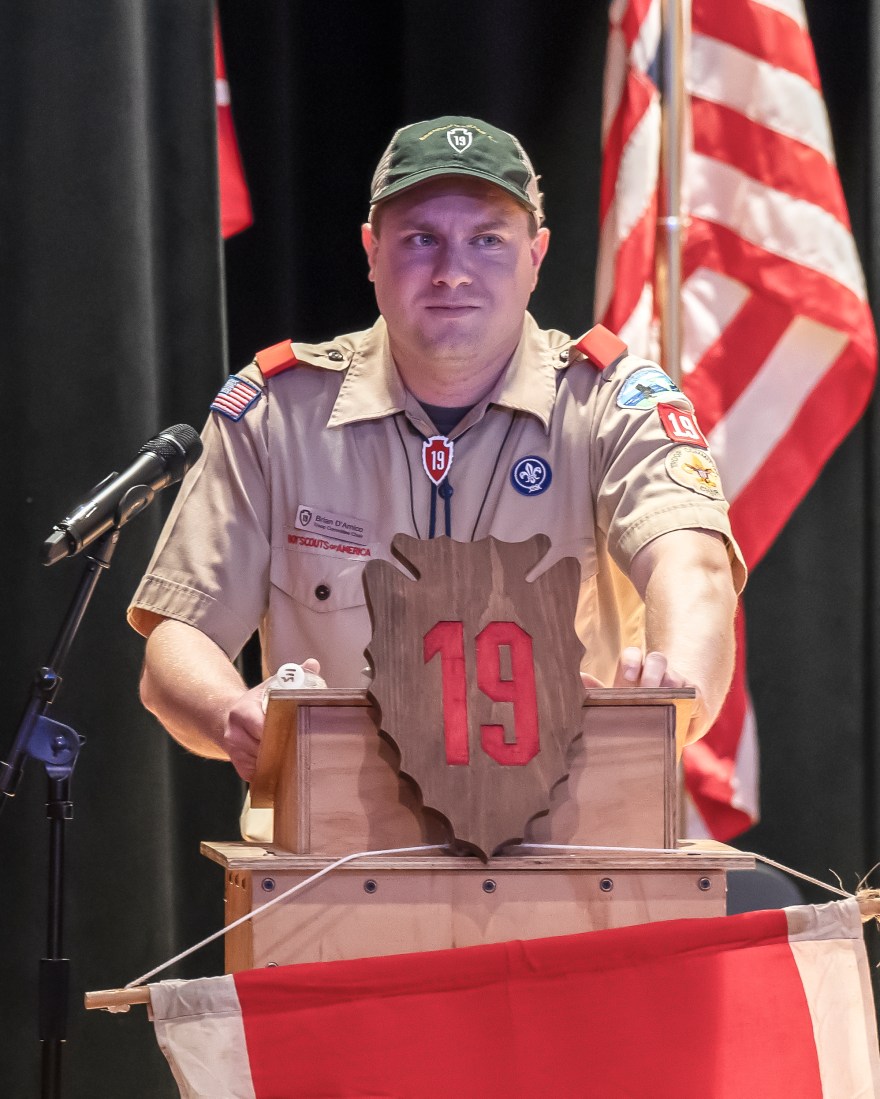
D’Amico currently serves as troop committee chair of Troop 19 in Weymouth, Massachusetts, and works with the Mayflower Council, serving MetroWest and South Shore areas. He also advises youth members through the Scouting honor society, the Order of the Arrow.
“My favorite thing is watching young people grow into good, decent people, which is really the goal of Scouting,” he said. “Being able to help them develop into leaders and people of character makes it worthwhile, even with long days and frustrations.”
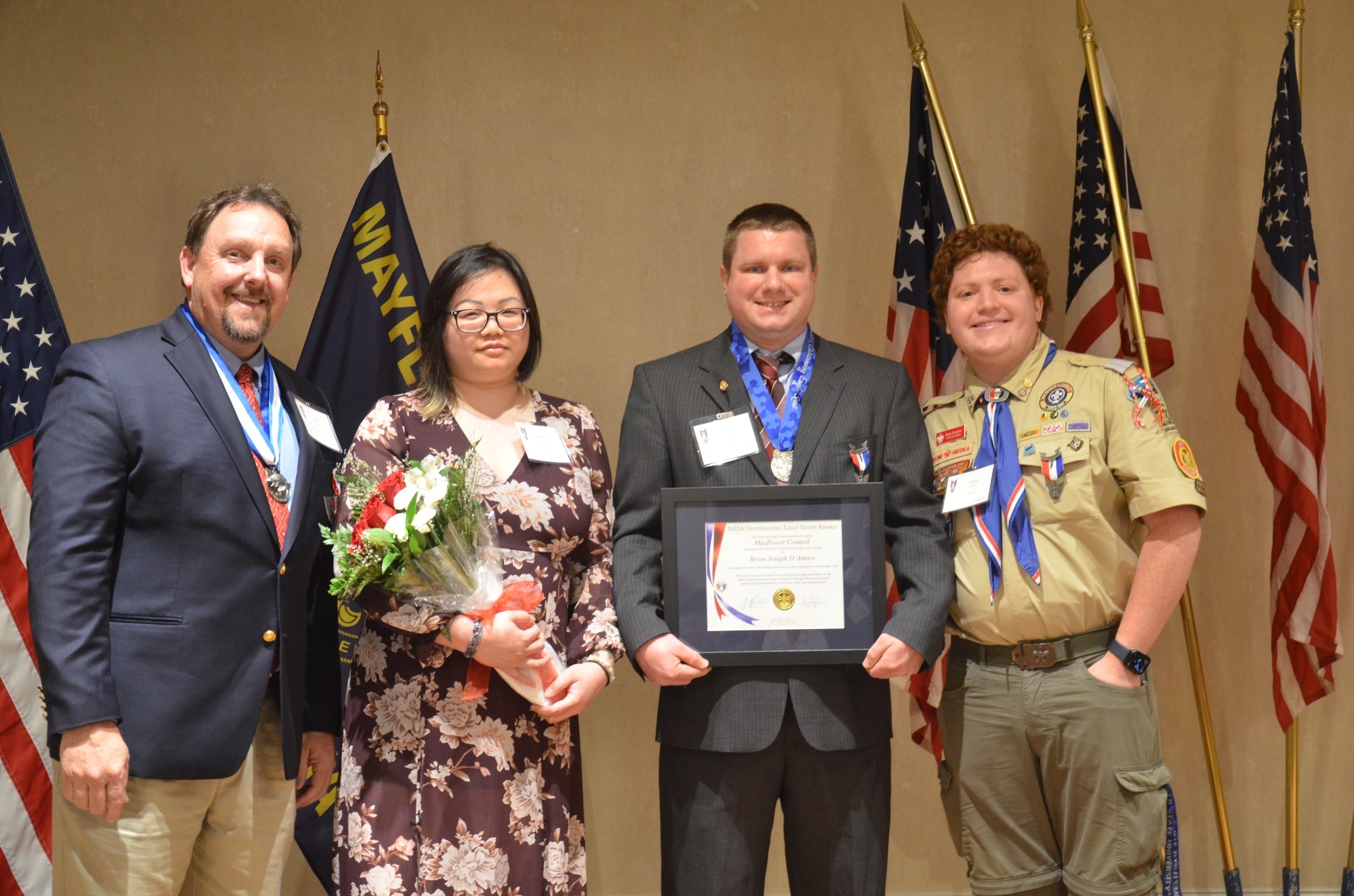
D’Amico was recently honored with the National Eagle Scout Association Outstanding Eagle Scout Award, recognizing Eagle Scouts for achievements beyond their Scouting years. He described the award as a “pleasant surprise,” noting that his professional work as a chemist and service to Scouting contributed to the recognition.
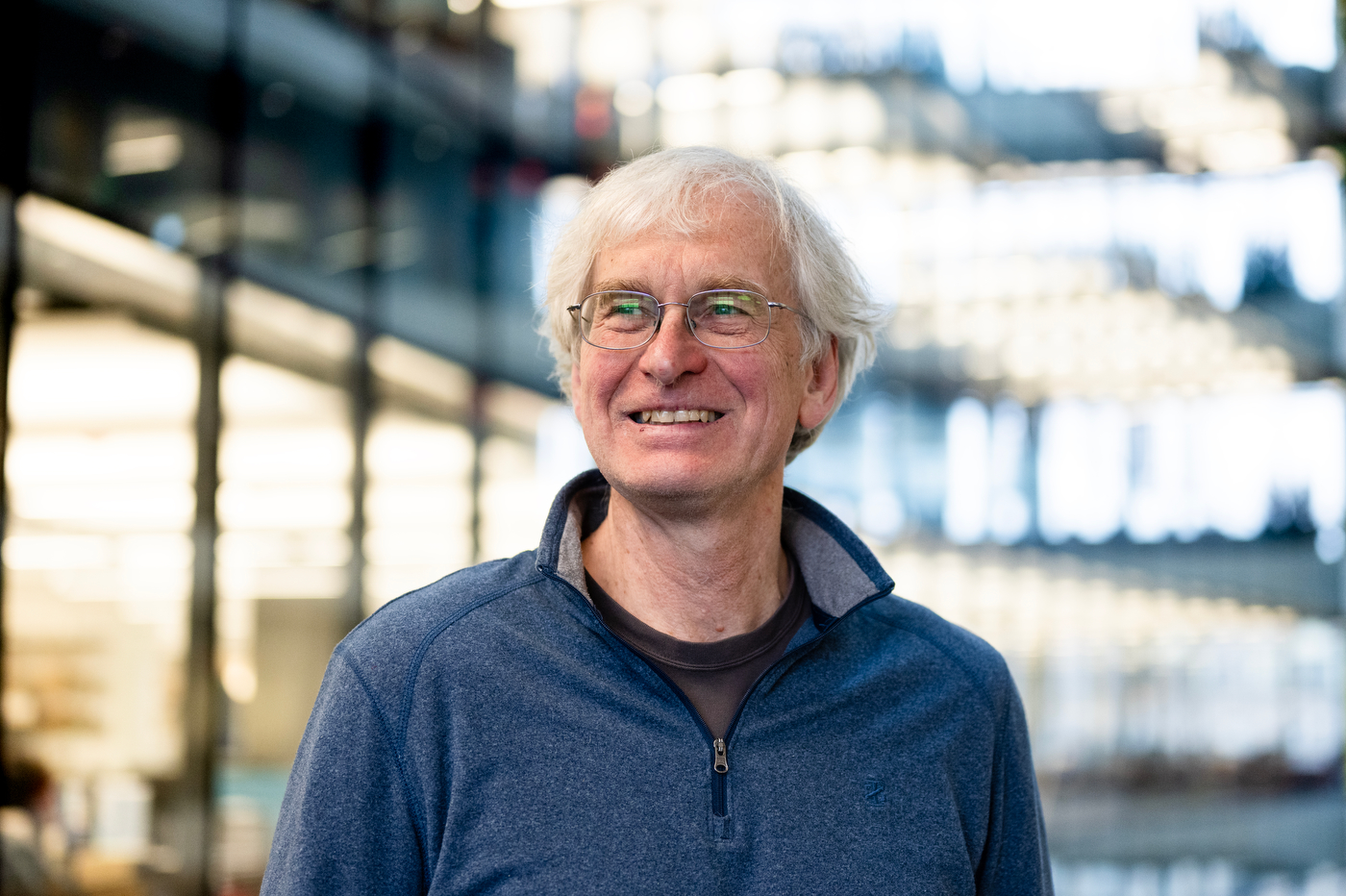
For Kirss, Scouting was not only a way to socialize and learn some skills but also to connect deeper with his parents’ Estonian heritage. His parents were World War II refugees from Estonia who escaped the Soviet Union.
Kirss grew up in Western New York in the 1970s and was a part of an American-Estonian Scout troop. Some leaders spoke Estonian and members wore a pin of the Estonian flag beside their Scouting regalia and attended ethnic summer camps.
Kirss enjoyed camping, hiking, and developing leadership skills.
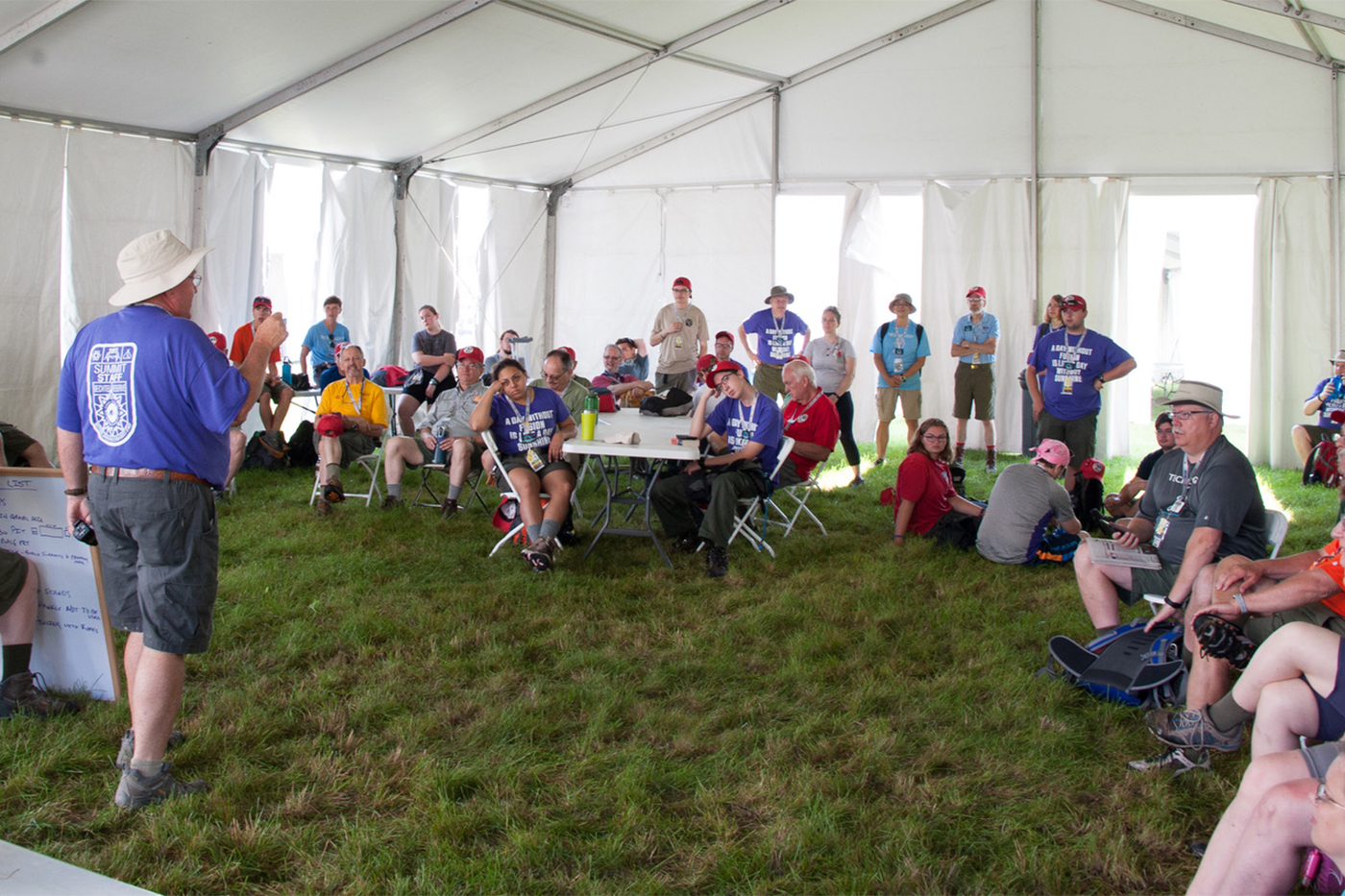
“Without that last piece, I would have been a lot less successful in my current job, being comfortable in front of a group of people,” he said.
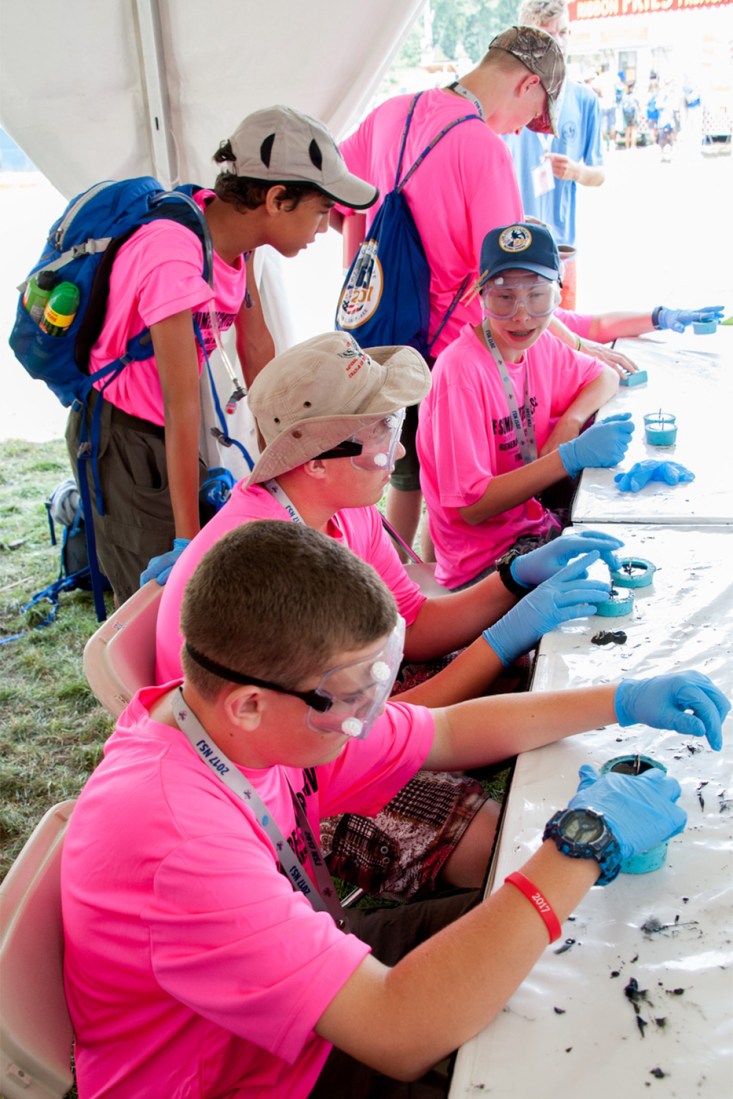
Kirss’ children followed in his footsteps: both sons became Eagle Scouts, and his daughter achieved the highest rank in Girl Scouts — the Girl Scouts Gold Award. As a parent, he served as assistant scoutmaster, troop committee member, and mentor at camps and trips. He also taught chemistry merit badge classes at multiple National Jamborees held in Virginia and West Virginia, including 2005, 2010, 2013 and 2017.
Editor’s Picks


He says he met some of the finest young people there, even though some Scouts fell asleep in his class on a 90-degree summer day with 95% humidity.
“If you don’t mind the discomfort, it is a fabulous experience to do,” Kirss said.
This summer, D’Amico and Kirss will teach chemistry at the National Jamboree.
“We’re going to have a brief bit of their attention to, hopefully, wow them with some basic chemistry … some sort of demonstrations that are exciting and might generate the interest in some of these young people into thinking about either pursuing chemistry or some other STEM-related field,” D’Amico said.
Their efforts build on programs like STEM Quest, which introduces Scouts to science beyond traditional merit badges.
Teaching 13- and 14-year-olds who are just starting to explore science, Kirss said, is “a very interesting challenge.”