A Healthy Me benefit
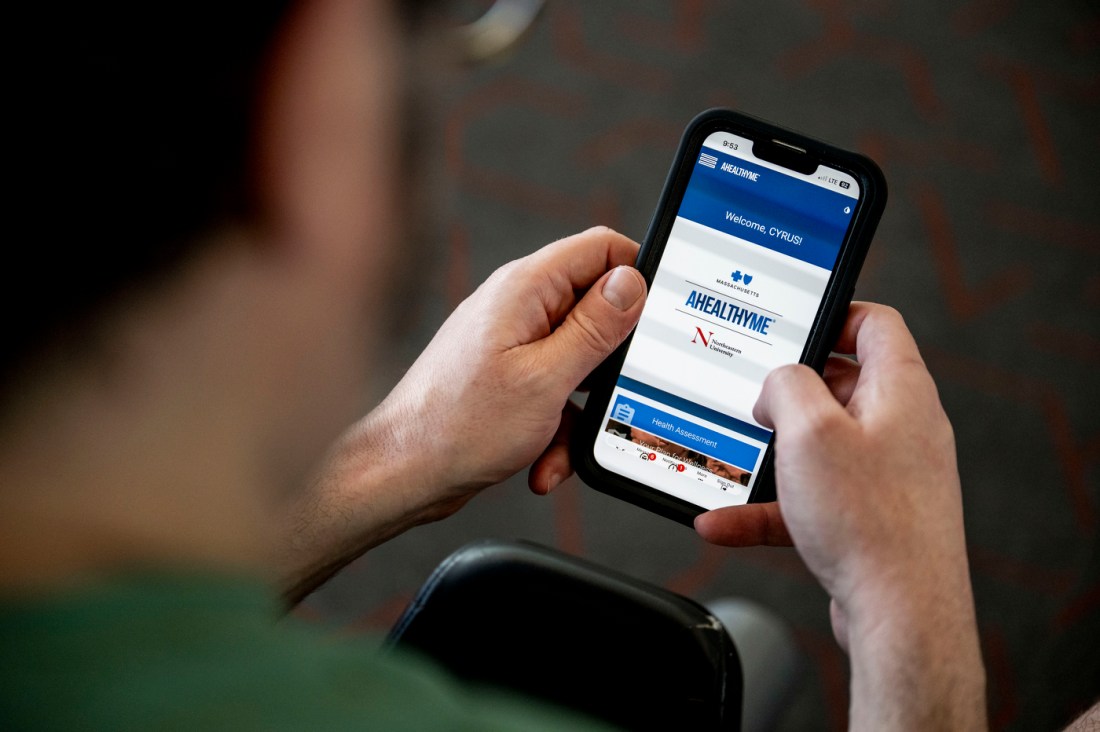
In the name of journalism – and fitness accountability – I signed up for AHealthyMe, the fitness and wellbeing program offered as part of university benefits.


I prefer my workouts solo, and I generally don’t do apps. Thus, I’m a little skeptical of an algorithm that offers group fitness “challenges” among its services.
But in the name of journalism — and fitness accountability — I signed up for AHealthyMe, a new wellness platform that lets users track habits, earn points towards rewards and access wellness resources such as educational content and videos.
The platform is part of Northeastern’s broader benefits strategy and is intended to help employees make lifestyle changes to achieve positive health outcomes.
So, what’s there to lose, I thought, other than a few pounds?
Plus, registration at this link was easy. I didn’t even need my insurance card.
Downloading the free Alaveda app — a second point of access for AHealthyMe — was similarly easy.
But I promptly disregarded a notification that a new “challenge” was available. Let’s see if I can commit to my own goals before I commit to an AI-generated recommendation.
Then came the 15-minute health assessment. This was a little surprising.
There were the standard questions, of course: height, weight, are you interested in losing weight, how often do you exercise, etc.
But other questions seemed alternately vague (do you live in the north, central or south of the United States?) and very specific (what is your eye color? Do you wear dentures?). There were explanations for each question, which was good – apparently, melanoma risk is higher for those with lighter eye colors. I guess they mean it when they say the assessment is “comprehensive.”
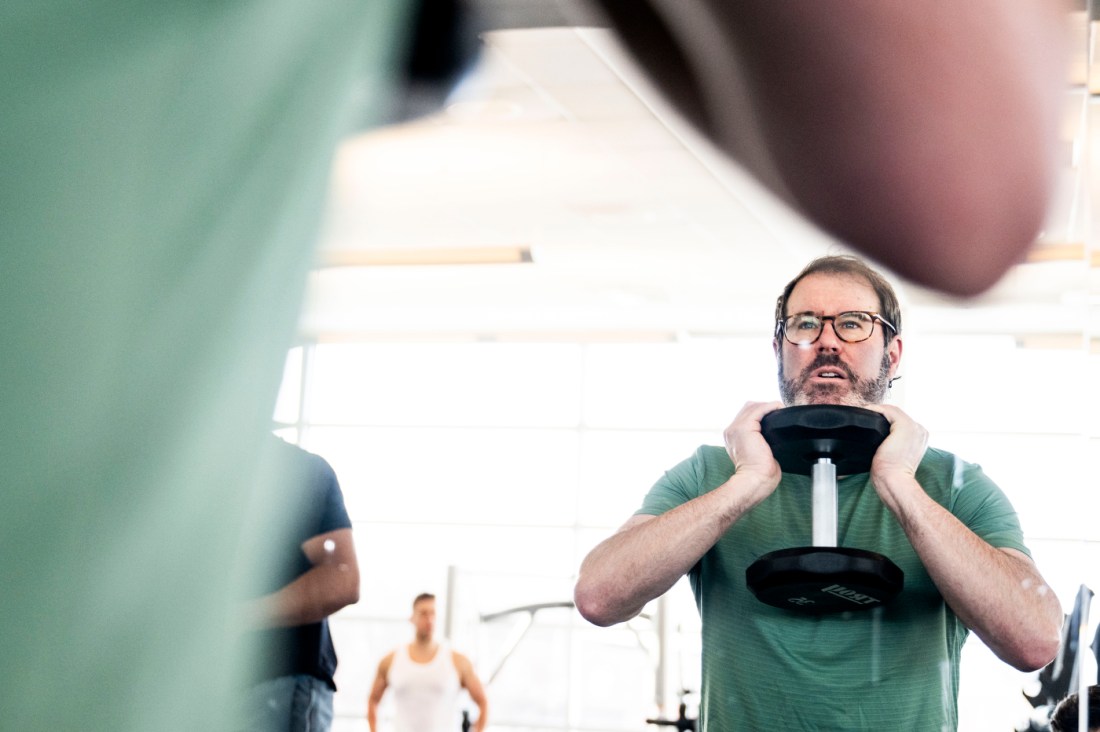
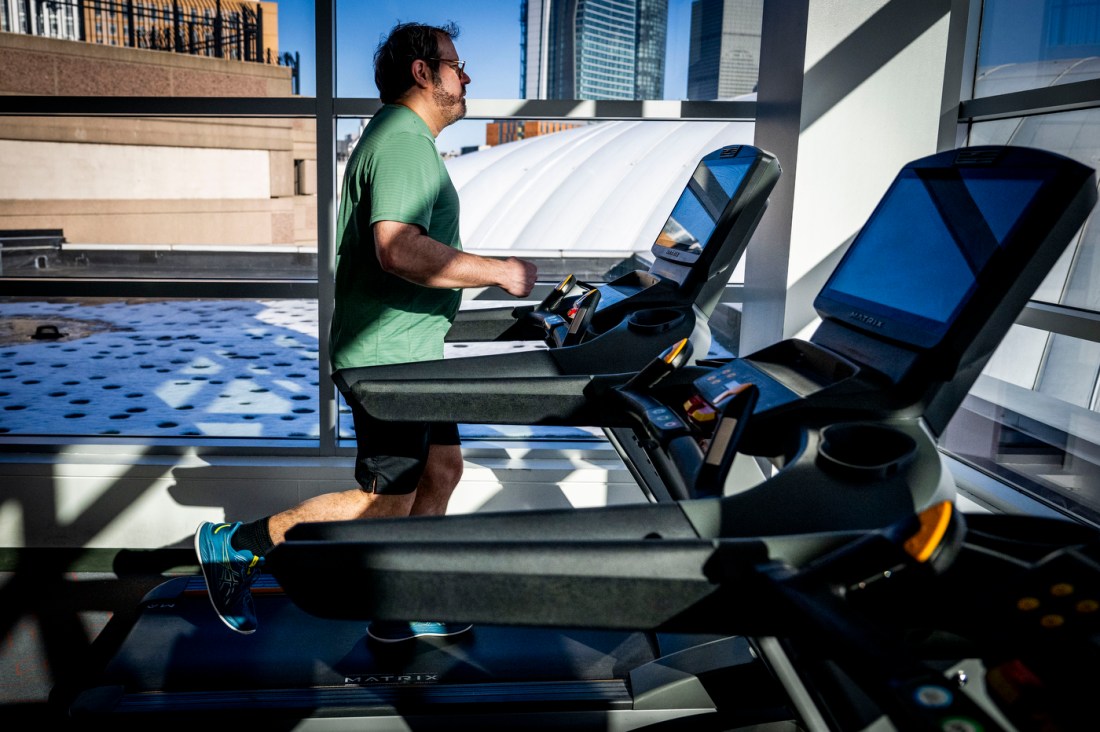
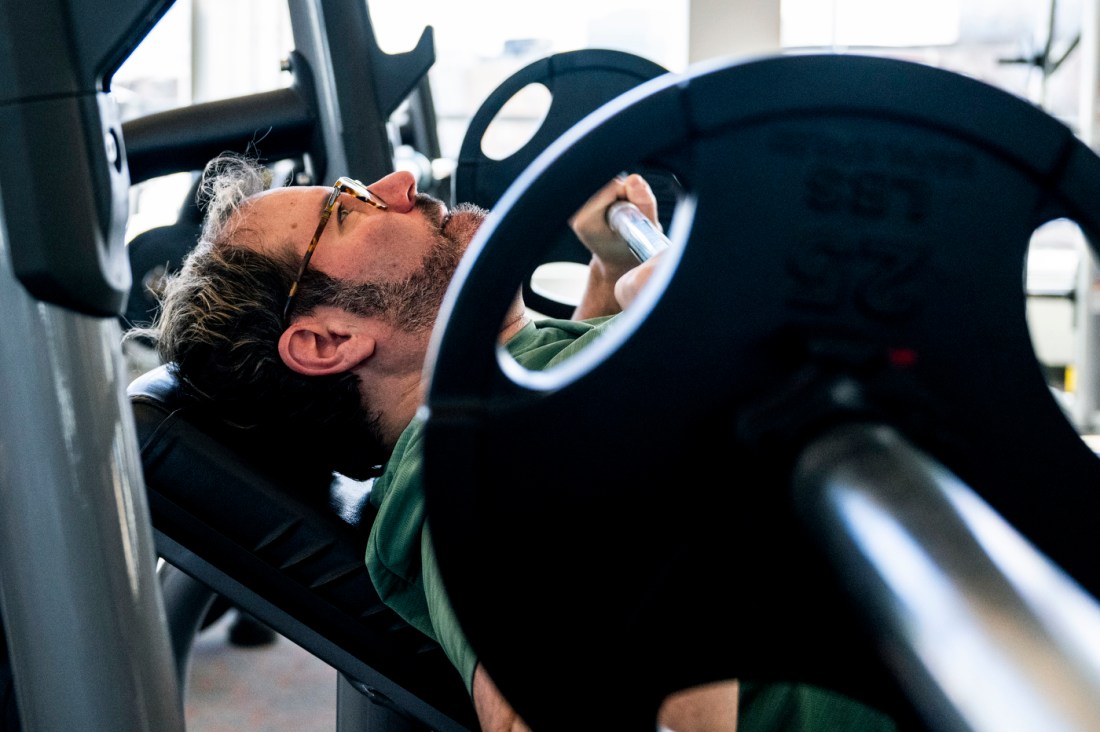
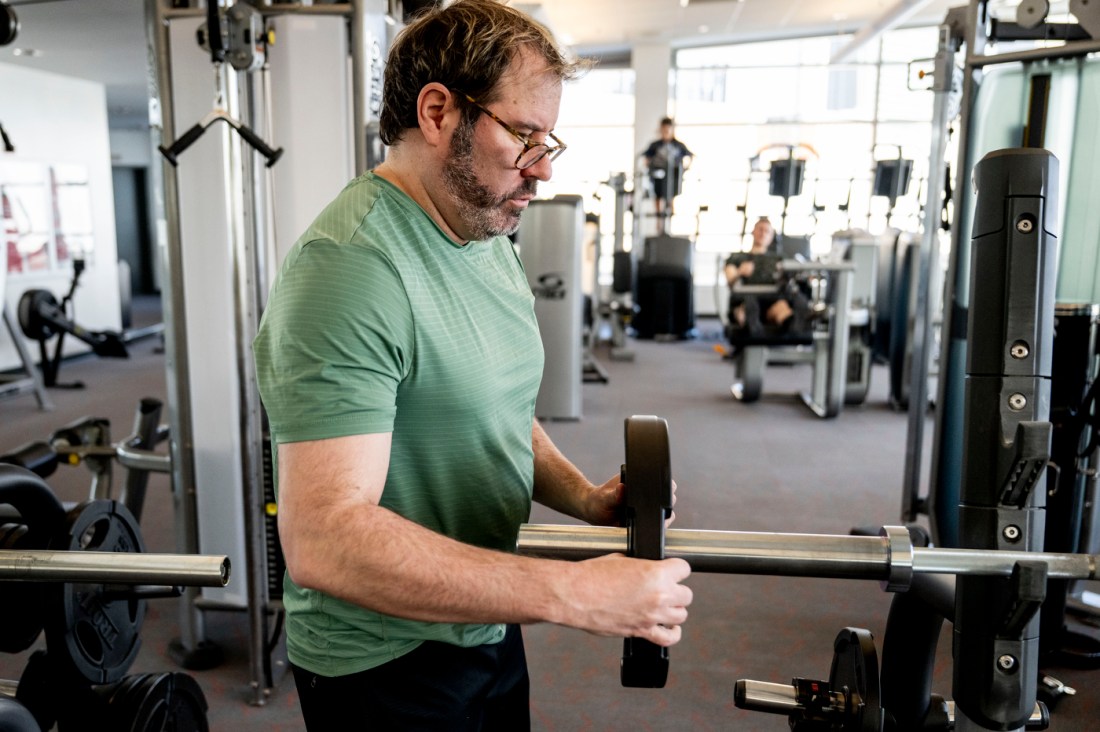
I was also, honestly, surprised at the result. I generally do resistance training three times a week and swim or run at least once a week. While surely the assessment is to establish a starting point, not to cast judgment, did I really warrant an assessment from the app of “unhealthy – poor health management?” Hmm.
But, be that as it may, I decided to improve.
So, I signed up for one of over a dozen Plans for Wellness that the program offers, specifically Overcoming Barriers to Exercise.
Day one was easy — I simply checked off that I read four statements about “Acknowledging the Problem.”
But maybe it was too easy. I’m honestly hoping it gets progressively more difficult and more accountable.
Granted, there are other aspects of the app that are available — trackers that are compatible with popular personal fitness devices and educational content.
So to explore these, I navigated back to the Wellness Challenges tile on the homepage to investigate the challenge I had ignored earlier. The challenge was to complete at least 30 minutes of physical activity for 20 days between Jan. 27 and Feb. 25.
I already planned to do that. Plus, although a challenge, it wasn’t a team challenge that implied needing the commitment or cheerleading of another person.
We’ll see if AHealthyMe helps me track it.