How Northeastern is helping expand the life sciences industry in Massachusetts
Northeastern trains students for entry level jobs through the Pathmaker program.

When Jonathan Kibirige moved to Andover, Massachusetts, from Uganda in March, he wanted a change from working in shipping logistics.
Through connections in the biotech industry and the power of LinkedIn, the 34-year-old found the Pathmaker program, a training program offered through Northeastern University and funded by the Massachusetts Life Sciences Center that helps people obtain the experience needed to pursue entry-level jobs in the state’s life sciences industry.
Pathmaker programs train people in the skills they’ll need to work in a lab in Massachusetts’ life sciences industry, whether it’s biomanufacturing, basic lab practices or the skills needed to work in cell and gene therapy manufacturing.
“I have a love for science and I felt this was going to be a game-changer for me to grow and also make an impact on people’s lives, especially in the health sector,” Kirbirige said.
MLSC founded the Pathmaker program through a pilot in 2021 after the COVID pandemic.
According to MLSC, Massachusetts is home to one of the top life sciences ecosystems with over 1,000 life sciences companies based here and over 160,000 industry employees. But it’s not always easy to find people qualified to fill entry level roles.



Sanaa Jehi, an associate teaching professor and faculty lead in the PSM biotech program at Northeastern University, worked as a researcher for companies like Thermo Fisher Scientific and now helps Northeastern students find jobs in the industry. She said the biotech industry is facing challenges because of funding restrictions and high competition among applicants.
“Entry-level jobs are the backbone of biotech,” said Jehi. “Lab technicians, quality controls and insurance, assurance technicians, regulatory roles … these roles require one skill that’s very developed. This program really targets (that).”
Given the pandemic’s impact on the workforce and the growth of the biotech industry, MLSC decided to create the program to allow a standardized, accelerated pathway into the field while also opening these roles to new candidates. Pathmaker’s goal is to expand access to the life sciences workforce across the state by providing funding to training organizations that can then create programs to help people earn certifications for these jobs.
Northeastern has been involved for about two years now, said Jared Auclair, principle investigator of the Pathmaker program, chemistry and chemical biology professor and dean of the College of Professional Studies, which the Pathmaker program falls under. So far, three cohorts have gone through the program, amounting to 75 total students. With the new funding, they plan to have another seven cohorts over the next two years that will accommodate 175 more students.
“It’s about doing training in a holistic way that includes student support and giving skills to students to help them enter the workforce in the biotech space, particularly biomanufacturing,” Auclair said. “It presents an opportunity for individuals to enter the workforce in the life sciences and then to progress up the ladder by getting additional credentials.”
The training focuses on teaching participants the basics of protein therapeutic and cell/gene therapy manufacturing.

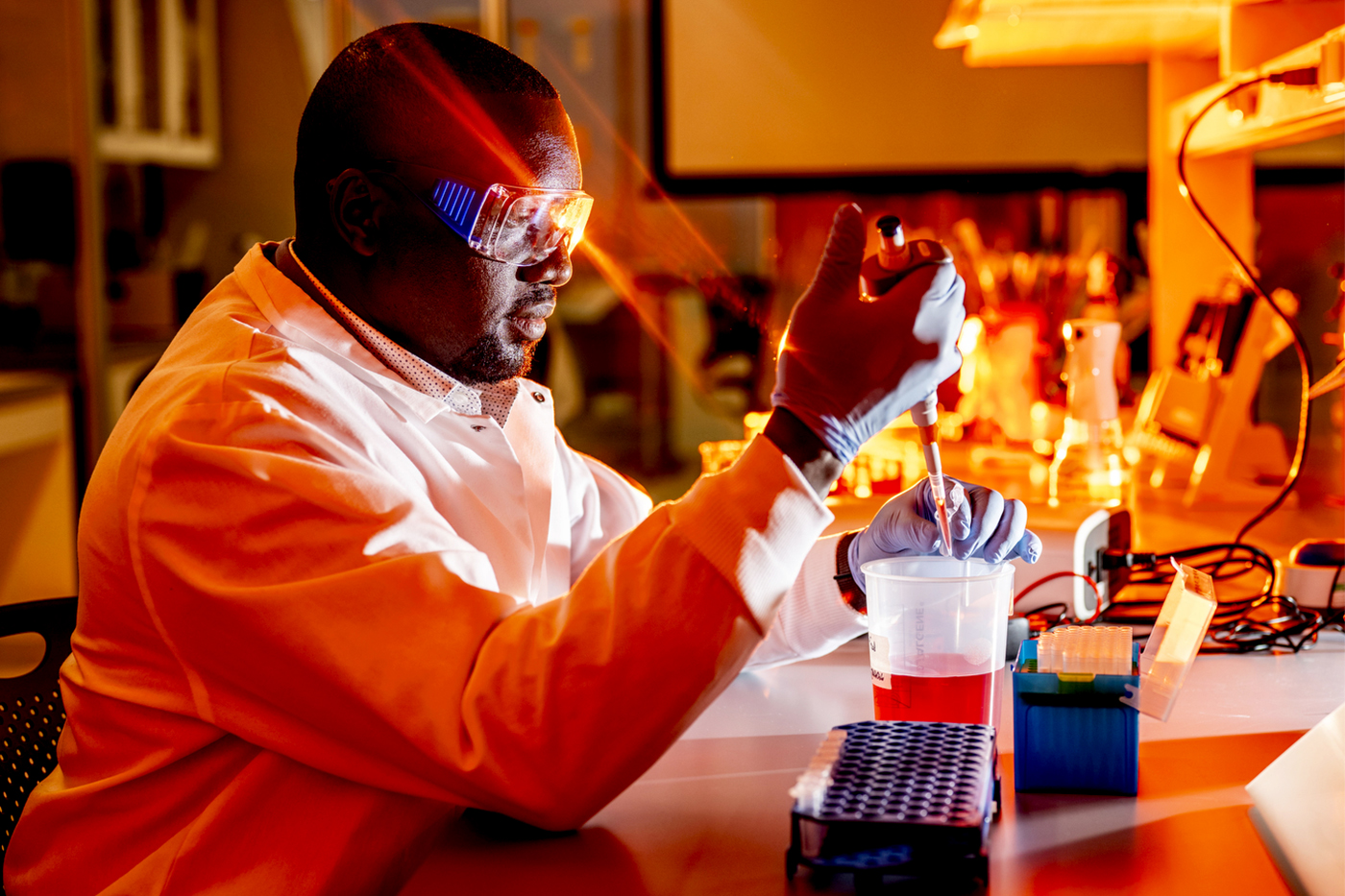
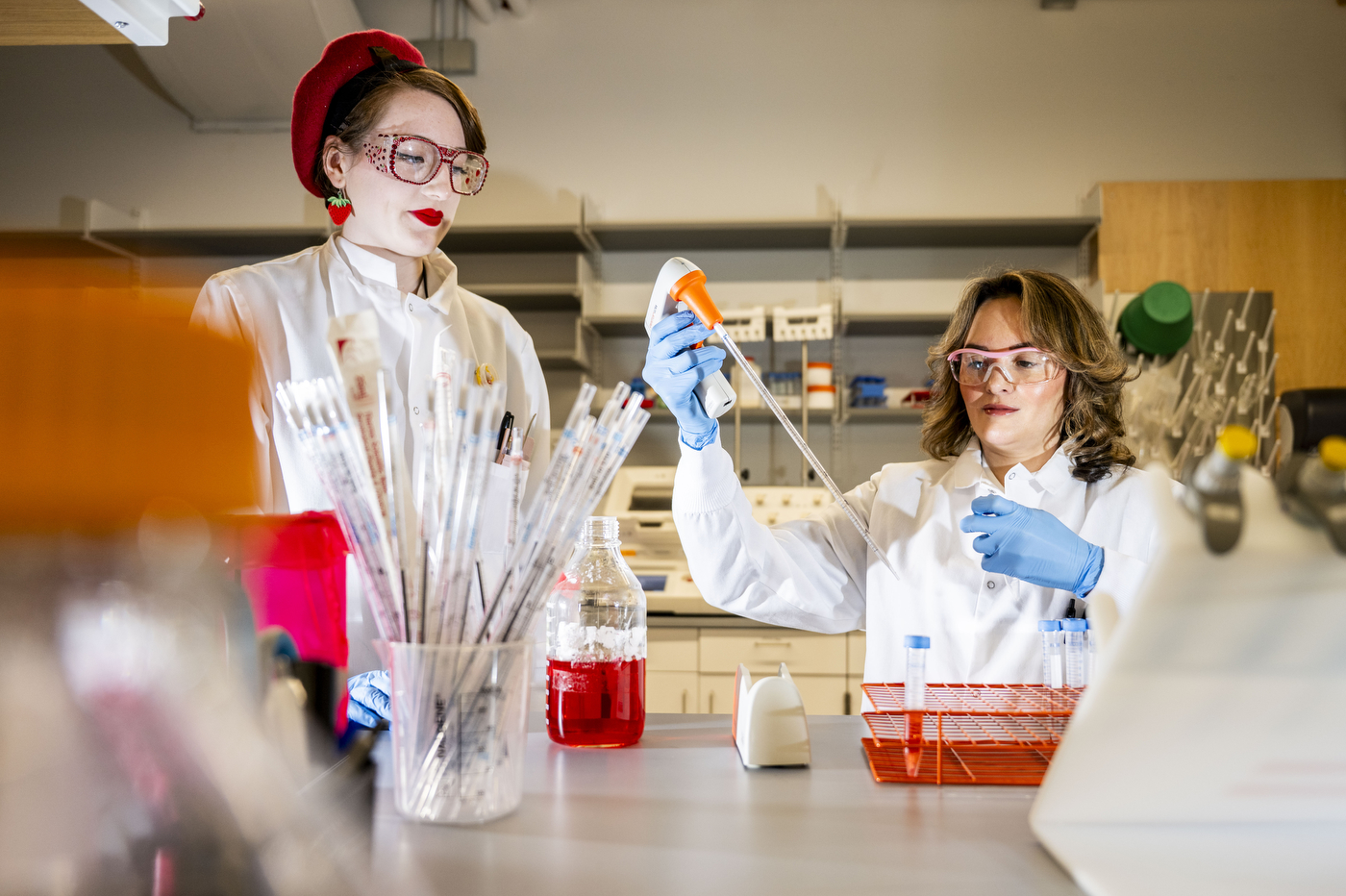

Kirbirge said his classes focused on a mix of theory and practice, with students getting the chance to try out the methods they were learning in class.
The instructors work at the Center for Bioinnovation’s Biopharmeceutical Analysis and Training Laboratory on Northeastern’s Innovation Campus in Burlington and bring their experience working in a lab space. Eduardo Sanchez, a lab supervisor, senior scientist and part-time instructor in the master of biotech program, channels his background in chemical research and working at the Centers for Disease Control and Prevention into instructing students in Pathmaker, often mixing in-person lab days with virtual instruction.
Sanchez said the cohort he taught had students from a variety of backgrounds, mostly between the ages of 20 and 35. Some worked in professional fields like accounting and wanted to transition careers. Others worked jobs like driving for Uber and wanted to start building a career.
“It’s people hesitant to make big career switches and then people who are just looking for more opportunities,” he said. “It makes teaching a little challenging, but everybody’s coming in with a lot of enthusiasm and, for the most part, are in the same boat where they don’t quite know what’s going on.”
Editor’s Picks


The program is free of charge and available to people without a science background. MLSC recently awarded Northeastern University $1.9 million to fund 175 spots in training at the Burlington campus, allowing the program to expand.
Auclair said this recent funding will be used on stipends for students and to bring on a community manager who ensures students have support beyond their training program to find a job.
“We’re going to use (this funding) to build and coordinate the ecosystem, which will lay the groundwork for expanding the Pathmaker approach in other technical spaces like advanced manufacturing,” he added.
Vidhartha Deonarain, director of economic development and partnerships at MLSC, said Northeastern was chosen for the funding because the university brings academic expertise, high-quality facilities that support hands-on training, and offers support to make training accessible to people with varied backgrounds and to help them find jobs afterwards.
“Many Pathmaker alumni from Northeastern have gone on to secure jobs in a wide range of life sciences roles, while others have chosen to continue their education and build on the skills they gained through the program,” Deonarain said. “Both outcomes reflect exactly what Pathmaker is designed to do, which is create flexible, accessible pathways into life sciences careers.”
Shortly after completing the program with a certificate in Biomanufacturing of Cell and Gene Therapies, Kibirige was hired as a biotechnologist associate at Lonza, a pharmaceutical manufacturing company based in Portsmouth, New Hampshire.
“There’s so much demand for people in the biotech industry,” he said. “The Pathmaker program is good for people without any experience in the field. It’s been a good program for me because most of the basics that we’re able to learn during the program have been able to guide me in my work right now.”


