How to talk with your doctor about HRT now that the black box warning has been removed
HHS removes black box warning. Experts weigh in on hormone replacement therapy


Hot flashes and night sweats are miserable, as anybody going through menopause can tell you.
But “black box” warnings on hormone replacement therapy (HRT) that warned of heightened risks from breast cancer, stroke or dementia were enough to discourage physicians and their patients from utilizing the pills, patches and creams that alleviate menopausal symptoms for years, according to Northeastern University professor Carla Bouwmeester.
With the Food and Drug Administration now calling for removal of the boxed warnings, Bouwmeester said there’s no better time for menopausal patients to talk with their providers about the best course of action when it comes to pharmaceutical relief.
“There are many people who can really benefit from HRT,” said Bouwmeester, a clinical professor of pharmacy and health systems sciences. “The symptoms of menopause can be very debilitating for some people, and having potential treatment options is really important.”
Figuring out the right medication is important, said Rupal Patel, a Northeastern professor who studies how menopause changes women’s voices.
“It’s really important to understand there’s multiple different kinds of medication, and it’s important to figure out what’s appropriate for you,” Patel said.
Lifting the black box warning
Black box warnings are located at the top of medication package inserts and are the most serious type of warning issued by the FDA for a prescription drug, Bouwmeester says.
The label was applied to HRT in the early 2000s after the Women’s Health Initiative, a long-term national study, found increased risk of blood clots and strokes from oral estrogen and increased cases of breast cancer from combined estrogen and progestin therapy.
When Health and Human Services Secretary Robert F. Kennedy Jr. announced Nov. 10 that the FDA was lifting the black box warning, his agency issued a statement saying research actually shows benefits outweigh risks when starting HRT within 10 years of the onset of menopause.
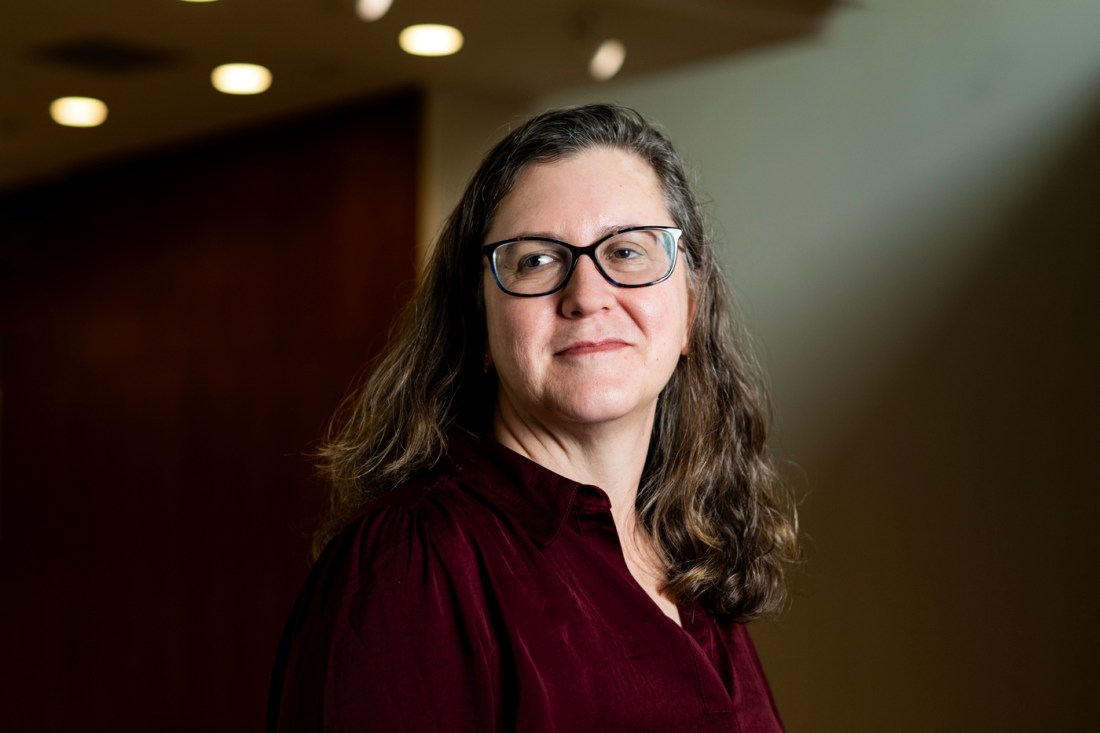

“The products that we have, the doses we use and how we’re using it have really changed” over the past decades, Bouwmeester said. “There’s also a difference between when you start hormone therapy as well.”
In women under age 60, “we did not see adverse effects and actually the opposite was true. They actually found beneficial cardiac effects,” she said.
The results were different for women over 60 and those 10 years past menopause, Bouwmeester said. They faced increased risk from HRT because their arteries had hardened from a lack of estrogen.
Pill, patch or cream?
One of the problems with the black box warning was that it was applied to different types of HRT, regardless of usage or dose, she said.
“The boxed warning applied to every estrogen product, whether it’s an estrogen pill you’re using for vasomotor symptoms like hot flashes or low-dose estrogen creams that may be used vaginally for genitourinary symptoms,” Bouwmeester said.
Estrogen from pills and patches circulates throughout the body and is the type of HRT that carries greater risks for adverse effects, she said, adding that it may not be suitable for older patients.
Editor’s Picks




But vaginal rings and creams can deliver estrogen at safe low doses for those ages 70 and even older to combat urinary incontinence and vaginal dryness associated with menopause, Bouwmeester said.
“We were limiting the use of a very beneficial medication because of this black box warning,” she added.
The black box warning remains in effect “for endometrial cancer for systemic estrogen-alone products,” according to Health and Human Services.
“If you’re taking systemic estrogen and you have a uterus — you have not had a hysterectomy — you really need to take it together with progesterone,” Bouwmeester said.
Talk with your health care provider
Amy Agigian, executive director of a women’s health advocacy organization, Our Bodies Ourselves, emphasized the need for women to discuss risks and benefits of HRT with expert practitioners.
The claim that systemic HRT is protective of heart and brain health and can even help prevent Alzheimer’s “is just not supported by evidence,” she said.
“This is not to say women should not take it or women should take it. It’s a complex medical issue,” said Agigian, whose organization is known for publishing the Our Bodies Ourselves book that marked a feminist milestone when first released in 1970 under the Boston Women’s Health Collective.
The lifting of the black box warning puts the emphasis on individual patient needs, Bouwmeester said. “It’s having a conversation with your health care provider rather than having a blanket statement on every estrogen product.”
“Does a person have a history of breast cancer? Do they have a history of heart disease or stroke?” she said. Bouwmeester said these are the types of things patients need to bring up with their health care provider.
“People don’t talk about menopause enough, or the changes that happen with aging,” she said. “Depending on the symptoms, you can target therapy for those.”
“There are 25 symptoms that are associated with menopause,” Patel said. But “we hear about the main ones,” such as hot flashes.
Others include diminished vocal projection that can lead to neck and shoulder pain as well as fragmented sleep, Patel said. She said it’s crucial that patients see a doctor who understands women’s health and the myriad ways menopause can affect their lives.
For systemic HRT such as pills and patches, the FDA recommends patients talk with their physicians about starting treatment within 10 years of the onset of menopause or before age 60.
For its part, the Women’s Health Initiative maintains its stance that oral menopausal hormone therapy “should not be used for chronic disease prevention” and should be limited to the lowest dose for the shortest time needed.


