With ‘Stranger Things,’ Netflix turned Hollywood upside down. Now it’s just more of the same
Netflix’s supernatural 1980s nostalgia fest is coming to an end. One of the biggest successes of the streaming era, “Stranger Things” reveals just how much Netflix and Hollywood have changed, and not for the better.

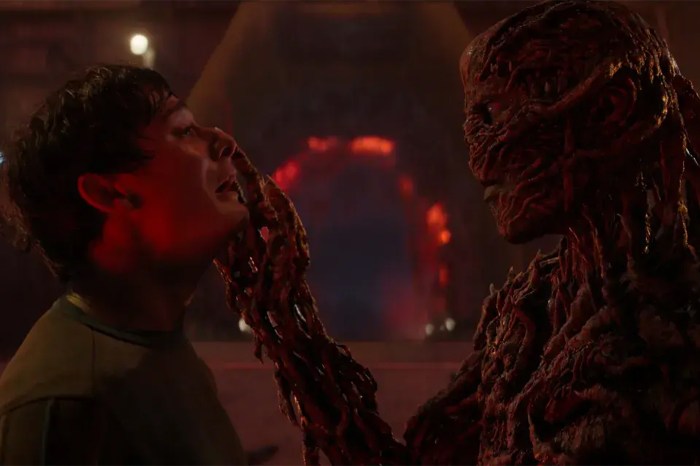
The end is nigh for Hawkins, Indiana. After nearly a decade, fans of Netflix’s supernatural drama “Stranger Things” will bid goodbye to the fictional Midwestern town and its population of nerds, telekinetic teenagers, shadowy government forces and alternate dimension threats.
The fifth season of Netflix’s massively successful series, which chronicles the 1980s misadventures of a group of Hawkins teens, the adults in their lives and their battle against nefarious supernatural and governmental forces, marks the end of an era. It’s a curtain call not only for one of the most consequential shows of the streaming era but for the version of Netflix that created it.
Looking back on the nearly 10-year journey of “Stranger Things” is a lesson in how much Netflix, streaming and Hollywood have changed, and not always for the better.
“[Netflix] was this explosive way of delivering brand-new content and then suddenly they had to compete,” said Laurel Ahnert, an assistant teaching professor of communication studies at Northeastern University. “Now we see them doing what studios have been doing all along.”
In its early days of creating original streaming-only content, Netflix adopted a shotgun approach to achieve rapid growth. Shows like “Stranger Things,” original ideas from otherwise unknown creators, benefited from that. The streaming business model is about building a library, Ahnert said, and Netflix needed to create and host a variety of shows and movies that would keep people coming back.
As Netflix started to roll out its first set of original programming, it was labeled a disruptor to the traditional Hollywood studio system. At the same time, it also promised a return to Hollywood’s heyday, said Steve Granelli, a teaching professor of communications studies at Northeastern. Without the commercial demands of ad breaks or TV time slots, creatives could make what they wanted, how they wanted.
“There was a level of imbued prestige on a lot of these shows because of the perception of the removal of a lot of these restrictions,” Granelli said.
Starting in 2013, the first set of Netflix original shows set a high bar in terms of scope, scale and budget, one that would ultimately prove difficult to deliver on consistently.
Northeastern Global News, in your inbox.
Sign up for NGN’s daily newsletter for news, discovery and analysis from around the world.

Political thriller “House of Cards” teamed Oscar-winning actor Kevin Spacey with David Fincher, the acclaimed director of “The Social Network” and “Fight Club.” The drug war historical drama “Narcos” had an international cast and was filmed on location in Colombia and Mexico. Even with the first season of “Stranger Things,” Netflix threw $6 million per episode at relatively unknown creators and actors. That’s now considered chump change relative to later seasons.
At a time when the Marvel Cinematic Universe was dominating theaters with an assembly line-like content strategy, the success of “Stranger Things” showed “a general level of faith in storytellers” and original ideas untethered from existing franchises, Granelli said.
By greenlighting so many shows and movies, Netflix inevitably struck gold with something. Across its first four seasons, “Stranger Things” remains one of the most popular shows on the platform. The fourth season is the third-most-watched series ever on the platform, with 140.7 million views and 1.8 billion hours viewed, according to Netflix.
However, Netflix has largely left behind the strategy that spawned “Stranger Things.” Nine years later, “Stranger Things” and Netflix have both grown into larger and much more traditional creatures of Hollywood. With over 300 million global subscribers, Netflix has gone from disruptor to industry stalwart at a time when even legacy studios like Warner Bros. are uncertain about their futures in the aftermath of the COVID-19 pandemic and 2023’s writers and actors strikes.
Editor’s Picks




Netflix dragged those studios into the streaming era, but the Netflix of today now looks a lot like the traditional TV broadcasters it stood in opposition to. Most notably, Netflix and nearly every other streaming platform now offer a cheaper, ad-based subscription tier.
That shift toward ad revenue comes in the aftermath of platforms like Netflix spending billions on content every year. That comes down to the amount of content being produced — 539 original titles in 2024 — but also the sheer scale of increasingly vital flagship productions like “Stranger Things” that drive subscribers.
“Stranger Things” has come to represent the ballooning episode lengths and blockbuster-worthy visual effects of a certain kind of prestige show that comes with a hefty price tag. Netflix has been cagey about how much money it has spent on “Stranger Things,” but a report from Puck put the budget of the final season at $50 million to $60 million per episode.
Weighty budgets, the demands of retaining and growing a global subscriber base and more competition have forced Netflix to pump out content at a brisk pace. Those practical demands come with a creative catastrophe for Netflix that, more than a show like “Stranger Things,” could define its legacy in Hollywood.
“Your earnings sheet will definitely change your artistic pursuit,” said Dennis Staroselsky, an actor, writer and producer who also teaches acting at Northeastern. “If you talk about the initial promise, it was essentially saying, ‘We’re going to take the mantle from HBO Sunday nights and give you more.’ They certainly delivered on giving us more.”