A global wastewater surveillance program could have stopped the spread of COVID-19, Northeastern researcher says

Share
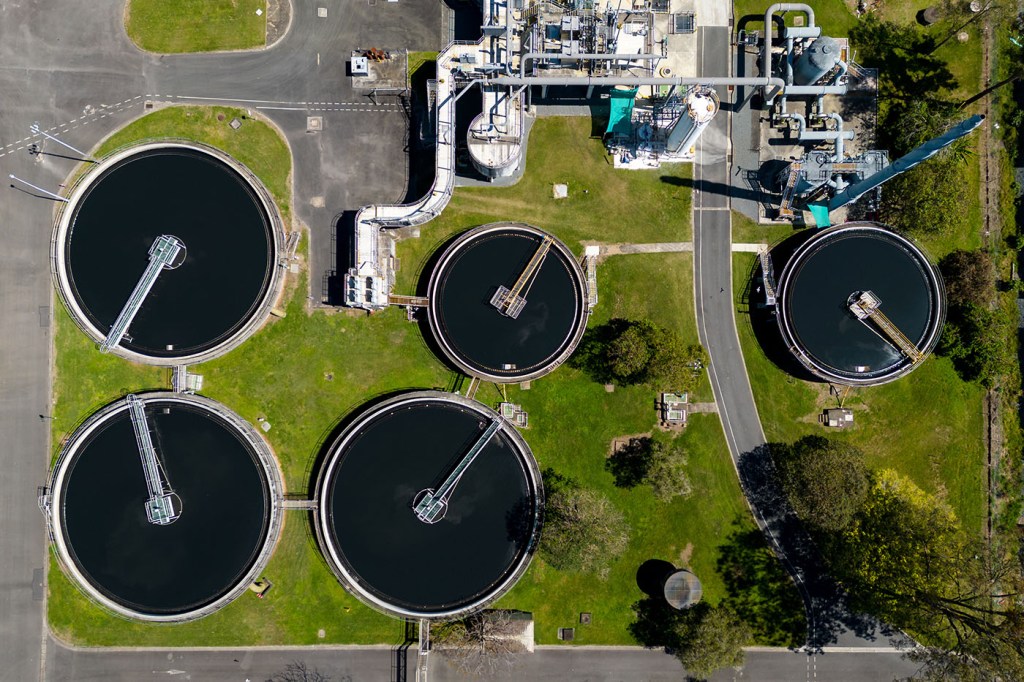
Maintaining and enhancing wastewater surveillance programs that sprung up around the globe in response to COVID-19 will be key to halting the next pandemic, a Northeastern researcher says.
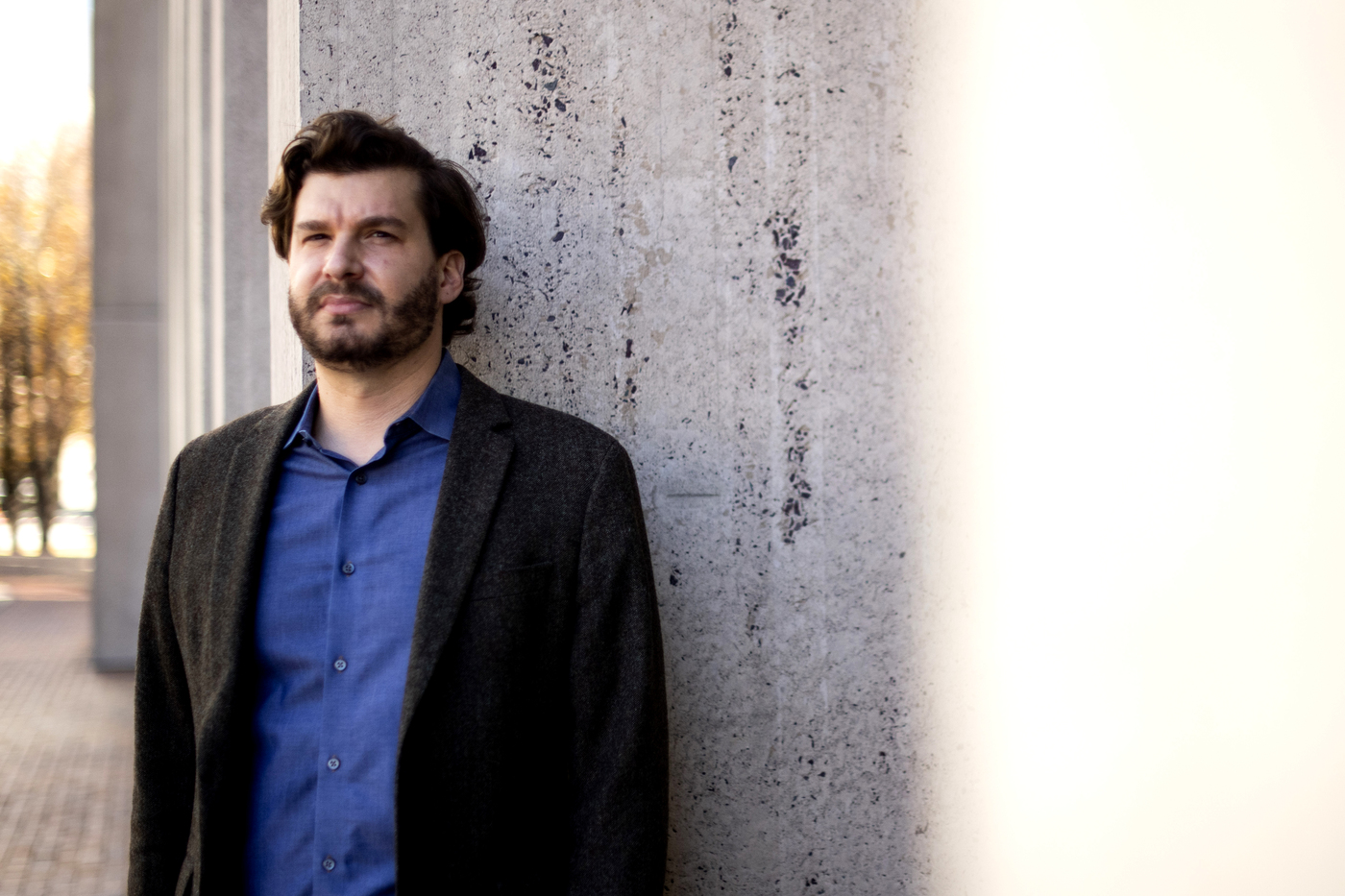
“If we’d had the kind of wastewater surveillance systems that now exist in most places, I think we would have stopped” COVID-19 from spreading, says Samuel V. Scarpino, director of AI and Life Sciences at the Institute for Experiential AI at Northeastern.
Scarpino is co-author of a new paper in The Lancet Global Health that says a survey of 43 countries shows the promise of wastewater surveillance as an early warning system in mitigating future global health threats.
“The paper is the first international assessment of what folks did during the pandemic and what we need to do to ensure that this technology is useful going forward,” he says.
“We want to make sure that the infrastructure and the knowledge that was built during the pandemic around wastewater surveillance can be leveraged for routine infectious disease surveillance, and we’ll be ready the next time we have to respond to an international infectious disease threat,” Scarpino says.
He says the survey was a collaborative effort between the United Kingdom Health Security Agency, The Rockefeller Foundation Wastewater Action Group and Northeastern University, with help from the Mathematica consulting group.
The researchers convened a workshop for representatives from 60 countries, all but 17 of whom filled out the survey, Scarpino says.
“The most important finding is that wastewater surveillance is everywhere. It’s in Boston; it’s in Bangalore, India. It’s in London and in refugee camps.”
“It’s in places where you have sewer systems, and it’s in places where they are sampling from latrines or open drains,” Scarpino says.
“In most of these places, including the U.S., (health officials have) moved past COVID and are now doing surveillance for multiple pathogens—cholera, typhoid, RSV, norovirus—a whole host of pathogens that we deal with, day in and day out, from a global health perspective,” he says.
The paper is the first international assessment of what folks did during the pandemic and what we need to do to ensure that this technology is useful going forward.
Samuel Scarpino, director of AI and Life Sciences at Northeastern’s Institute for Experiential AI
Early warning system
Wastewater surveillance is a more efficient way of screening communities for pathogens. It effectively involves “swabs from sewage” instead of “swabs from noses,” Scarpino says.
The Lancet Global Health paper says only about a third of countries surveyed shared their surveillance results publicly, although most were willing to do so in the future.
Scarpino says Northeastern’s Institute for Experiential AI is working on a model program, called federated learning, that would allow countries that aren’t sharing information publicly to set up an alert system when pathogen levels in wastewater rise or new pathogens are introduced.
To use an analogy, it would be like a map that lights up to indicate hotspots, he says.
In the case of COVID-19, wastewater screening means “we would have seen it in northern Italy, we would have realized it had already spread much further than we had anticipated,” Scarpino says.
“Most disease detection systems currently rely on testing and other clinical data — which means they miss millions of people,” Megan Diamond, co-lead author of the Lancet Global Health paper and director of The Rockefeller Foundation’s Health Initiative, says in a Rockefeller press release.
“Monitoring wastewater offers a more complete picture of local health, and this survey demonstrates it’s being used effectively in some of the world’s most vulnerable communities,” Diamond says.
AI looking for novel pathogens
Wastewater screening in places like refugee camps is already key to responding early to outbreaks of cholera and typhoid and saving lives, Scarpino says.
What if the pathogen—like SARS-CoV-2—is new on the scene?
That’s where the Institute for Experiential AI enters the picture again.
“We’re working on using artificial intelligence to screen sequencing data coming from wastewater to look for truly novel pathogens,” Scarpino says.
Researchers are training neural networks to look for shifts in populations of pathogens, to see if new pathogens are displacing existing ones, he says.
“The actual distribution of what pathogens are present in the wastewater will shift if there’s a new infection.”
Scarpino says there hasn’t been a lot of coordination across jurisdictions within countries and between countries on wastewater surveillance data.
“That’s starting to change,” he says.
Cynthia McCormick Hibbert is a Northeastern Global News reporter. Email her at c.hibbert@northeastern.edu or contact her on Twitter @HibbertCynthia.