This old research tool can teach an iPhone some new tricks
The microfilm reader enables users to view miniature photographs of pages from newspapers, scientific journals or other publications.


In Spring 2026, Northeastern student Katarina Schmeiszer had a big assignment, a big anniversary, and a big problem.
An editor at The Huntington News, Schmeiszer was scanning pages from a century of newspapers to commemorate the student publication’s centennial.
Her iPhone 13, however, could not keep up.
“I was really struggling – mostly with storage – to get the scans to look the way that I wanted them to,” said Schmeiszer, now a fourth-year student at the university.
Molly Brown, reference and outreach archivist at the Northeastern University Library Archives and Special Collections, had a solution: a research tool called the microfilm reader.
“It saved so much time for me rather than poring over those books of physical editions of the paper,” Schmeiszer said. “Thank God for the microfilm. Truly.”
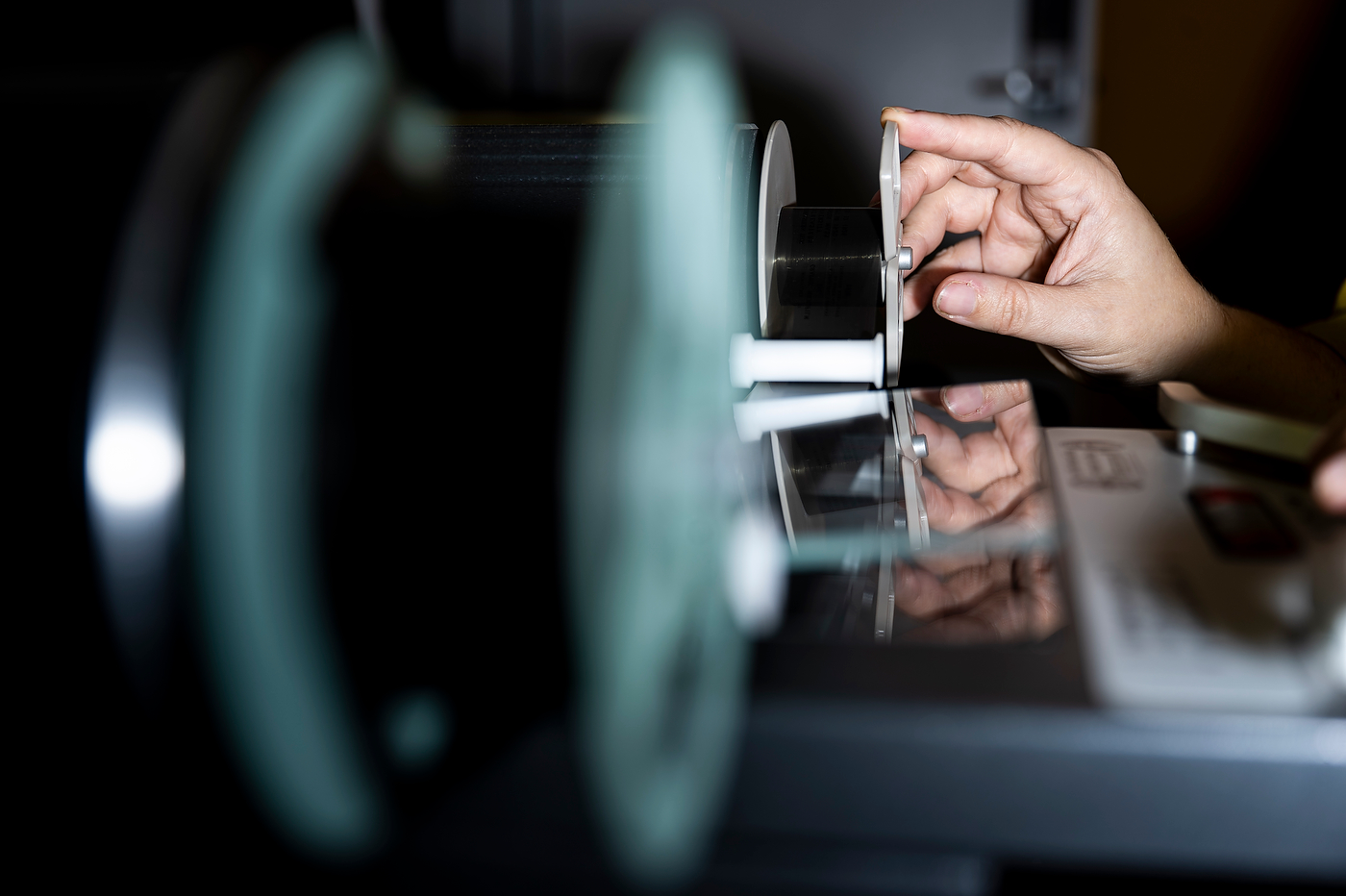
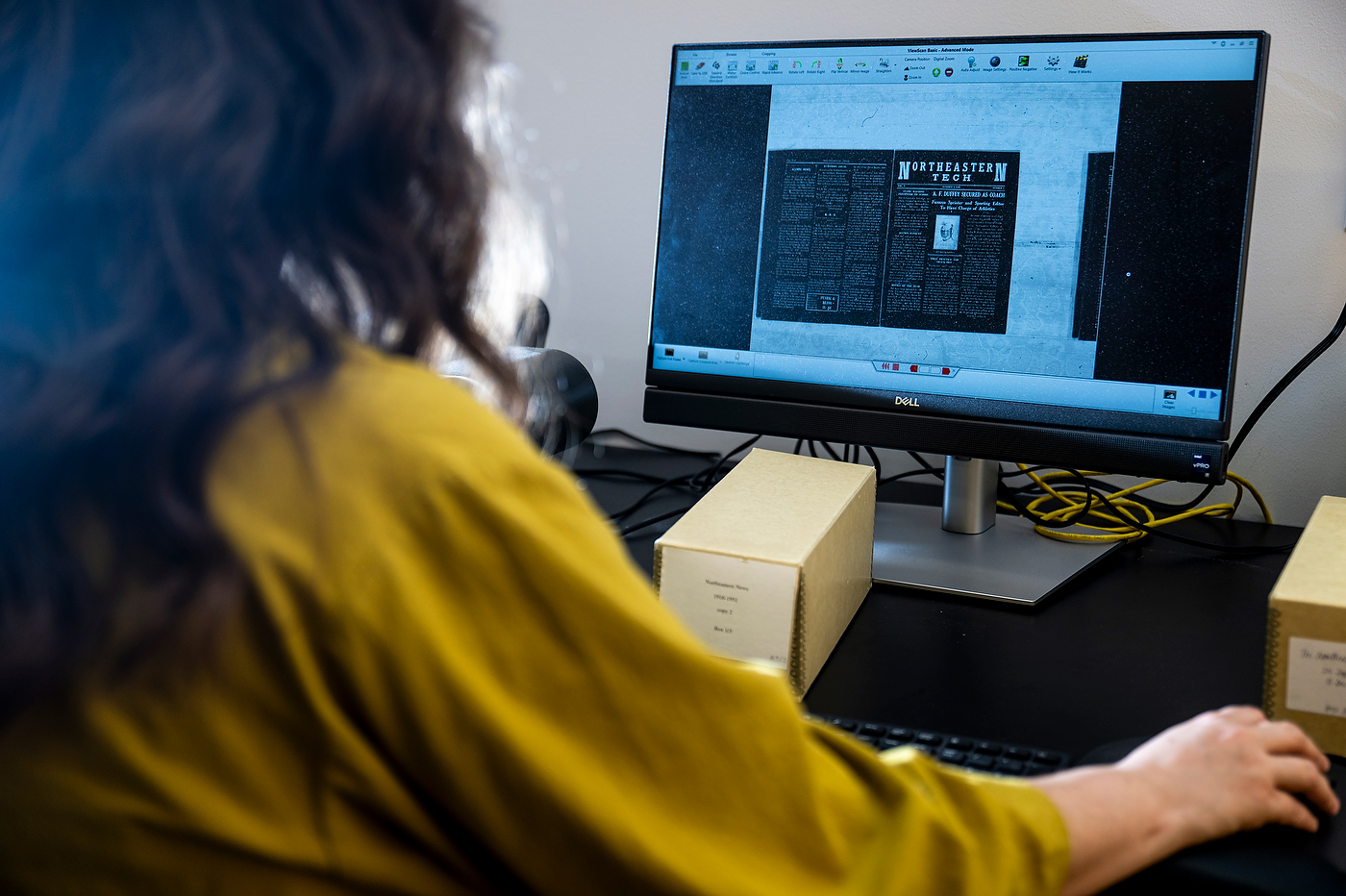
The microfilm reader is located in the archives in the basement of Snell Library and, at first glance, it may not impress – looking like a mashup of a computer, a film projector, and a photocopier.
But the machine enables users to view miniature photographs of pages from newspapers, scientific journals or other publications as well as delicate archival materials from all over the world. The photos are stored either on film or what is called “fiche” – essentially an index card with different photographs on it.
Brown explained that microfilm and microfiche – or microforms – were originally used as a compact way to store and view records. Anyone with a machine could load the film or fiche, view its magnified contents, and peruse different records, she said. The film or fiche was also generally a lot more durable than the original records themselves, Brown said, making microfilm both a way to store and view and a way to preserve information.
According to the National Archives of Australia, microfilm stored properly can preserve information for 500 years. At Northeastern, microfilm contains not only records of student news publications, but oral arguments of the U.S. Supreme Court, and slave narratives, among other resources.
Microfilm was first invented along with the advent of photography in the early 19th century, according to the Smithsonian Institute. The practice became increasingly popular after 1928, however, when The Eastman Kodak Company introduced the Recordak system, which used 16-millimeter film to photograph documents, initially for copying checks, according to Encyclopedia Britannica.
But while many archives and publications are today all digitized, microfilm still fills a need for researchers. Because in addition to providing a “long view,” as Brown said, of archival materials and how they’ve changed over the years, microfilm provides context.
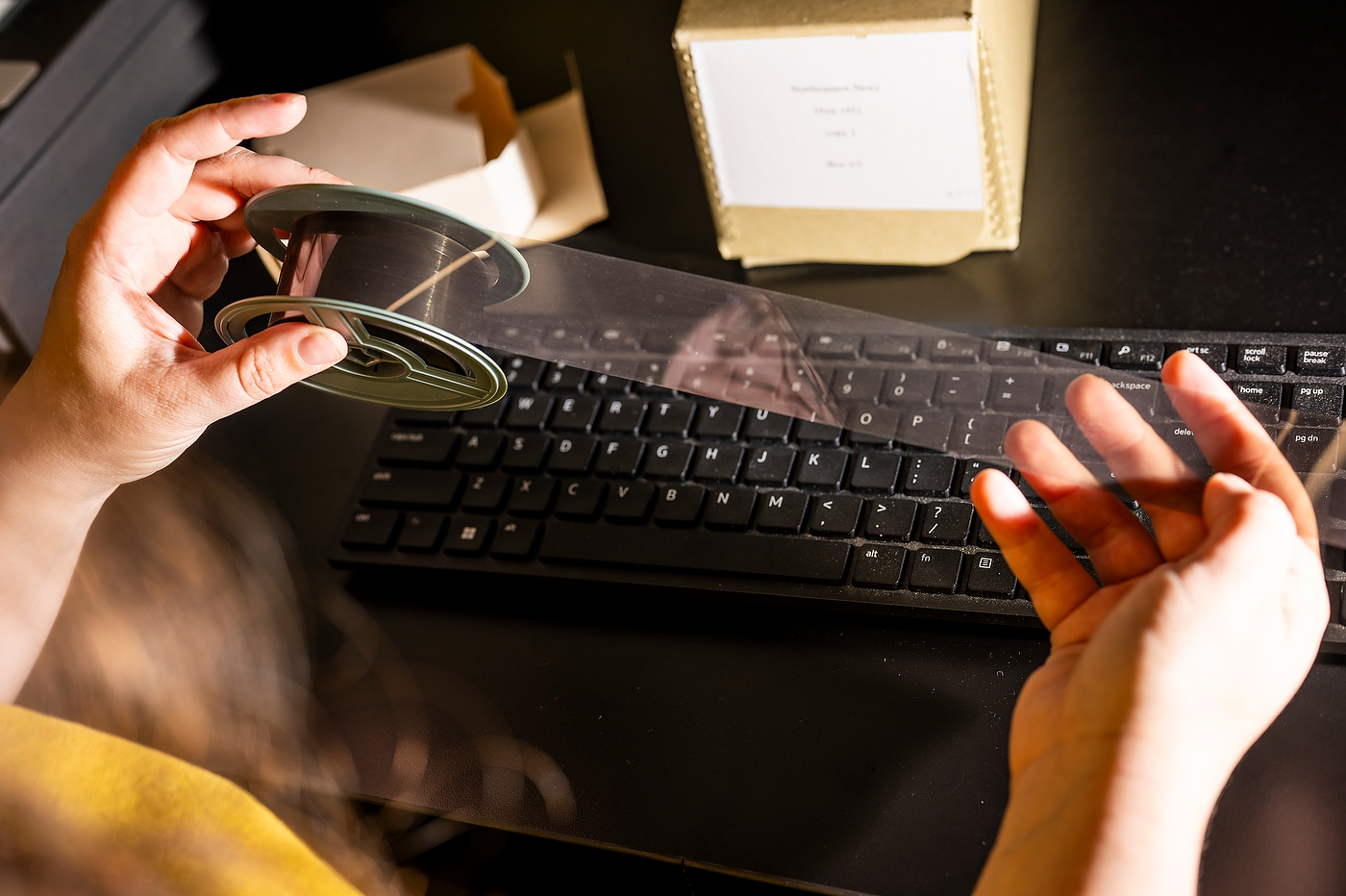
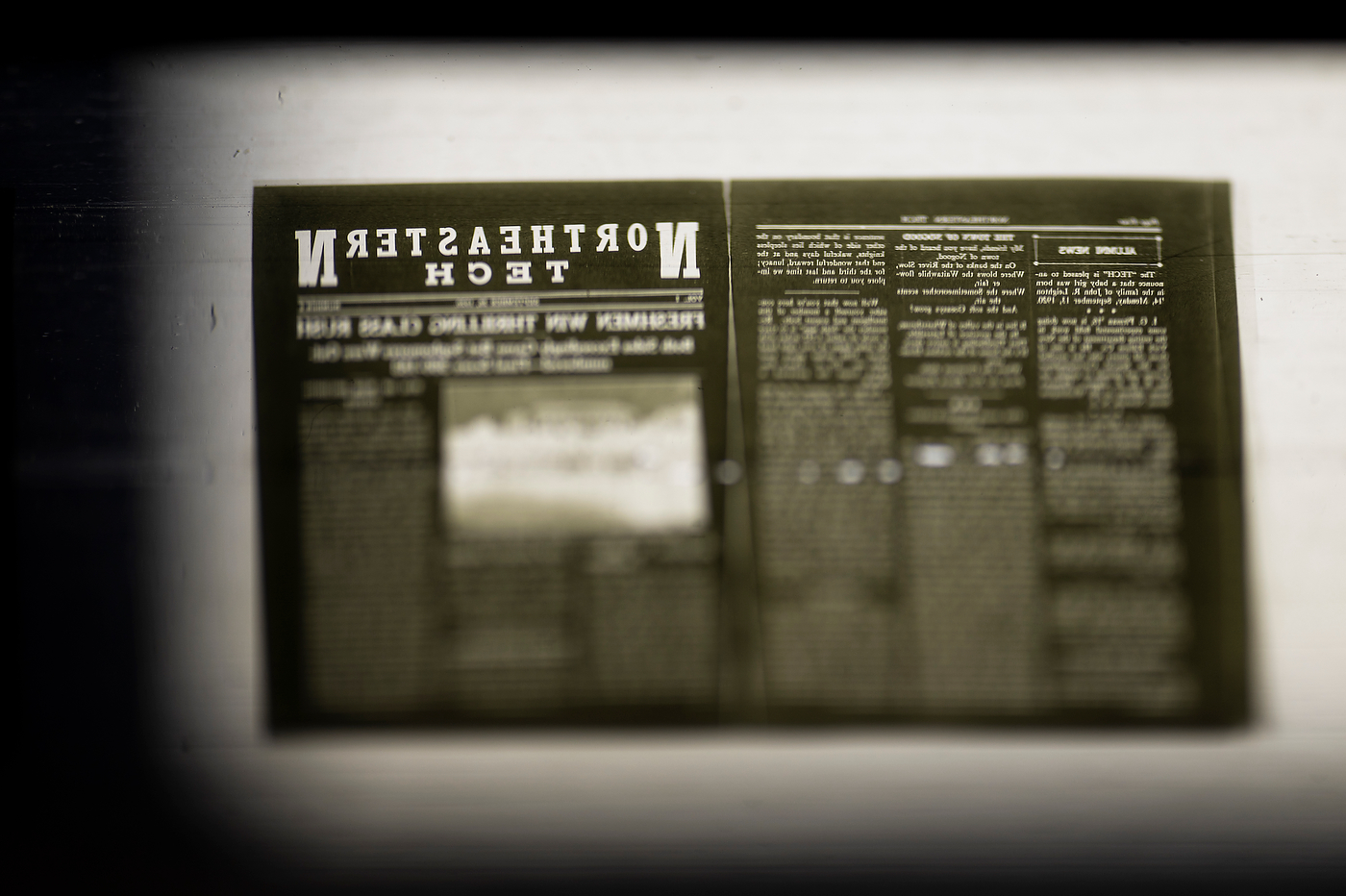
For example, looking at a page of a newspaper or magazine allows the viewer to see where the story was placed, the size of its headline, and thus infer its importance relative to that day’s news (at least according to the editor at the time). One can also see the local advertisements, the editorial cartoons, the photos and other stories that share the page, and how these change over the course of the publication’s run.
Microfilm also shows the events that you might not have known to search for.
“With Google and other search engines, while they are calling up this large swath of information, it is beholden to the information that you supply it,” Brown said. “Microfilm shows you what you don’t know, and then allows you to make decisions about whether to pursue it or not.”
Editor’s Picks


She described microfilm as similar to doing “background research” on a huge amount of information, a process which allows users to experience the “serendipity of research and the surprises of research” – and “both the risk and the opportunity of the rabbit hole,” she said.
“You’re turning through stuff and you’re able to find out weird gossip about what’s going on or funny incidents that happened on campus or a very niche event that they held for King Husky the Second and things that you just wouldn’t otherwise realize,” Brown explained.
She said the microfilm is “rarely a starting point” for research, but is typically recommended as a resource in response to student or faculty queries.
People often in their research come to the archives not because they know they want to look through microfilm, but more so because the microfilm finds them,” Brown said. Then they might find out that this is their favorite way to do research, and then reverse engineer it so that they’re looking at microfilm the whole time.”
Schmeiszer agreed.
Not only did her research provide the Huntington News design team with different graphics for a collage documenting 100 years of student news at Northeastern, Schmeiszer found an advertisement to celebrate the first anniversary of Wollaston’s Market. She was able to see how the university changed from an all-male school with primarily engineering and business students to today’s coeducational global university, and how the co-op program has developed. But she also was able to determine that – in some respects – the stories that the news has covered remain the same.
“Yes, there’s 100 years between the beginning of the paper and us now, but the student body and the coverage of student events and what students were doing was still very similar,” Schmeiszer said. “I felt very connected to the past generations of Northeastern students and past student journalists at Northeastern.”

Perhaps the most notable feature of the microfilm reader for Schmeiszer, however, was that it can scan pages or articles and save them to digital folders…with no need for a smartphone with expanded storage.
In fact, “I only just upgraded my phone a month ago,” Schmeiszer said.


