Cracking the axolotl code: How to regrow limbs and stay young
A Northeastern University professor is using computational techniques to study limb regeneration in axolotls. The findings could advance research on wound healing and aging.


Minor cuts and scrapes usually heal in time, but losing a finger or a whole limb? For most vertebrates, that’s a done deal.
Unless, of course, you’ve got the self-healing machinery of an axolotl.
These unusually resilient and famously photogenic aquatic salamanders — native to Mexico — can regenerate parts of their bodies, including limbs, eyes and even bits of their brain! With their frilly pink gills and heartwarming smile, they’re always camera-ready — even if they have to regrow an appendage or two first.
Axolotls are also the Peter Pans of the amphibian class. Like the fictional boy who never wanted to grow up, they skip the transitional stage that ushers most of their counterparts into adulthood on land and remain in tadpole form forever. While they don’t have to worry about aging, certain diseases — as well as predators — do catch up with them in time. Most live about 10 to 15 years.
So why do axolotls — these very charismatic creatures — regrow a limb, whereas humans just undergo wound healing? And how is it that most organisms go through aging while a lucky few get to press a pause button?
Understanding regeneration could allow for an axolotl-style intervention into wound healing and the aging process, according to Northeastern University professor of biology and mathematics Calina Copos. The question at the heart of both pathways is what steers cells down one versus another, she said. Each decision point is a fork in the road.
With help of a grant from the National Science Foundation, an independent federal agency that supports science and engineering, Copos is investigating how cells, the basic building blocks of body tissues, respond differently to outside pressures.


When it comes to wound closure, most organisms go through a process known as fibrosis during the first week, Copos said. It involves patching up the opening with a flat layer of cells that eventually turns into scar tissue. Less flexible than the original, it does the job of protecting the wound from infection and lets the tissue perform its function.
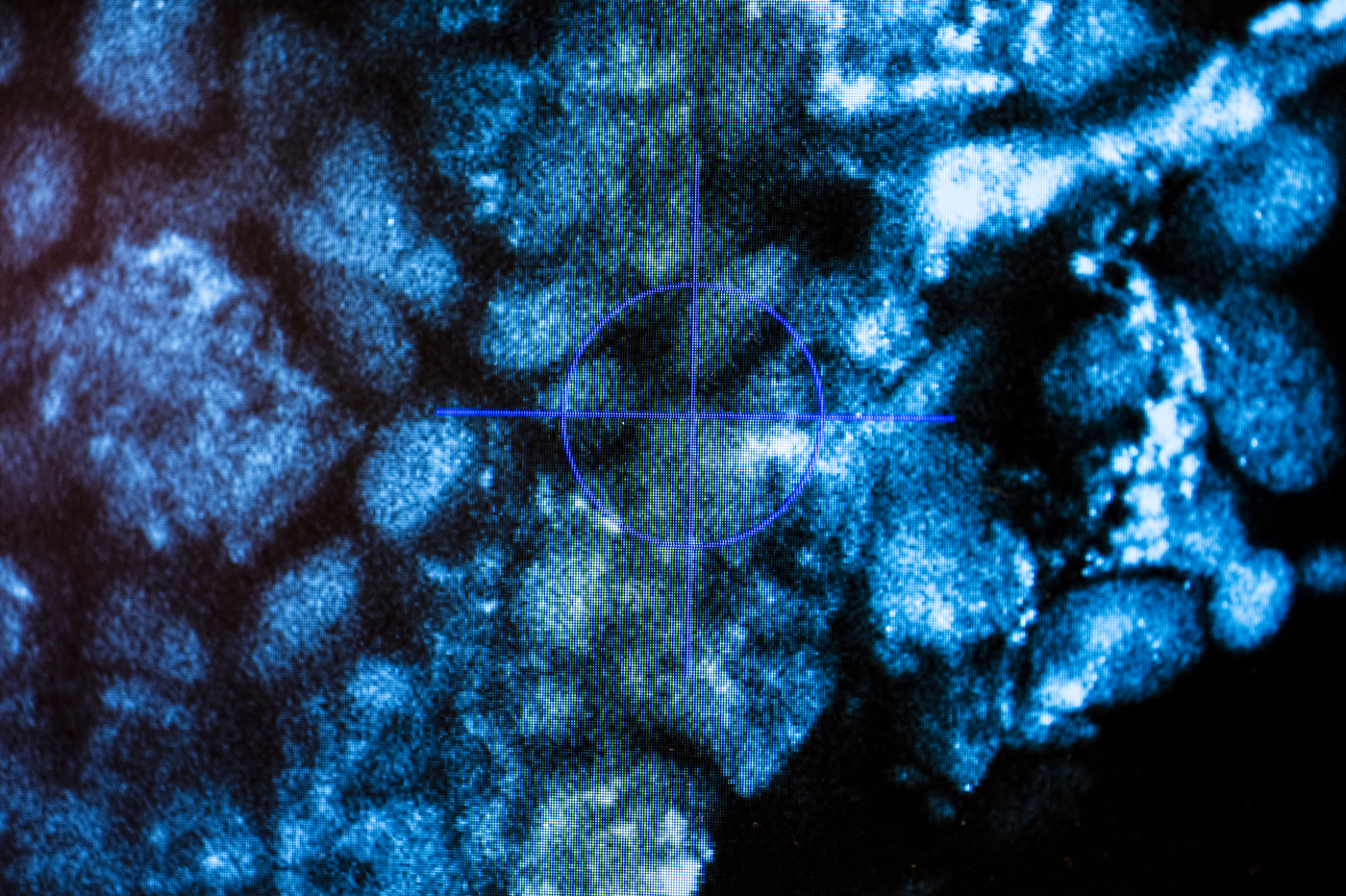
To trigger regeneration, individual cells have to organize differently. They have to migrate to the area, communicate and start dividing to create a cone-shaped mound known as the blastema, which eventually turns into brand-new functioning tissue.
As Prayag Murawala, researcher from the MDI Biological Laboratory, an independent nonprofit lab, told Northeastern Global News, “Axolotls … can regenerate most body parts — including heart, lung, liver, kidney, spinal cord, vertebrae and brain without scarring.” Scientists have also mapped out their entire genome, which lets them edit and track their cells.
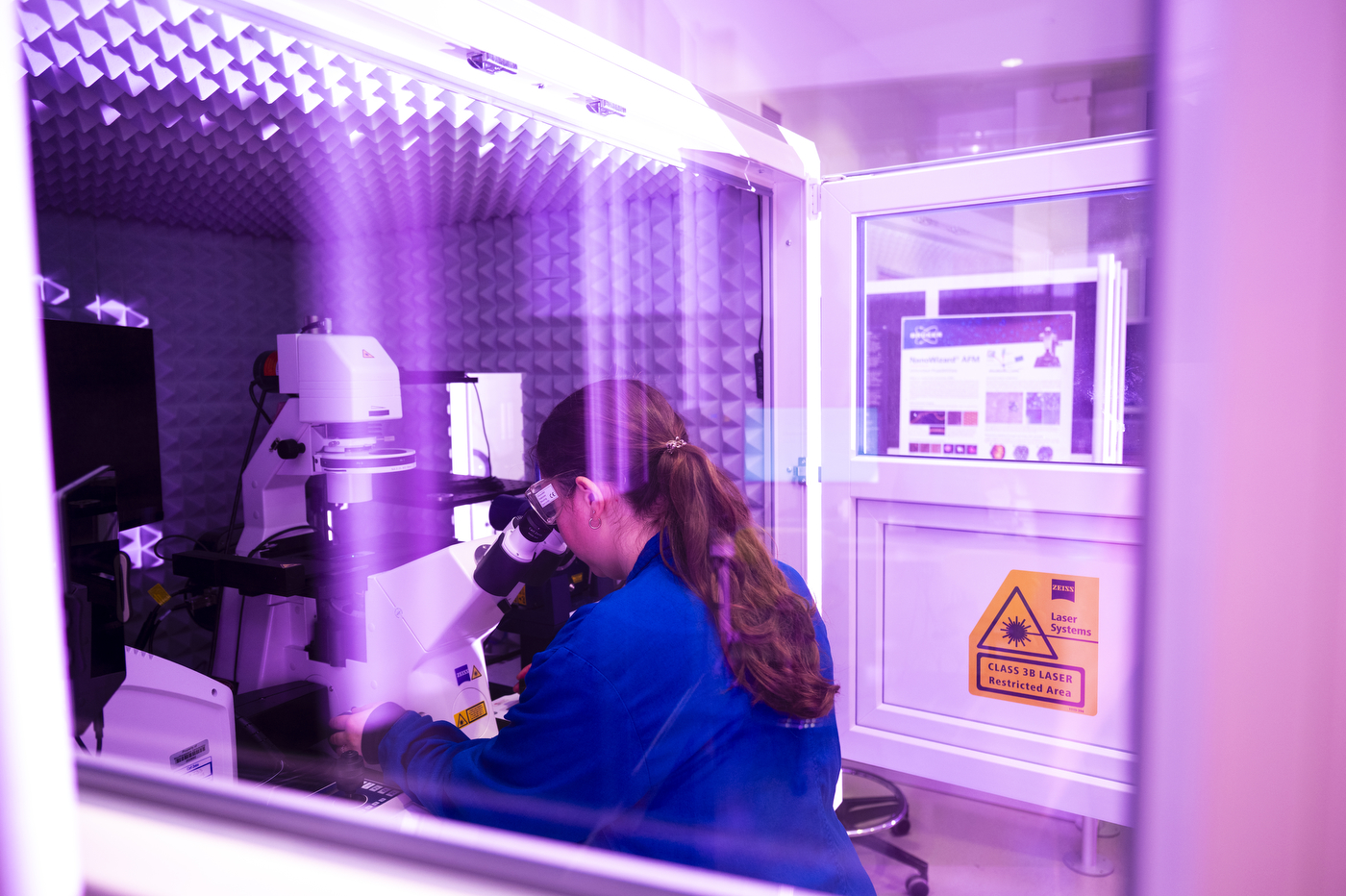
Another way to peek under the hood of regeneration is to build simulations based on the math behind the biological processes. As a so-called “dry lab,” focused on theoretical research, data analysis, and computer simulations, that’s what Copos and her colleagues do.
Editor’s Picks




For example, a molecule binding to a receptor, or specialized protein, on a cell sets off a chain of events that eventually triggers its division. Mathematical equations describe how fast the molecule moves or how likely it is to bind to the receptor. Researchers use these equations to build computer simulations that recreate the cellular dynamics behind wound healing and explore how injured tissues respond under different conditions.
The simulations allow for “a very fine-tuned ability to control where these cells are going, what these cells are doing, what rate they’re dividing at,” Copos said. Working together with collaborator and Northeastern biology professor James Monaghan, whose experiments capture these biological processes in action, Copos and her team can test the simulations by observing the way these scenarios play out in real life.
For example, a recent paper she co-authored with Monaghan showed that two conditions were necessary for the blastema to form. First, the skin layer around the site of the wound softens instead of getting reinforced with stiff collagen that is typically present at a healing site and eventually forms the scar. Next, a process known as the “Wnt signaling pathway,” — a network of proteins that passes signals from outside a cell to the inside — acts as an emergency dispatch system to recruit cells that start to rebuild the tissue.
By setting up the right conditions for regeneration, it might be possible to kickstart a “regenerative protocol” to rebuild new tissue from scratch instead of patching it up with scar tissue, Copos suggested.
“The ultimate goal would be to be able to regenerate, at least partially, a functioning limb,” she said.
Full lab-grown limbs might not be in the works anytime soon, but the prospects are still exciting according to James Godwin, assistant professor at MDI Biological Laboratory and senior research scientist at The Jackson Laboratory (JAX). He explained that “the most immediate payoff from regeneration research (is) understanding the rules cells follow when they rebuild tissue.”
Cracking the axolotl code can lead to new wound healing therapies, scar reduction and treatments to help the heart and nervous system heal after injury, Godwin said, adding that it could also “improve how well transplanted or engineered tissues integrate.”
Northeastern Global News, in your inbox.
Sign up for NGN’s daily newsletter for news, discovery and analysis from around the world.

The same mechanisms that apply to injury healing and determine whether fibrosis or regeneration takes place don’t stop after the damage has been repaired. Over time, tissues can remain healthy or go through age-related changes. Once the body commits to one of these routes, turning back becomes difficult.
Fei Sun, who studies another regenerative animal, zebrafish, at the Morgridge Institute for Research, a private nonprofit, told Northeastern Daily News that the goal of both lines of research is “to replenish lost cells, rebuild damaged or diseased tissues and restore organ function” safely to help “patients affected by traumatic injuries, degenerative diseases (and) age-related function decline.”
Moreover, the founder of the antiaging nonprofit Longevity Escape Velocity (LEV) Foundation, Aubrey de Grey said that the regenerative capacity of axolotls goes hand-in-hand with their ability to stave off cancer, the risk for which spikes every time cells divide.
“Species with really good anti-cancer defenses of other kinds can afford to be much more regenerative,” de Grey said. This “anti-cancer prowess,” in turn, is another way axolotls could hold clues for ways humans can regenerate damaged tissues without triggering other diseases in the process.