Travel, photography and music didn’t stop for these creative writing students
Northeastern London’s Contemporary Creative Writing master’s flips the typical writers workshop inside out, allowing postgrad students to continue gaining life experience that inspires their work.


LONDON – After Petrina Danardatu graduated from Northeastern University’s Boston campus in 2025, she found herself being pulled in two opposite directions.
The dual journalism and English major already had dreams of writing a novel, but was torn between investing time pursuing a career in creative writing or going back to Indonesia, where her family is from, and traveling with friends.
Danardatu found a third option – the Northeastern London virtual graduate degree in creative writing.
“I was like: ‘I can do both of these things at once,’” said Danardatu. “I can be traveling and having these new cultural experiences while also getting my master’s degree and developing my creative practice.”
Danardatu is not alone. In recent decades, postgraduate creative writing degrees have established themselves as a key route into a fiercely competitive industry, allowing would-be authors, poets and nonfiction writers to experiment in varied forms of self-expression with expert guidance.
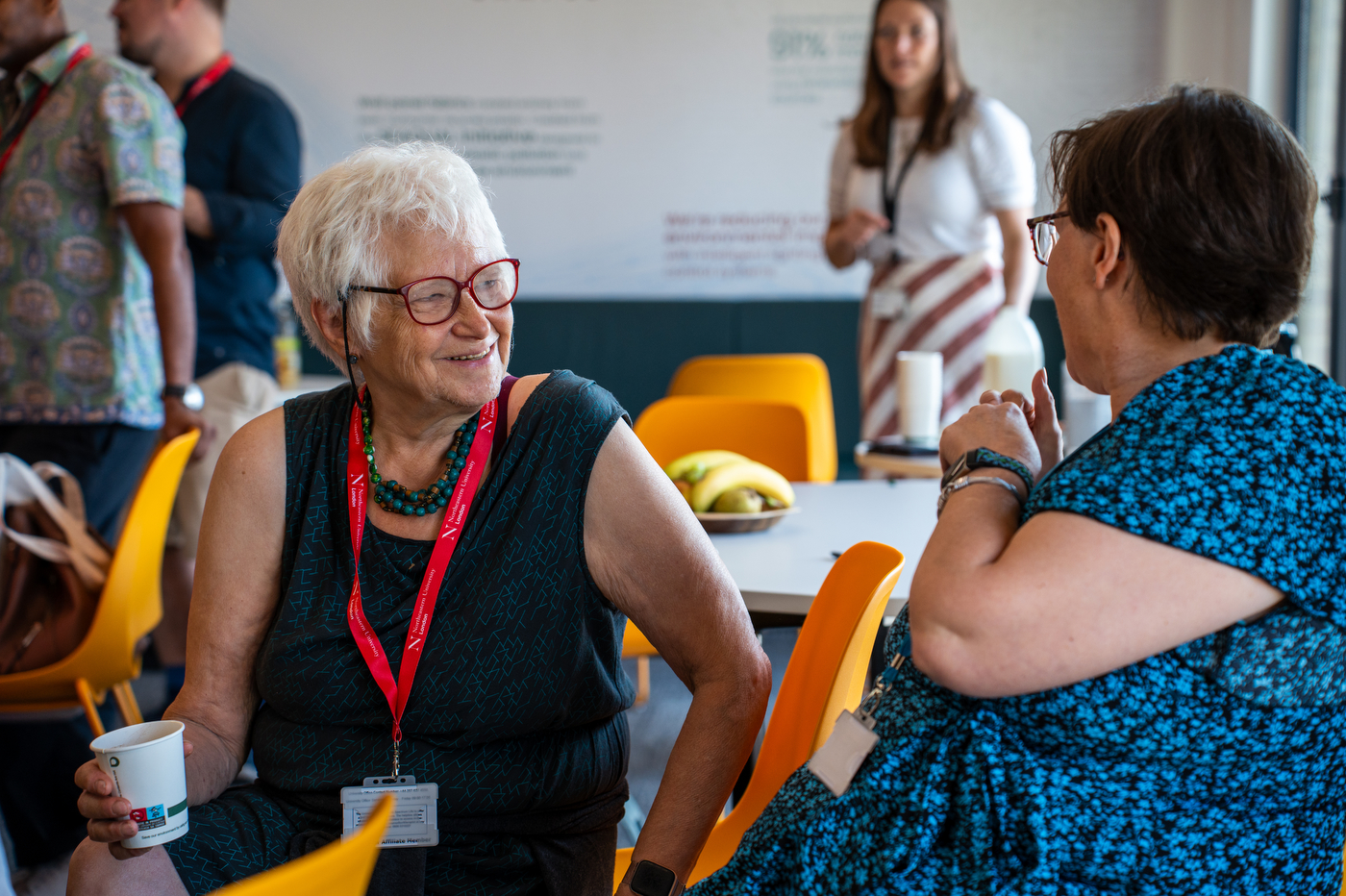
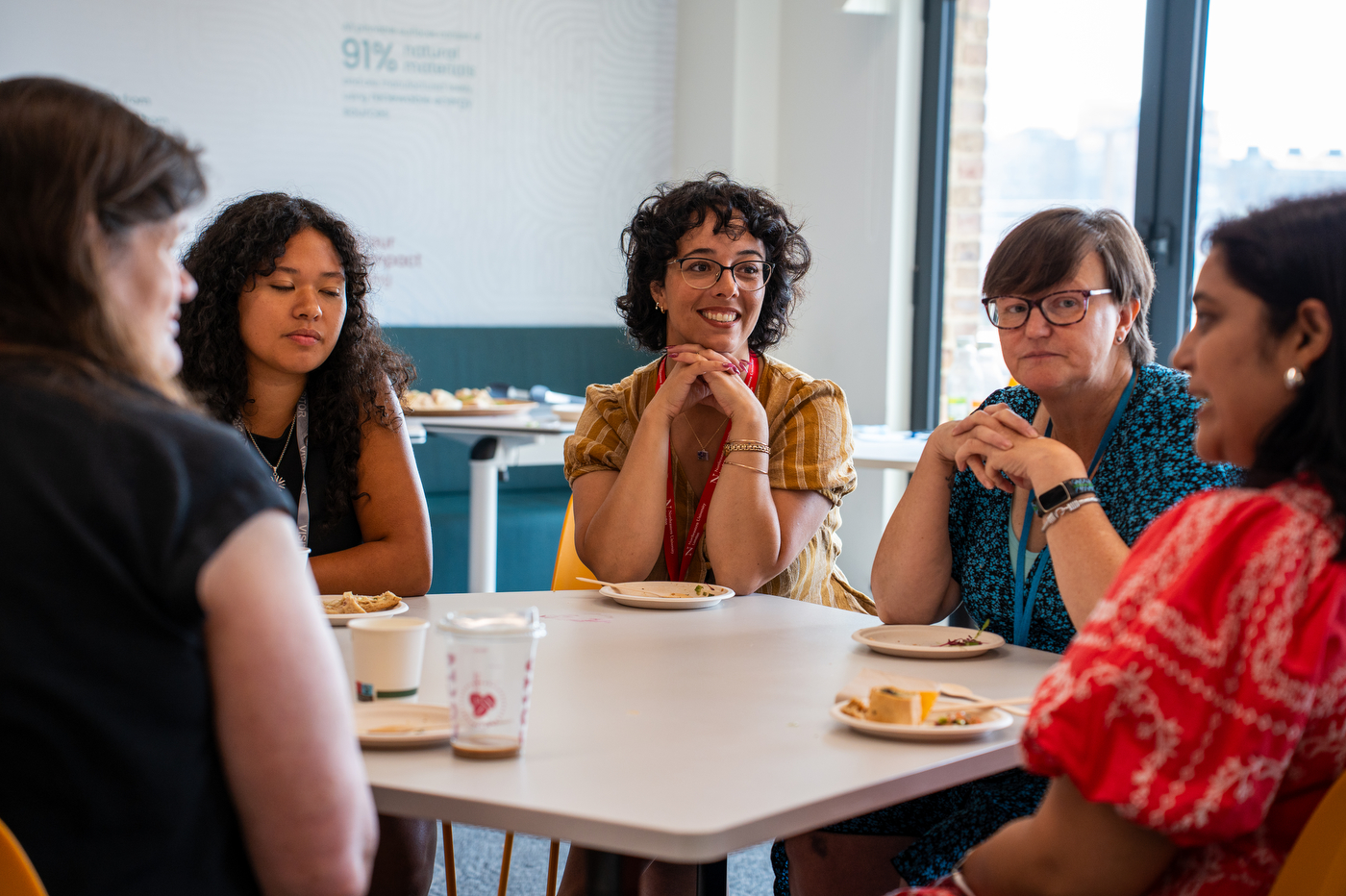
While the typical writer’s workshop brings groups of students together in a campus literary bubble, Northeastern London designed the fully online Contemporary Creative Writing program to “go to them,” explained Claire Griffiths, associate head of Creative Writing at Northeastern University London. Danardatu learned full-time over a year, while others study part-time, but both tracks meet online, allowing real-world inspiration to strike at the same time that writers hone their craft, she said.
Editor’s Picks




Over the last two years, the chance to study while island-hopping around Indonesia provided inspiration for her dissertation project, a novel set on the island of Bali, explained Danardatu. “Bali is such an artistic place – everyone there is some sort of craftsman. So I was just surrounded by art constantly and so much creativity,” she said. With the guidance of teachers such as Griffiths, she has produced the opening chapters of a novel about a young woman who is an apprentice at her mother’s wood-carving studio, one of many such ones on the Hindu-majority island.
“It’s a queer coming-of-age story as well about a girl who, in some ways, wants to carry on centuries of tradition, while also exploring this totally foreign territory and how to reconcile both those desires in her,” she said. “I don’t think I would have been able to come up with that idea had I not been travelling around Bali myself and experiencing all of the art there.”
Inspiration flows in many directions on the course, where current students arrive from the U.S., Europe, and the Middle East, explains Griffiths.
Others in Danardatu’s cohort included Mike Marlowe, a travel and documentary photographer, who has spent decades traveling through 25 countries on the African continent. That experience serves as the foundation for the work he is preparing for his forthcoming dissertation project, the start of a creative non-fiction book, which he ultimately hopes to publish as “an episodic collection of stories and insights,” said Marlowe.
For Shari John, a London-based jazz singer and another student in the creative writing program, the sources of inspiration are more complex. She takes in her own experience in music along with self-initiated research into quantum physics, time, and the philosophical questions about the nature of consciousness, she shared. The online master’s has given the chance to pull together all these parts – music, her own experience, and research – into something approaching a finished form. “I love studying, I love researching,” she said. “And trying to put my ideas, my explorations into a story form, I think that’s why I started doing creative writing in the first place.”
As a result of her time in the program, guided by her supervisor and assistant professor of English and Creative Writing Tomas Elliott, she has developed a novel-in-process that has elements of science fiction and realism, in which “a narrator finds herself in a space where time doesn’t behave in an ordinary way,” she said.
Danardatu and the others enrolled in the Contemporary Creative Writing program are gathering this week in London for the Northeastern University London Summer Writing Series 2026, which is offering this global cohort the chance to meet – many for the first time – and share stories, while taking the next step in their career. That will involve hearing from agents and published authors about their path to success.
As a member of the first class to graduate from the Contemporary Creative Writing program at the London campus’ graduation ceremony, also held this week, Danardatu was thankful for a year of mixed real-world inspiration with the teaching that has allowed her first novel to take shape. “Being able to achieve all of that at once was really, really special,” she said.


