‘Looksmaxxing’ seems to be taking over TikTok. Here’s what experts have to say about it.
“Looksmaxxing,” as it’s called, is just the latest fashion craze to spring from the proverbial vanity mirror of influencer marketing.


From smashing the bones in their faces, undergoing dubious surgeries to lengthening limbs, young men across the country are shelling out tens of thousands of dollars to tweak their chins and jaws in pursuit of greater attractiveness.
“Looksmaxxing,” as it’s called, is just the latest fashion craze to spring from the proverbial vanity mirror of influencer marketing. As the practice has gained mainstream attention, with profiles of popular Looksmaxxer Braden Peters, who goes by “Clavicular,” appearing all over the news, it has also sparked concern about whether these extreme forms of body modification are harming a generation of impressionable men.
We asked some of our experts in the social sciences to unpack what might be going on. Nathan Blake, an associate teaching professor in the College of Arts, Media and Design, said that the term “looksmaxxing” follows the logic of the “quantified self,” a concept that some experts describe as a broader cultural obsession with constantly improving yourself through data-driven ideas about your life, body and health.
At the same time, the phenomenon is “also an outgrowth of the attention economy, where the way you distinguish yourself is through extreme stunts, outrage and other forms of performance designed to get clicks,” said Blake, who studies “discourses of masculinity, disability and the technologically-altered body.”
Looksmaxxers are driven to achieve a certain kind of physical symmetry: angular chins and jaws, trim waists and proportional torsos. Many observers have plainly pointed to the problematic undertones, with one noting in The Atlantic that, beyond the self-mutilating aspect, looksmaxxing is “cruel, racist, shot through with social Darwinism.”
Blake sees these aesthetic ideals as having a basis in Eurocentric racism and ideas of genetic superiority that have long shaped Western conceptions of beauty and physical hierarchy — going as far back as traditional Greek thought around “idealized proportions” in art and sculpture.
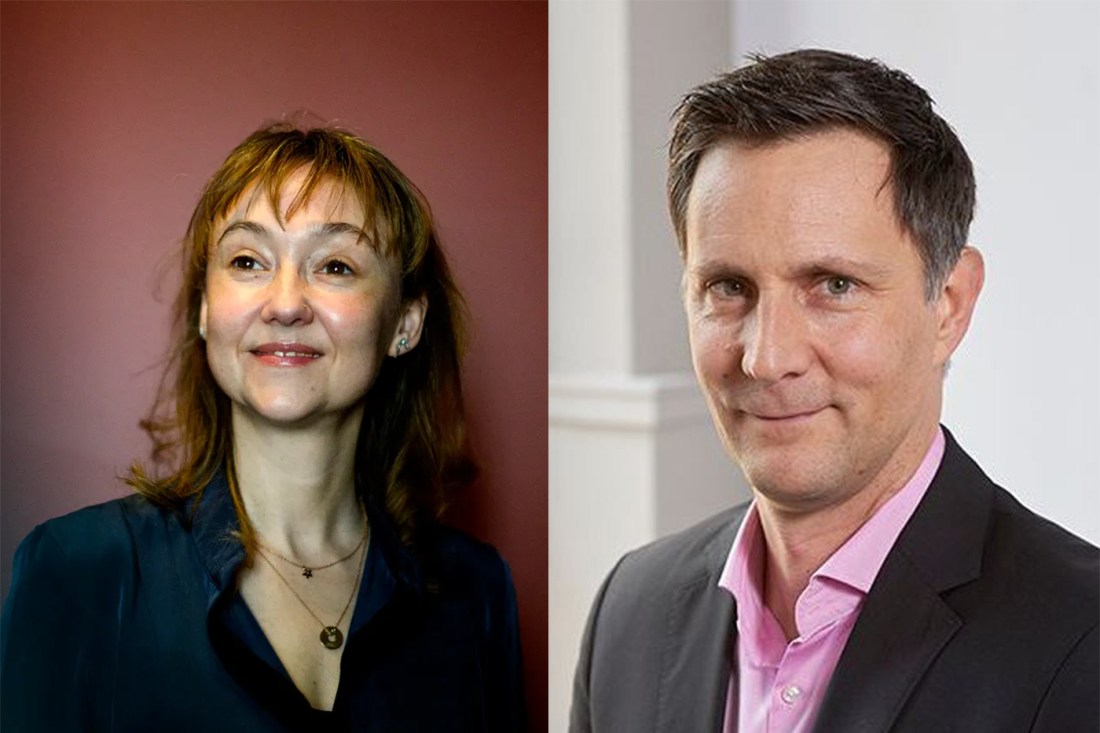
Now, Blake said those standards have largely been taken up by incels, or involuntarily celibate men, many of whom believe (without evidence) romantic relationships are largely shaped by genetic traits outside a man’s control. That line of thinking has infused the incel community and its related subcultures with a degree of what he describes as “romantic nihilism,” Blake said.
“This might explain the lengths these men are willing to go to change their appearance,” Blake said.
Editor’s Picks





Rachel Rodgers, an associate professor of applied psychology at Northeastern University, said looksmaxxing is itself a burgeoning industry, extending appearance ideals from a discourse centered on diet and exercise to one that also includes what consumers can afford and the risks they’re willing to take.
“An increasing number of people have a piece of this pie and the pie itself is getting larger,” Rodgers said. “We’re talking about all of the appearance and entertainment industries, a large proportion of the health industry. There are new surgeries, new procedures, new markets that are being created and developed all the time.”
Rodgers shares the view that this is a systemic problem that harkens back to racialized norms of beauty in the past. These more modern beauty ideals function as social signals, elevating a narrow set of physical traits associated with an “elite” group of people who already hold social power, she said.
“That tends to mean traits associated with whiteness — fair skin, straight hair and highly symmetrical features — but also being cisgender, straight, able-bodied and neurotypical,” Rodgers said.
Those who match those standards obtain status and influence, she said, while those who do not are shut out of dating markets that come to prize aspects of what looksmaxxers project: symmetry, youthfulness and other traits that denote social status.
The problem has been exacerbated by the proliferation of dating apps and the dating market becoming “increasingly hypervisual,” and encouraging people to see themselves through the prism of how they’d like others to see them, she said.
Northeastern Global News, in your inbox.
Sign up for NGN’s daily newsletter for news, discovery and analysis from around the world.

“I think this is where you see a lot of young men feeling like they have a lack of control, whether that’s tied to the loneliness epidemic or job precarity,” Blake said. “There’s certainly a lot going on with these men.”
But the fact remains that looksmaxxing trends reflect an increase in the pressures on young men to invest in their appearance, Rodgers and Blake say.
“I think that’s partly because the markets in other genders were saturated, and this is a business that needs new consumers,” Rodgers said. “Men were kind of the last frontier.”