Wind powered cargo ships are getting real with this co-op’s help
As a mechanical engineer co-op for a maritime startup, Cameron Little helped build out its kite and autonomous cargo shipping technology.
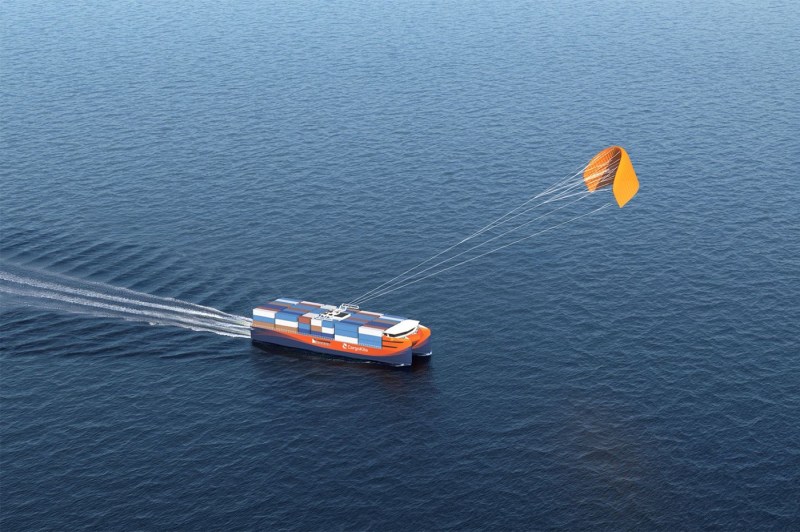

Imagine a massive, bright orange kite hovering several hundred feet above the ocean. Now imagine it is also tethered to a container ship and that the kite is propelling the cargo carrier forward.
Hard as it may be to imagine, harnessing the power of wind to fuel giant ships may be the future of shipping logistics, according to Northeastern mechanical engineering student Cameron Little.
Last year, Little was a mechanical engineer co-op for CargoKite, a Munich, Germany-based maritime startup. Founded in 2022, CargoKite is working on building crewless and wind-powered ships of the future, with the ultimate goal of offering more environmentally-friendly ways to transport goods around the world.
With the capacity to hover 100 to 300 meters in the air, the company’s kites will look and function like the ones used for paragliding or kitesurfing, but at a much bigger scale to harness the ocean’s harsh winds and to adequately propel the company’s “micro ships.”
“Long story short, they’re working to put a really big kite on a cargo ship to reduce fuel emissions,” said Little, a fifth year mechanical engineering student graduating this April.
Little wore many hats during his six months at the company.
One of the biggest technical projects he worked on was collecting data on the kite’s flight pattern during testing, which was done on windy days.
Little and his colleagues would test the kite for at least ten hours at a time capturing data from a GPS and inertial measurement unit – a device used to track motion — installed on it.
That modeling data was key for Little as he helped the company move over to Python, a general purpose programming language that the company plans to use as it enters the next stage of development.

Editor’s Picks




Little said the company decided to switch to the open-source programming language because the company is looking to “grow and scale” their software, which was challenging with the previous programming language they had been using.
“I coded [the software] from scratch,” he said, also acknowledging that he didn’t have any previous experience working with Python.
But he credits the engineering mindset he had developed while at Northeastern for helping him get up to speed quickly.
“Engineering isn’t really about learning equations, per se,” he said. “It’s more about learning ways of thinking and how to solve problems because that’s what engineers have to do.”
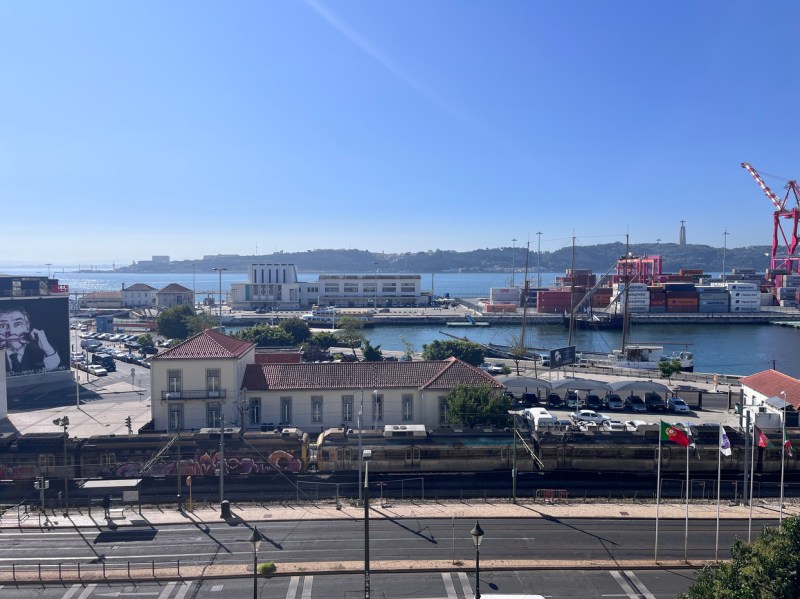
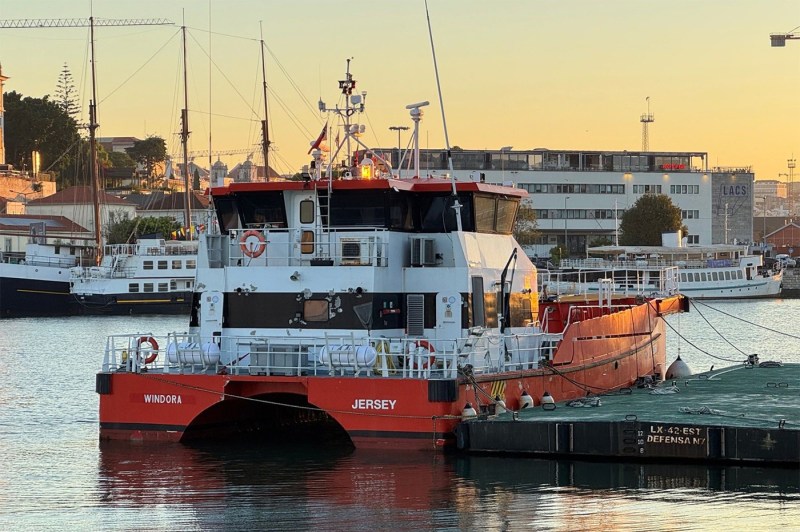
Another major project he worked on was helping the company set up a remote control center in Lisbon, Portugal, where its autonomous ships will be tested, said Jackson Day, CargoKite’s chief of staff and one of Little’s managers.
“Cameron was a big part in bringing that together,” Day said, highlighting that the operations center will be a key site as the company continues to build out its autonomous technologies.

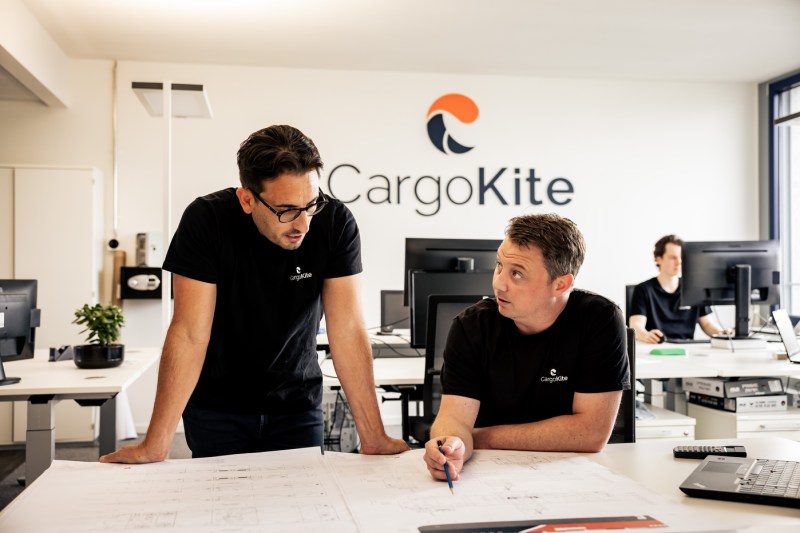
From working to fix up the office space itself to collaborating with the company’s engineers to go over different engine components for the company’s ships, Little did it all, Day said, after praising him for being “proactive” and bringing a “great attitude.”
He’s “a really smart guy, and the stuff we threw at him he was able to handle,” he said.
Little said that’s precisely why appreciated working for the startup — every day brought a different exciting new challenge.
“It was very much about [addressing] what they needed at the moment,” he said. “Part of my responsibility as the co-op was to maintain flexibility and to support people where they needed.”