American Girl is releasing its first novel for adults. Why do these characters still have a grip on us?
To celebrate its 40th anniversary, the beloved brand announced a book following its character Samantha Parkington as a 25-year-old.
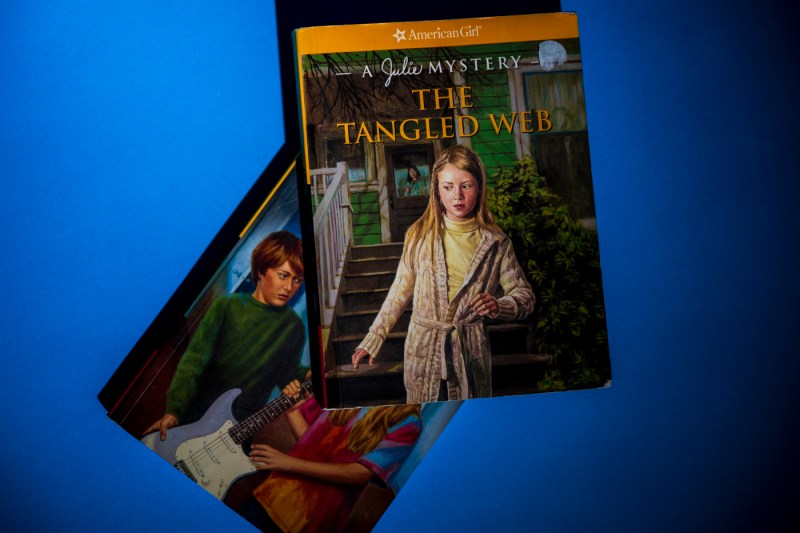

Whether they flipped through the catalog, saved up for a doll or devoured the books, many people who grew up in the 1990s and 2000s consider American Girl a staple of their childhood.
The toy and book line, launched in the late 1980s, is known for its characters of 9-year-old girls growing up in pivotal periods of American history. Now, to mark the 40th anniversary, Mattel is targeting adults who grew up with American Girl.
The company announced the upcoming publication of “Samantha: The Next Chapter,” a novel that follows Samantha Parkington, one of American Girl’s first historical characters, as an adult in 1920.
The book is one of the brand’s first official products for adults, acknowledging the love their original fans have for the strong characters and compelling stories they created, Kathryn Reiss, who wrote several books for American Girl, told Northeastern Global News.
“One of the reasons American Girl was popular was it gave a voice to girls from the past,” said Reiss, an associate professor of creative writing at Northeastern’s Oakland campus. “The people really hooked are people who read them in the 1980s, 1990s and early 2000s and they have their favorites. They’re trying to gain new readers, but also pander to the emotional attachment fans had.”
“Samantha: The Next Chapter” is scheduled for release in October 2026. Written by New York Times bestselling author Fiona Davis, it picks up in 1920 where Samantha, now 25, is involved in the suffrage movement to secure voting rights for women in the United States. When her inheritance is stolen, she goes from socialite to shop girl living in a boarding house and must find a way to get back her family’s legacy — including the Mount Bedford home where she lived in the original books.
“I feel like the online community of American Girl doll lovers would definitely be down to read it,” said Emily Kokidko, the creator of the social media account modernamericangirldolls, which imagines the dolls as adults today. “They still feel a connection to the story and the brand. It’s a very smart business move for them to expand to adults. That’s a whole untapped market for them.”
Pleasant T. Rowland founded the American Girl company in 1986 after a trip to Colonial Williamsburg inspired her to create a line aimed at teaching young girls history.
The brand started with three girls living in different historic periods: Kirsten Larson, a Swedish immigrant settling in the Midwest in the mid-1800s; Molly McIntire, who lives on the home front in World War II; and Samantha, a wealthy girl growing up in New York at the turn of the 20th century.
The books explored the issues the girls might have faced at the time, from assimilation to the effects of manufacturing and child labor, through an adolescent lens. A line of dolls accompanied the books with the option to buy different outfits and accessories.
At the time American Girl launched, historical stories about young girls were scarce, Reiss said. But by the 1990s, other brands like Scholastic expanded into the market of historical fiction for girls after seeing American Girl’s success.
“Pleasant Rowland realized girls weren’t very prominent in historic stories,” Reiss added. “Her mission was to provide stories of history with girls as the main characters. Pleasant was the groundbreaker. You’re learning about emigrating to the prairie and being a settler and that was really groundbreaking.”
Editor’s Picks





American Girl grew with more historical characters, including Addy Walker, a formerly enslaved girl who escaped to freedom in Philadelphia during the Civil War, and Kaya, a member of the Niimíipuu tribe living in the Pacific Northwest in the 1700s. Over the years, the brand expanded into both customizable and Girl of the Year dolls, contemporary characters available for one year.
But their historic characters, despite taking a backseat with the company, remain popular with their original fan base, including women in their twenties and thirties. This is something Kokidko, a content creator in the Boston area, discovered when she created a journaling business, “In Bloom By Emily,” in 2020.
Kokidko noticed a lot of social media accounts making American Girl doll-inspired content, so she decided to make her own to promote her journals. She began on TikTok, imagining what kind of doll American Girl could make of a woman in her twenties living in Boston during the COVID-19 pandemic with accessories and an outfit unique to the area.
People began commenting, asking her to create dolls for other cities, and her account, modernamericangirldolls, was born. Kokidko continues to create memes of modern dolls dealing with specific issues that she says resonate with her Instagram audience of 124,000, as well as posts about what the doll you liked said about you.
“It’s really grown into a community that I never would’ve expected,” said Kokidko, who grew up with American Girl herself and was a fan of Kirsten. “The brand did such a good job at getting you invested in the dolls’ stories and making young women see themselves through the historical dolls. And people love to see themselves reflected in their online content. They just love information about themselves and how they’re perceived.”