A crisis in the making: more and more Americans are living to 100 — and experts say we’re not prepared
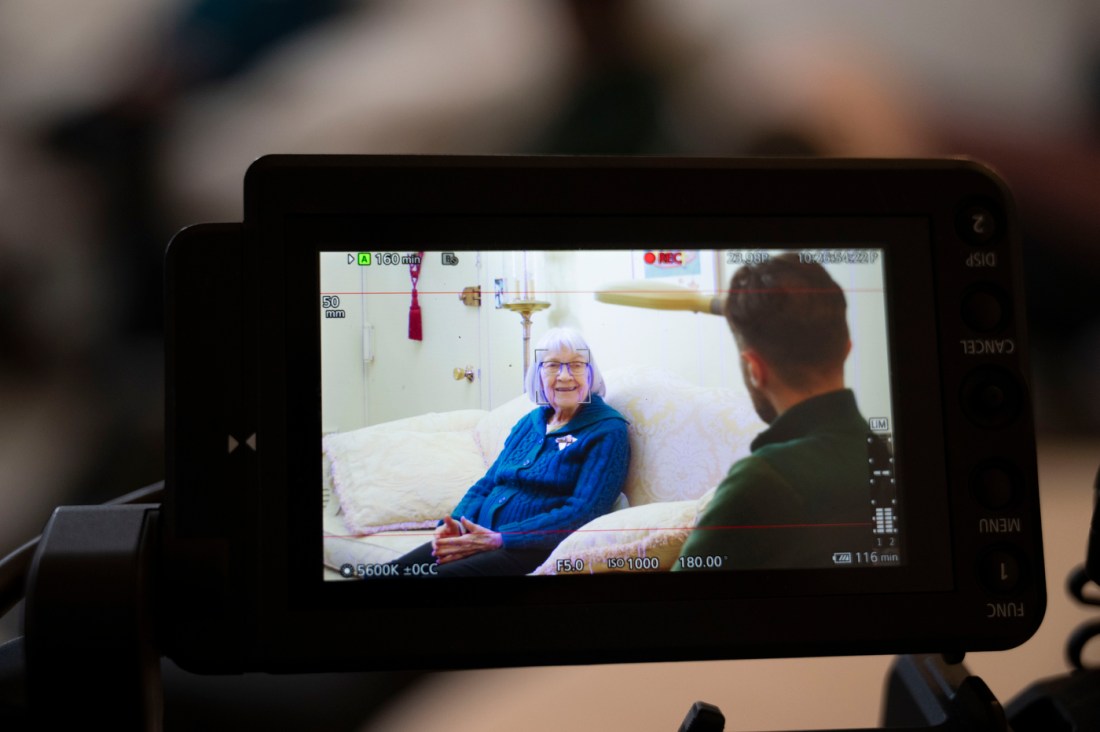
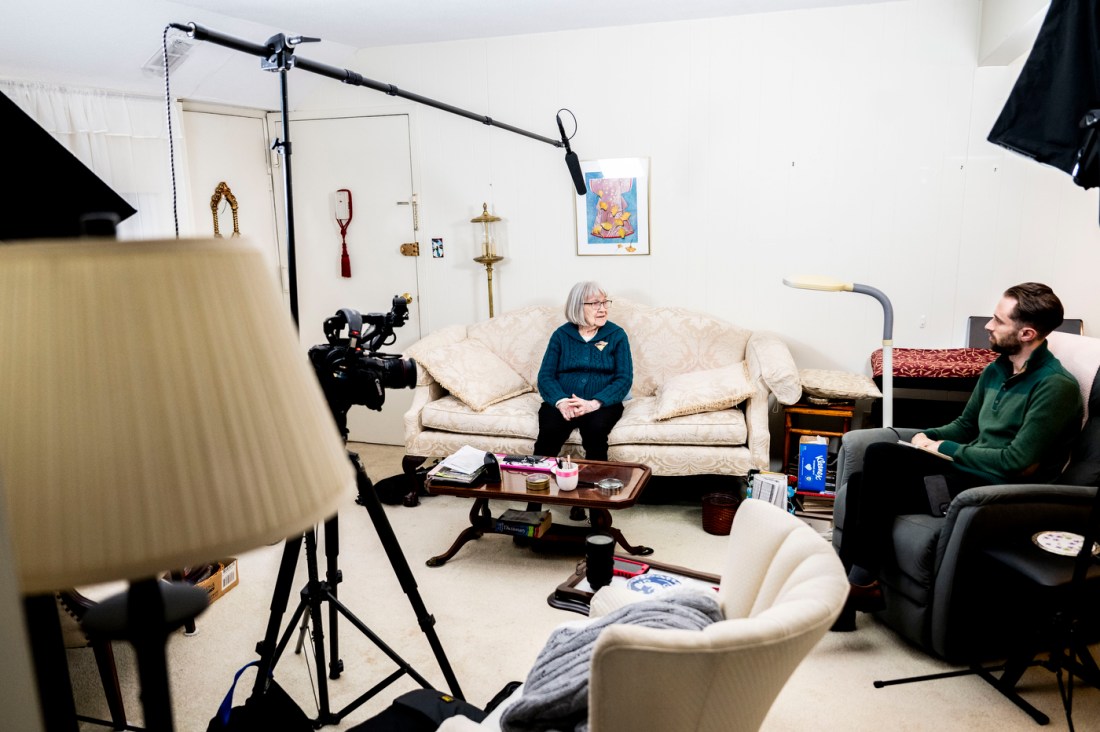
An increasing number of Americans are living well beyond the average life expectancy. It presents new and complex challenges about how to care for a vulnerable, often ignored demographic that is aging largely on its own. Video by Taijai Slaughter.


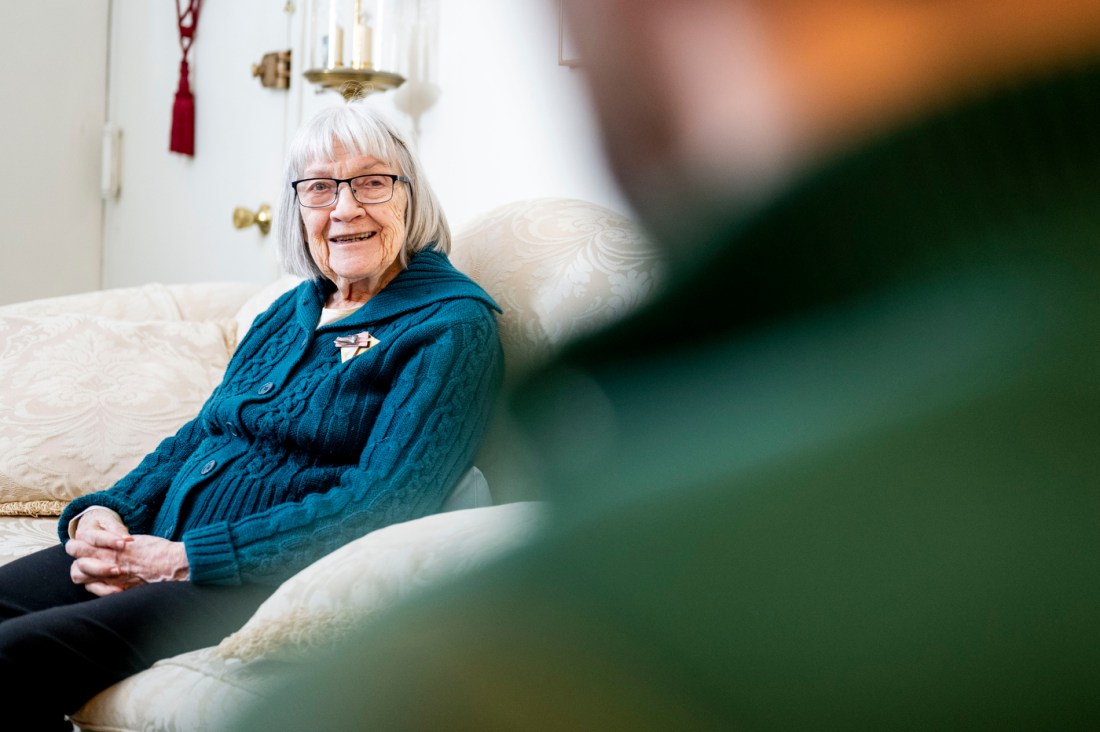
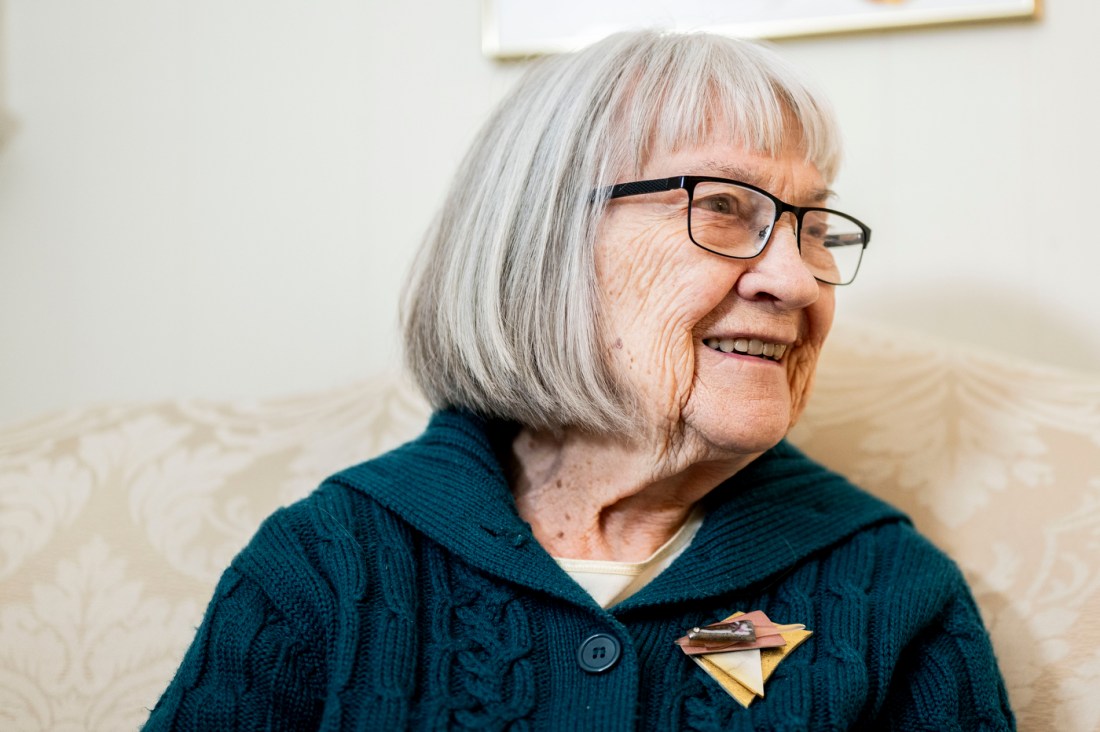
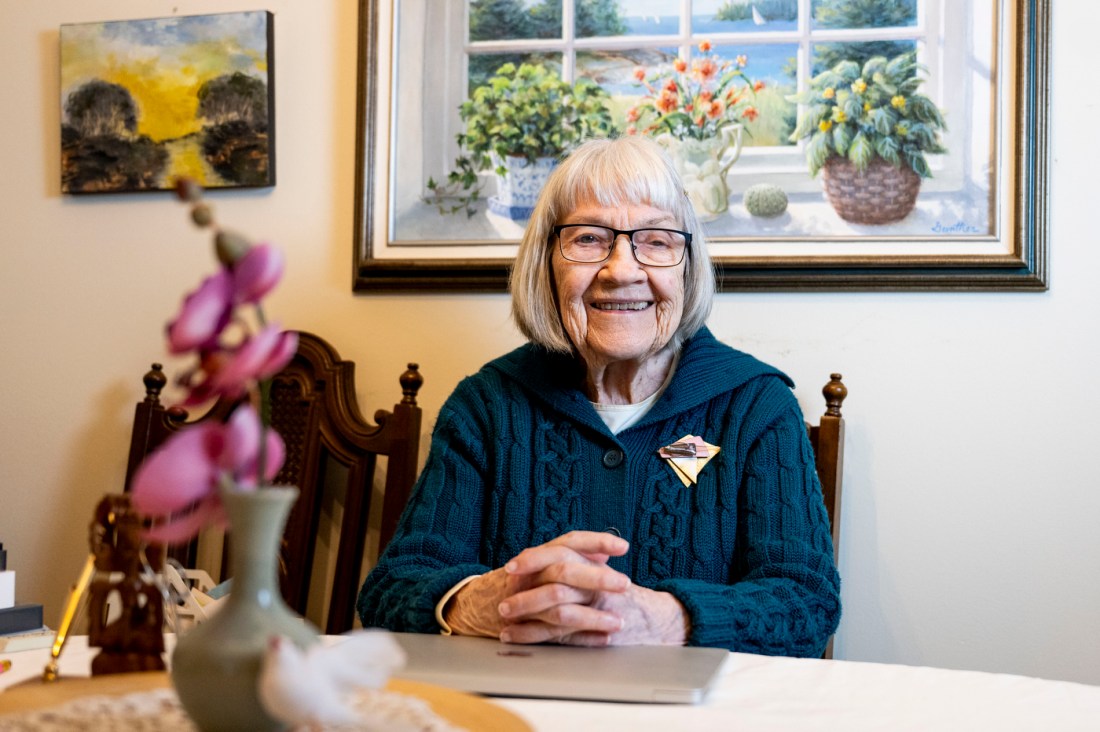
At 100 years old, going to the grocery store is a big deal for Ruth Gove.
The Peabody, Massachusetts, resident is proud of her independence. She lives on her own, does her own laundry and still cooks for herself. However, Gove recently stopped driving at the age of 99, and now has to rely on her daughter, Mary Ann Voutselas, to get around.
The only problem: Her daughter is 75.
“She kept me fed and still does,” Gove said. “But her husband and her, between them, now they have their own issues and appointments.”
Gove’s trips to the grocery store and hair appointments sometimes have to take a back seat to the reality of being a centenarian.
It’s one of the consequences of a life long-lived, an experience confronting an increasing number of American seniors who are living well beyond the average life expectancy that stands at around 82 years old for women and 75 for men. Projections from the U.S. Census Bureau show that the nation’s centenarian population is set to quadruple over the next 30 years.
The increase in longevity stems from advancements in modern medicine, above-average quality of life and a growing awareness of healthy lifestyles and habits. But the tendency to live longer also presents new and complex challenges, including how to care for a vulnerable demographic that, in a society that prizes independence and the able-bodied, is often cast aside or left to navigate aging largely on its own, experts say.
So as America ages, it faces an existential question. Can the nation afford the elderly?
The problem, according to Gary Young, director of Northeastern University’s Center for Health Policy and Healthcare Research, is fundamentally a political one: the lack of a shared vision for how to build a system that provides a roadmap for families and individuals to get the necessary care and support — resources that often look very different from person to person.
“We’re simply not prepared, and we don’t have in this country any real comprehensive plan for dealing with these shifting demographics,” Young said.
The difficulties, Young said, are well documented. The U.S. is facing a demographic squeeze, with a rapidly aging population, fewer younger workers to support it and a shortage of caregivers. At the same time, the high cost of home care and assisted living remains out of reach for many families, he said.
Assisted-living facilities cost around $70,000 a year, with nursing home care often exceeding $100,000 annually, according to a 2024 Genworth Cost of Care Survey.
Most families cannot afford these costs out of pocket, experts note, leaving many older Americans reliant on public programs such as Medicare and Medicaid, which face mounting strain as demand rises and costs increase. Medicaid covers roughly half to 60% of nursing home residents and pays a substantial share of long-term care expenses, which can total roughly $100 billion a year.
As the number of Americans over the age of 65 is expected to reach 80 million by 2040, the share of children is rapidly shrinking. It’s a trend that is expected to continue as birth rates in the U.S. — and much of the developed world — fall, relative to prior decades, and scientific breakthroughs in medicine prolong human lifespan.
The system pressure exacerbated by these demographic changes will have enormous consequences on the way health care is administered in the U.S., experts say.
Medicaid offers a degree of long-term support through initiatives like the Program for All-inclusive Care for the Elderly, or PACE, but even that is limited in its reach.
“I think a lot of the supports are linked to being able to afford them,” said Jane Saczynski, professor of pharmacy and health systems sciences and assistant dean of research in the School of Nursing at Northeastern. “Right now, with the economy and inflation, seniors are on a fixed income, so that’s a major barrier for them being able to age the way that they would probably want to.”
Beyond the financial costs, experts say that America’s cities and towns aren’t designed with an aging population in mind. Many elderly Americans ultimately have a hard time accessing essential services like food and health care services, according to Ryan Wang, an associate professor and vice chair of research in civil and environmental engineering at Northeastern.
Northeastern Global News, in your inbox.
Sign up for NGN’s daily newsletter for news, discovery and analysis from around the world.

Just getting around safely on foot or via public transit becomes a tall task. Those problems compound, leaving many seniors socially isolated and struggling to meet basic needs. The U.S. is, in no uncertain terms, unprepared for its aging population, Wang said.
“Based on the current infrastructure and services we have, we already see in many places that the services specifically designed for the aging population do not meet their requirements from an accessibility perspective,” Wang said.
Wang used mobility and demographic data to track how often older adults accessed essential services. He found that affordable nursing homes, grocery stores and health care services specific to older adults were located sparsely and far from the country’s aging population.
Addressing those service gaps is a “collective governance issue,” Wang said, adding that solutions must address everything from wide-ranging social services to the smallest pieces of city infrastructure.
Even simple things like benches, like green areas that block noise and pollution from traffic … impact every urban dweller, but particularly the aging population,” Wang said.
For centenarians like Gove, managing life by herself has meant piecing together an informal support system, including family, friends and community programs, to maintain the independence she values, relying on the goodwill of those close to her and limited senior services to cover everyday needs like groceries, medical appointments and social activities.
But as she edges past 100, Gove’s network of support has inevitably shrunk. Her immediate family has mostly hit retirement age. The monthly rug weaving class that forms her most consistent social circle is “a small group now because some of the women moved, some passed away,” Gove said.
The travails of advanced old age don’t just impact older adults, they ultimately take a toll, financially, physically and emotionally, on families as well.
Taking care of an elderly family member typically requires time, energy and, with assisted living, money. And the longer people live, the more they will likely develop cognitive impairment, such as dementia and Alzheimer’s disease, said Saczynski, who studies cognitive aging. It adds an entirely different dimension to what it means to support people in advanced age, he said.
In the early stages, cognitive decline is “extremely distressing” for the person who is experiencing it, but as it progresses, “it becomes extremely stressful for the family because the person is less aware and then the burden has really shifted to the family to try to help,” Saczynski said.
But some seniors are able to blunt those impacts.
Ninety-three-year-old John Stainton led an active life all the way through his eighties — skiing, playing tennis and pickleball and incorporating movement exercises like tai chi.

But about five years ago, while out walking his dog around Jamaica Pond, Stainton fell on the pond’s muddy bank and broke his leg. It marked the beginning of a series of health problems that precipitated several long hospital stays.
However, unlike countless other older adults navigating the health care system, Stainton still has his partner, Charleen Regan, 76, to help. Regan, Stainton said, does all of the driving now, manages his medication and helps with daily chores and tasks.
Editor’s Picks





“When you’re married and have a younger spouse, that makes a big difference,” Stainton said. “It makes all the difference for me.”
But Stainton acknowledged that his situation is far from the norm for many older adults. As America’s aging population blooms, the country faces an uncomfortable cultural truth — the elderly are expected to go it alone, Young said.
Young said Scandinavian countries tend to embrace a “cradle-to-grave” social model in which people collectively support one another throughout all stages of life. In the United States, he said, efforts to reform the health care system have historically served as a staging ground for a clash of values between notions of individualism and liberty, on the one hand, and solidarity and social welfare, on the other.
“For one, it has not been a well-defined political problem, and for the most part there’s just the basic attitude of kicking the can down the road,” Young said. “Most policymakers think there are far more pressing issues to deal with, and this is not something that they’re going to stake their political careers on.”
Some have taken up the cause, including Democratic Sens. Michael Bennet, of Colorado, and Shelley Moore Capito, of West Virginia, who have pushed bipartisan proposals aimed at improving long-term care financing and expanding support for family caregivers. Republican lawmakers, including Sen. Mike Carey, of Ohio, Reps. John Moolenaar, of Michigan, and Kevin Kiley, of California, have also backed targeted reforms focused on caregiving, workforce capacity and cost pressures tied to an aging population.
It is true, however, that efforts to overhaul the nation’s health care system and associated infrastructure are frequently stymied by political gridlock. Long-term care has remained a patchwork of programs and stopgap measures, which Young said forces families to navigate the system on their own until they exhaust their savings and qualify for Medicaid.
While the policy framework has remained largely static, American households have not.
The number of multi-generational households, historically more of a cultural norm outside the U.S., is increasing stateside. According to the Pew Research Center, a nonpartisan think tank that examines public policy, between 1971 and 2021, multigenerational households quadrupled. The center attributes it in part to the financial benefits of multigenerational living. Research shows that poverty levels are lower for multigenerational households than people in other living situations.
Still, the financial, infrastructural and emotional costs add up, no matter what. And for centenarians like Gove, it’s an issue that cannot be buried.
“I didn’t plan this; I didn’t plan to live this long,” Gove said. “It just happened, so here I am.”