She’s closing the gap to protect the future of life sciences research
Northeastern London’s head of biosciences, Helen Dawe, has been bringing industry experts, academics and health professionals together to understand the sector’s skills gap.
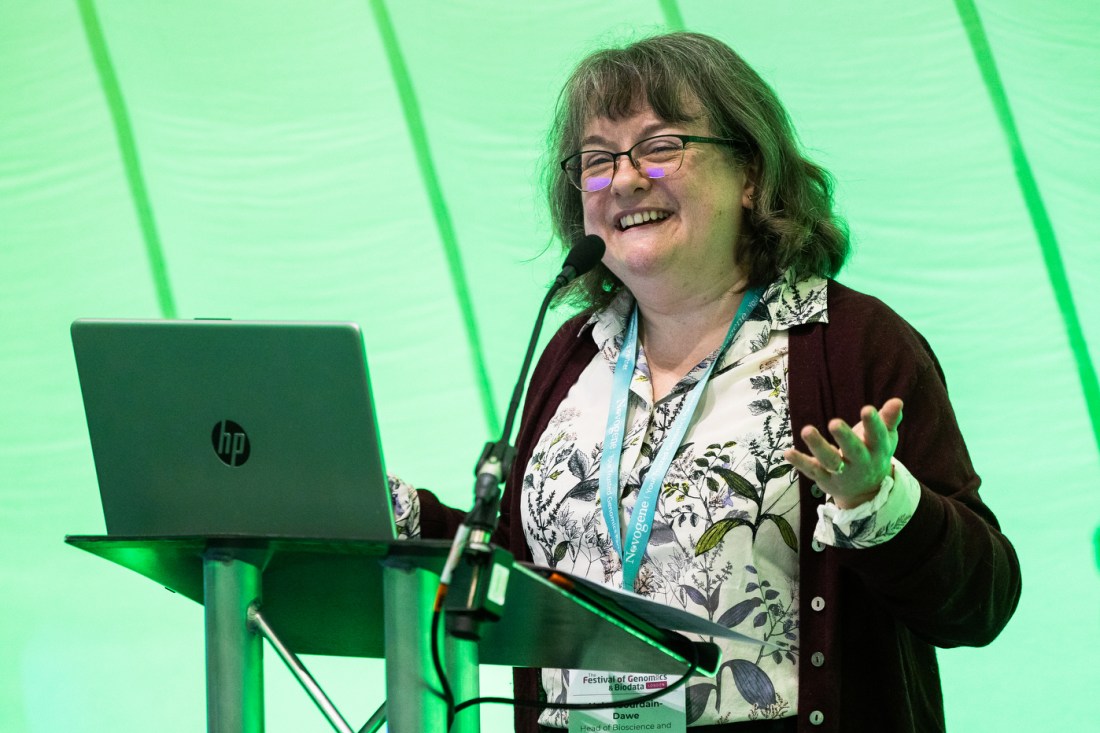

LONDON — Preparing graduates for the future is what Helen Dawe does best.
But the head of bioscience and chemistry on the London campus is not content for that to be limited only to Northeastern University graduates. She wants to guarantee that all those embarking on a career in the life sciences sector can weather the artificial intelligence revolution.
Dawe, an associate professor, has been leading roundtable discussions in the U.S. and the U.K., bringing together industry experts, academics and health professionals to understand the current skills gap.
She wants to use the collated feedback to engage policymakers on the skills that industry leaders are after. The overall purpose, said Dawe, was to ensure that the training on offer could produce graduates who are “resilient” to change within the industry.
Speaking at a session at the Festival of Genomics & Biodata, the U.K.’s largest life sciences event, Dawe said the skills sought by employers for graduate-level jobs had changed dramatically in recent years. She told participants at the Excel Centre, east London, that U.K. job advertisements in life sciences were more likely to ask for programming skills than they were for molecular biology knowledge.
“That’s an enormous shift in the way that biology has been done just over the last few years,” she said, “and that’s without even thinking about the impact of automation, AI, machine learning, etc., on where we’re going right now.”
Dawe cited the 2025 Skills Intelligence Report by Multiverse, an AI jobs training platform, that found that a life sciences employer would likely lose 27 days of productivity per employee annually due to a skills mismatch.
“What I’m hearing when I talk to employers consistently is that it’s not a problem with a lack of talent in the workforce,” she told participants. “It’s often a mismatch between what people are trained to do and what the job role all of a sudden demands, which might be quite different to what they were recruited to do.”
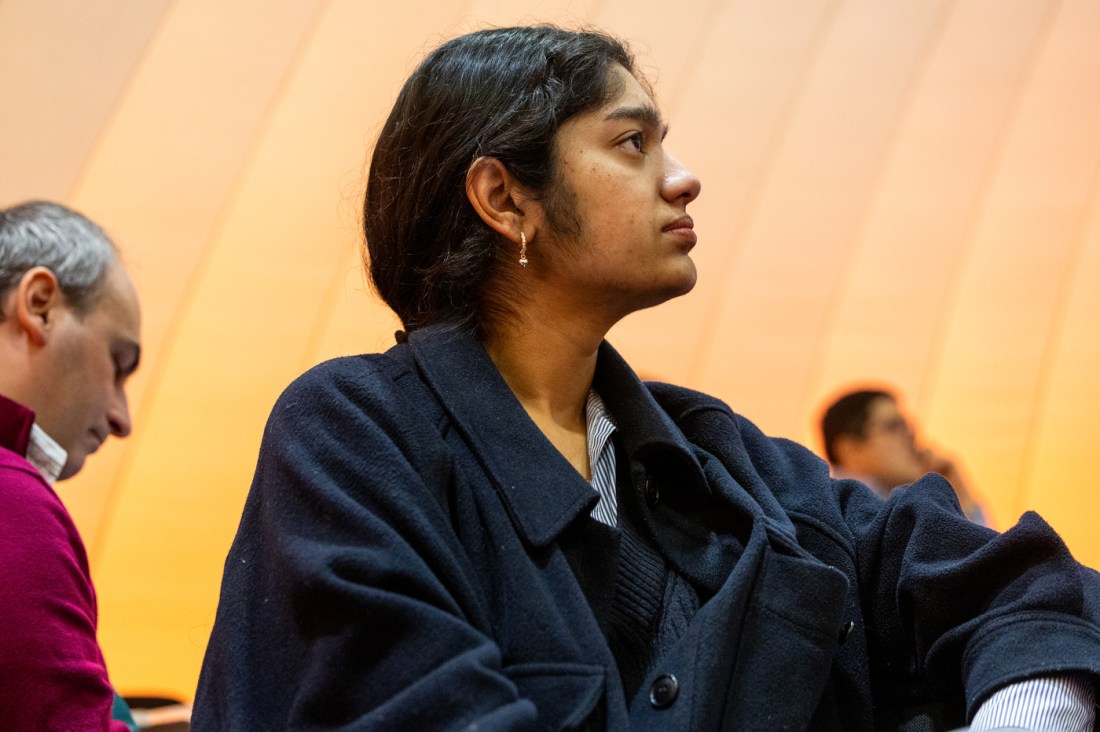

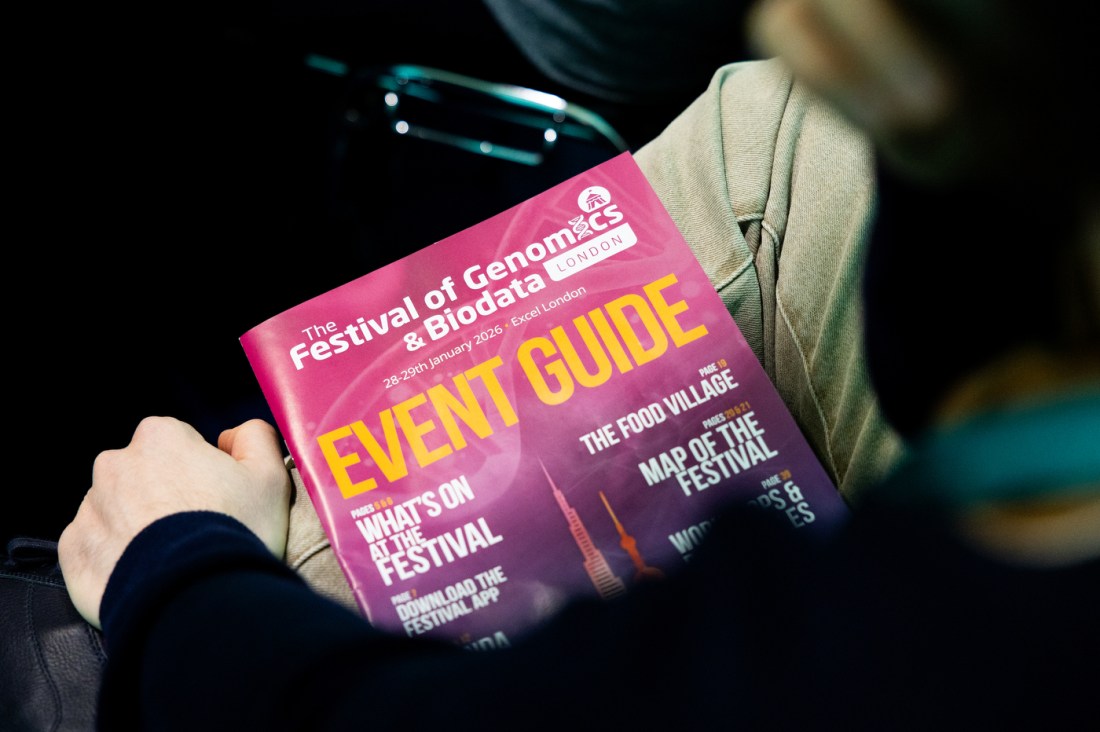


During the open forum, audience members explained how soft skills, such as being able to communicate complex scientific research in an accessible way, remain highly valued. Contributors argued that advances in technology could not act as a substitute for solid biological understanding.
Georgia Whitton, a senior bioinformatician at The Francis Crick Institute, one of Europe’s biggest biomedical labs, said generative AI and large language models were allowing people to “run before they can walk.”
“There are so many people who are using tools and creating huge scripts of code and creating all these figures and interpretations,” said the co-host. “And yet they have no idea about the fundamentals of programming and the code that they are using to interpret. It’s quite a dangerous mismatch.”
Whitton said skills such as creativity and communication remain key to “being an effective data scientist in the workforce”.
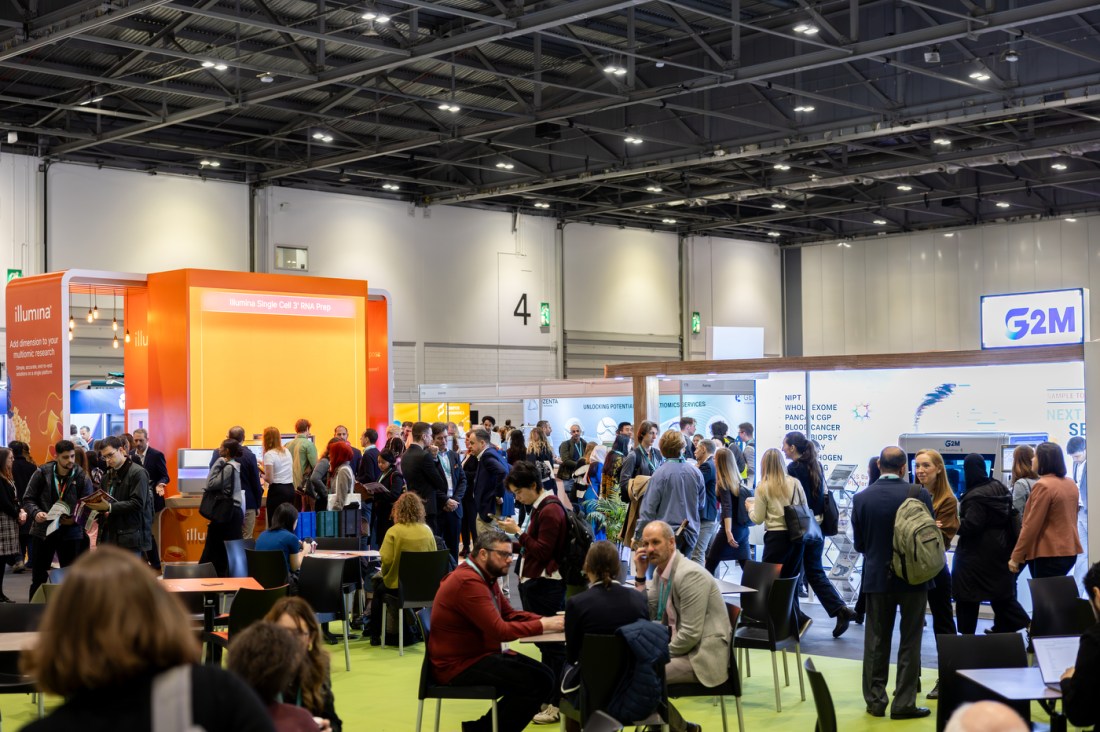

The gathering at the Excel Centre on Jan. 28 was the third such discussion that Dawe had been part of in recent months. She led a similar effort at the American Society of Cell Biology’s annual meeting in Philadelphia and contributed her expertise to the local skills improvement plan for London — one of the Mayor of London’s key priorities.
The next step will be to raise the issues flagged at the discussions with those who set the training curricula, Dawe said. “The challenge for us now will be to try to collate all of that information, to put it together with the other two roundtables that we’ve run in the last few months, and discuss how we can actually push things forward,” she explained.
Degree apprentices studying with Northeastern in London, who were attending the festival as part of their learning, were in the audience for the session.
Editor’s Picks



For the Northeastern laboratory scientist apprentices, who mostly work for AstraZeneca in Cambridge, England, Dawe had set them the task of identifying a strong piece of scientific communication and analyzing it while they were attending the two-day conference.
The event brought together British ministers, government scientific advisers and researchers, while Stephen Fry, the author and comedian, was the final keynote speaker.
Henry Bhamra, a 20-year-old from Surrey, south-east England, said he planned to target a session where researchers would be presenting on their posters. “I think that will be a good opportunity to look for a good piece of scientific writing,” said Bhamra, “and see something unique and see what is coming out of the different research that’s happening.”
The festival also allowed the on-the-job learners, who work four days a week and study at college for one, to make industry connections that could potentially support the work of their firm.
Reegan Paul, a 20-year-old from Lincoln, east England, said: “Because we’ve got AstraZeneca to our name, a lot of people are interested in telling us about their products.
“We can go back to our teams and potentially make a business case. It can help us hopefully build a connection with a company that perhaps AstraZeneca hasn’t considered in the past.”