This engineering professor spends his downtime scuba diving in cold waters from New England to Antarctica
Richard Whalen has spent decades as a professional scuba diver. His latest achievement? Going to Antarctica to help with research on sea star sickness

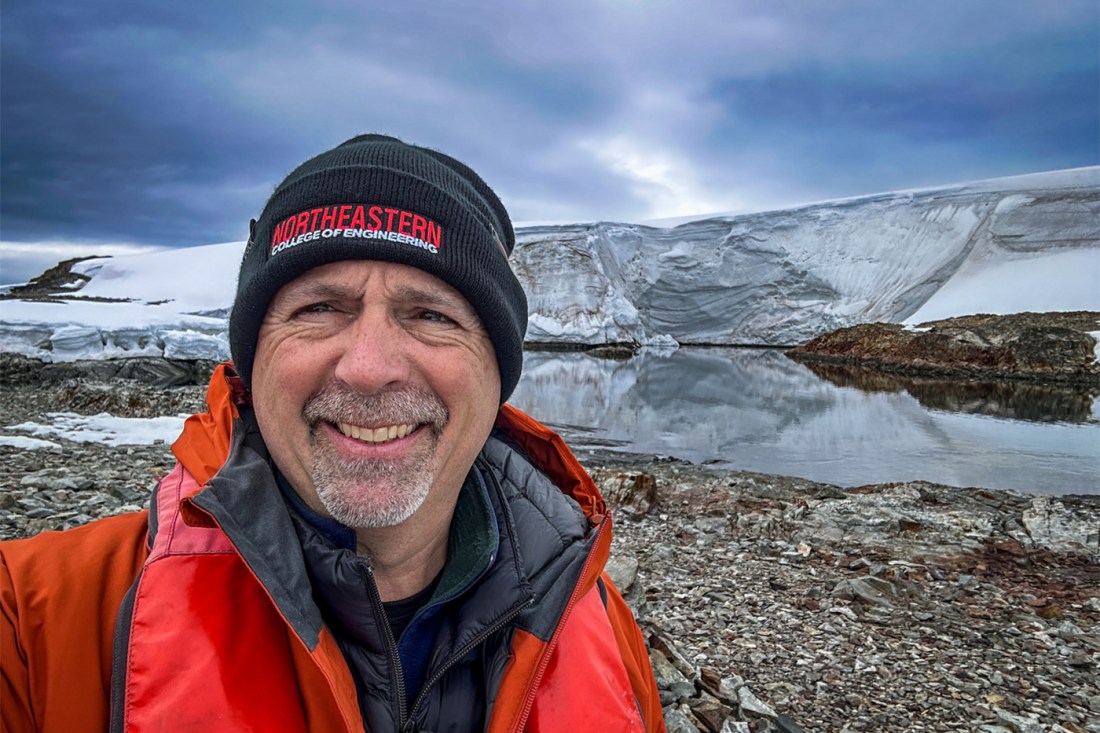
You usually find Richard Whalen on Northeastern University’s Boston campus, directing 15 first-year engineering faculty members across the university’s global network.
But the rest of the time, he’s underwater.
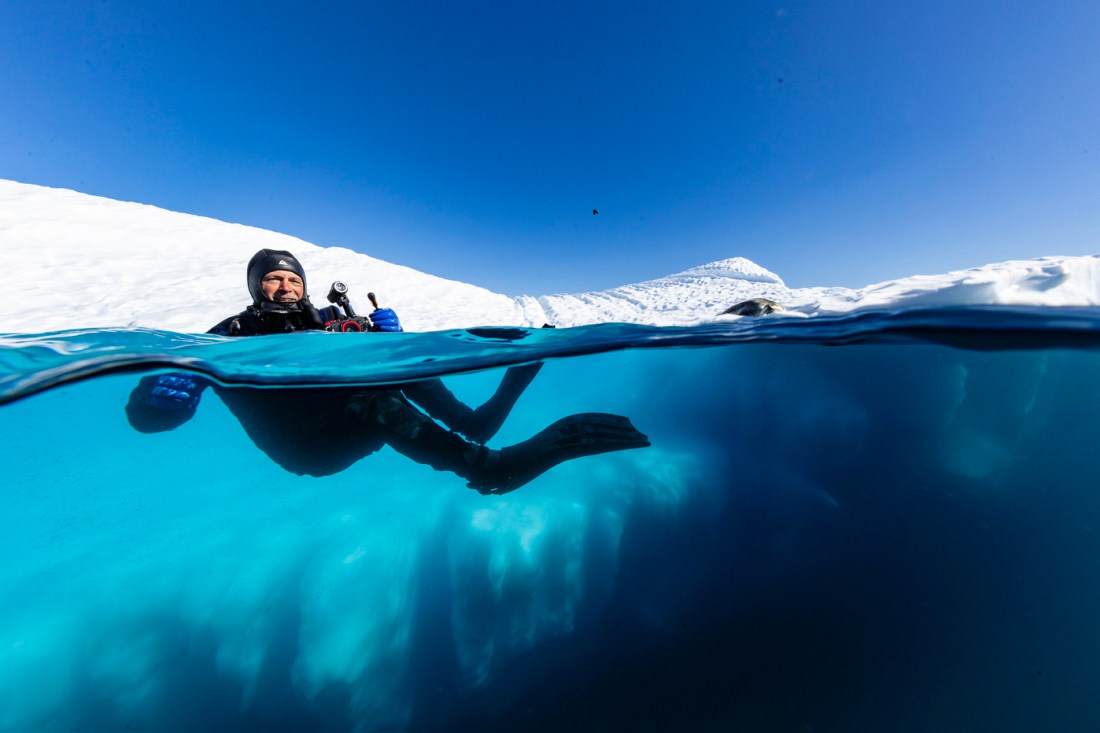
Whalen, director and teaching professor within Northeastern’s first-year engineering program, moonlights as a professional scuba diver. He’s dived for decades, logging over 1,000 treks below the surface, and holds certifications that allow him to teach diving out of a school in Somerville, Massachusetts, in his spare time.
“I really enjoyed looking at fish through snorkeling,” he told Northeastern Global News. “The next logical step was to see if I’d be comfortable diving. The first time you put your face in the water and breathe through a regulator, it’s a neat experience. Then you get hooked.”
This experience diving around the cold waters of New England prepared Whalen to join a multi-week expedition to Antarctica, where he helped with research on sea star wasting disease.
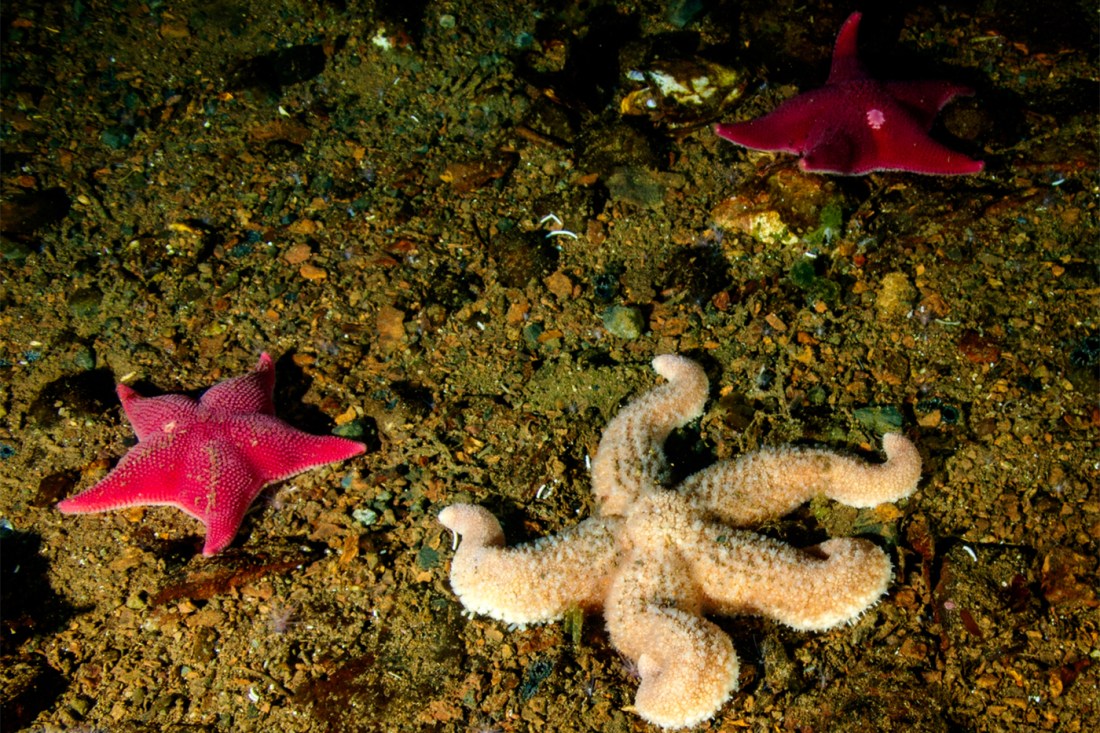
Through Boston Sea Rovers, a yearly convention that gathers local divers, Whalen was introduced to Blue Green Expeditions, which leads people on research-focused trips across the globe. The group was organizing a trip to Antarctica for research on sea star wasting disease. This disease kills sea stars by eating through the exterior and has affected more than 20 species since being discovered off the west coast of the United States in 2013. Researchers needed divers to help see if it reached Antarctic waters.
“I am not a marine biologist, but I love the ocean,” Whalen said. “I jumped on this expedition to Antarctica. The cold water diving here is somewhat special and if you can dive here, you can generally dive anywhere in the world.”
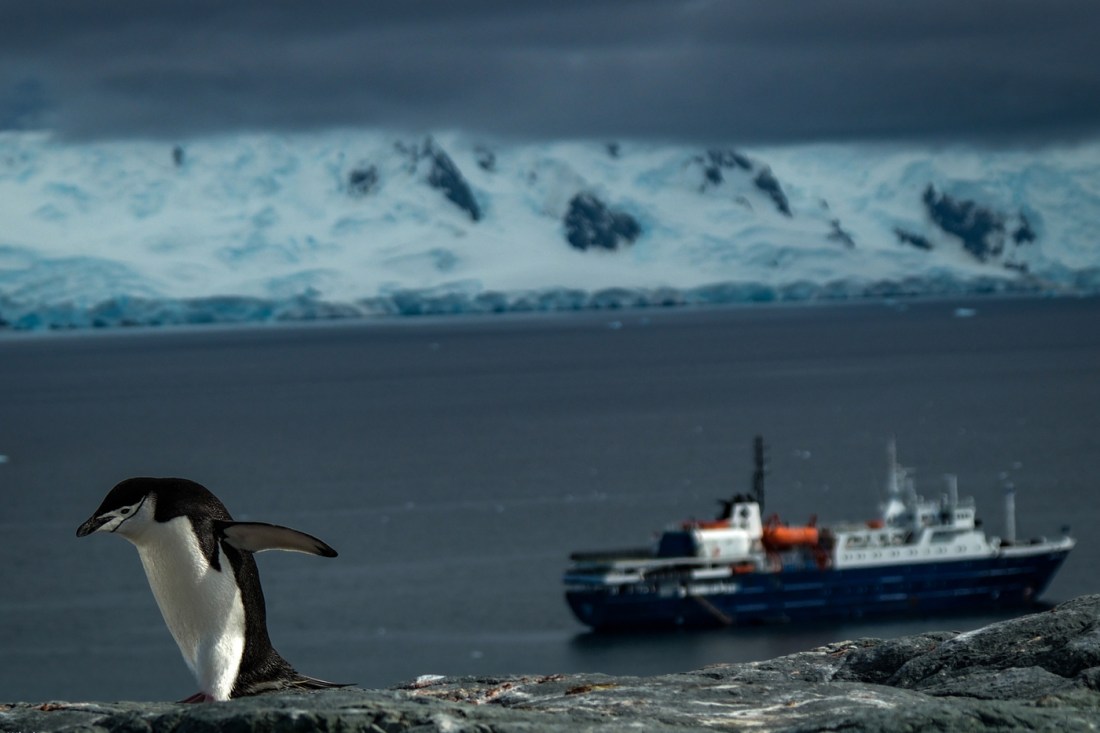
The trip took place during the first few weeks of January going from Ushuaia, Argentina, to the Antarctic Peninsula, where the group did 10 to 11 dives on the western side of the continent.
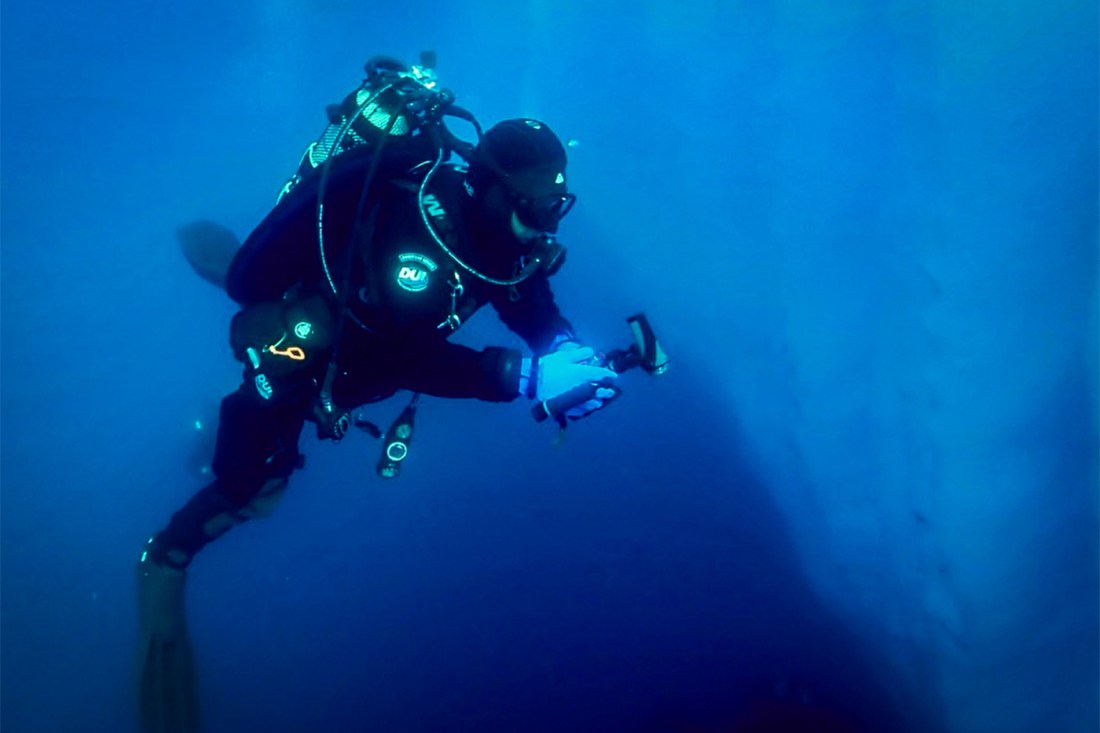
Whalen did about nine dives in 28- to 29-degree water in insulated gear, dodging icebergs and working off a Zodiac vessel that has no ladder and requires divers to shed their gear before climbing aboard.
“We don’t generally shed our (equipment) in the water,” he said. “We had to learn how to split our weight harness so that we could safely take it off without actually sinking. That was probably the only thing that we practiced.”
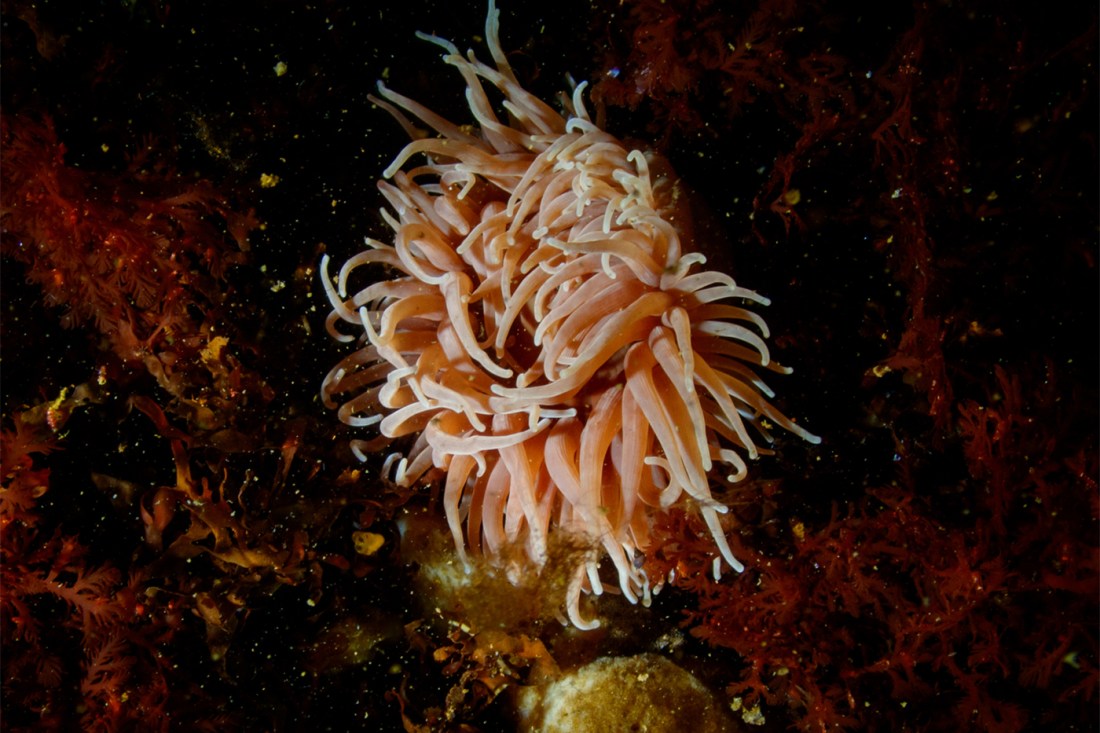
Whalen said his role on the trip was to photograph sea stars he found so scientists could evaluate them for signs of the disease, which they did find evidence of on the trip.
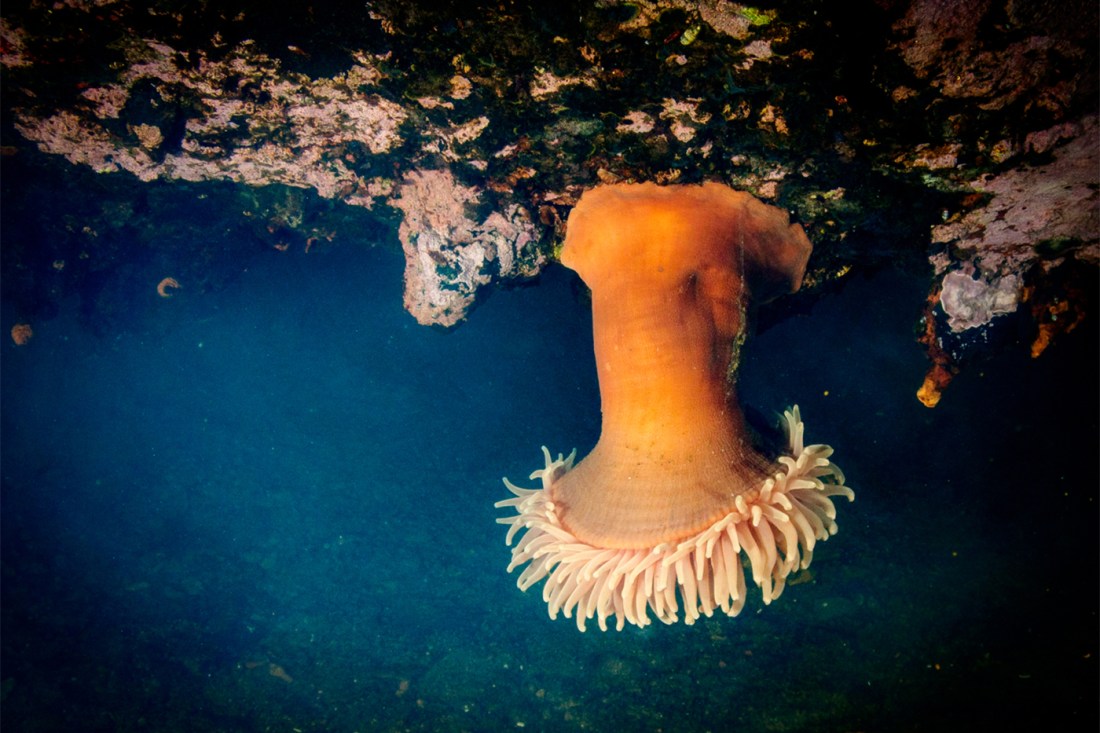
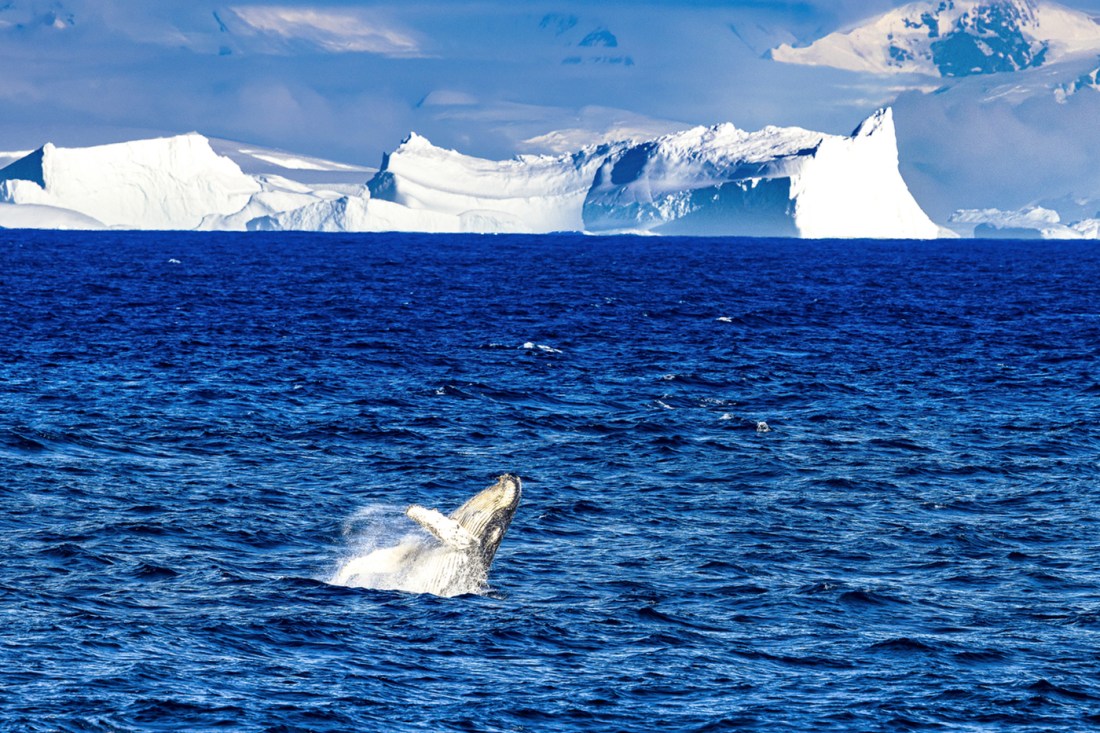
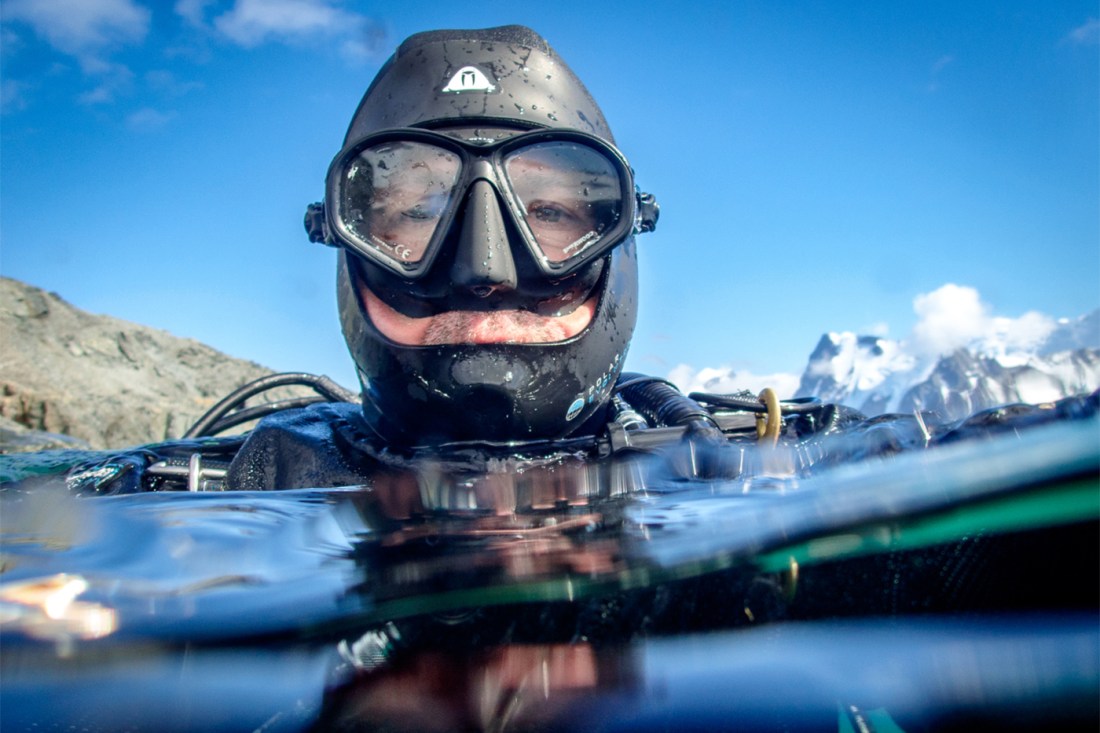
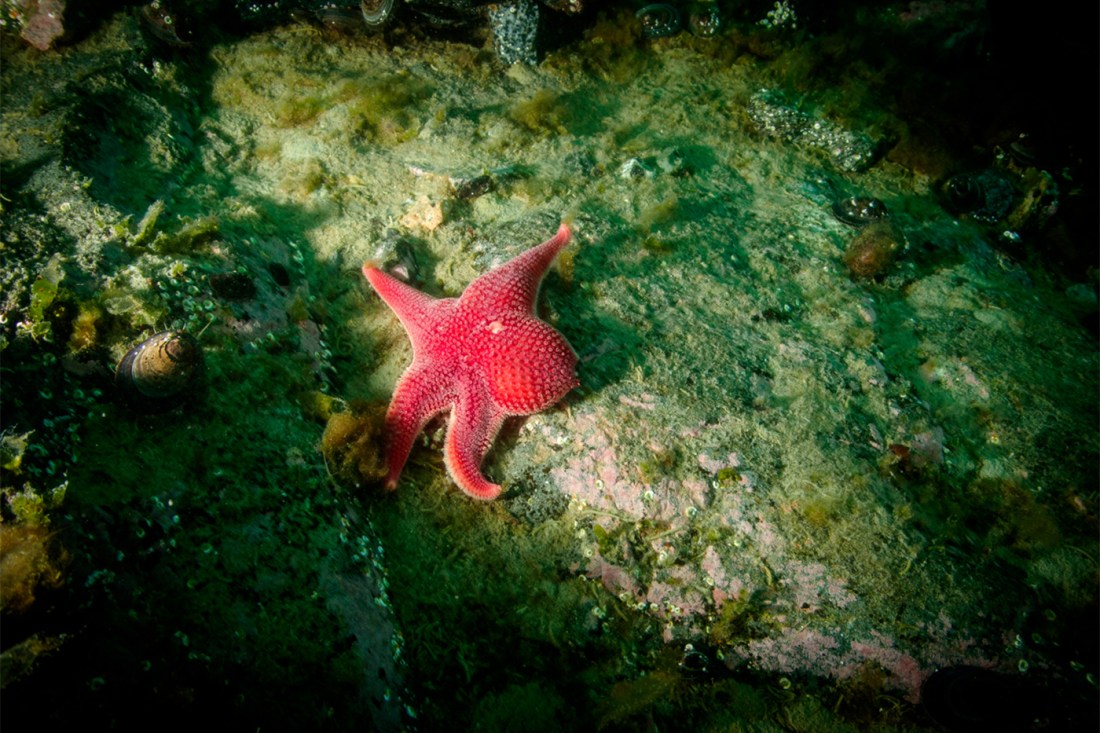
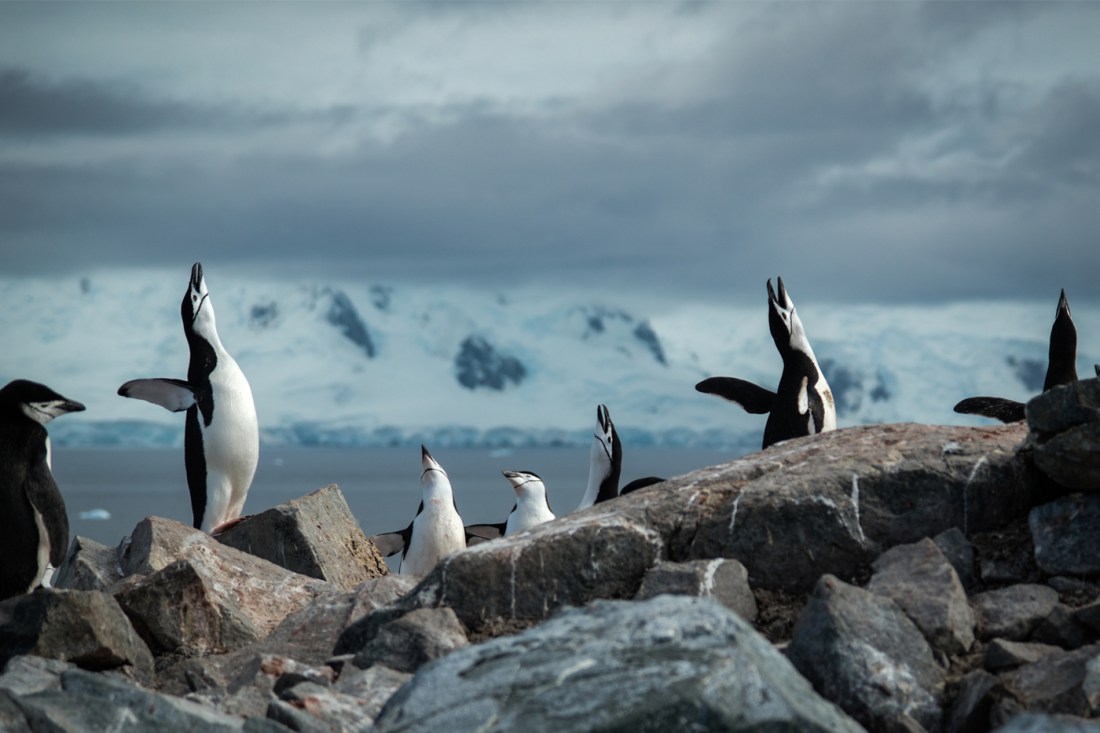
When he wasn’t doing this, the group explored the area, taking Zodiacs to sample plankton or visit penguin colonies, abandoned research stations and old whaling sites.
At the end of the day, they would have meetings to review daily findings before heading to bed if they could (the sun never fully set on the trip).
“It’s really about bringing citizens together to help with science that isn’t necessarily funded through grants and giving them an opportunity to participate,” he said. “It made it quite fun and interesting.”