Meet the duo behind Boston’s new Holocaust Museum. They want it to be unlike any other
Holocaust Museum Boston, which opens in late 2026, arrives at a trying time for the Jewish community. Northeastern grads Todd Ruderman and Jody Kipnis explain how their museum bridges the past and present in new ways.

When Todd Ruderman and Jody Kipnis visited the Auschwitz concentration camp in 2018, they didn’t know it would lead them to build New England’s first Holocaust museum.
But eight years later, the seed planted by that life-changing experience is bearing fruit. Holocaust Museum Boston, opening in late 2026, aims to bring a different approach to Holocaust education to visitors who step through its doors, bridging the tragedy of the past with the anxieties of the present to affect change.
“You used to go to these museums and be like, ‘Wow, that was horrible. That happened in the past. It’ll never happen again,’” Ruderman said. “What we’re saying is not only can it happen again, it will happen again if we don’t change and do something differently.”
For Ruderman and Kipnis, the museum, which Ruderman said is the “most advanced Holocaust education museum to date,” is an intensely personal project.
Both grew up in Greater Boston, raised their families there, and have been active in the city’s Jewish community as members and philanthropists. Ruderman and Kipnis graduated from Northeastern University, where Ruderman is still active as a donor and supporter of the university’s students and Jewish Studies program, before going on to work in real estate and the dental field, respectively.
But it wasn’t until their trip to Poland in 2018 that they started to understand the extent of Holocaust history.
Ruderman, Kipnis and their longtime friend and Holocaust survivor David Schaecter, who recently passed away, visited several concentration camps and Holocaust-related sites, including the former Warsaw Ghetto. They stood on the grounds of Auschwitz, where their friend had spent several horrific years of his life.
“When we left Poland, David stood up on the bus with everybody who was going back to the airport and said, ‘Now you’ve seen this. You’ve heard my story. What are you going to do about it?’ We kind of took it to heart, and on the plane ride back, we planned to do something,” Ruderman said on Jan. 26, the day before International Holocaust Remembrance Day.
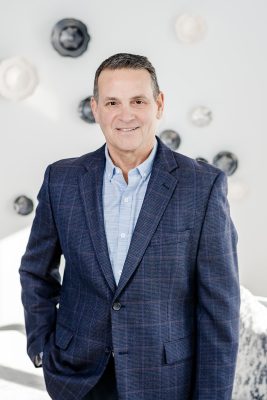
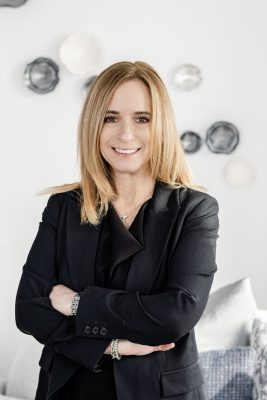
Together, Ruderman and Kipnis established the Holocaust Legacy Foundation and the Holocaust Legacy Fellowship. It gave teens the chance to meet survivors and make the same trip to Poland that had changed Ruderman and Kipnis’ lives. However, the COVID-19 pandemic essentially ended the fellowship, so they started making plans for what, at the time Kipnis said, felt like “a big crazy idea”: to build a Holocaust museum in Boston.
For Ruderman, the idea cut to the heart of what he wanted to do: make the biggest and broadest impact possible.
“A fellowship, I thought, over our lifetime would affect in the hundreds,” Ruderman said. “With a museum, we can bring 100,000 people through there over a year.”
Ruderman and Kipnis embarked on a national and international tour of Holocaust memorials and museums. They took all those experiences to heart as they crafted an experience that takes the historical rigor of the best and meets the needs of the present.
“We didn’t want to build a typical museum that read like an encyclopedia with words on the wall,” Kipnis said. “We also learned from being at these museums that the challenge today isn’t about accessing the information; it’s connection.”
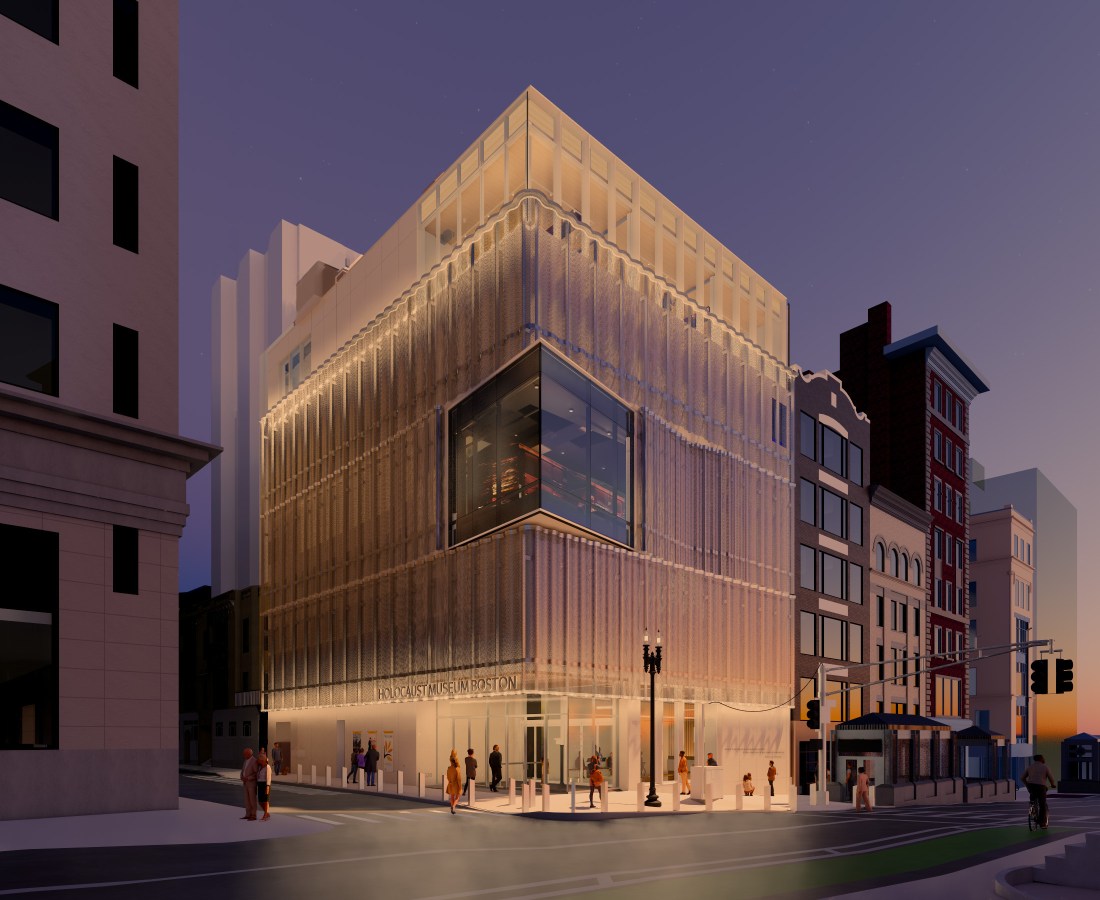


While other Holocaust museums focus on detailed timelines told in chronological order, Ruderman and Kipnis wanted their museum to focus on “how societies unravel.” That involves a more interactive and immersive approach to conveying this history but also a slightly different set of subjects.
Holocaust Museum Boston focuses on how societies unravel through propaganda, prejudice and hatred, the collapse of democratic norms and the choices that people, not just groups, make.
“We’re also going to explore how fear is normalized, how small choices accumulate into catastrophe,” Kipnis said. “With that framework, it will make the history legible and relevant to what’s happening right now.”
With the museum located within view of the Massachusetts Statehouse, and in a state that requires genocide education for all middle and high schoolers, Ruderman hopes it will be a vital, evolving resource for one of the nation’s education hubs.
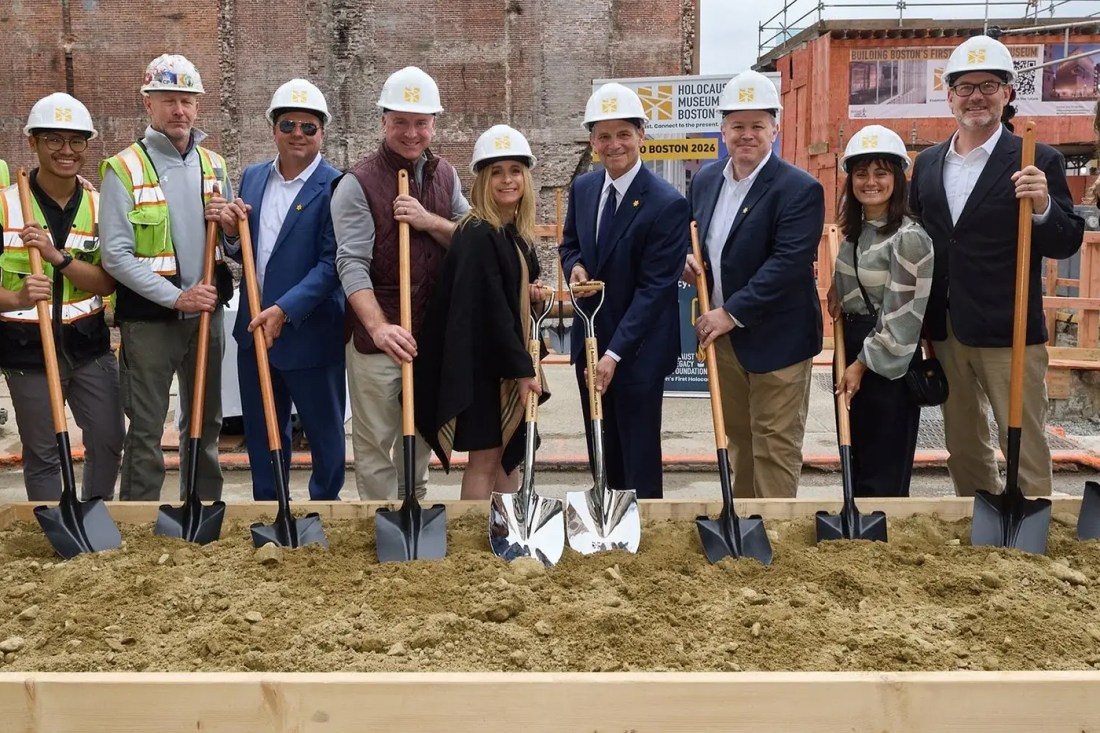
“We are a city for everyone and we are a city that leads the way, because not only are we constantly committing to what we need to do moving forward, but what we need to remember, to take stock of, and then charge ourselves with the responsibility to act on forever more,” Boston Mayor Michelle Wu said during the museum’s groundbreaking ceremony in May.
Antisemitism is on the rise in the U.S.: Anti-Jewish hate crimes hit an all-time high in 2024, according to the Federal Bureau of Investigation. That trend has led some to question the effectiveness of Holocaust education, Kipnis admitted. For her and Ruderman, it has only reinforced the need to find ways to connect people with this horrific history.
“We’re trying to not just tell the story of the Holocaust,” Ruderman said. “We’re trying to say, ‘What are you going to do? How are you going to be a different person based on what you just learned here?’”
Northeastern Global News, in your inbox.
Sign up for NGN’s daily newsletter for news, discovery and analysis from around the world.