Northeastern helps N.U.in students transition to Boston after a semester abroad
After starting college abroad, N.U.in students arrive in Boston with university support to adjust academically, socially and culturally.
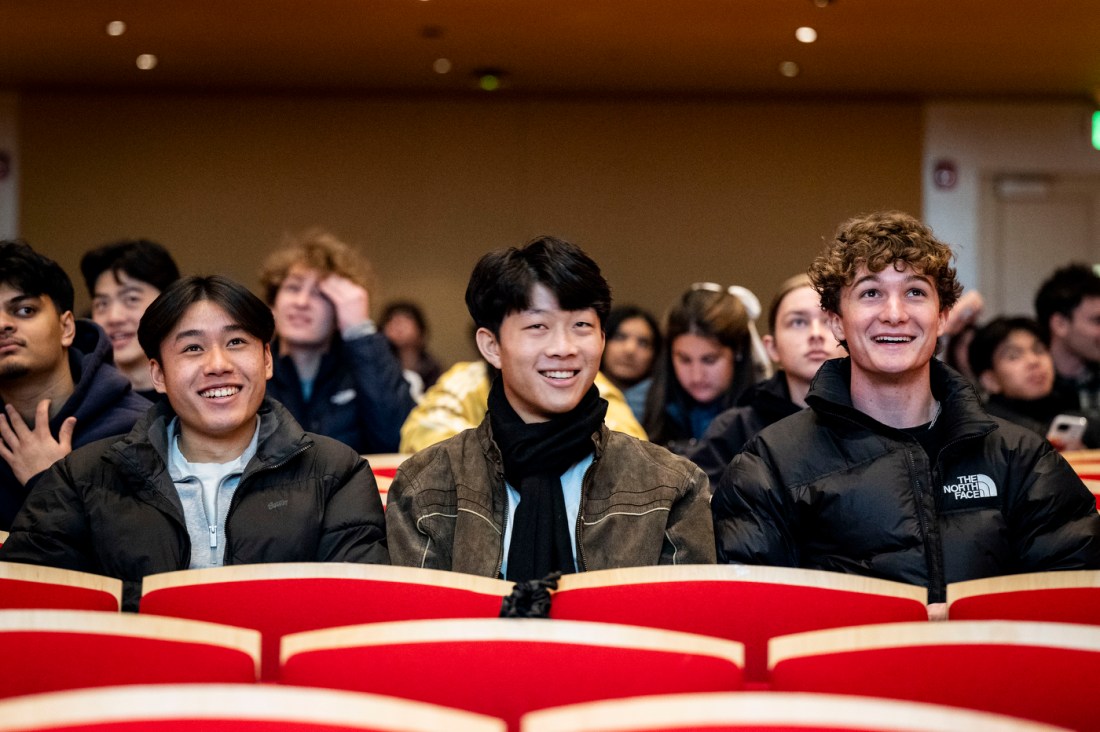

Growing up in Massachusetts, Madeline Bell never imagined studying abroad, especially during her first semester of college. But when she was accepted to Northeastern University’s global experiential N.U.in program, she couldn’t pass up the opportunity of going to Greece.
“It would be something that I would regret for the rest of my [time in] college,” said Bell, a biology major. “I’m so glad that I did it. It was really life-changing.”
Bell was one of more than 1,300 students who participated in the N.U.in program in fall 2025. The program allows first-year students to spend their first fall semester studying abroad at one of Northeastern’s international partner locations before joining the rest of the first-year class on the Boston campus in January.
This year, N.U.in students studied in nine locations: Lisbon, Portugal; Berlin; Madrid, Spain; Rome; Glasgow, Scotland; Belfast, Northern Ireland; Dublin; Prague; and Thessaloniki, Greece. On Jan. 7, they started their second semester in Boston.
What they’ve learned abroad
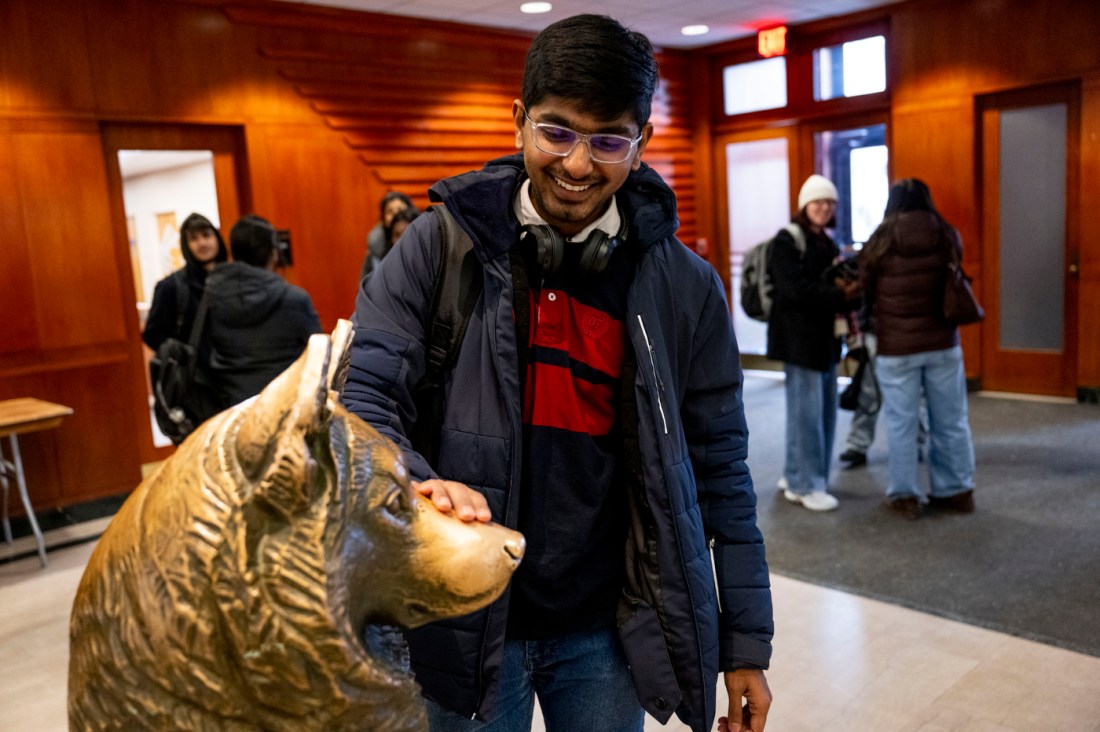
Daniel Jean-Louis, a computer engineering student, chose the Czech Republic as his N.U.in destination, where he studied in the University of New York in Prague. He said the city exceeded his expectations.
“I would definitely recommend it to anybody who wants to study abroad,” Jean-Louis said.
Northeastern organized a lot of events for his cohort of N.U.in students, allowing Jean-Louis to befriend many of them. Being away from family and friends, he said, taught him independence and self-reliance.
Rigorous courses like physics and chemistry pushed him to develop better study habits.
“You needed to put in time studying and to review things,” Jean-Louis said. “It made me realize that it’s really up to me.”
In addition to traveling within the Czech Republic, he visited Switzerland, Germany and Austria.
Transition concerns
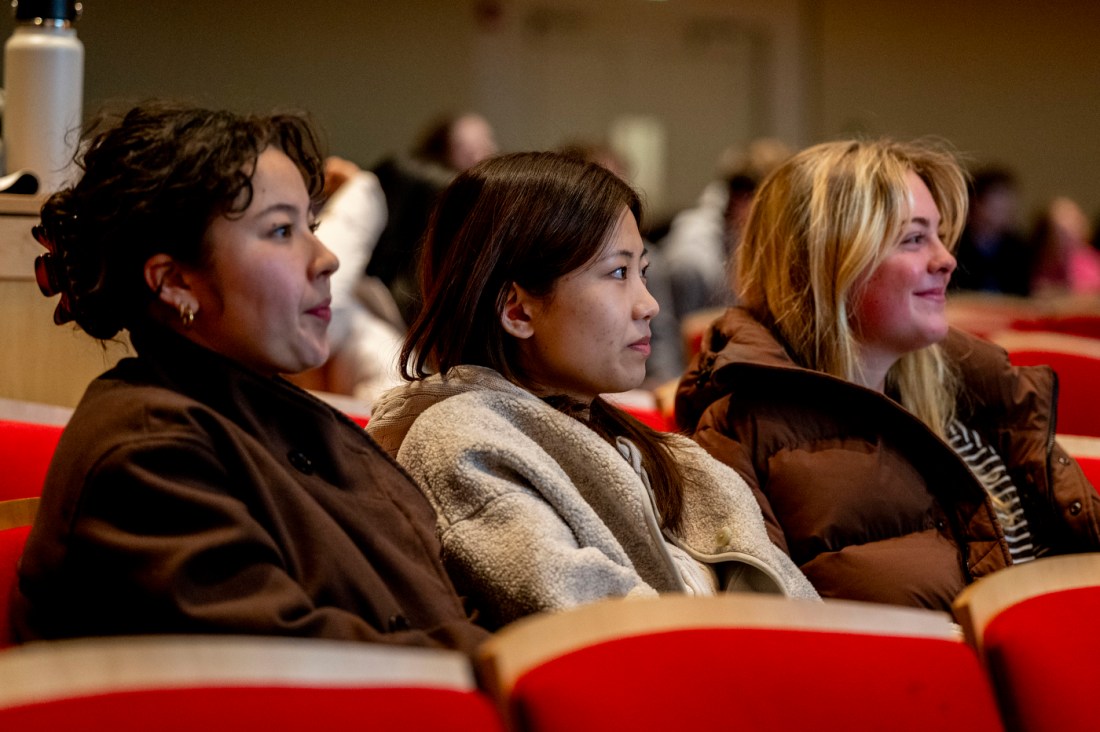
As N.U.in students transition to the Boston campus, some of them say they are worried about integrating with first-year peers who had a head start in Boston and about keeping up with demanding academics.
Ayla Karadogan, a media and communications major who spent her first semester in Italy, said she was a little concerned about the workload.
University support
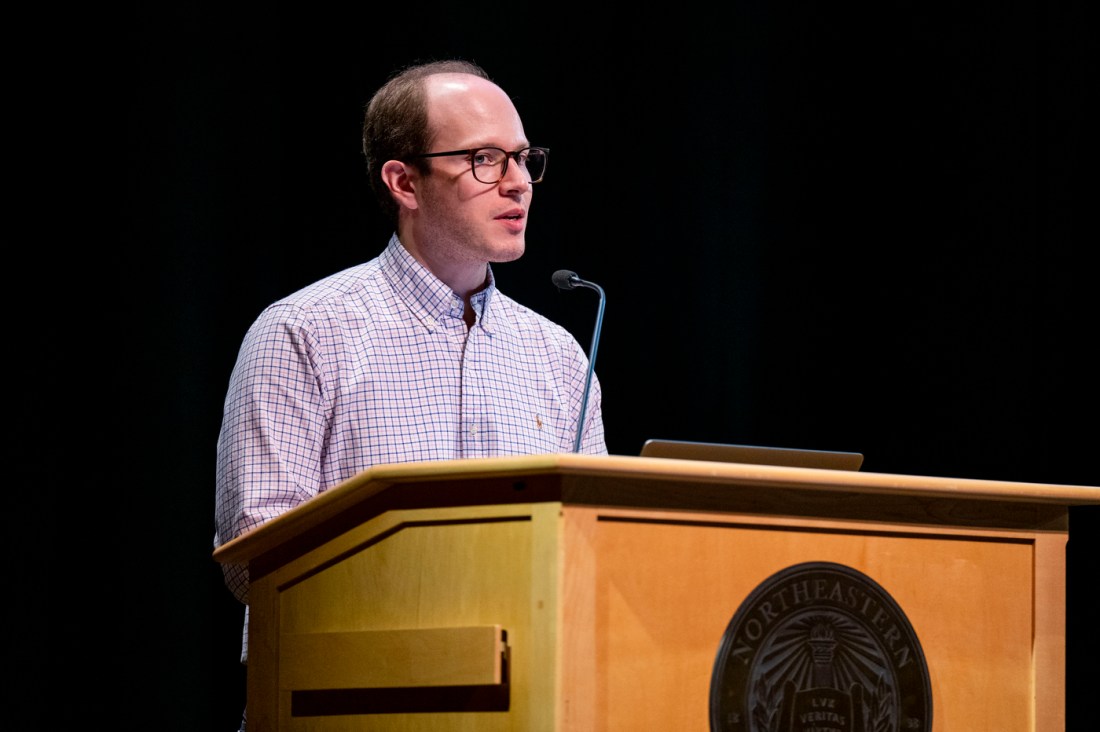
The university offers programming designed to support N.U.in students as they transition to Boston, said Amy Stevens, vice chancellor of global experiential learning pathways. Academic advisers meet with students in the fall, either in person or virtually, to help plan spring semester courses, while housing webinars are offered ahead of registration for accommodation.
Northeastern is able to bring N.U.in students to Boston in January, Stevens said, because many more students leave the campus for co-ops during the spring semester.


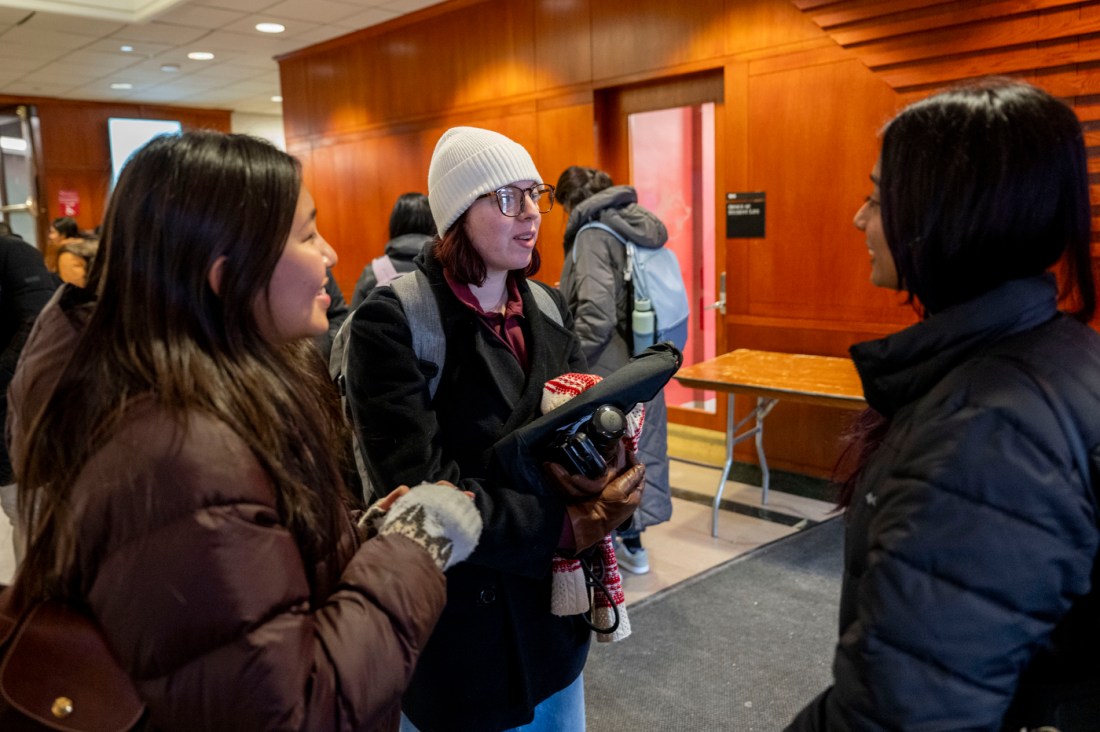
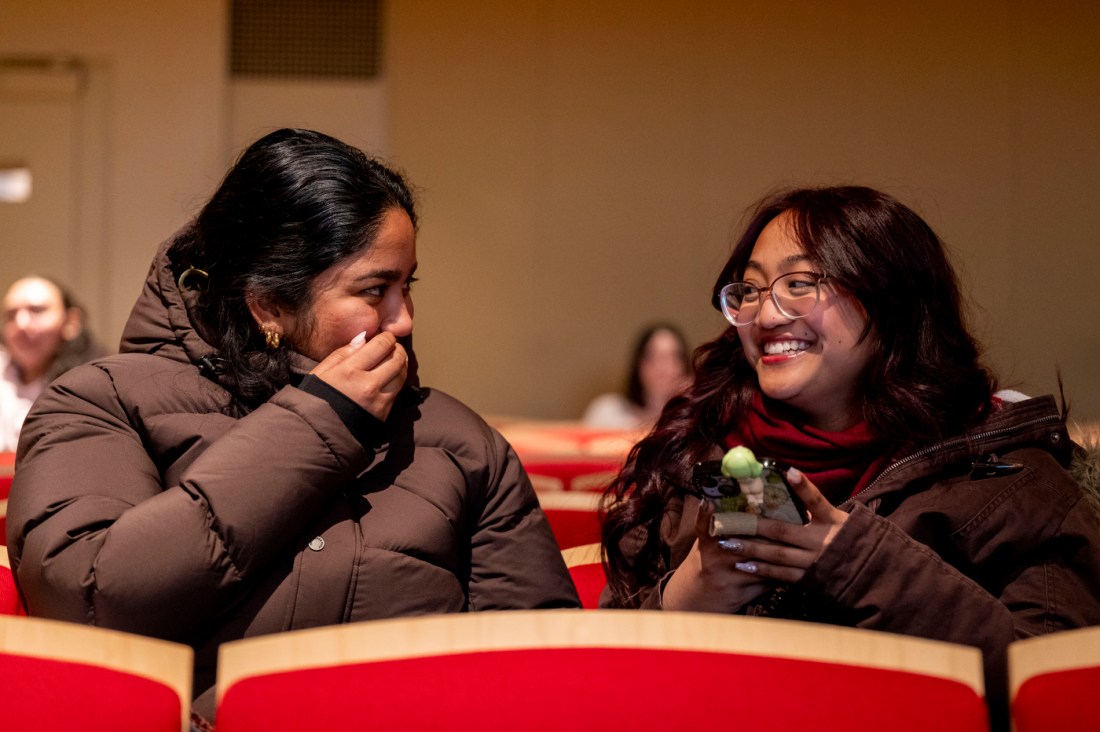
Lisa Commendatore, senior director of Boston orientation and family programs, said her office is responsible for helping N.U.in students acclimate to both the campus and the city, through a mandatory orientation and so-called Welcome Week.
The Boston orientation includes required sessions on belonging, community life, health and wellness and student involvement. Welcome Week programming, which runs throughout January, features more than 100 cultural and social events, including “find your way to class” sessions in which students help newcomers navigate campus, and Winter Blast, a silent party featuring ice cream and ice sculptures.
Students are also introduced to campus resources such as recreational centers, Snell Library, research opportunities, community service options and local businesses. The university organizes lunch and dinner meetups among N.U.in students who studied in different countries.
“Even though the students have comfort among their own groups, we also want them to expand outside of that friend group and make new friends,” Commendatore said.
Students participate in Boston excursions, including trips to the Frog Pond ice skating rink on Boston Common, the Museum of Fine Arts and neighborhoods such as Chinatown and the North End. These trips teach students how to navigate the Boston transit system, Commendatore said.
Brandon Mathieu, director of the Center for Students Involvement, said his team hosts a student involvement fair featuring more than 400 student organizations to help N.U.in students build community.
“If students are looking to get involved in any specific thing, any specific club, they have that portfolio of student organizations to choose from,” Matieu said. They can also access Engage, a student organization management platform.
“We’re happy to work with students individually to help them find something that they may be interested in,” he said.
Advice from a veteran N.U.in student
William Coleman, a physics and philosophy student who participated in N.U.in in Dublin in fall 2024, discovered upon coming to Boston that his spring academic schedule was more rigorous and tight.
“I would recommend taking less things for granted,” he advises the incoming N.U.in students. “It’s not your second year; it’s your first semester in Boston. There’s not a simple pipeline where you’re having fun in N.U.in and then you come back, and things just get easy.”
To make friends among non-N.U.in students, Coleman recommends being proactive and social in classes.
“That’s where you’ll get connected,” he said. “It’s really important to connect with people who are related to your major or your classes.”
At the same time, Coleman encourages students to explore Boston and build a deeper connection to the city.