This world-class rower bounced from the boathouse to working the rails
Ed Lopas’ journey has taken him from his hometown in New Zealand to Northeastern’s Boston campus.
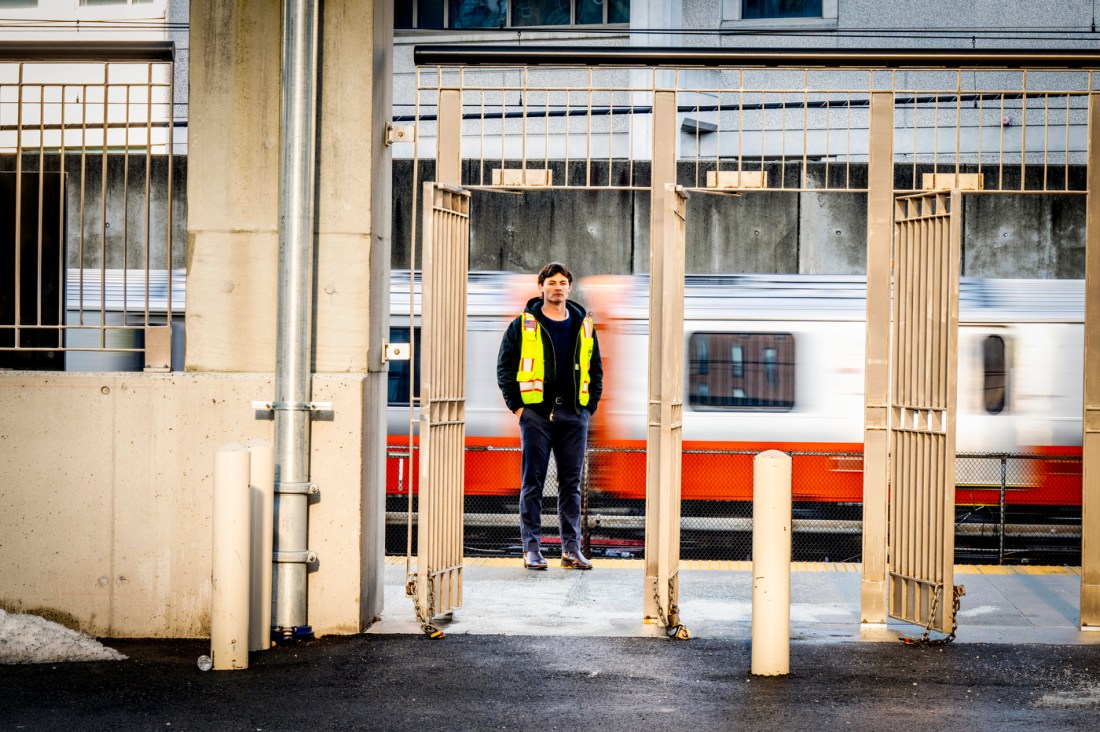

Days start early for Northeastern University third-year economics major Ed Lopas.
By 5:30 a.m., before many college students are even awake, Lopas is en route to Northeastern’s boathouse on the Charles River in Boston for rowing practice with the university’s crew team. Then between August and December, after getting in a few hours of practice, the world class rower would head to his co-op as a field and office engineer with Barletta Heavy Division Inc., a construction firm that is helping the Massachusetts Bay Transportation Authority upgrade the signals on the Red and Orange lines of the subway.
Lopas worked in the company’s office in the Boston neighborhood of Dorchester from 9 a.m. to 3:30 p.m., helping schedule construction, coordinate with subcontractors, create quality control reports, project documental control, accounting and provide other support for large-scale construction projects under Barletta.
But the day didn’t end after a full day supporting Boston’s public transit. Lopas would return to campus for an afternoon of rowing practice. All this, in addition to his weekend training sessions.
“It’s not the easiest kind of schedule (with) training 23 to 28 hours a week,” said Lopas who wrapped up his co-op with Barletta last month. “Fortunately, … they were very flexible. Sometimes you just have to turn your brain off and give it a go.”
Lopas, 22, spends his summers training and rowing with the national team in his native New Zealand. He has placed twice with the team in the World Rowing Under-23 Championships. Therefore, he worked at the co-op during the school year.
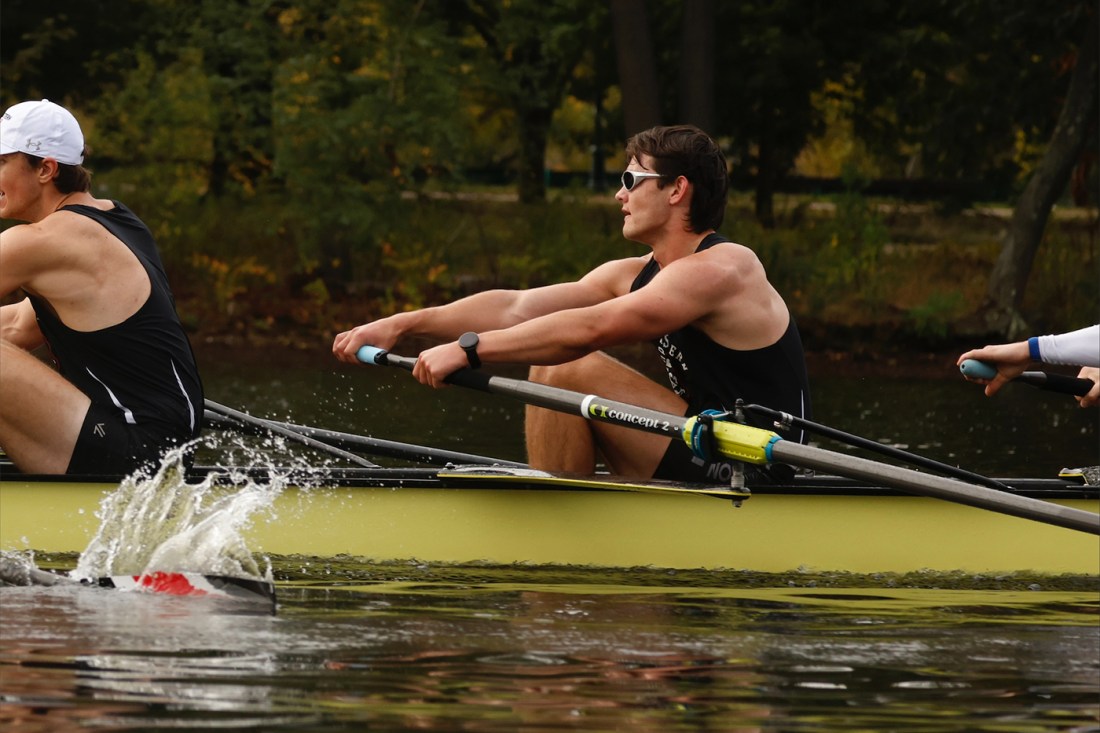
Barletta was the perfect fit. During his co-op, which ran from August to December, Lopas supported the project management team in upgrading the signals for the Orange and Red subway lines. These subway lines are some of the most utilized forms of public transit in the Boston area, with over 100,000 riders filtering through on an average daily basis as of October 2025. The work Lopas’ team does allows for fewer delays for the millions that rely on this system.
The co-op allowed Lopas to work behind the scenes to maintain these systems.
Lopas began most work days by checking in with subcontractors and electricians on what work had been done the night prior. Those updates would then be passed on to other teams, like accounting. Some days, Lopas would have materials that needed to be dispatched to stations.
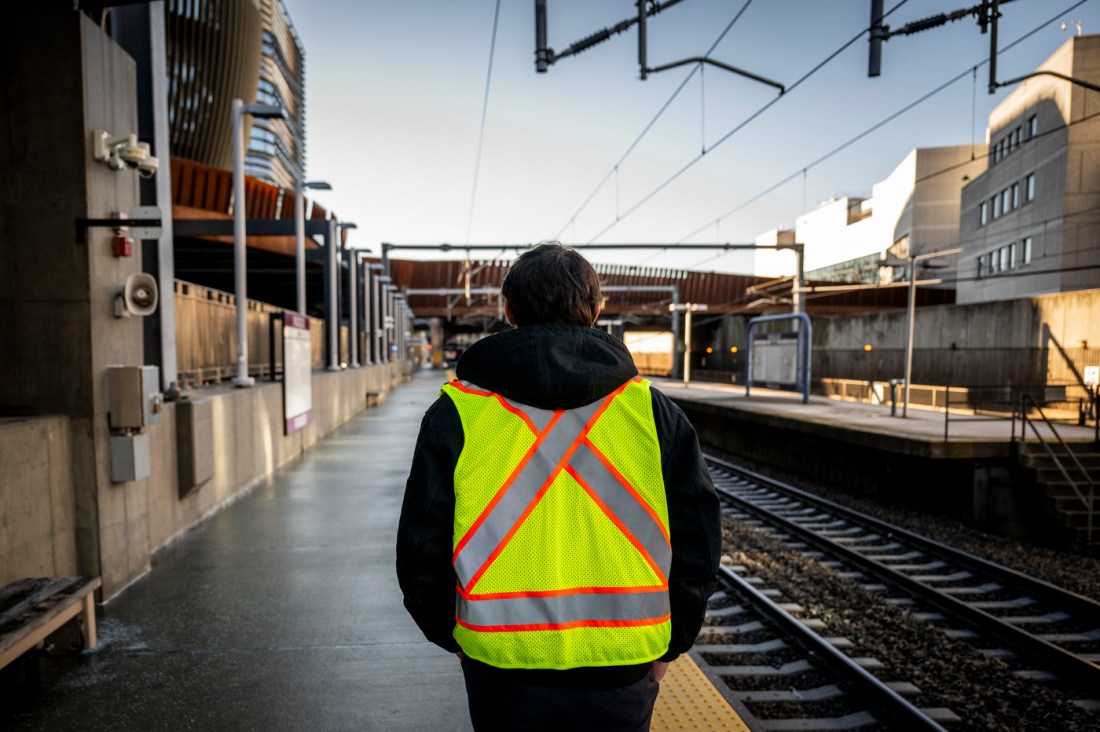
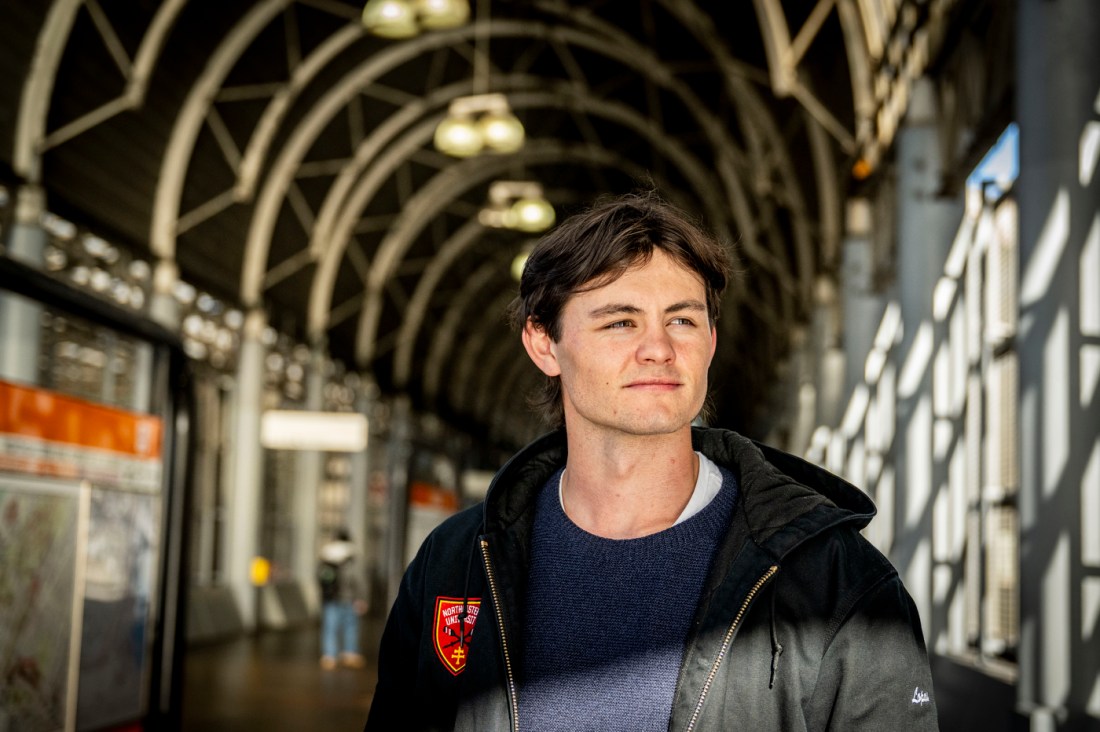
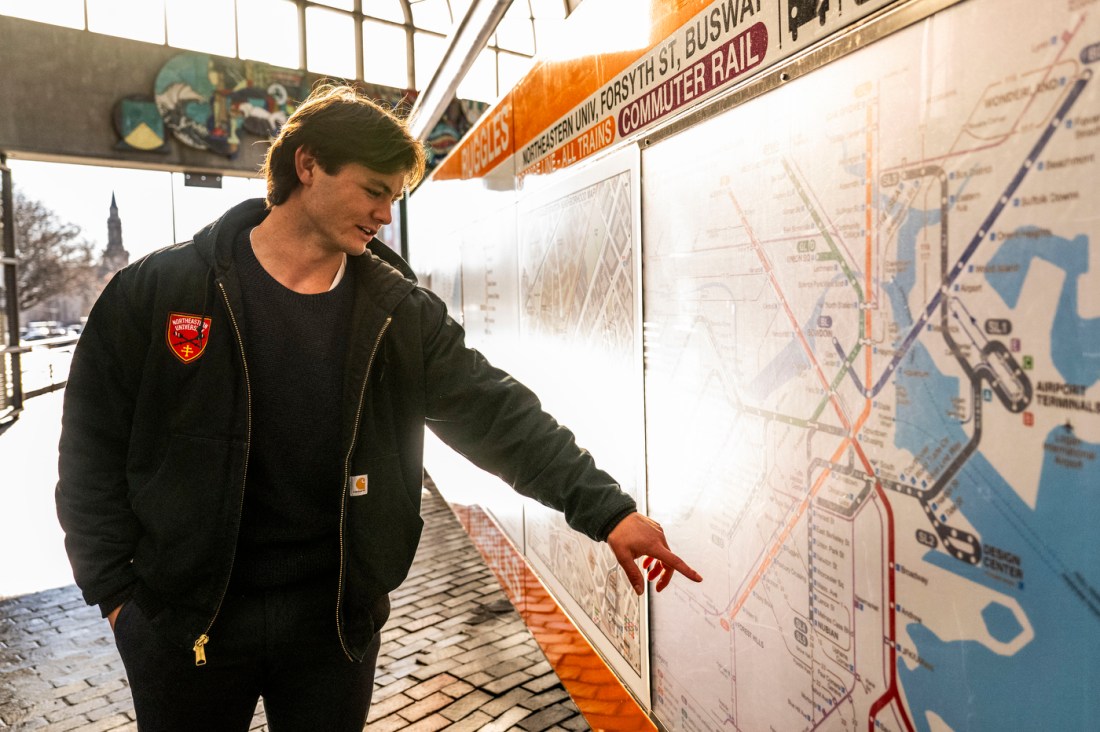
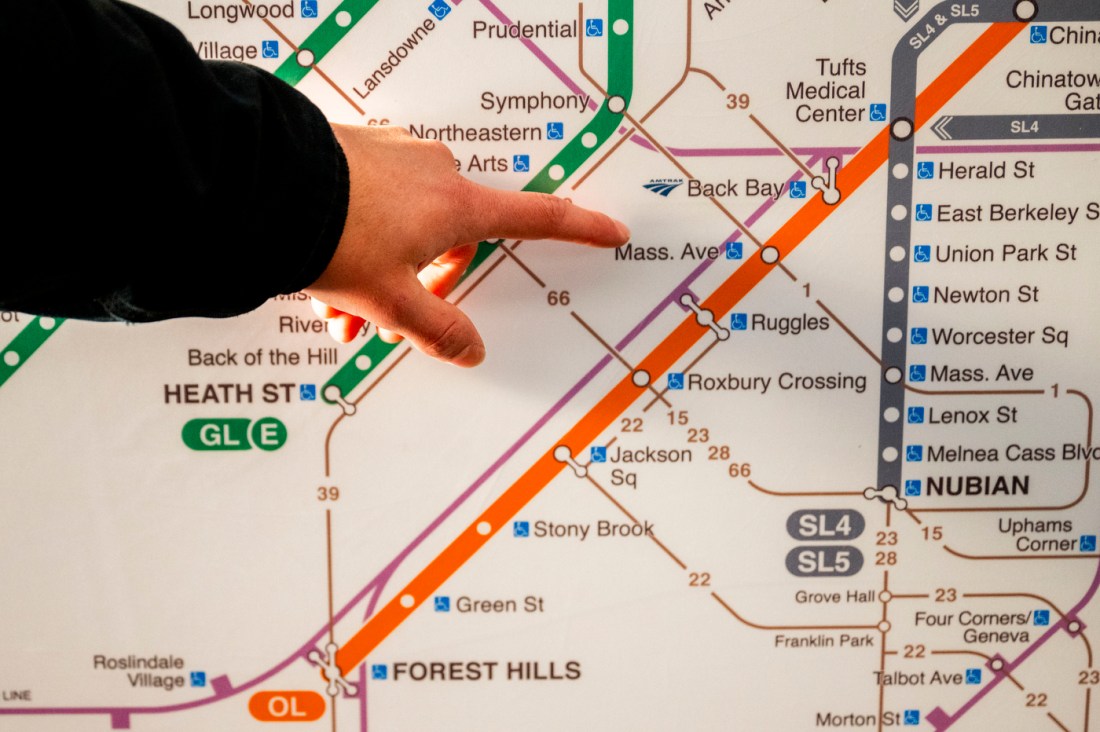
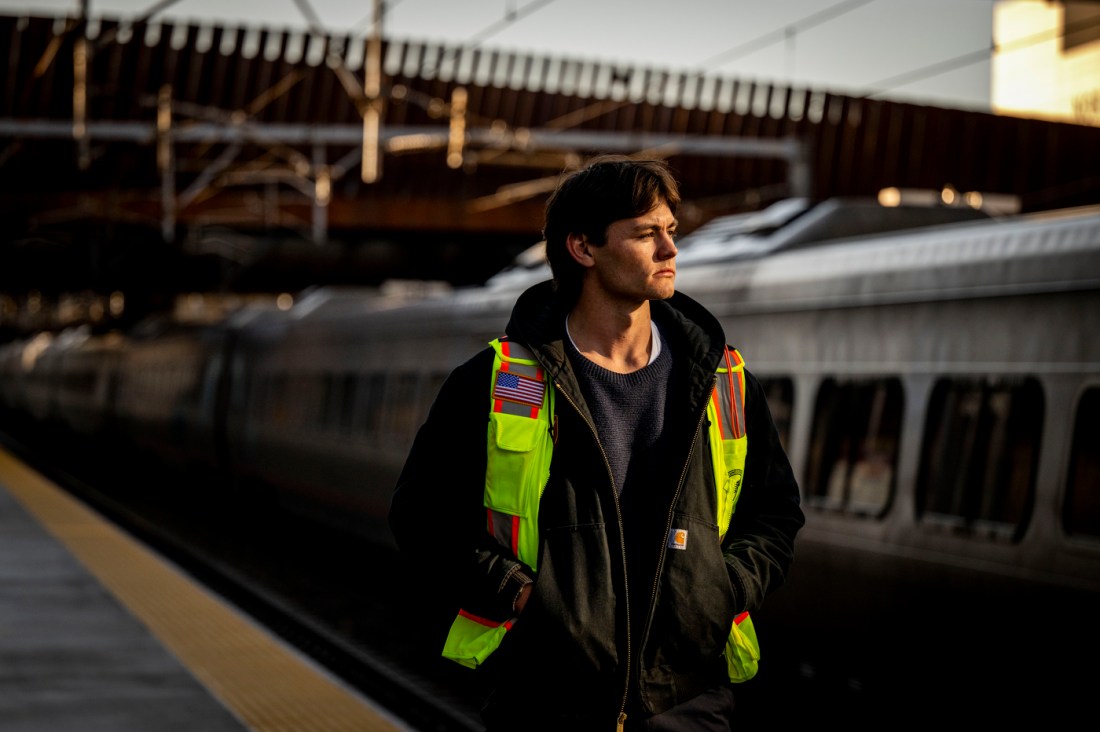
“You realize how many people are working hard to keep the job going,” he said. “You’ve got guys having to do night shifts and regular office workers doing night shifts just to keep the train lines upgraded. It’s not easy, but it’ll get fixed one day. Before, I’d been the laborer doing the work, so it was interesting being the guy planning.”
Lopas had some exposure to the construction industry working with his grandfather and also a job he took during a gap year in New Zealand.
Editor’s Picks




At Barletta, Lopas combined office and field work, meaning he spent some nights at the stations overseeing the signal work being done there. This sometimes meant working from 4 p.m. to midnight on weekends after getting up for early morning practices. But the long days were his favorite part of the job as it allowed him a chance to get out of the office and put a name to the materials and projects being discussed.
“That was pretty grueling, but also pretty exciting because you’re finally getting to a name to an object,” Lopas said. “You go and see it in person and it makes sense. Something that scares me is (the idea of) sitting at a desk every day for hours on end. I like going outside to be a bit more active. When we get to go and oversee what’s happening at these project installations, that’s really cool. It’s like getting the best of both worlds.”
Lopas’ supervisor, Michael Fleming, a project manager for Barletta’s work on the MBTA Red and Orange lines signals upgrade project, said co-ops like Lopas are crucial for the company’s work supporting the state’s public transit agency.
“Co-ops are a key part of the Barletta work force,” he said. “They are invaluable in our high-work-volume environments, which is generally 24 hours a day. They also provide insight to the next generation of technology from a university perspective. Perhaps most importantly, co-ops provide a real-time talent evaluation for full-time hire candidates.”
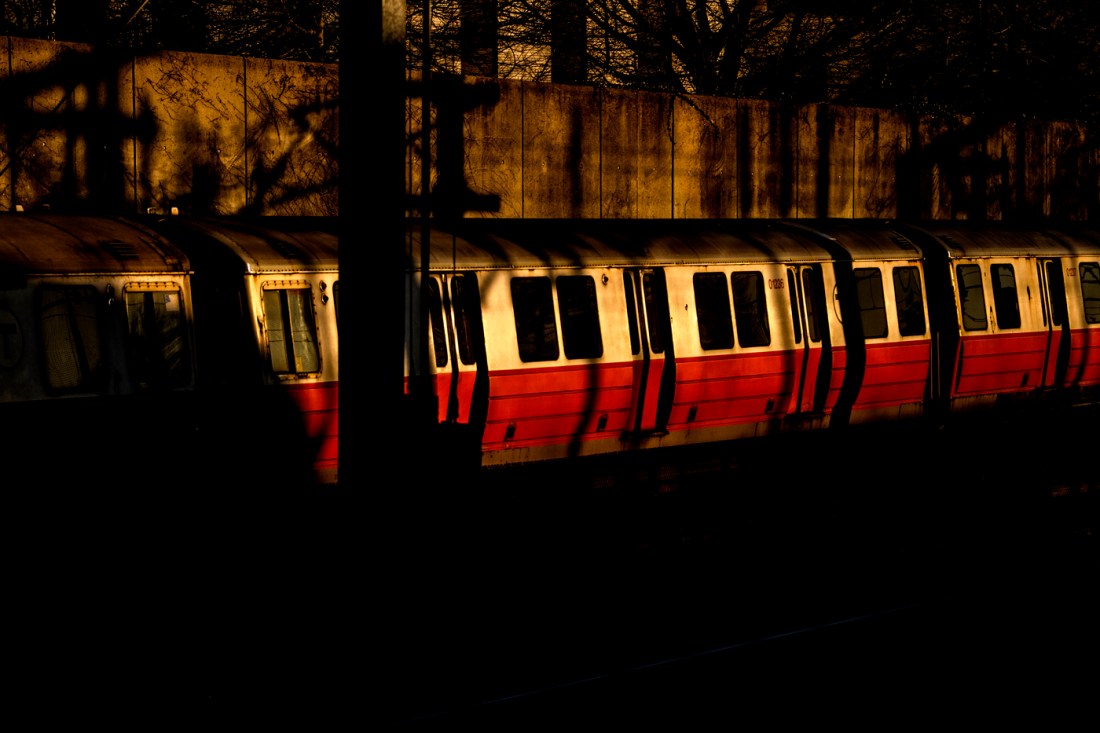
The opportunity to do a co-op helped draw Lopas to Northeastern’s Boston campus from his hometown outside of Christchurch to join the university’s rowing team. He came to Northeastern fresh off representing New Zealand in the World Rowing U23 Championships in Bulgaria and has since become the Northeastern team captain.
“It was just the most attractive (option), being close to the water,” he said. “And the co-op opportunity was a big one that stuck out.”
Lopas’ next goal is to make New Zealand’s rowing team for the 2028 Olympics after he finishes at Northeastern in 2027, but he said his co-op has helped prepare him for life after his rowing career ends.
“Sport doesn’t exist forever,” he said. “It’s more of a passion. This is securing life after that and giving myself more opportunities.”


