This ‘super flu’ could cause widespread serious illness, health experts say
“As we go deeper into the flu season, this is likely to be a tough one,” Northeastern public health professor says about the new super flu.
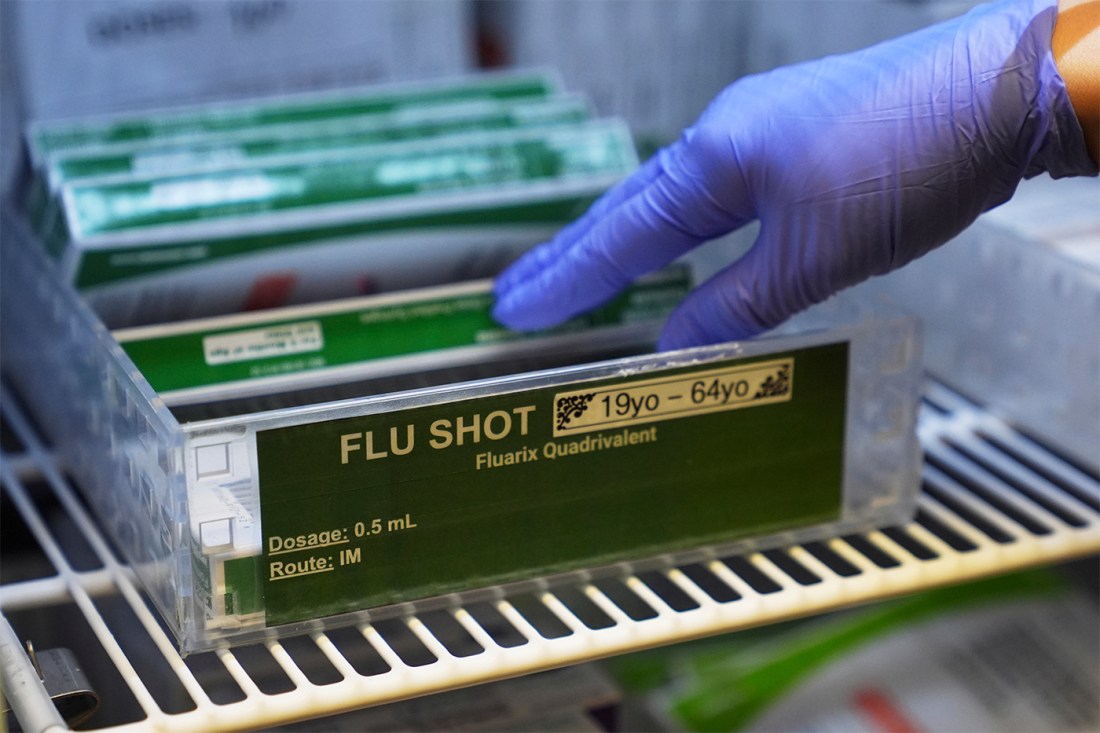

Flu season has arrived, and with it a variant making headlines as a “super flu.”
A variant of influenza A H3N2 called subclade K is being blamed for an early and severe flu season in the United Kingdom, according to a journal of the British Medical Association.
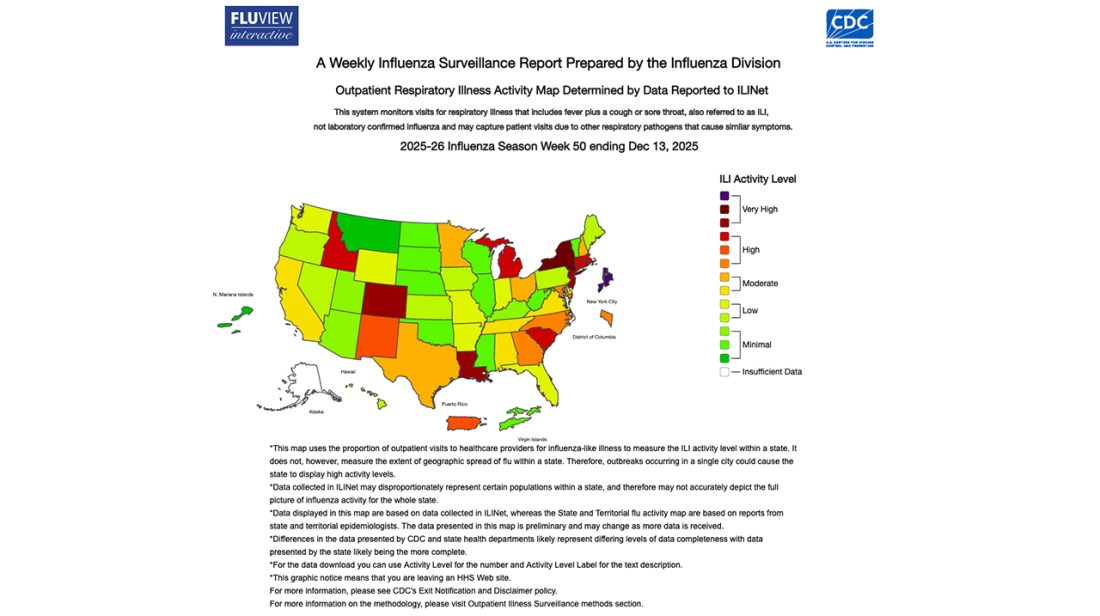
The strain has made its way across the Atlantic and is now the dominant strain in the U.S., responsible for very high levels of flu in New York, Rhode Island, Colorado and Louisiana, and high levels in multiple states, according to the Centers for Disease Control and Prevention.
“The United Kingdom got hit pretty hard by this,” as did Europe and Australia, said Neil Maniar, director of the master of public health program at Northeastern University. “I think that’s a pretty good harbinger of what we are likely to see here. This is going to be a very difficult flu season.”
The currently dominant flu strain can lead to “some pretty serious illness,” he said. “The other concern is that it’s not very well aligned with the vaccine this year, which means there is potentially a larger proportion of the population that is susceptible to the flu.”
Brandon Dionne, a Northeastern University associate clinical professor in pharmacy and health systems sciences, said the issue is that the influenza strain went through multiple mutations in the hemagglutinin surface proteins that are used to trigger antibody responses in vaccine production.
“Because of this, the vaccine isn’t quite as good of a match for the virus as for the H3N2 strain that was used to develop it,” he said.
Flu vaccines usually have an efficacy rate of 40% to 60%. But an early report from the United Kingdom estimates an efficacy rate of 32% to 39% in adults, and 72% to 75% in children, based on reductions in hospitalizations, Dionne said.
Despite the mismatch, it’s important to get the flu vaccine, Maniar said. “One of the important goals of the flu vaccine is to reduce the severity of illness if you do get the flu.”
The CDC recommends that people 6 months old and above get the flu vaccine. While the federal health agency recommended it be administered in September or October, Maniar said it’s not too late to get vaccinated now.
“If you haven’t done so, get (the vaccine),” he said. “Definitely get it as we go into the holidays, as we go into new year’s and the new school year,” he said. Maniar said it takes about two weeks to build up a solid immune response, but within several days, people start to develop some immunity.
Editor’s Picks





If people do develop the flu, treatment is the same as for other influenza viruses, Dionne said.
“Oseltamivir (Tamiflu) is an oral medication that is most effective when started as soon as possible after symptom onset,” he said. “It typically helps to shorten the duration of symptoms by about 12 to 24 hours.”
Tamiflu is sometimes used in high-risk patients, such as nursing home residents, even before flu symptoms develop, Dionne said.
“There are home testing kits for flu A and B combined with COVID-19,” he added.
Symptoms of influenza include cough, headache, muscle aches, fatigue and sweating and chills, according to the Mayo Clinic.
Maniar said he didn’t know if the current variant “is necessarily more virulent” than other years. The fears are that it will be more widespread, he said.
The CDC says there have been 4.6 million cases of flu, including 49,000 hospitalizations and 1,900 deaths — including two among children — this flu season.
“This can be a very serious illness. We need to take it seriously, and we need to take measures to protect ourselves,” Maniar said. “As we go deeper into the flu season, this is likely to be a tough one.”