Matthews Arena archway will rise again in new athletics and recreation complex
“The design preserves the craftsmanship of the past while embedding it in the contemporary architectural fabric of the arena,” said architect Tyler Hinckley

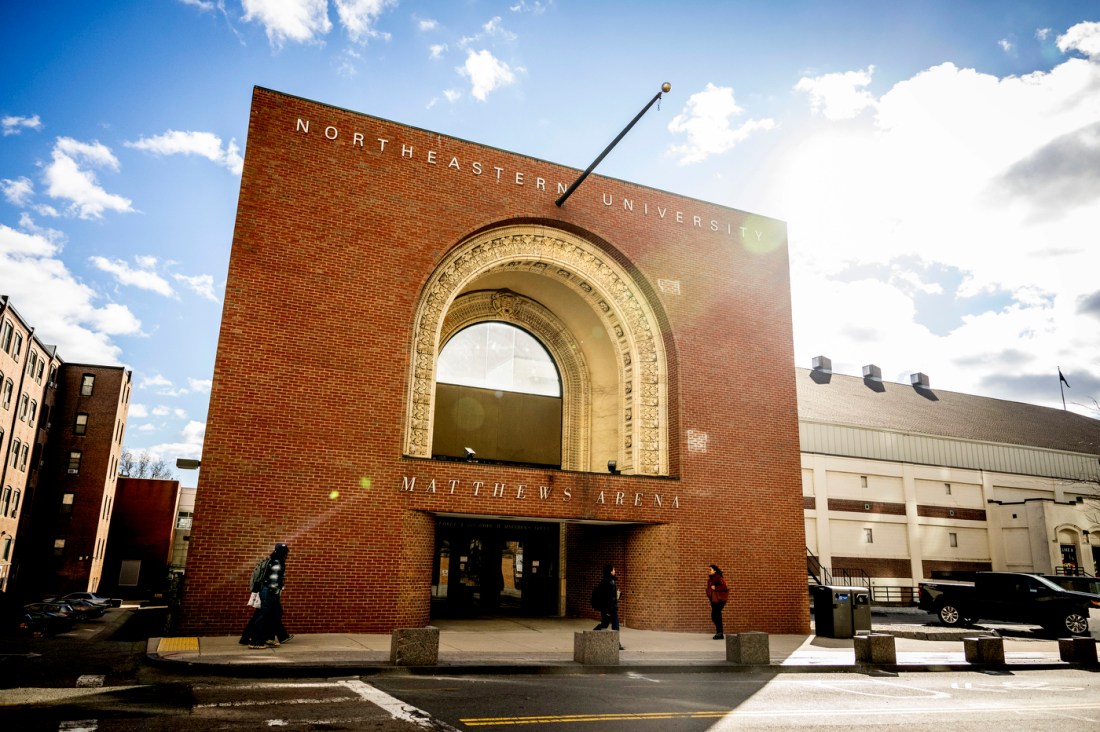
For more than 115 years, fans, audiences, students, proud parents of graduates and others have passed through Matthews Arena’s distinctive terracotta archway.
That tradition will continue after the historic arena is deconstructed and a new state-of-the-art, multi-purpose athletics and recreation complex is completed.
“It’s really about making the archway part of the experience of arrival, and calling out that history,” said Tyler Hinckley, an architect at Perkins&Will who is leading the design team for the future complex. “It’s not just because they’re the original details of the arena, but because everybody has walked through that arch on their way into this venue for those first Celtics games, for the first Bruins games, for all the civic events that have happened here — from presidential rallies to concerts, to graduations to memorial services.”
Matthews Arena, originally Boston Arena, has seen a lot during its history. But time has also taken its toll. Fires, rebuildings, major renovations and the addition of new technologies have transformed the arena, and many of the building’s original architectural details and ornaments have been lost.
Except at the archway.
The archway was designed in the Art Nouveau style, and although a 1950s renovation replaced much of the ornamentation with brick, the ornate decorative terracotta tiles that line the archway are original, Hinckley said.
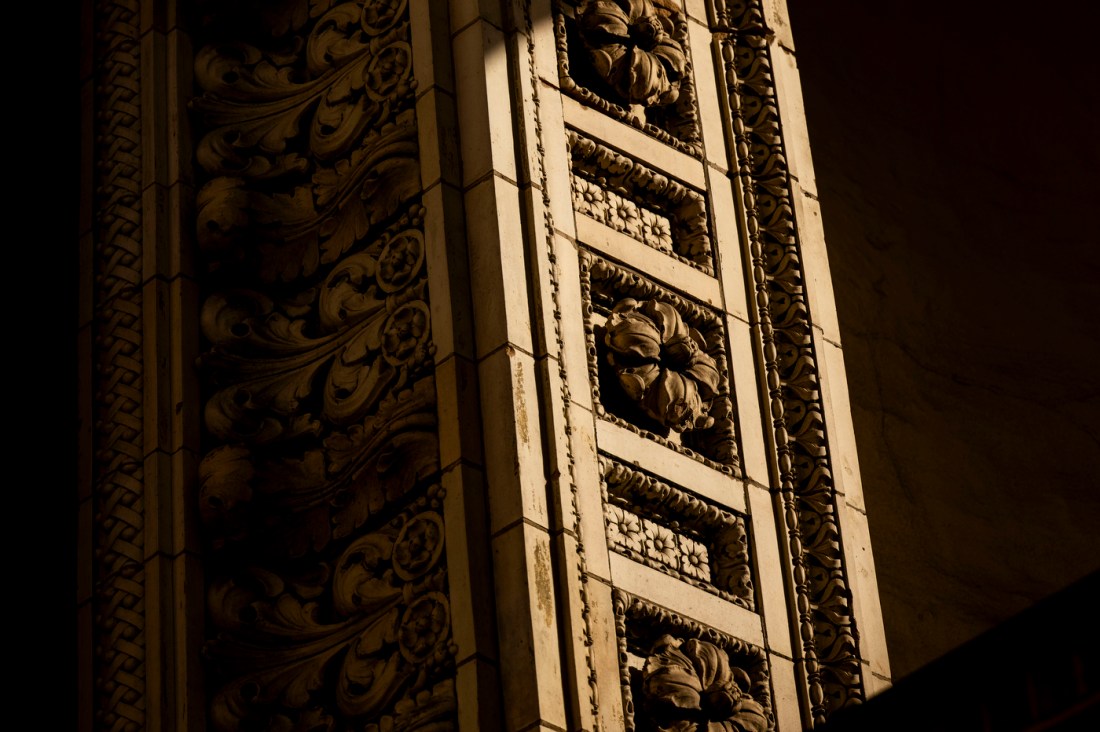
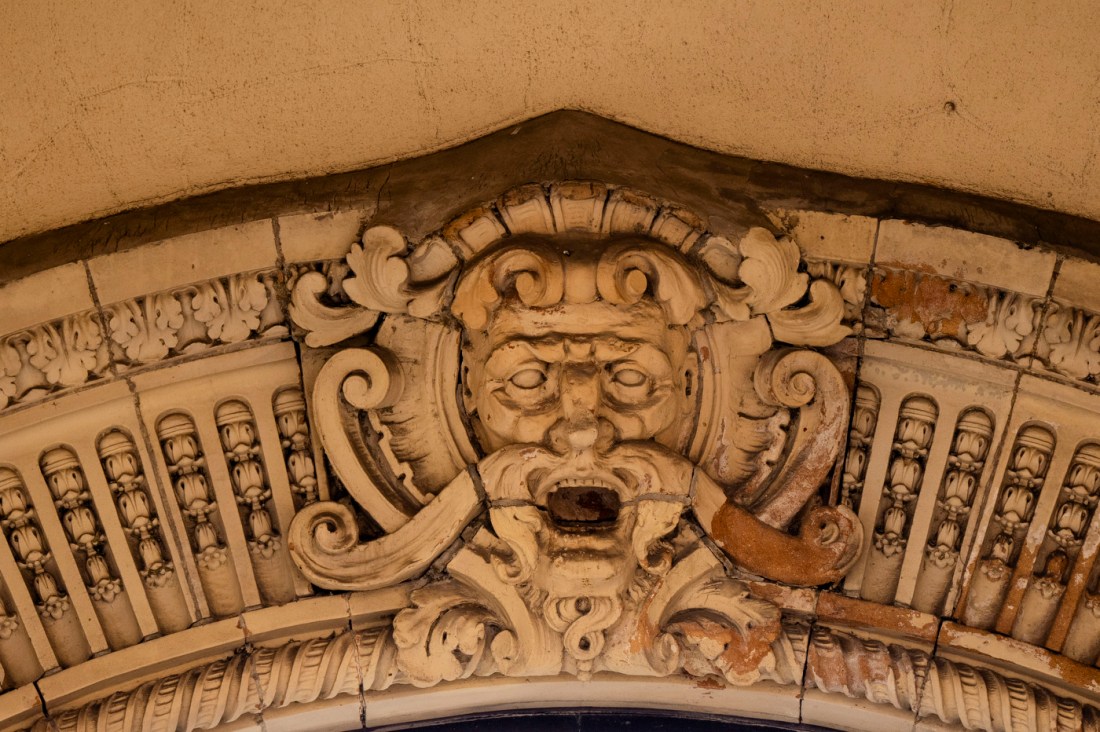
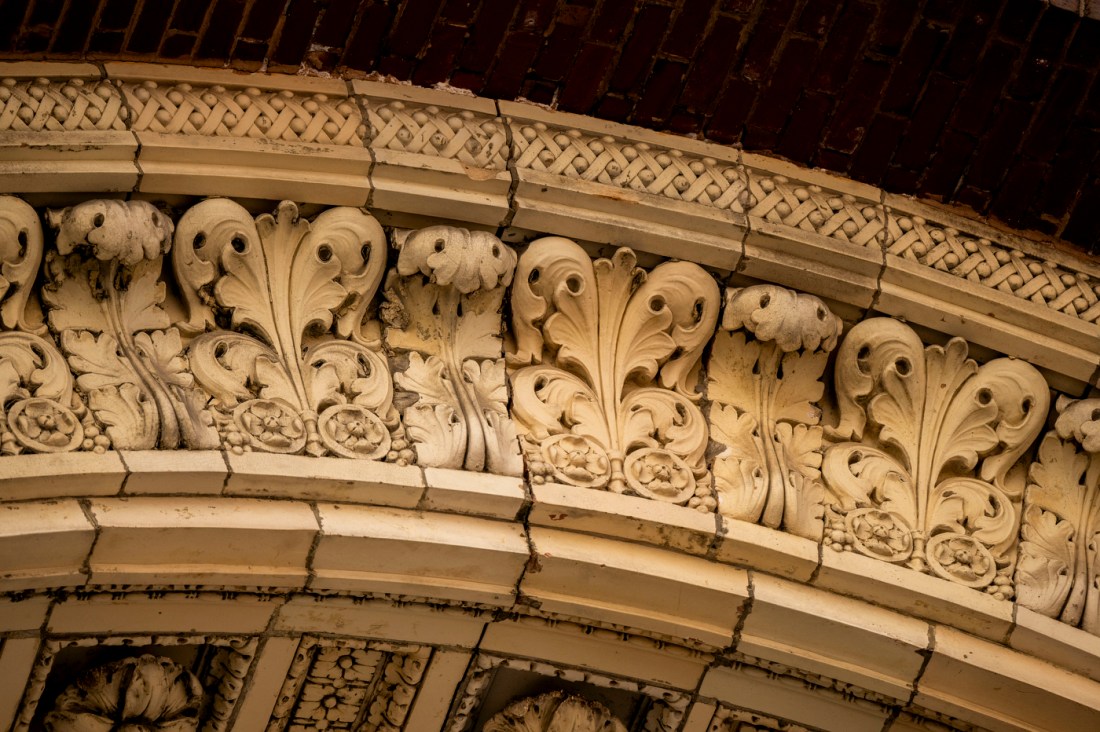
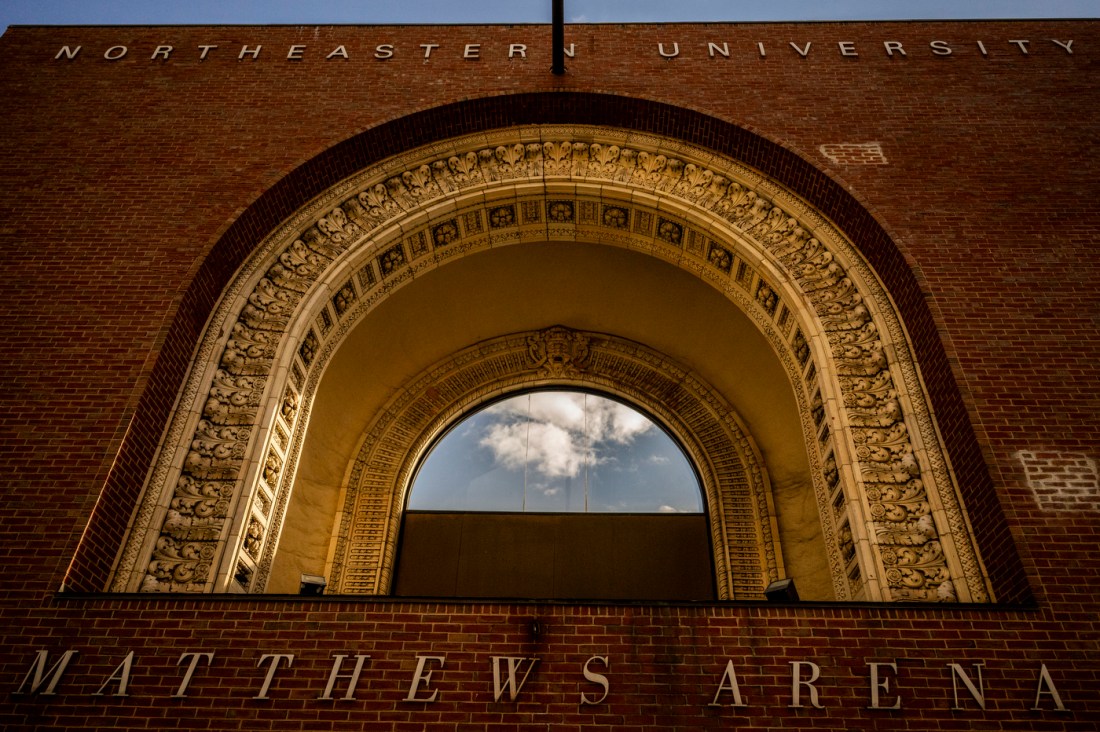
It was important to the architects and the university that these were retained.
“Our ability to remember the specifics of meaningful places is a way of holding on to the things that shape us,” said Carla Morelli, director of capital projects in planning, real estate and facilities at Northeastern. “We did what we call ‘exploratory demolition’ and we determined that we think we can save the arches by very carefully dismantling them section by section, block by block, with a masonry restoration company and reassembling them in a similar configuration in the new building.”
The archway will return to the northeast corner of the building on St. Botolph Street.
But a few things will be different.
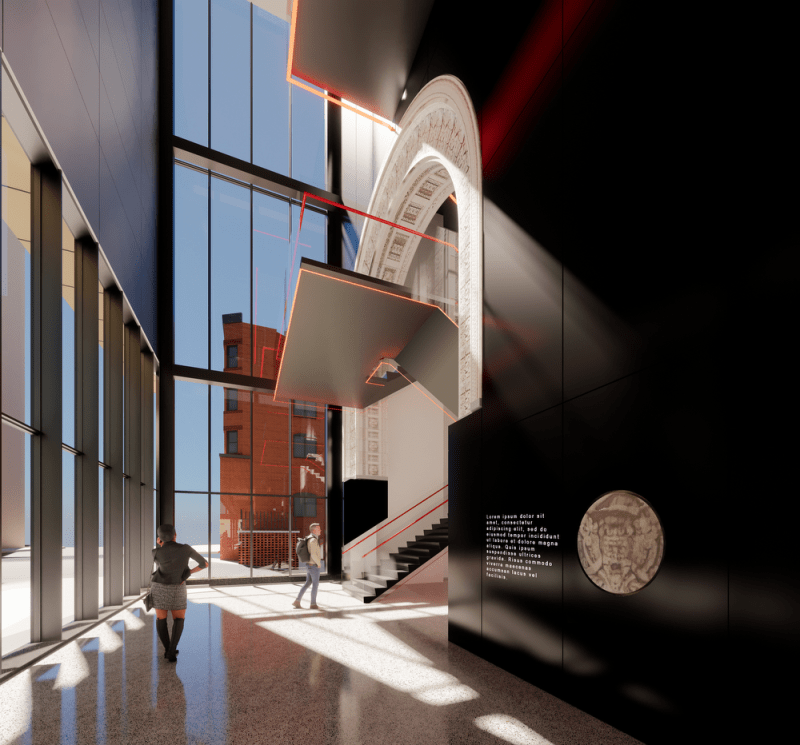
The new complex will have multiple entries, meaning that visitors with seats on the northeast corner of the building and students accessing the DogHouse will likely use the northeast corner entry and pass through the archway.
The archway will be on an interior wall in the new complex and not an exterior one, as it is at Matthews.


“It’s a sleek, minimal, mosaic tile wall, with clean lines that contrast with the detailed terracotta arch inserted within that wall,” Hinckley said.
But the exterior wall at that corner will be glass, so that the archway will be visible from the street.
“The transparency of the lobby enclosure ensures the arch’s continued visibility from the street — maintaining its civic identity and symbolic continuity,” Hinckley said. “The design preserves the craftsmanship of the past while embedding it in the contemporary architectural fabric of the arena.”
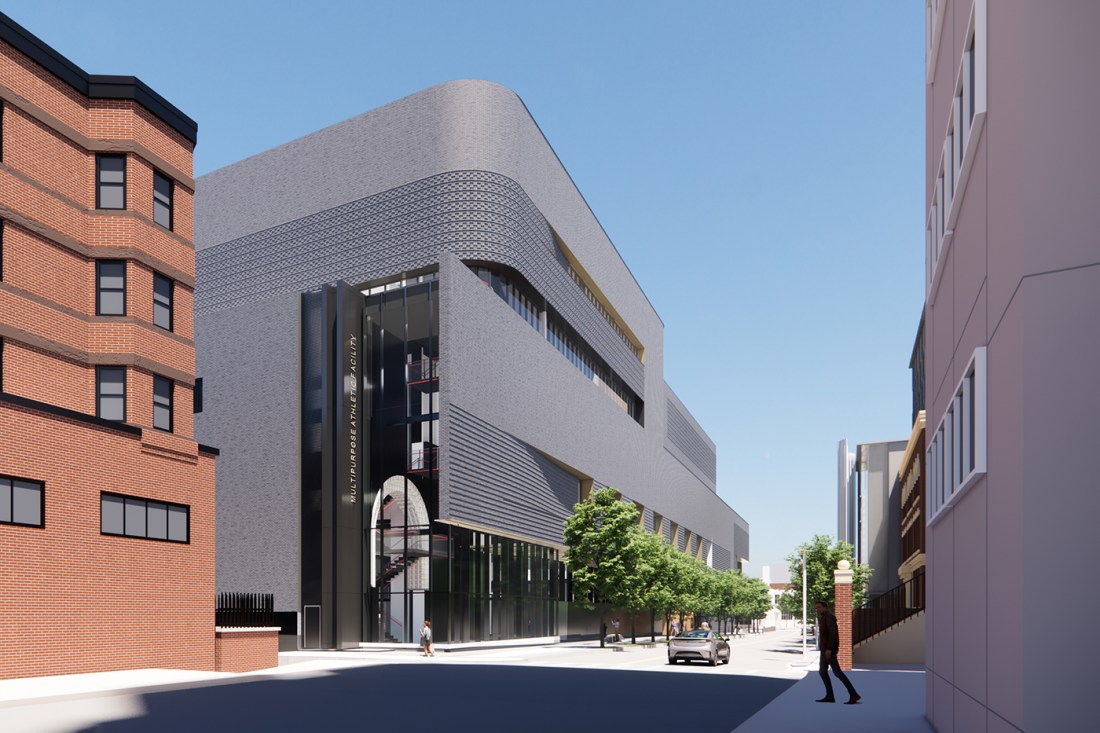
A staircase will rise through the archway and lead to the main and upper concourses, providing a dramatic progression to the arena.
“It’s a subtle replication of the experience of entering the building,” Morelli said. “I think people will have a nostalgic recollection of passage into the original arena and then the surprise of seeing real artifacts repurposed in an authentic way.”


