How lobstermen could help save our coastal habitats
As fishery management practices struggle to keep up with warming waters, the insights of lobstermen provide an invaluable understanding of changing dynamics, new research shows.

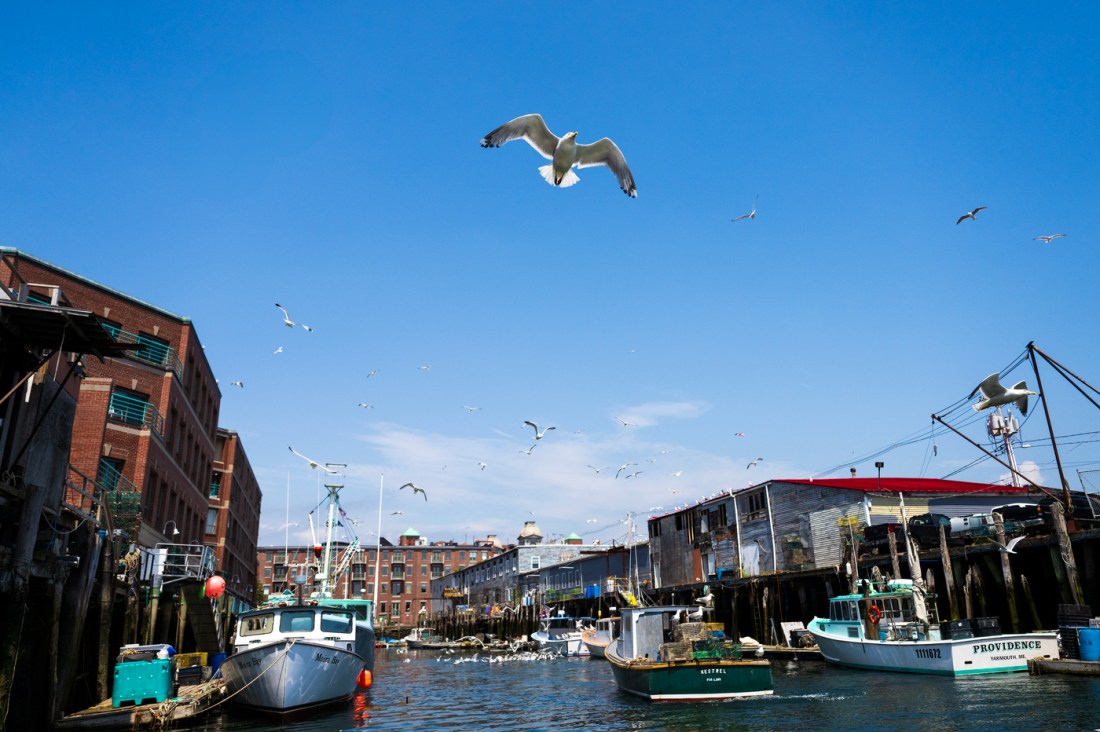
In Maine, lobstermen last year took home over a half-billion dollars in revenue.
However, that fishery remains under threat as warming waters drive invasive species into lobsters’ habitats, species that both compete for resources and hunt the native lobsters. Working lobstermen’s ecological knowledge can be key in untangling these complicated dynamics, according to a Northeastern University professor of marine and environmental sciences.
Using an in-depth survey and interview process of lobstermen in Maine and Massachusetts, Northeastern University professor of marine and environmental sciences Jonathan Grabowski and his intercollegiate team studied the innate knowledge that lobster fishermen have of complex food-web relationships and animal interactions within and across different habitats. Their findings demonstrate that the insights of lobstermen, and local fishermen more broadly, provide an invaluable understanding of changing ecosystems as fishery management practices struggle to keep up.
Life as a lobsterman
Grabowski, who is also affiliated with Northeastern’s Coastal Sustainability Institute, and his team study how marine ecosystems function and change, but also how management practices impact fisheries. Coastal waters, their paper notes, are warming at a speed faster than management strategies can keep up with.
Cue the lobstermen, which, Grabowski notes, is the term the industry prefers for lobster fishermen of any gender. Most of those interviewed have decades of fishing experience. “More often than not, it’s north of 25 years,” Grabowski says, and it’s common to encounter lobstermen with over 50 years of experience.
When you’ve been out on the water that long, you start to notice a few things.
For one, Grabowski notes, the lobstermen are highly aware of the movements of species new to the Gulf of Maine region, like black sea bass, which hunt lobsters. “We don’t have adequate sampling in the system from the scientists alone, so we need the lobster industry to help fill in the gaps,” he says.
Additionally, Grabowski says that, over the years, a number of the lobstermen have pointed to habitat loss issues not yet on his radar. In this study, one lobsterman noted that green crabs can turn eelgrass, where young lobsters develop, into muddy bottom. You might not expect someone who doesn’t dive to make that kind of observation, he says, but “their understanding of the system is really sharp.”
Grabowski and his team collect this community data through quantitative surveys, intensive, hourlong interviews and visual maps, where fishermen point out how populations of different species have shifted across the Gulf of Maine.
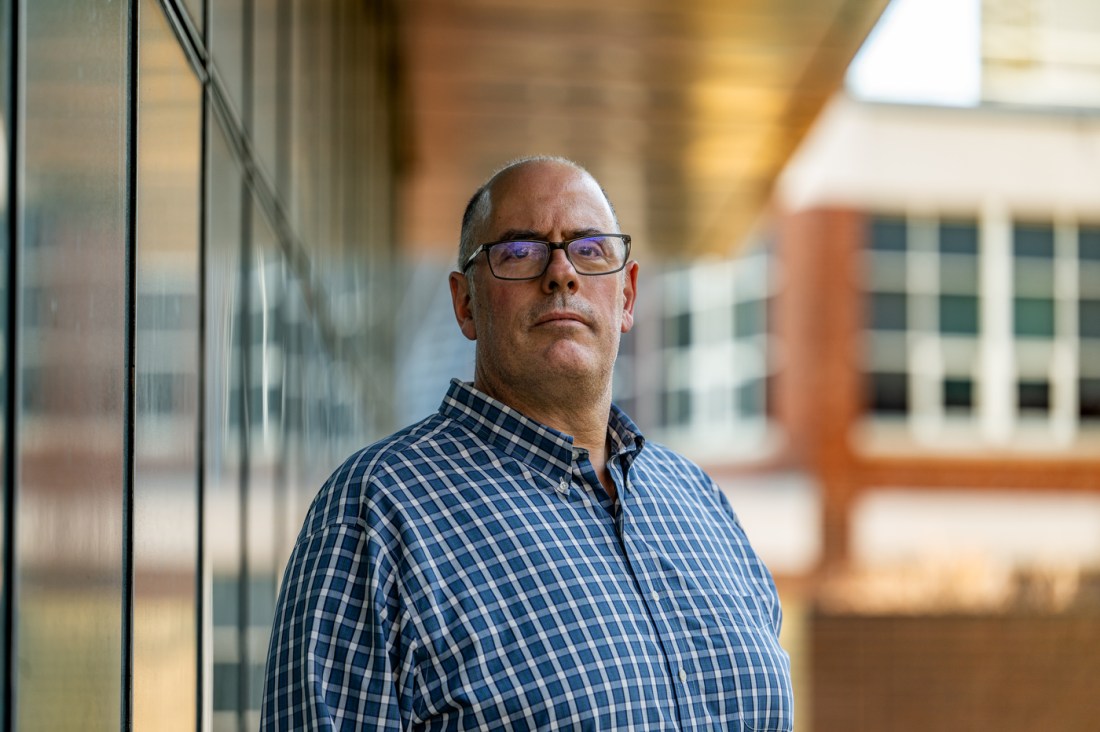
In their most recent work, Grabowski’s team employs “fuzzy cognitive mapping,” Grabowski calls it, where a lobsterman is asked to build a mental model of how they think the ecosystem functions and then describe what they find important. “What’s going to eat juvenile and adult lobsters?” Grabowski asks, who then talks through the repercussions with the fishermen. “As the system warms, who benefits and who loses? What species are going to be happier in a warming world?”
Editor’s Picks





This leads to quite a complex picture of the overall system, he continues.
After combining individual mental models into a community model, Grabowski says that they can then interrogate what the lobster industry believes will happen when a variable in the system shifts. This aggregation of communal knowledge provides not only scientific insight but also displays how the industry views the waters it gets its livelihood from.
Scientific perspective is shifting
“I grew up in a scientific world where some scientists would say, ‘You know, we can’t be leaning on the general public for their observations. We’re the scientists, we’re the ones who know,’” Grabowski says. But that division is fast degrading, with community science projects gaining traction every year.
Grabowski says that lobstermen should be considered experts on their home surf, and the idea that they’re not is “almost laughable. These guys are on the water hundreds of days a year,” an amount of time basically no scientist can afford, given their other obligations.
After two decades of working with Maine and Massachusetts lobstermen, Grabowski says that he’s no longer surprised at how deeply they understand local ecosystems. The number of samples they pull out of the water — that is, the number of lobsters or other animals they interact with every year — is of a size that simply cannot be replicated by scientists’ efforts.
“We don’t have the scientific dollars to begin to do that,” Grabowski says. The lobsterman “voice is an invaluable voice.”