What Netflix buying Warner Bros. Discovery could mean for viewers
The $82.7 billion deal, if it goes through, stands to dramatically reshape the entertainment industry — and hurt everyone but Netflix.


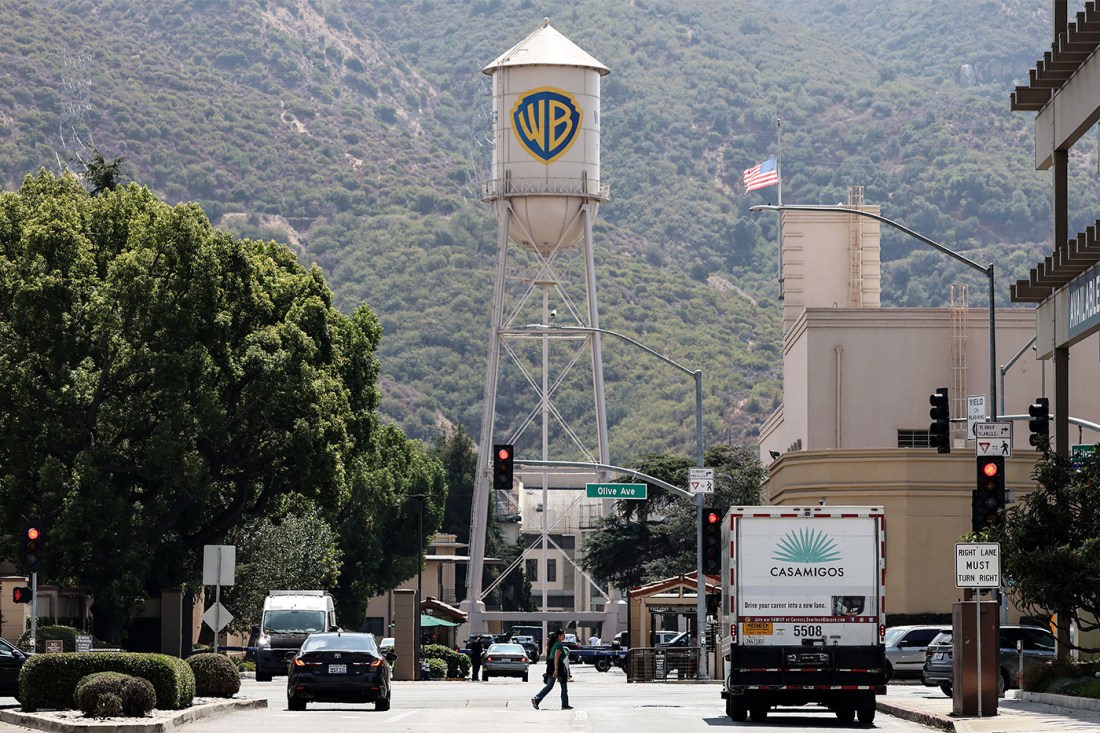
Hollywood is reeling from the news that Warner Bros. Discovery has agreed to sell its movie, TV and streaming operations, including HBO Max, to Netflix, in a deal that if successful would dramatically reshape the entertainment industry.
The $82.7 billion agreement, announced Friday, puts one of the most legendary film studios in the hands of the largest streaming platform holder.
There are few details about what is included in the deal, but Netflix said the acquisition is expected to close in 12 to 18 months, pending regulatory approvals, consent from Warner Bros. shareholders “and other customary closing conditions,” according to a statement issued by the company.
Netflix would gain access to Warner Bros.’ stable of classic films along with its biggest contemporary movie and TV franchises, including “Harry Potter,” “Game of Thrones” and DC Comics heroes such as Batman and Superman. Beyond that, there are no guarantees about how the streamer might restructure or consolidate Warner Bros.’ streaming service or even if the historically theater-averse company will remain committed to releasing movies in cinemas.
Netflix co-CEO Ted Sarandos called the acquisition “pro-consumer, pro-innovation, pro-worker, pro-creator” and “pro-growth” in an investor call on Friday. But Laurel Ahnert, an assistant teaching professor of communication studies at Northeastern University, isn’t so sure.
She said the deal is part of an ongoing “frenzy of consolidation” that has shaped the media landscape over the last decade, which she said is “bad for workers” and potentially “bad for consumers.”
Ahnert said one immediate concern is the shrinking choice available to consumers. While Netflix’s library will “expand dramatically” in the short term, the streaming platform would become an even more powerful gatekeeper, with the power to decide when and how audiences can access the content they want — and at what price.
“They get to decide when we get to access the content we want to access, it’s not different streaming services competing with each other,” Ahnert said.
As streaming services compete on the size and depth of their libraries, expanding catalogues becomes the key value proposition for retaining subscribers. The acquisition, she said, reinforces “an illusion of limitless access,” while centralizing control in fewer hands.
Netflix was already the most dominant force in streaming prior to the acquisition. Over the past couple of years, Netflix has posted consistently strong revenue growth, with full-year earnings rising from about $33.7 billion in 2023 to roughly $39 billion in 2024, according to the company’s revenue and usage statistics. The second quarter of 2025 brought more positive news, with revenue rising another roughly 16% year over year.
Editor’s Picks





The acquisition also raises alarm bells for Hollywood creatives, who now have one less major studio to pitch their ideas to in a competitive marketplace that is shrinking by the day.
“I think there’s going to be a rebellion,” Ahnert said. “I think that artists want to make art, you know, and they’re going to find ways to do it. I hope that we might see a renaissance of independent media.”
The Writer’s Guild of America has already come out in opposition to Netflix’s acquisition.“The outcome would eliminate jobs, push down wages, worsen conditions for all entertainment workers, raise prices for consumers, and reduce the volume and diversity of content for all viewers,” the Writers Guild of America said in a statement.
Netflix’s move could push competitors to pursue their own mergers or acquisitions to keep pace, Ahnert said. At the same time, the deal raises questions about whether Netflix will begin to resemble a more traditional media conglomerate, diversifying across multiple entertainment sectors — or whether it will remain primarily a streaming platform for film and TV.
“So, is Netflix … going to turn into a legacy media company? Is it going to start its own record label? I don’t know,” she said.
Sarandos said in a statement that the acquisition “will improve our offering and accelerate our business for decades to come,” citing Warner Bros. track record dating back over a century and its “phenomenal creative executives and production capabilities.”
“With our global reach and proven business model, we can introduce a broader audience to the worlds they create — giving our members more options, attracting more fans to our best-in-class streaming service, strengthening the entire entertainment industry and creating more value for shareholders,” Sarandos said.
Whether that includes theatrical releases for movies is a lingering question. Netflix has historically focused on streaming, not the traditional release model, with the exception of certain limited theatrical releases to qualify for awards season. The company’s success has essentially forced almost the entire industry to follow suit, with legacy studios wading into streaming.
What Netflix chooses to do with its releases, and now Warner Bros.’ content, could mean a lot for theater chains, which are still struggling after the COVID-19 pandemic.
During the Friday investors call, Sarandos said Netflix expects to continue releasing Warner Bros. movies in theaters. However, he did push back on longer theatrical windows for movies, which he said are not “consumer-friendly.”
Ahnert said it’s an extension of Netflix’s overall strategy to make “our first access point and presumed access point” the streaming platform, with specialized theatrical releases reserved for the fifth and final season of ‘Stranger Things.’
“But this isn’t the death of the industry,” Ahnert said. “I think people will continue to consume media and make media. It just means that we’re in this very uncertain, transformative time and nobody can really predict what happens next.”


