Netflix, BBC and Google want to know what consumers are up to. This co-op placement ensured they do
Computer science student Daniel Sheehan helped ensure startup firm Measure Protocol had bot-proof information to share with its household-name client base.

LONDON — If Google, Netflix and the BBC are all using your product, it has to be firing on all cylinders.
That’s what Daniel Sheehan, an American computer science major, was helping to ensure during his time as a software engineer at Measure Protocol, a consumer insights firm headquartered in London.
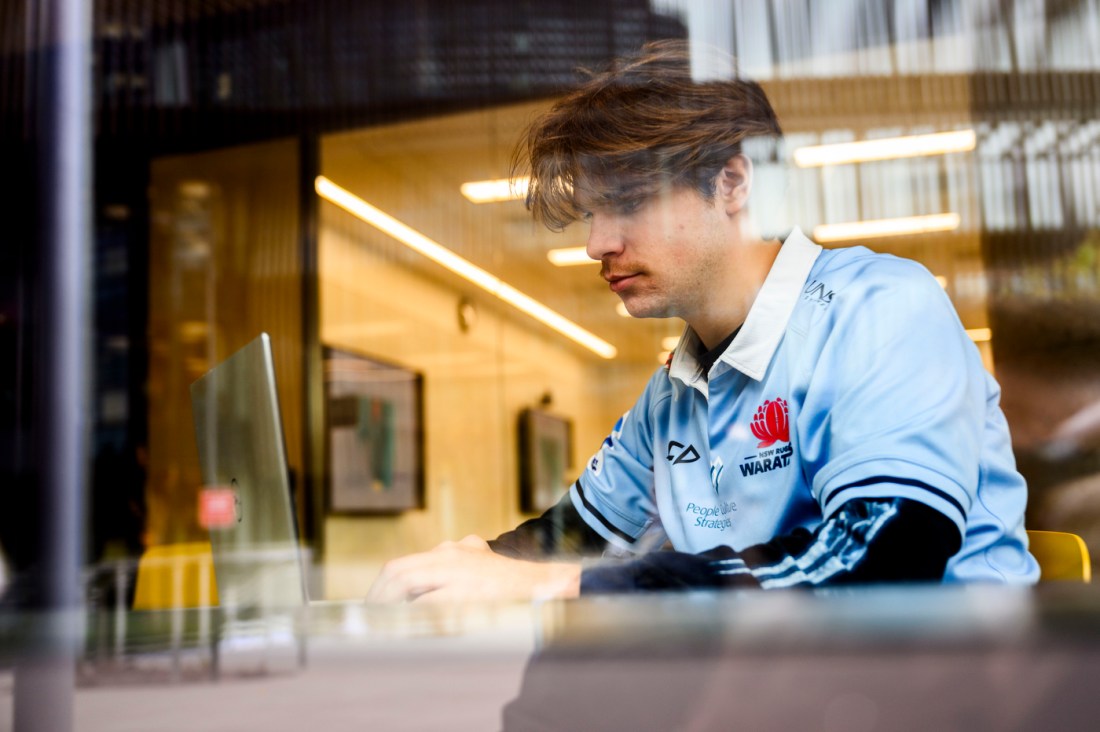
During a summer co-op — a placement in industry that counts toward a degree — the Northeastern University student says his main task was to ensure the online consumer surveys that the startup relies on to make money were spam- and bot-proof.
Measure Protocol pays consumers to share their social media and online platform data with it. The firm then uses that information to help clients — some of them household names such as YouTube and Netflix, which has 300 million paid subscribers across 190 countries — to understand what audiences and consumers are engaging with when not using their service.
Clients can then use that information to help develop new targeted content or to fine-tune their own algorithm recommendations, Sheehan explains.

The company also hosts surveys on its app, asking consumers questions in exchange for points that accumulate and can be exchanged for a gift card or another reward. Measure Protocol wanted a way to prevent bad actors from setting up spam bots that can farm money by constantly filling out the surveys.
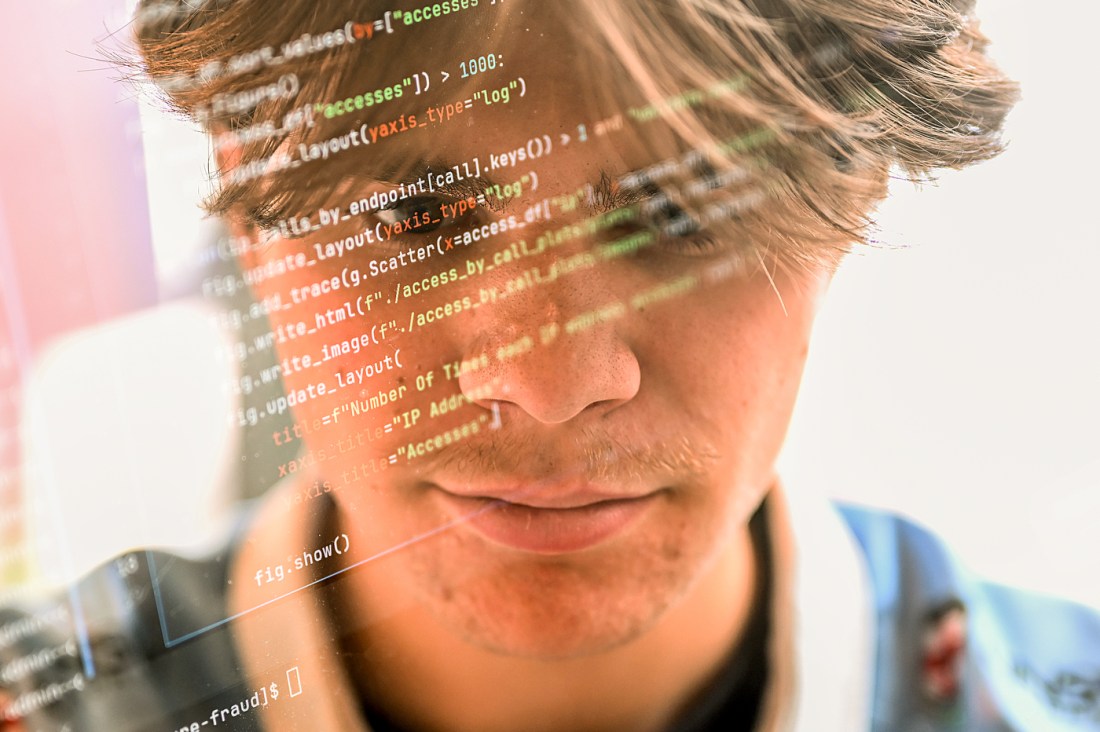
“They didn’t really have a spam detection network,” says Sheehan, “so my job was to create an artificial intelligence model for spam detection. I was filtering stuff that got through the firewall and seeing if it was a real person or a spam bot, and building an algorithm that could monitor that.”
The end result of his AI spam detection software, explains Sheehan, was a product that could both save Measure Protocol money and ensure that clients were “getting actual good data from real people and not from robots.”
Editor’s Picks




Sheehan says the work brought his classroom learning alive. It also taught him what life is like at a busy startup, seeing firsthand how Measure Protocol’s founder and chief executive would jump in to help with day-to-day activities.
“I also learned how to actually apply what I was learning in my classes to something useful,” says the third-year student. “I thought that was really cool. I also learned a lot about the software development lifecycle just by sitting in on meetings.”
The 20-year-old discovered that he enjoys the “chaos aspect” of working in a small operation like a startup where employees do a bit of everything and where every day brings a different challenge.
“I thought that was pretty fun and entertaining sometimes,” continues Sheehan. “Like, I know what I’m actually going to be doing when I finally get a real job out of college.”
Sheehan has aspirations of pursuing a Ph.D. after his master’s degree, which he has already signed up for, and wants to embark on a career in academic research. He says his time at a startup reiterated to him why he wants to become a researcher as both allow for a certain amount of freedom. “I like doing my own thing and marching to the beat of my own drum, and I think at startups that is way more common,” he adds.
During his four-month stint with Measure Protocol between June and September, Sheehan worked remotely from his Rhode Island home.
The company, he says, made efforts to create a sense of collegiality, even with people working outside of the U.K. There were weekly Zoom “hangouts” to allow employees to socialize, as well as regular “stand-up” meetings where each worker would talk about what they were working on. It also helped that half the software team was based in the United States.
Apart from having to get used to British accents, Sheehan says there was plenty to help him feel at home. “I still felt pretty connected to everyone despite the closest person being a thousand miles away in Chicago,” he says.