How do you say microRNA in Spanish? Co-op student learns the lingo and lab procedures at bioscience startup in Argentina
Argentine startup seeking cures for osteoarthritis provides immersive lab experience for co-op

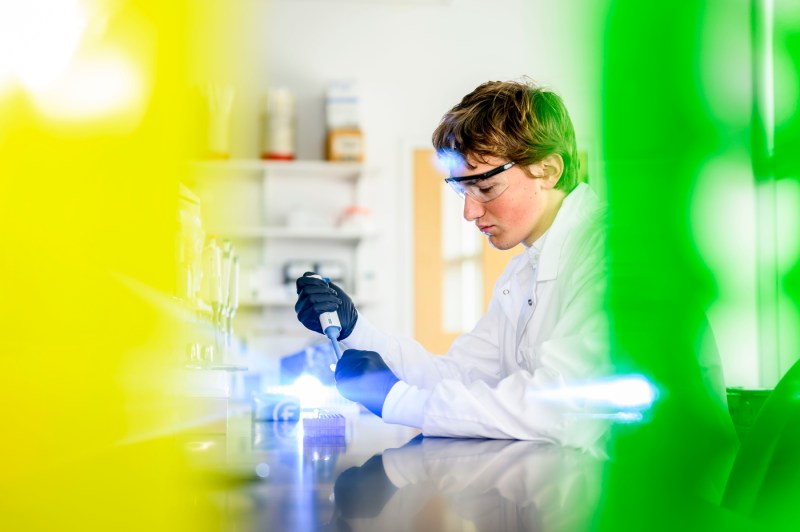
For Northeastern University third-year cell and molecular biology major Pedro Graziosi, working in the laboratory at Dharma Bioscience in Mendoza, Argentina, presented a challenge.
Originally from Buenos Aires, he travels to Argentina twice a year for holidays and family visits. So he was familiar with the country.
What was eye-opening about his co-op work at a bioscience startup was learning how to conduct a variety of laboratory procedures and experiments and communicate scientific results, all in Spanish.
Learning science in Spanish
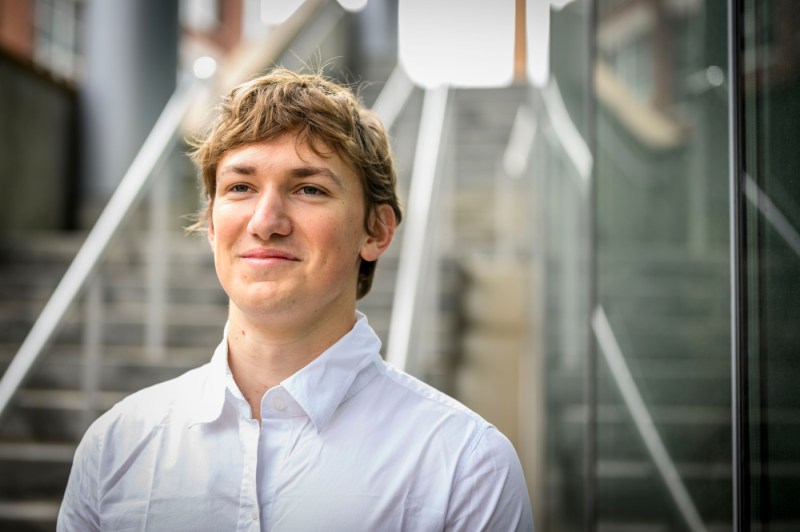
“I grew up learning Spanish through my grandparents and my friends,” Graziosi says.
But working at the lab was like learning a whole new language, he says. “It took some adjusting. They talk about chemical processes and biological (terms) that I’ve never heard of before because I’ve never studied biology in Spanish.”
Soon enough, Graziosi grew familiar with terms like colorantes fluorescentes, or fluorescent dyes, and citometria de flujo, Spanish for a flow cytometry lab test.
“It gave me a very, very extensive look into research and what it was like,” he says.
Dharma Bioscience seeks to heal osteoarthritis, a degenerative joint disease affecting about 500 million people worldwide, by reprogramming the function of diseased cells to restore cartilage production.
Fighting osteoarthritis
“Their end goal is to eventually give people the ability to regenerate the cartilage in their knee that was lost, which is causing the arthritis,” Graziosi says.
The startup uses a proprietary combination of cell fragments known as microRNAs to prohibit the destruction of chondrocytes, cells responsible for maintaining cartilage tissue.
The plan is to develop an injection for patients with osteoarthritis that will reduce or eliminate symptoms like inflammation and swelling of afflicted joints, stiffness and pain.
Lab experiments
Editor’s Picks





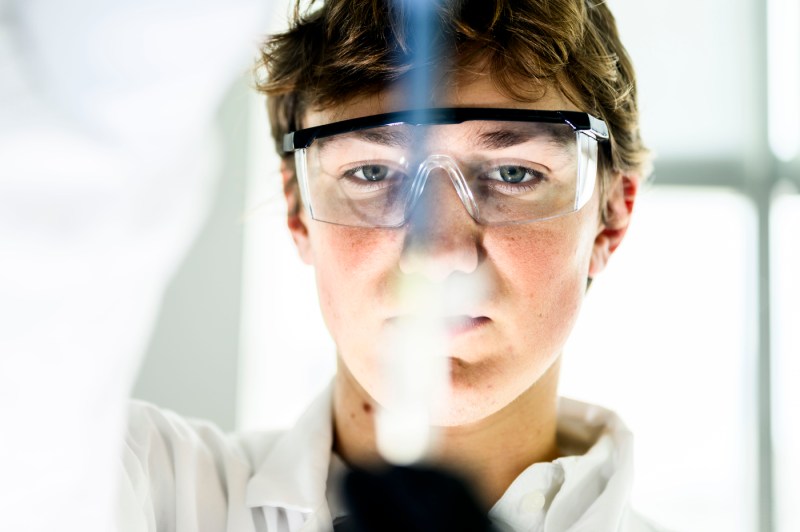
Graziosi says he did basic science but experienced “wow” moments upon witnessing cells grow in the lab practically overnight.
“I wake up and I see a bunch of cells out of nowhere. It’s pretty nice,” says Graziosi, who went to middle school in Miami and finished high school in Switzerland.
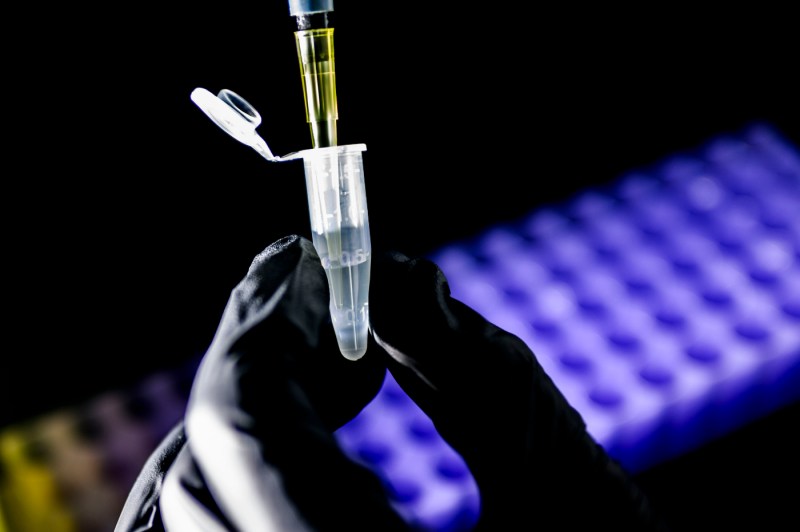
He also ran experiments on cultured cells, such as testing whether they could block certain proteins from being made.
“We mark cells with a little fluorescent light or a little antibody that shines,” Graziosi says. “Using these markers, we can tell what type of condition the cells are in. Then I would analyze the results.”
“I did a lot of those types of lower-level investigations, but they are all ultimately to prove the point that we can one day regenerate cartilage in people.”
Boston summer, Mendoza snow
Graziosi’s co-op lasted from late May to mid-August, when it is winter in the Southern Hemisphere.
“When I got there, people said it almost never snows in the town,” Graziosi says. “But it did snow once or twice, which was actually really nice.”
About two and a half hours west of Buenos Aires, Mendoza was a good starting point for visits to a winery and the mountains, he says.
In the lab, people made a point of talking and socializing, sharing cups of yerba mate, a popular herbal infusion. Employees arrived between 9 and 10:30 a.m. and left anytime from 4 to 8 p.m., depending on their workload, not the clock, Graziosi says.
Future goals
Following graduation, Graziosi says he is interested in working in a lab as a researcher, at least for a while.
Ultimately, he is interested in a career combining knowledge of research and communication skills.
Biology is such a large and important field that career opportunities are many, Graziosi says.