From Ernest Hemingway to cybersecurity, Illena Armstrong represents ‘The Old Man and the Sea’
This Northeastern University grad helps develop guidance to keep cloud-based services safe, for companies and their customers.


Illena Armstrong calls out one of Ernest Hemingway’s classic stories, “The Old Man and the Sea,” to describe her trajectory from literature major to the head of a cybersecurity firm.
It’s a story about a fisherman alone at sea battling exhaustion, sharks and his own courage as he tries to catch a giant marlin. That tale, she says, exemplifies what it felt like to build the skills necessary to take on the leadership role of a preeminent cloud security organization.
“What I took from it has much to do with the idea that persevering means to be fulfilled by the achievement of a long-sought-after goal,” says Armstrong, who earned her master’s degree in literature and education from Northeastern University.
Armstrong received her master’s in 1998 and went straight to work as a reporter, covering the burgeoning technology industry. Today, she serves as president of the global nonprofit Cloud Security Alliance, a role she assumed after more than 20 years of writing about cybersecurity.
As far as it may seem between Hemingway and cybersecurity, Armstrong sees a direct connection.
“My master’s aligns very well with where I am now, helping the organization to support the wider community on all of these fast-developing technologies,” she says. “Pursuing my graduate studies at Northeastern was a new, exciting and challenging adventure. Having that experience and securing my degree was just one of many pursuits that contributed to my staying resolute, enthusiastic, diligent and dedicated to setting my sights on a particular goal and going for it.”
Armstrong moved from Florida to Boston to attend Northeastern. It was “fun but a bit daunting,” she says. However, she fell in love with the city and stayed after finishing her master’s degree, going straight to work as a newspaper and magazine reporter.
It didn’t take long for a job covering the growing B2B sector to come her way, launching her career as a tech journalist and industry leader. But the learning curve was steep.
“Everything was very new then. I was a total newb,” she says. “But once you dig in, you can’t help but learn about the technical aspects of different challenges that folks face when it comes to cybersecurity issues.”
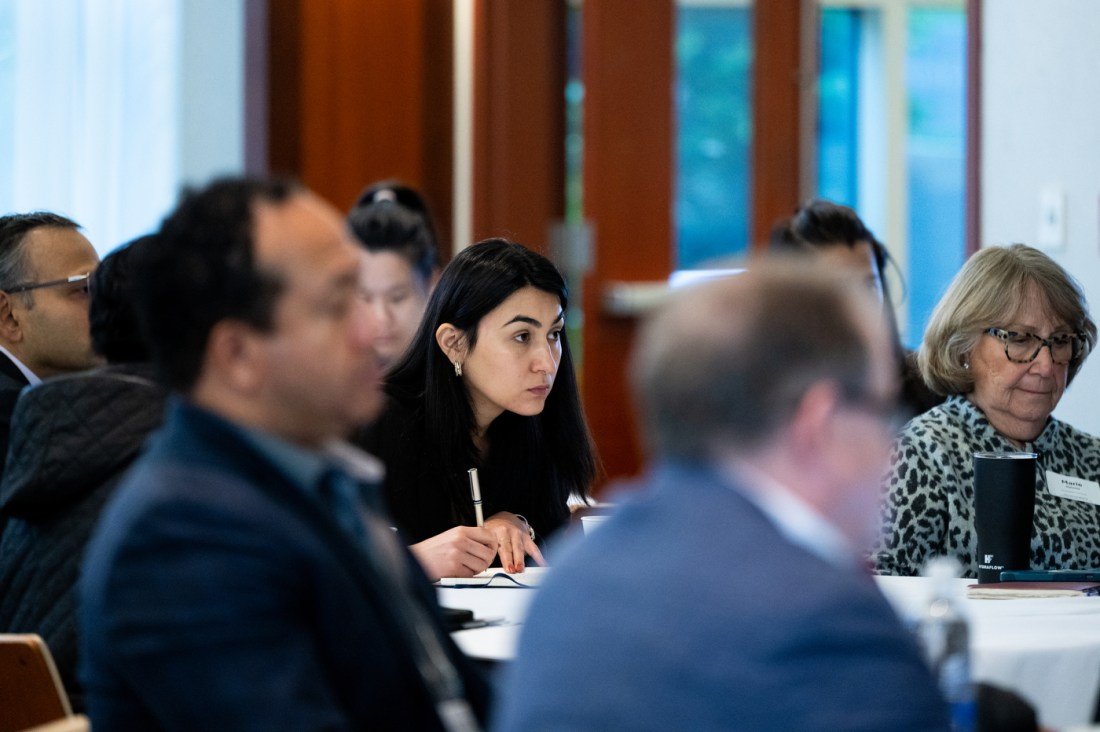
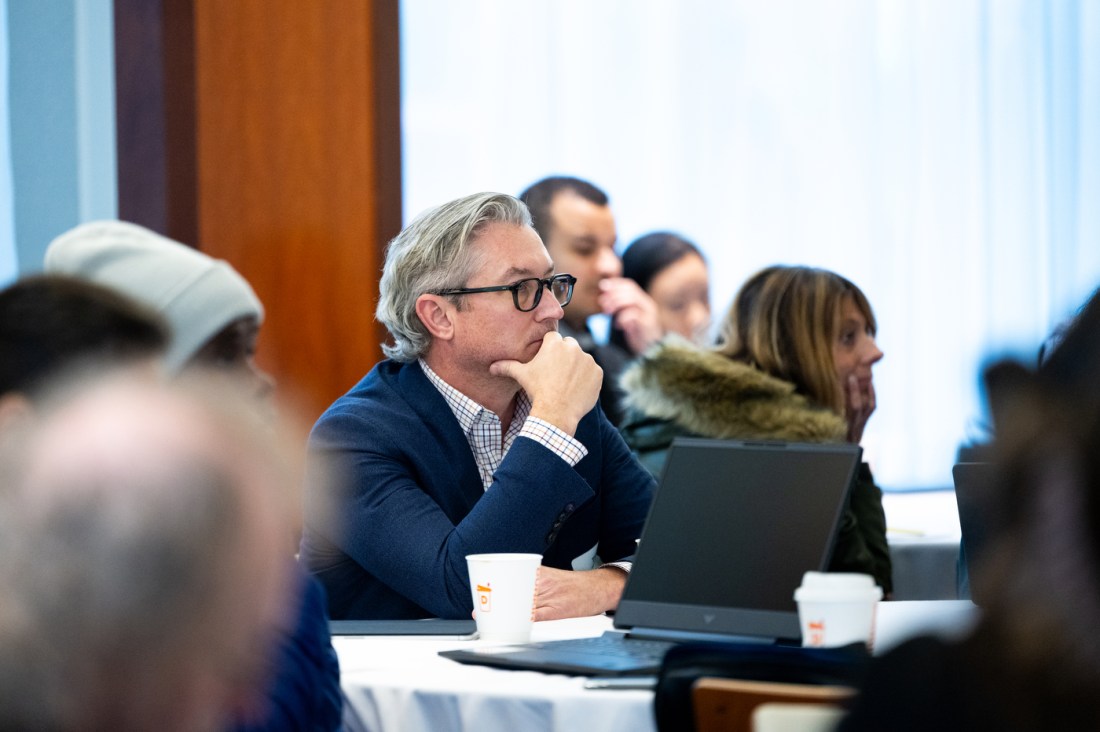
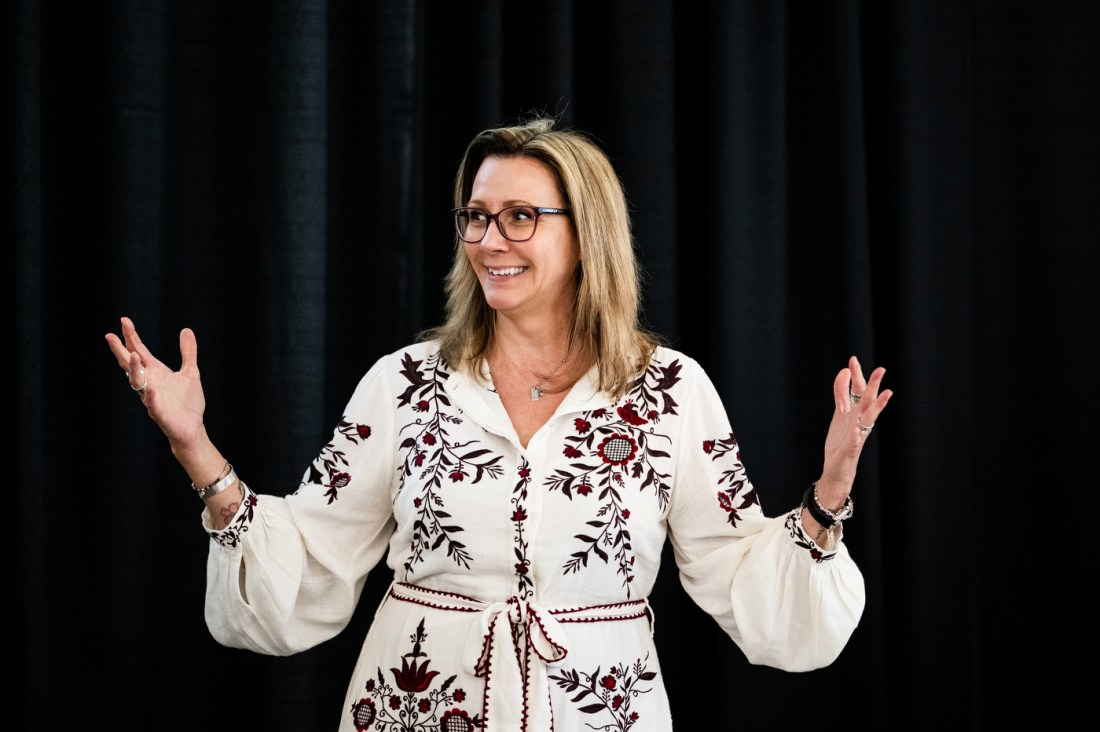
In the course of covering the cybersecurity industry for SC Media, Armstrong met Jim Reavis, who founded the Cloud Security Alliance in 2009. A nonprofit organization with 250,000 individual and 500 corporate members worldwide, CSA promotes best practices in cloud computing security.
In CSA, Armstrong saw an opportunity to continue educating the people who develop and implement cloud-based products and services about safety. She joined the organization as president in 2021.
As president, Armstrong leads initiatives to educate cloud professionals about safe and responsible deployment through courses and research reports. Under her leadership, the organization creates guidance for the appropriate use of cloud computing.
Editor’s Picks


“It’s been a really amazing experience because we contribute to the ecosystem in a very critical way, not only to keep organizations safe, but to help their customers to be secure and safe,” she says.
CSAs most recent educational offering focuses on “one of the most consequential technological developments of our time” — the integration of cloud computing and AI.
Working with Northeastern’s Center for Experiential AI, CSA developed a corpus of nearly 250 high-level security benchmarks that cloud professionals can use to assess the security of products they use. There is also a course to make the measures accessible to professionals and companies.
What makes the tool unique, says Armstrong, is that it includes comprehensive guidance on key risks that organizations face — from supply chain management to transparency and accountability — while being vendor-neutral.
“Many of our experts from major AI and cloud providers believe it is valuable and necessary to enhance the security and safety of the AI systems they are developing or deploying without being tied to a specific product or service,” she says.
While cloud-based services are a known commodity, products that integrate the cloud and AI agents are evolving rapidly and require a new level of literacy for the professionals who are using them, says Samuel Scarpino, a professor of public health and health sciences at Northeastern and the director of AI and life sciences at the Institute for Experiential AI.
This can make it difficult for businesses to find reliable educational tools to help them keep up, he says.
“While the cloud remains quite mature, the intersection of cloud and AI is a lot more varied than many of the other cloud tools that people might encounter,” he says. “And that presents new challenges to businesses and leaders who are trying to make smart decisions.”