Coldplay would not have made it in the AI age, drummer Will Champion tells Northeastern students
Champion, a Northeastern parent, also said that any use of AI in music must protect human creativity.


LONDON — Coldplay would not have tasted global stardom in the current algorithm age, the band’s drummer told students at Northeastern University.
Will Champion said the music business is “unrecognizable” from the one the indie-rock superstars, who met while at university in London, first encountered in the late 1990s.
The musician, whose daughter studies at Northeastern, said he remembers the investment put in by a record label in the hopes that Coldplay “might be good one day, as opposed to now, where you can’t do anything without being a fully finished product.”
“I think it’s quite hard [today],” he continued. “We wouldn’t have got anywhere near where we are now if we were starting now.
“We were very unhealthy looking, badly dressed, scruffy students — the algorithm would have squeezed us out very quickly.”
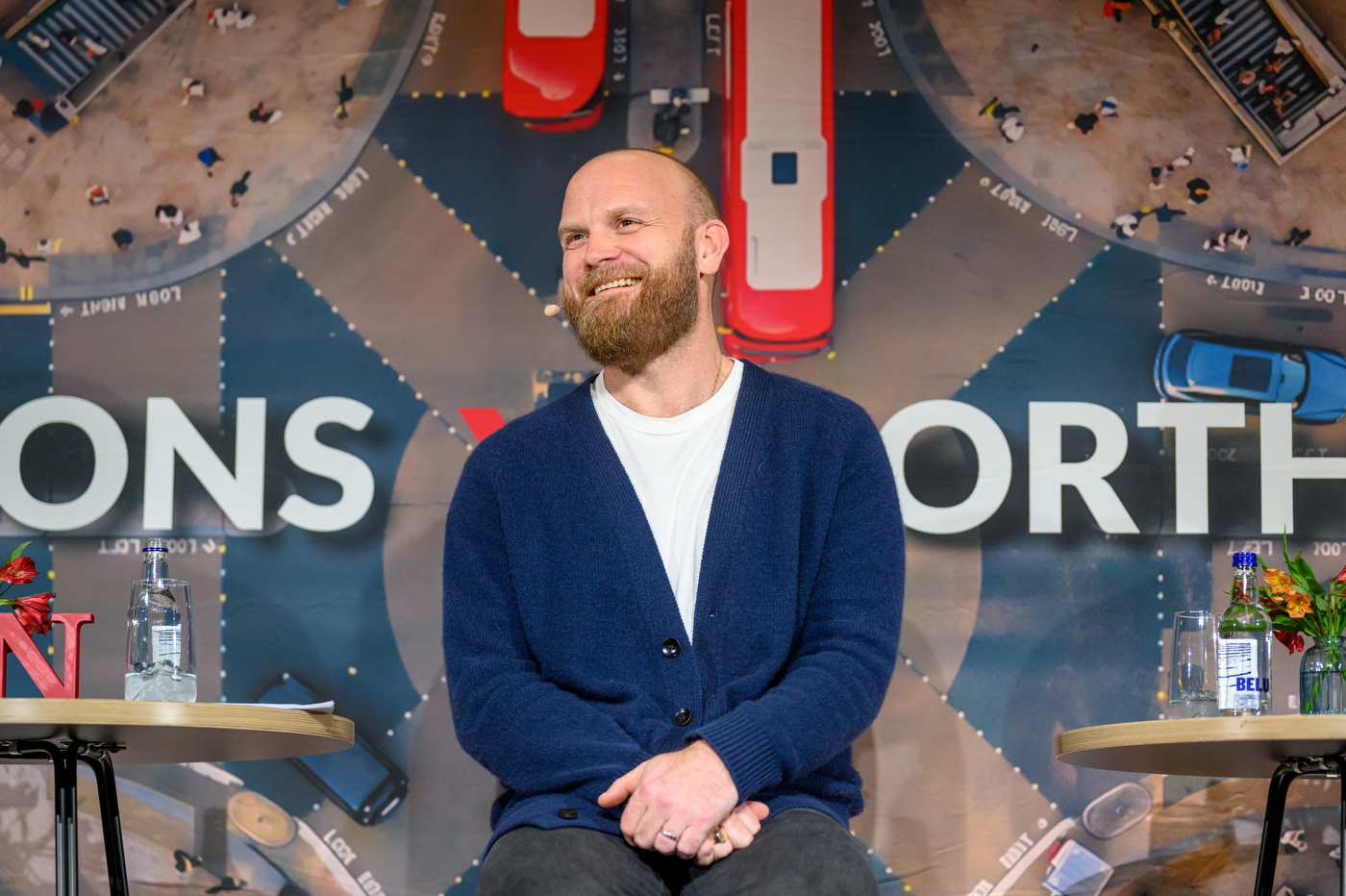
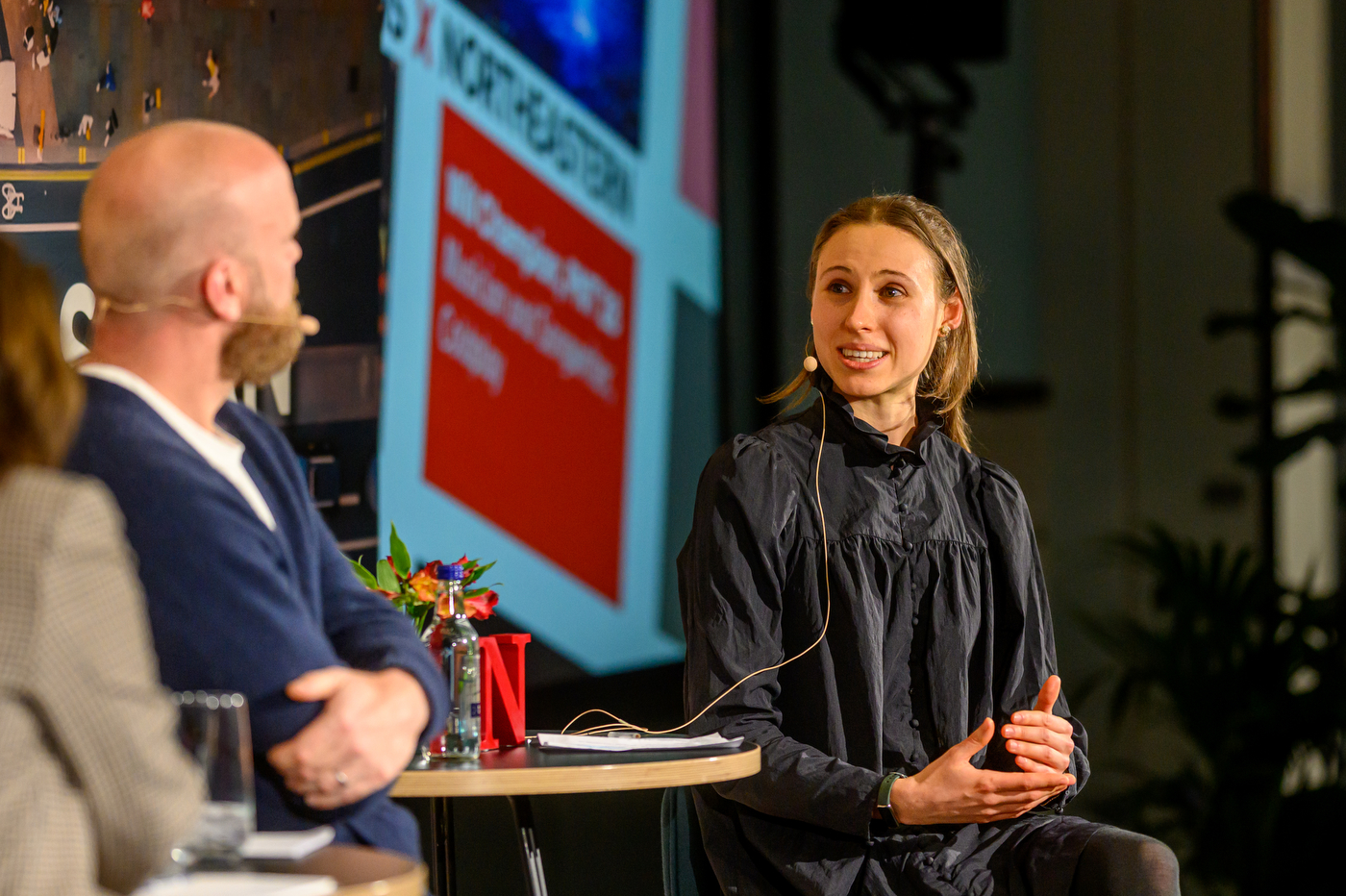
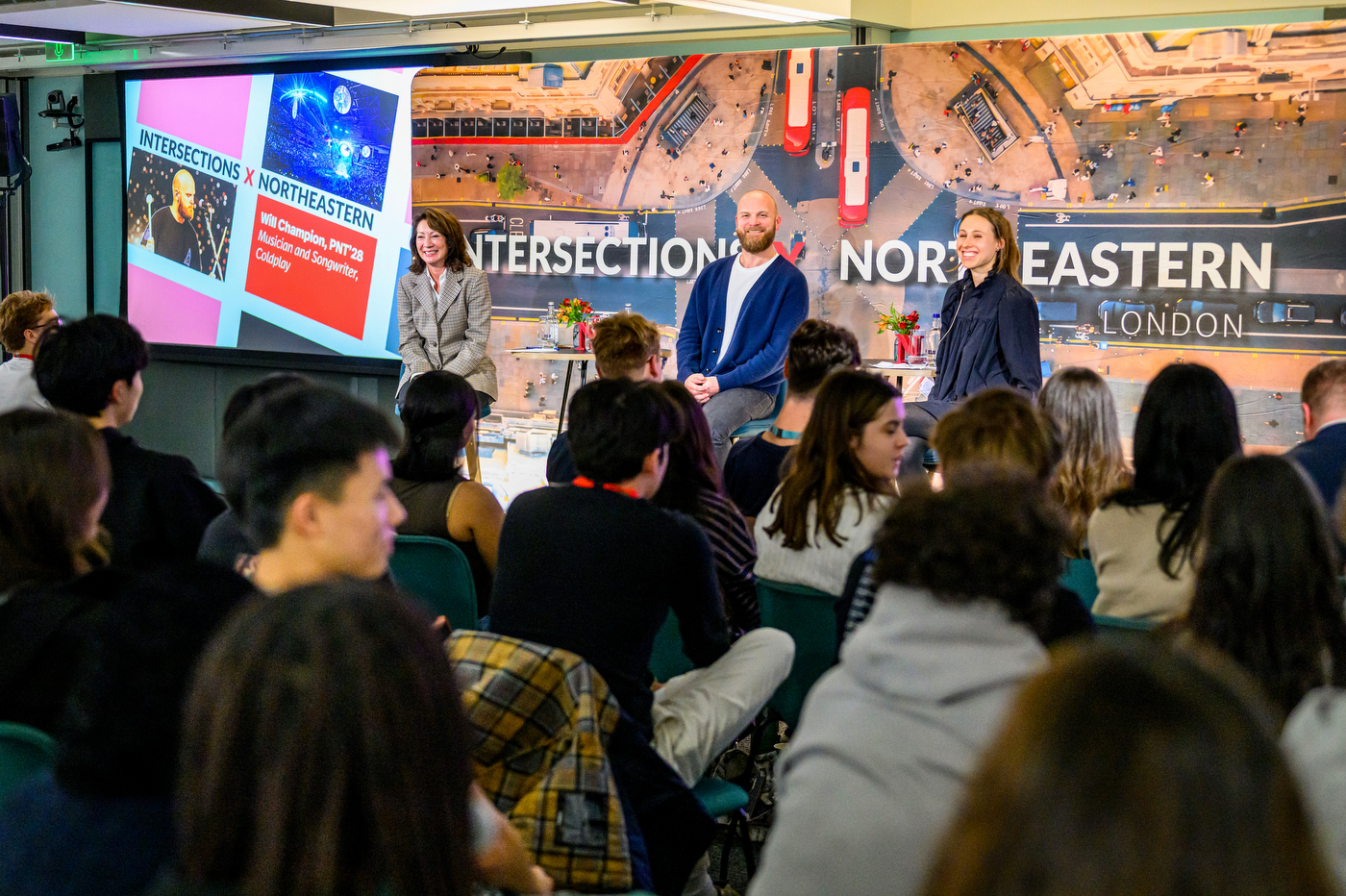
Champion was speaking as part of a new series called “Intersections” taking place on the London campus, offering students the chance to hear industry stories from prominent members of the Northeastern network.
The band member, recalling how he was the “last possible viable option” to play drums when Coldplay were first recording a demo during college, was reluctant to try to offer sage advice as “we had so many things that went our way by chance”.
But he encouraged the students to be resilient, adaptable and communicative when pursuing their aspirations. “I think those are the things that have helped us to get where we are,” he added.
Diane MacGillivray, senior vice president for university advancement, when introducing Champion, listed his achievements with Coldplay, including selling more than 100 million records and winning seven Grammys.
“But my guess is that one of the things that you are most proud of, and the reason you agreed to be here tonight, is your title of ‘Dad’,” she said.
“Very much so,” replied Champion, a father of three.
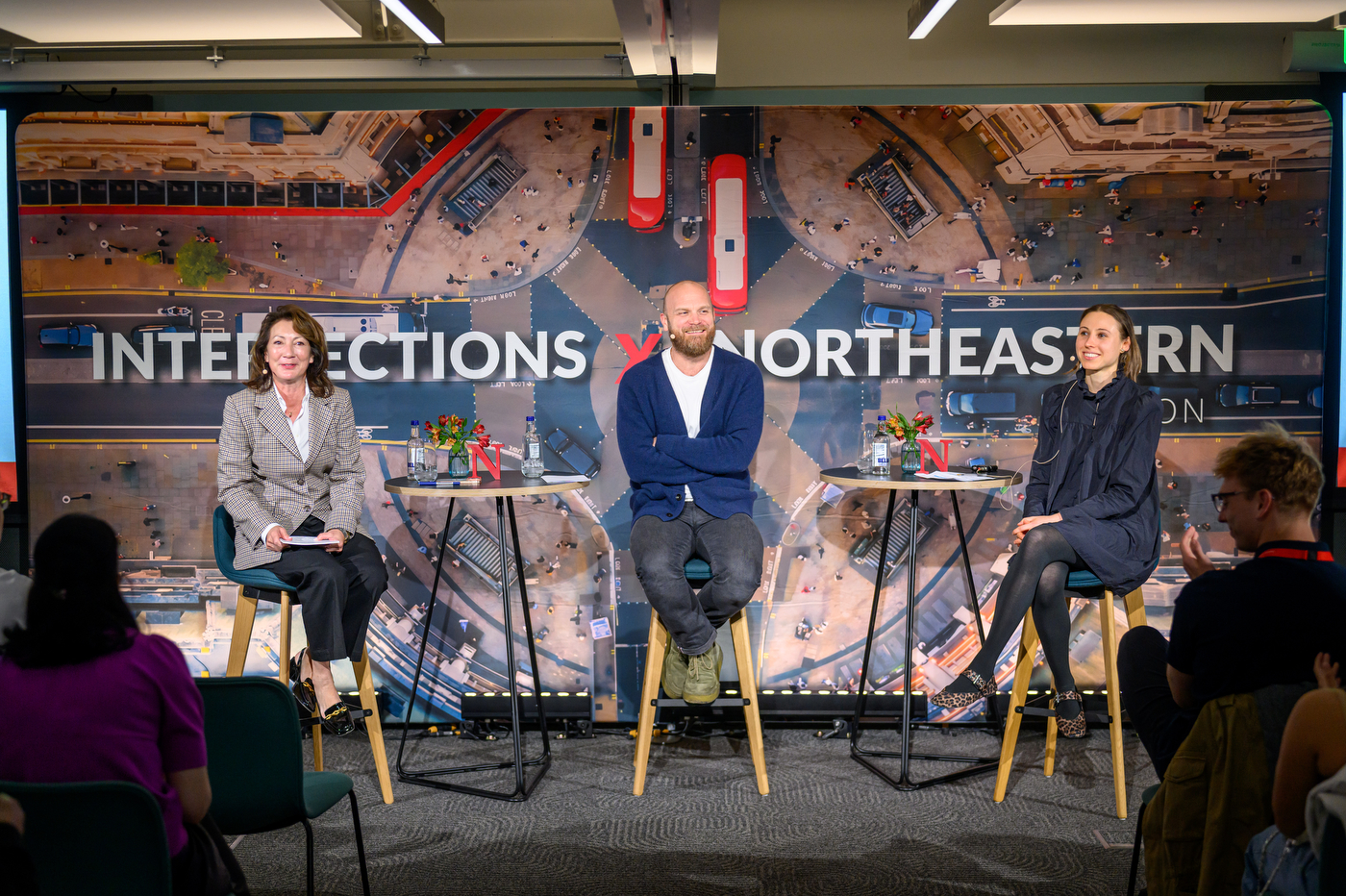



During the evening — chaired by both MacGillivray and Calypso Newman, a graduate and founder of art sustainability agency Rock Badger — Champion opened up about Coldplay’s Music Of The Spheres tour and its sustainability drive.
The record-breaking tour, which has become the most-attended tour of all time with 13 million tickets sold, has placed environmental sustainability at its heart, having cut emissions by 59% since Coldplay’s last global gigging cycle.
Fans are able to produce renewable energy that powers the stadium shows and the LED wristbands worn by the crowd are re-used. Attendees can also use an app to arrange car shares.
Champion explained to the Devon House audience, which included Northeastern President Joseph E. Aoun, that it was the current way of consuming music through algorithm-based streaming platforms that made the British act — completed by frontman Chris Martin, guitarist Jonny Buckland and bassist Guy Berryman — want to focus on delivering a memorable live experience.

“It has never been easier to find bands and to discover new music, which is wonderful, … but at the same time, breaking through that level of noise is so difficult,” Champion said. “What we have noticed is that getting anything to stick is very difficult.”
He recalled how Canadian singer Bryan Adams remained at the number one spot on the U.K. singles chart in 1991 for 16 weeks with the song “(Everything I Do) I Do It For You.” It remains the longest unbroken streak spent in the top spot.
“You couldn’t shift him off the top,” said Champion. “Now, things just disappear. We’re so interested in wanting the next thing that I think it’s really hard to get things that sustain.
“And that’s why touring has been really important for us because creating those memories of real people connecting with each other in stadiums like that — that is a memory that isn’t easily replaceable. You can’t just swipe if you don’t like it. It’s a commitment to something really meaningful.
“So for us, it has changed in that we really rely on our live show to create lasting connections with people, whereas it is harder to do that with just recorded music.”
The 47-year-old, who called London the best city in the world for live music, said painstaking work had gone into ensuring every part of their tour operation had been evaluated to ensure it was as sustainable as possible. The key to that, while pushing for all aspects to be less carbon-intensive, was to keep ticket prices cheaper than other acts and ensure their sustainability changes contributed to “more people having fun”, he said.
“And I think that’s ultimately what it’s all about,” Champion added.
Earlier this year, Coldplay was one of a host of major acts, including Paul McCartney and Dua Lipa, to lobby the U.K. government over concerns about proposed copyright changes that the artists argued could put their works at risk from generative AI.
The band has used AI for fan film initiatives, Champion said, but stressed that musical creation needed protection from technological overreach.
“I’m interested in how AI affects our business very much,” he said. “It is also quite contentious in the way that lots of these large language models learn.
“I can see that there are amazing applications for AI in music. I just think, it’s such a new technology and especially in our business, there’s a lot of very careful thought that needs to happen about how we create and how we protect human creativity.”
With a sea of hands still in the air as the talk drew to a close, Champion eschewed any sense of rock star ego and stayed at the front of a long line of students, answering more questions and posing for selfies with delighted fans.


