Corndog, sausage recall highlights problem with big batch production, expert says

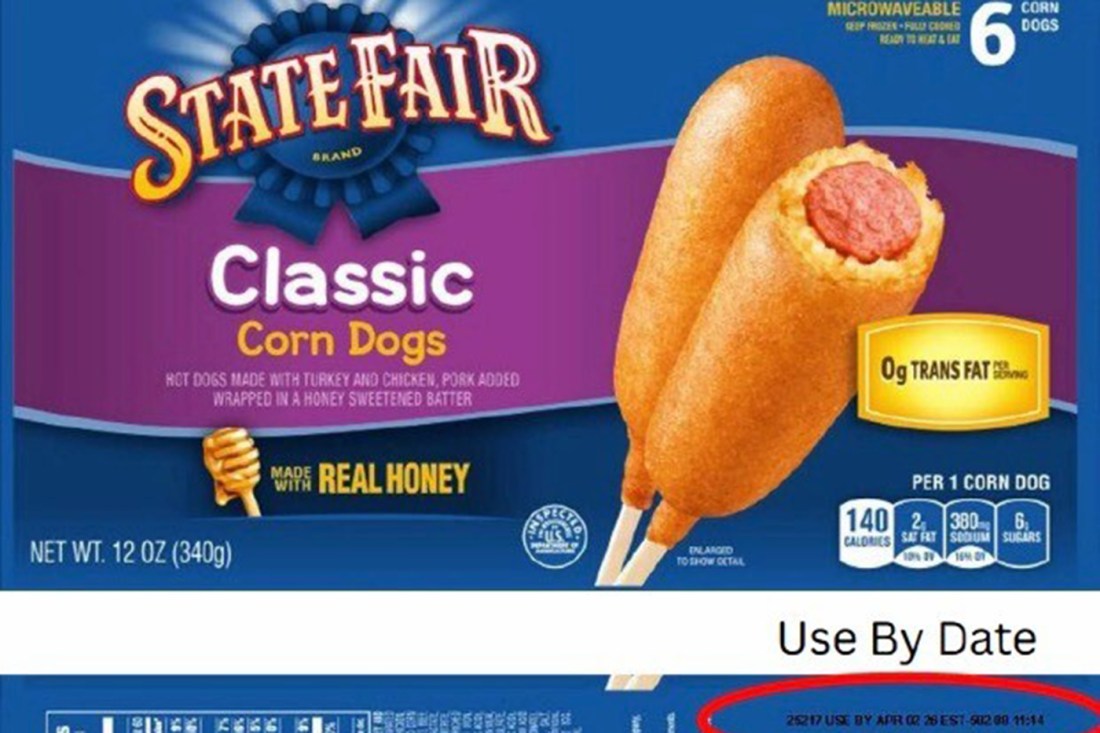
Hillshire Brands Company recalled about 58 million pounds of corn dog and sausage on a stick products on Sept. 27 as some may be contaminated with pieces of wood that entered the batter, highlighting the downside of companies consolidating and cooking food in large batches, says Northeastern University food safety expert Darin Detwiler.
“The sheer quantity of this is just amazing,” he says. “This is a huge recall. Companies are making more things for more brands. No one wants to test and hold these things. No one wants to make things slow, and as a result, we get these larger and larger batches or lots of food being recalled.
“You don’t just see a small batch of food being recalled, you’ll see hundreds of thousands of products being recalled as a result. These various factors go into increasing the likelihood that something like this isn’t just a small issue, it’s something that inevitably results in large amounts of products being recalled.”
The recall includes certain Jimmy Dean and State Fair brand products. According to the U.S. Department of Agriculture’s Food Safety and Inspection Service, the products were packaged between March 17 and Sept. 26, and were sold in retail locations nationwide. They were also sold to school districts and Department of Defense facilities.
The announcement says the recall was prompted by multiple consumer complaints. At least five people were injured. An investigation found that the wooden sticks entered the product before the product was battered.
Hillshire Brands, a subsidiary of Tyson Foods, said in a statement that the company was “voluntarily” recalling the products after finding “a limited number” contained pieces of wooden stick. They said the incident is isolated and will not affect other State Fair or Jimmy Dean products.
Editor’s Picks





Detwiler says most companies opt for the strictest category of recall out of caution. But this particular incident is shocking, given the number of products affected, indicating some of the downsides of having companies consolidate and rush to push products out.
“(This is) a massive recall,” Detwiler says. “We’re talking different brands and labels from this company because of wood products. This is clearly a problem that goes back to the food manufacturing plant and how it wasn’t caught early and stopped. And this is not an isolated incident.”
While most people think of food safety as issues around food poisoning, physical contaminants in food also fall under this umbrella. Detwiler says that the most common reasons for recalls are mislabeling food products and pathogens followed by contamination with physical objects. He adds that there have been recalls for items such as glass, metal, rubber gloves, rocks and olive pits found in food.
Injuries from these types of incidents are rare, he says, but they pose the potential for someone to be seriously injured. There was at least one incident in which people found wire bristles in pizzas from companies using large wire brushes to clean their ovens, not realizing the tools were shedding bristles that enmeshed in the dough. People impacted required invasive surgery to have these bristles removed.
Detwiler says ideally, companies would be monitoring their manufacturing plants to prevent these incidents from happening, but many opt to deal with the situation after the fact, despite the risk of damage to their reputation. Companies like Boars Head and Chipotle dealt with serious reputation damage after food safety incidents.
“The damage to (those) companies’ reputations were far, far more troubling and they lost a lot of money,” Detwiler says. “You would think that if company leaders knew that and understood that, that they would act on early indicators, if not for the focus on public health and morals and ethics, then for the economic incentive.”
In addition to avoiding degrading products at home (like cracked glassware or disintegrating rubber tools) to avoid contamination, Detwiler recommends consumers hold onto their packaging and receipts in order to check for recalls.
“Consumers need to be a little bit more vigilant than they have been in the past,” he adds.
Northeastern Global News, in your inbox.
Sign up for NGN’s daily newsletter for news, discovery and analysis from around the world.