Meet Neptune, the rare blue lobster donated to Northeastern’s Marine Science Center in Nahant

Research suggests only one in two million lobsters is blue, like this rare animal caught by a lobster boat captain and donated to Northeastern. Video by Cameron Sleeper/Northeastern University
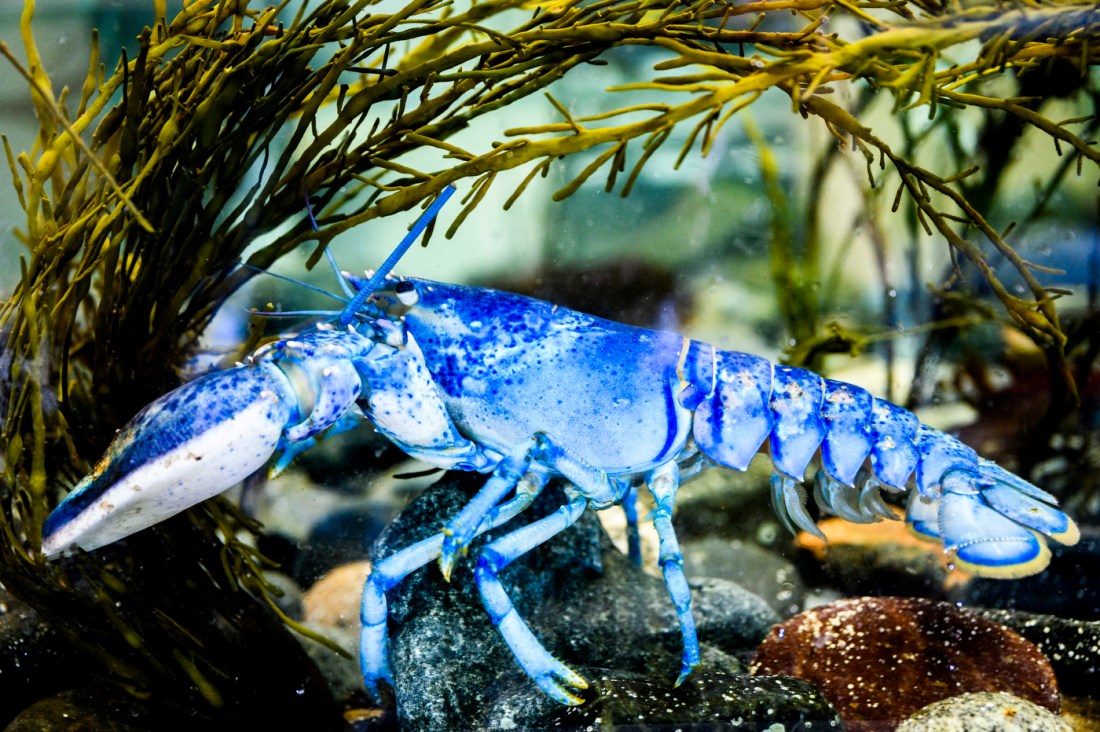
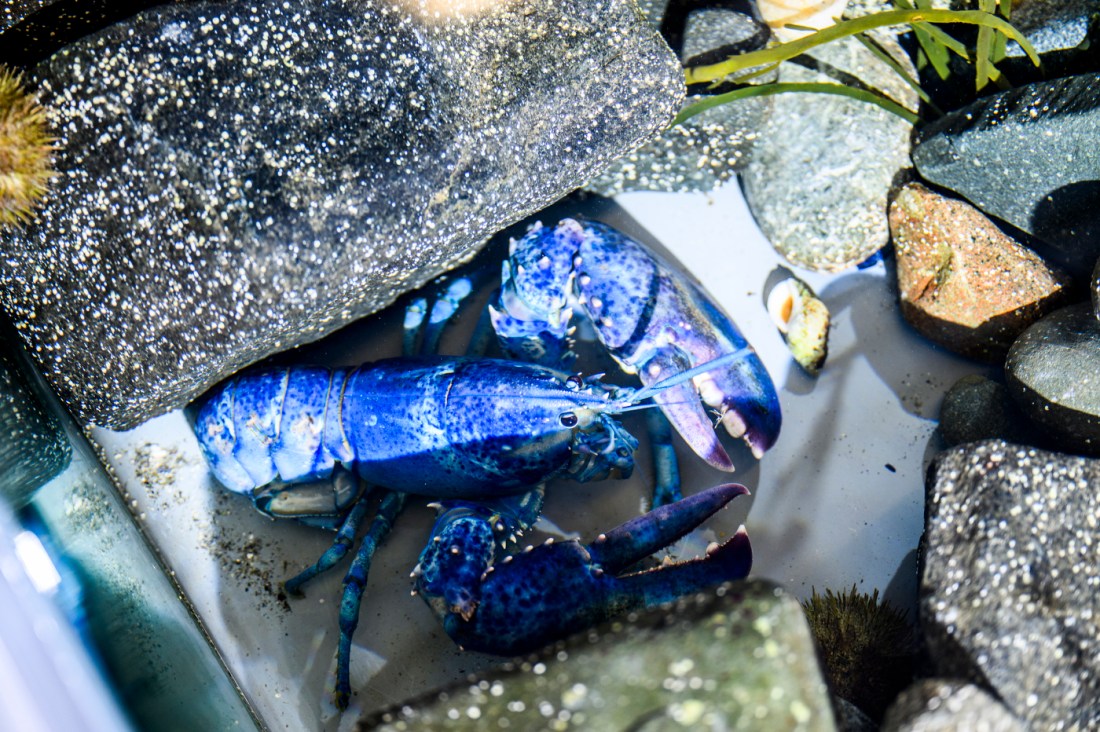
The newest lobster to join the touch pools at Northeastern’s Marine Science Center in Nahant loves to eat mussels and tuck under rocks just like other crustaceans.
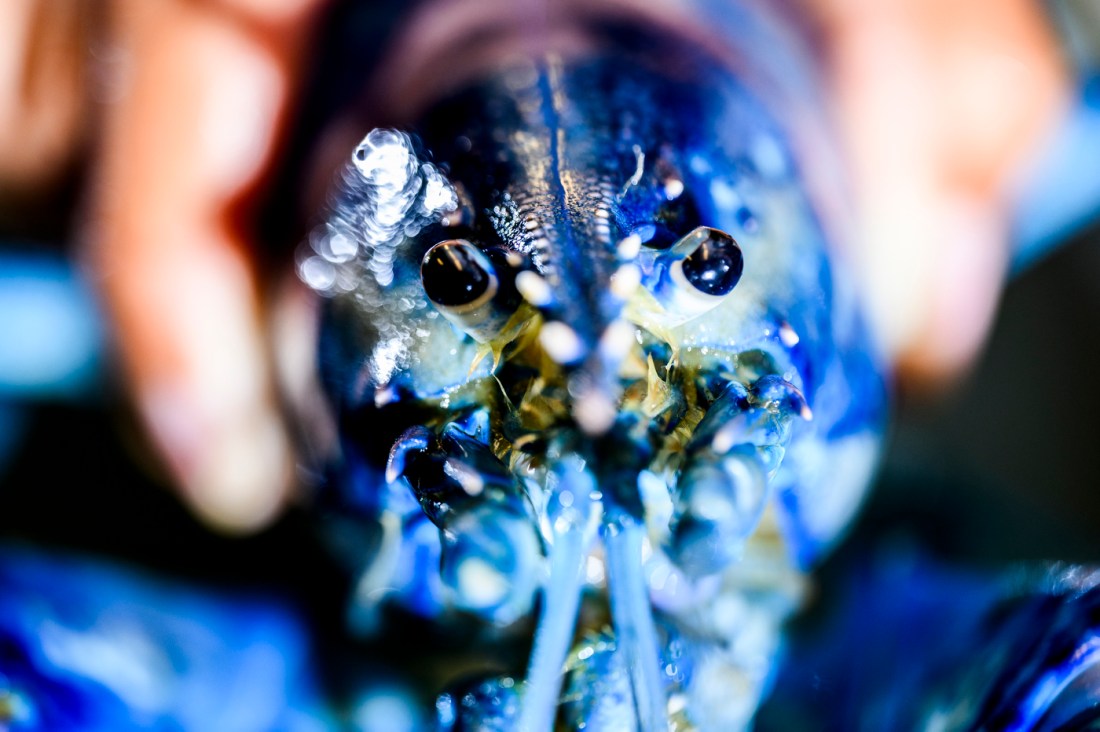
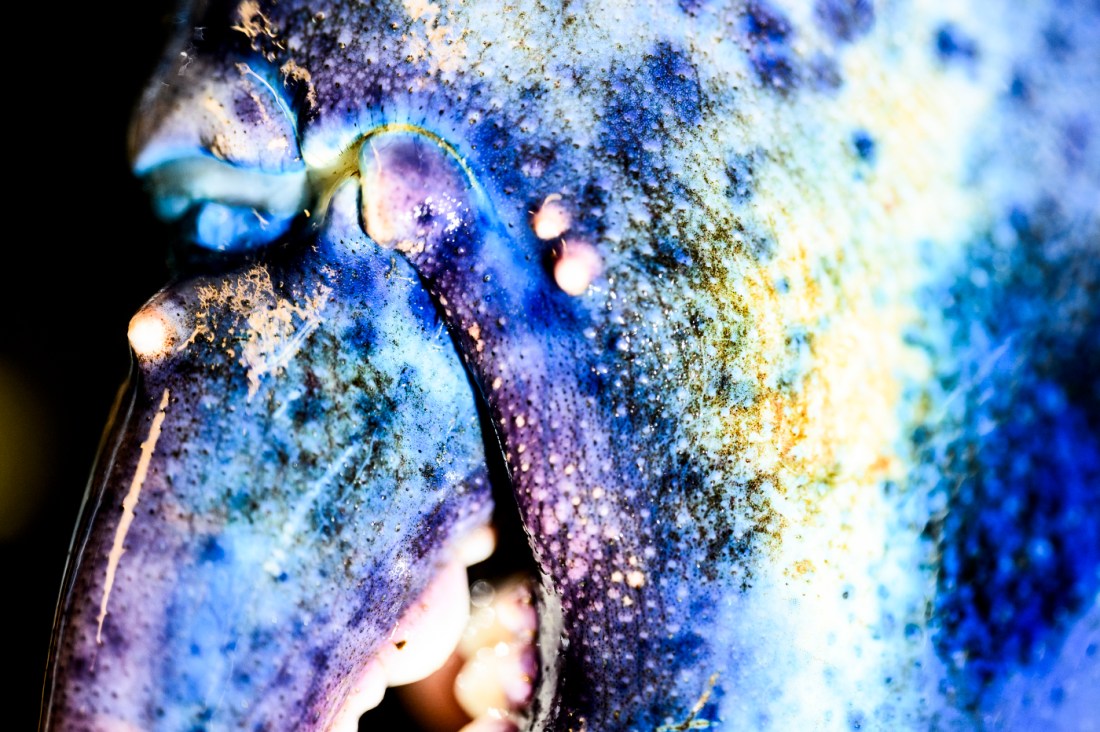
But this lobster, named Neptune, has a brilliant blue shell that makes his occurrence among the lobster population one in 2 million.
Caught in July by Brad Myslinski, owner and captain of the Sophia & Emma in Salem, Neptune made his way to Nahant through the good graces of Lynn Classical High School teacher Dave Winchester.
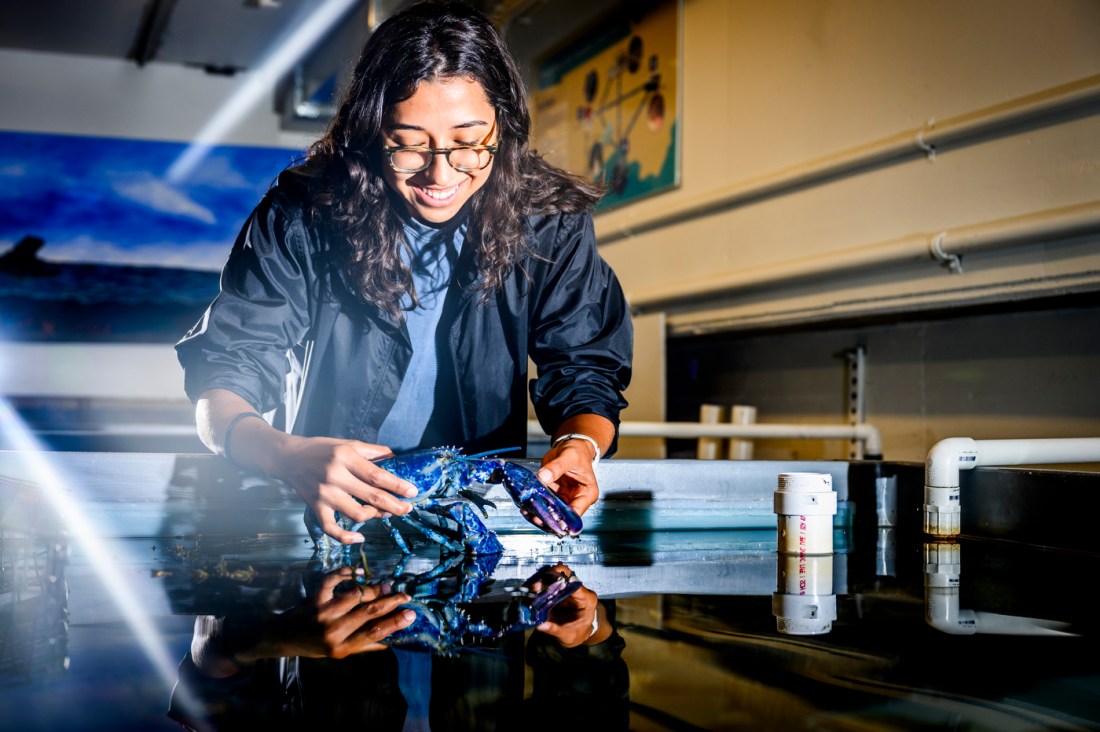
“It took my breath away seeing this bright blue lobster,” says Sierra Munoz, outreach program coordinator at the Marine Science Center. “I’ve seen a few lobsters that have a little blue on them, but I’ve never seen one that’s this electric blue.”
Winchester, a marine biology teacher with a longtime connection to the Marine Science Center, says she “knew how rare this find was, that we have the space and resources to safely house the lobster and that we could benefit from it for our educational programs.”
High school students attending the center’s Coastal Ocean Science Academy this summer were on-site when Winchester delivered the lobster, which weighs about 2 pounds and is approximately 7 years old.
“They were the first to meet him, and they voted to name him Neptune,” after the Roman god of the sea, Munoz says.
Why is Neptune blue?
“Neptune is a normal American lobster in every other way than his shell,” she says.
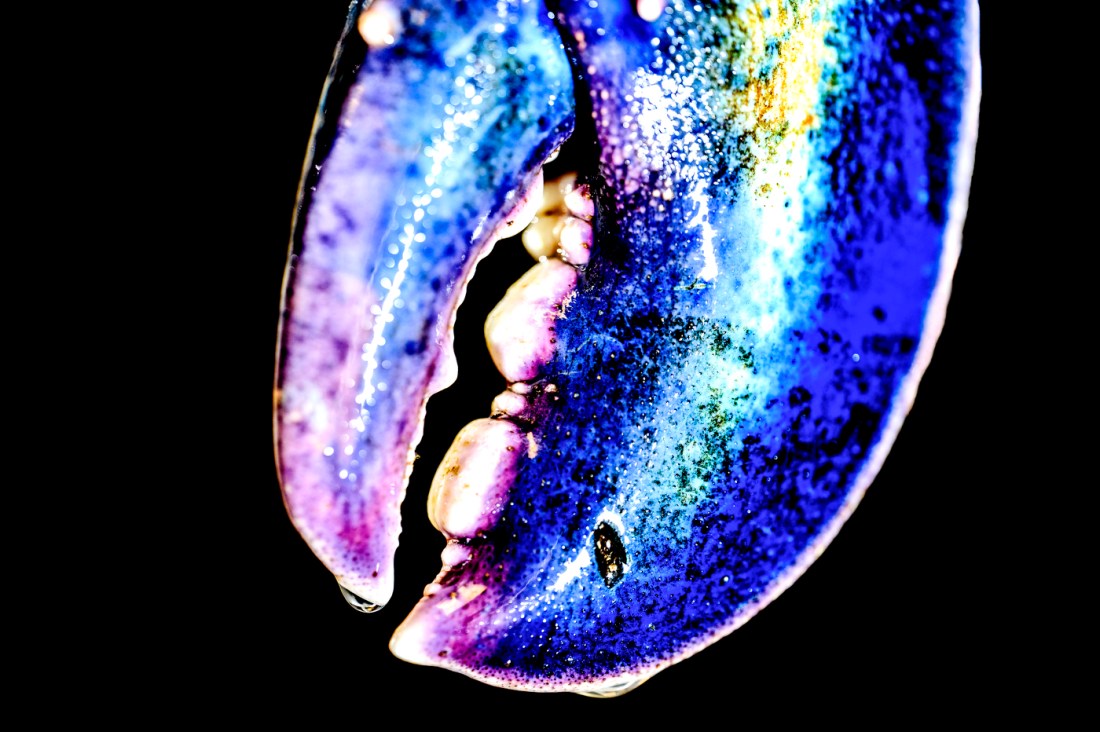
“On the inside, he is the same. His body parts are the same. But he has a really rare genetic anomaly where he overproduces a protein complex called crustacyanin that causes his shell to be dominantly blue.”
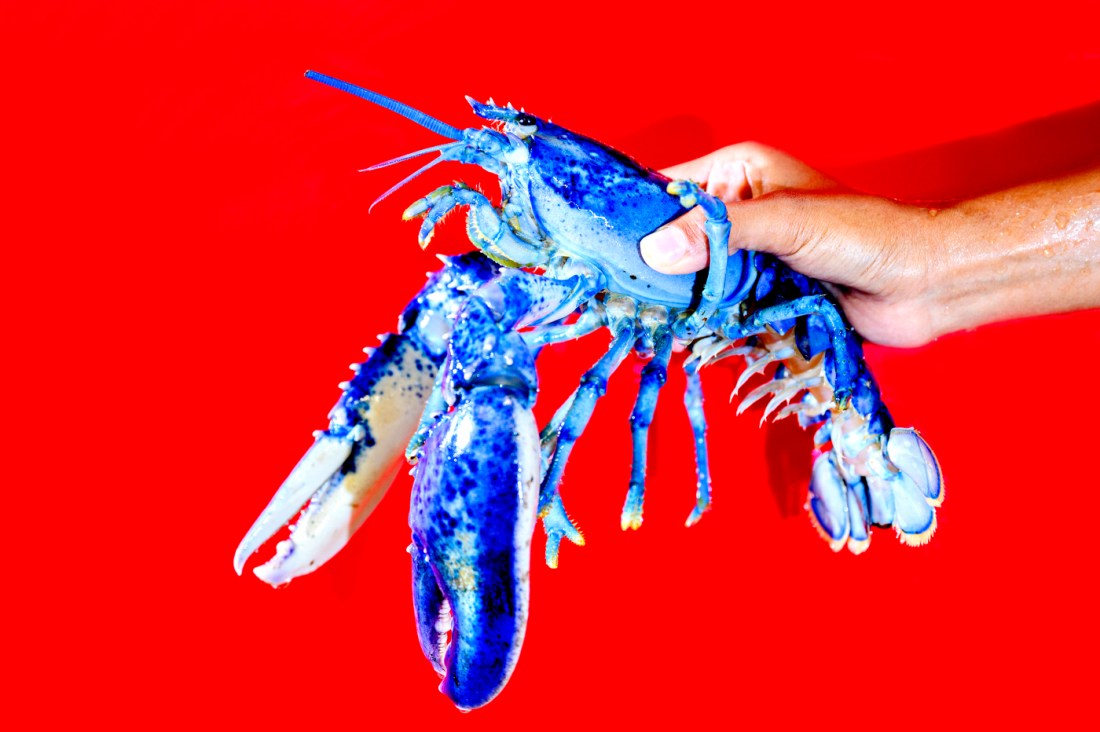
“Research suggests that only one in 2 million American lobsters are blue, and the odds of catching one are one in 200 million,” she says.
Although American lobsters are typically greenish brown to better camouflage themselves in rocky subtidal waters, they can actually come in a rainbow of colors.
“There are calico lobsters, yellow lobsters, cotton candy lobsters and albino lobsters,” says Neida Villanueva, a second-year Ph.D. student in the lab of Northeastern professor Jonathan Grabowski.
Cotton candy lobsters are a lighter blue than Neptune mixed with pink, Villanueva says.
If blue lobsters are cooked — which will not be Neptune’s fate — they turn the typical boiled red color, Munoz says.
Editor’s Picks


Blue crab predators
Increasingly, lobsters in New England face a threat from another cerulean crustacean, the blue crab.
The “voracious predators” are expanding their northward range due to warming waters, says Villanueva, who is studying their interaction with New England lobster populations.
Potential for a long life
There will be no blue crabs among Neptune’s “roommates” in the rocky aquaria touch pool, just small cunner and sculpin fish, Jonah and spider crabs and a few green sea urchins, Munoz says.
“Neptune is doing a really great job adjusting,” Villanueva says. “We recently built him a hut so he can hide away if he wants.”
“We’re also limiting the time that visitors spend with him,” she says. “Lobsters usually are very solitary, so it’s important that he has a space to retreat to.”
“Lobsters have a really amazingly long life expectancy if they aren’t caught and if they don’t experience any sort of viruses or get caught in their shell when they molt,” Munoz says.
“They can live upwards of 100 years. And they can get really large. We’ve seen stories about 20-pound lobsters that are super old,” she says. “So these can be pets for the long term.”
“We’re really, really thankful to both Brad and Dave for facilitating this donation for us so hundreds and thousands of people can get to meet Neptune,” Munoz says.