How Ilia Malinin and Mikaela Shiffrin fared against the ‘Olympic Dragon’
Northeastern University sports experts say the athletes’ different results demonstrate how the mental pressure of the Games can cut both ways.
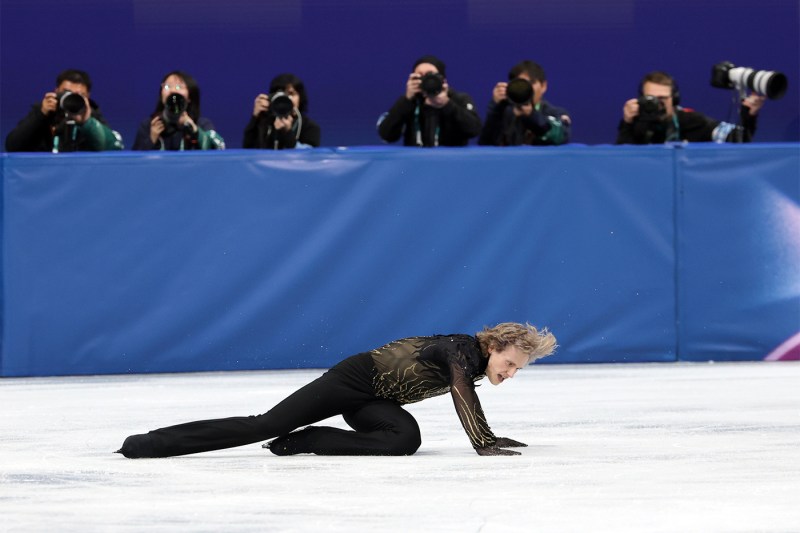

American Figure skater Ilia Malinin and ski racer Mikaela Shiffrin both faced the mental stress of the so-called “Olympic Dragon” this year in Milan Cortina.
Malinin, the “Quad God,” got burned. Shiffrin, widely regarded as the greatest slalom racer in history, earned her first Olympic gold medal in the event in 12 years.
Northeastern University sports experts said the athletes’ different results demonstrate how the mental pressure of the Olympic Games can cut both ways.
“The ‘Olympic Dragon’ is sometimes an exhilarating and empowering force that leads to gold, and other times it’s a pressure cooker that readily explodes from within,” said Dan Lebowitz, executive director of The Center for the Study of Sport in Society at Northeastern University. “The greatest of Olympic champions have felt both the fuel of its fire and the failure of its fury, sometimes in the same Olympics.”
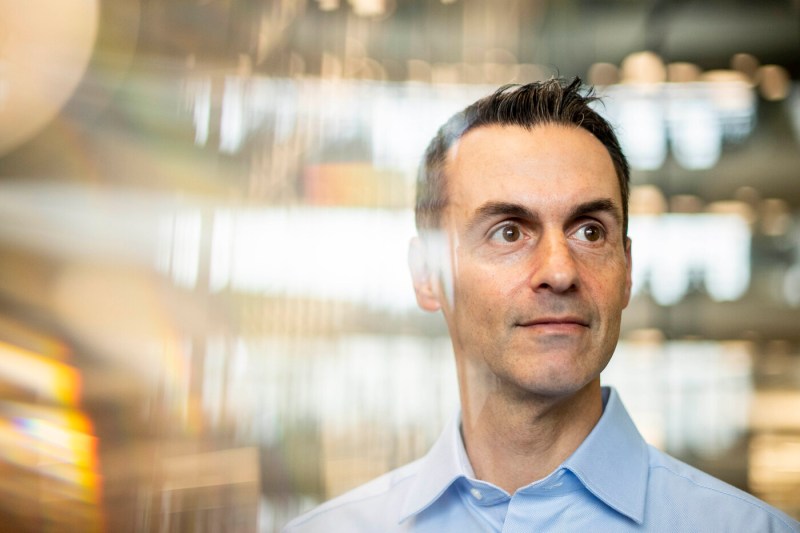

Executive Director of the Center for the Study of Sport in Society at Northeastern University, poses for a portrait. Photo by Alyssa Stone/Northeastern University
Malinin was the favorite to win the Olympic gold among the figure skating community and even the sports betting markets, coming off an undefeated streak in 14 events over more than two years. But a free skate program where he fell twice, missed multiple quadruple jumps including his signature quadruple axel, and stumbled noticeably was “hard to see” and left commentators “in shock.”
“I blew it,” Malinin said following the skate. In the ensuing days, fans became even more concerned about Malinin’s mental health.
Shiffrin, meanwhile, blew away the competition to earn her first Olympic gold medal in eight years and her first gold medal in her best event, the slalom, in 12.
She called it “a dream come true,” but something she could compartmentalize.
“I said ‘stop dreaming, just ski,’” Shiffrin said.
Lebowitz said that elite athletes have a precarious journey to find balance between “transcendent physical performance” and “the maintenance of sustainable mental health.”
That is only heightened by the Olympics.
“The pressure for the Olympics is just magnified because there is no do-over,” said Grayson Kimball, a mental performance coach and psychology professor at Northeastern.
Lebowitz agreed.
“These athletes have spent their lives in the unrelenting and unforgiving pursuit of excellence,” Lebowitz said. “That pursuit, while practiced often in solitude, becomes a fishbowl of magnified expectation on a stage as universal as the Olympics.”
Editor’s Picks





Sometimes the pressure can be too much.
Lebowitz compared Malinin’s “nightmare Olympics” to gymnast Simone Biles’s struggles with the
“Twisties” – a mental block triggered by stress or anxiety – which caused her to withdraw from events in the 2021 Tokyo Games.
“Superhuman expectations are a heavy weight to continually bear, especially against the backdrop of a lifelong quest to push the boundaries of human possibility in the realm of sport,” Lebowitz said.
Malinin and Biles met and talked following his performance.
So what can athletes like Malinin do if they’ve been burned by the Olympic Dragon.
Kimball said Malinin should ask himself ‘why’ it happened.
“These athletes – at any level – will give you surface-level answers: ‘I didn’t have it today. Today wasn’t my day,’ blah, blah, blah,’” Kimball said. “But there’s more to it.”
Often, a pre-event routine is off, maybe they didn’t get enough sleep, didn’t get up in time, etc., Kimball said.
“There were things that the athlete may have missed that they could have done, these controllable factors that they just let slide,” Kimball said.
He also advised Malinin to focus not on possible mistakes but on concrete actions.
“If you go into the event thinking ‘as long as this doesn’t happen, I’ll be OK,’ you’re trying to avoid failure,” Kimball said. “Versus, ‘if I do this, I’ll be successful’ – that’s about achieving success.”
Because sometimes the pressure can also become a “propellant,” Lebowitz said.
Literally. Shiffrin finished 1.5 seconds ahead of the silver medalist.